When a company brings teams together for a leadership summit, product launch, or training program, the real goal extends far beyond information delivery. Leaders need audiences to connect with the message, see its relevance to their roles, and leave equipped to act. Hybrid events have matured from a necessity born of restrictions into a deliberate strategy for deeper audience engagement and stronger business outcomes.
When your most important meeting, launch, summit, or training experience needs to move people, every detail matters. Strategy guides the work. Creativity shapes the story. Precision brings it to life. DEVLINHAIR Production & Learning designs and produces action-driven meetings, live events, and training experiences that move audiences. From our New York City studio, DEVLINHAIR helps organizations bring complex ideas, leadership priorities, and learning moments to life with clarity, purpose, and production precision. Ready to create a hybrid experience your audience can follow, feel, and act on? Let’s talk.
The Strategic Evolution of Hybrid Formats
Hybrid events now reflect a more sophisticated understanding of attendee needs. Event professionals begin with clear business objectives and audience expectations rather than defaulting to available technology. This experience-first mindset has become essential as participants expect production quality and interaction levels that match or exceed in-person standards.
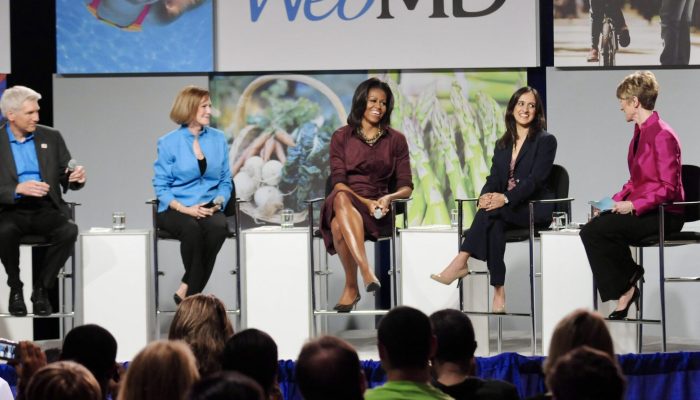
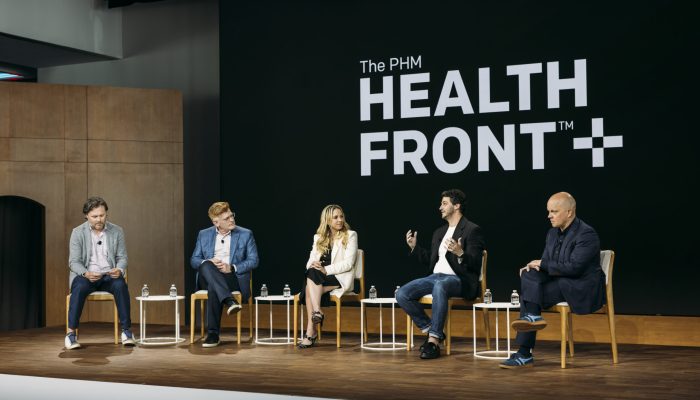
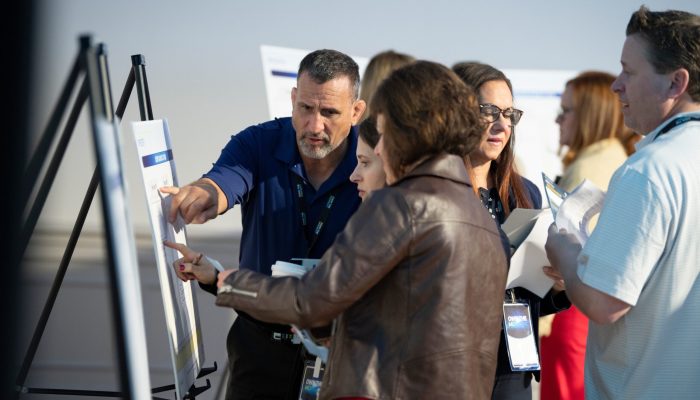
The evolution of hybrid events reflects a growing understanding that technology alone does not create engagement. Event professionals are increasingly starting with business objectives and attendee expectations before selecting platforms and production tools. This experience-first approach has become essential as audiences have grown more sophisticated and expect higher-quality digital participation. Organizations are moving beyond basic livestreams and creating distinct experiences for different audience groups while still maintaining opportunities for shared interaction. Remote participants are being offered exclusive content, behind-the-scenes access, specialized sessions, and networking opportunities designed specifically for virtual attendance. At the same time, event teams are investing in tools that allow digital and in-person audiences to communicate, collaborate, and participate in the same conversations. Personalization has become another major theme, with planners using attendee data to tailor content, engagement opportunities, and communications to different audience segments. Hybrid strategies are also helping organizations reach broader and more diverse audiences by removing geographic and logistical barriers that previously limited participation. Many brands are discovering that virtual access expands inclusion while also increasing overall event reach and visibility. The continued investment in streaming quality, interactive features, networking capabilities, and audience analytics demonstrates that hybrid events are being treated as strategic marketing assets rather than temporary accommodations. As organizations focus on measurable outcomes, audience segmentation, and long-term community building, hybrid formats are becoming an intentional way to strengthen engagement before, during, and after the event itself. how hybrid experiences are evolving
Organizations increasingly design distinct yet complementary experiences for in-person and remote audiences. Remote participants gain access to exclusive content, specialized sessions, and tailored networking opportunities. At the same time, technology enables meaningful interaction between both groups, fostering shared conversations and collaboration rather than parallel experiences.
This intentional approach helps organizations reach broader, more diverse audiences by reducing geographic and logistical barriers. Hybrid capabilities expand inclusion while increasing overall event reach and visibility. Teams treat these formats as strategic assets for ongoing engagement before, during, and after the main event.
Creating Distinct Value for Every Participant
Successful hybrid events prioritize personalization based on attendee data and preferences. Planners segment audiences and deliver relevant content, engagement opportunities, and communications tailored to different groups. This relevance drives higher satisfaction and better connection to key messages.
Remote attendees benefit from features designed specifically for their format, such as behind-the-scenes access or dedicated virtual activities. In-person participants enjoy immersive elements that leverage the physical environment. The most effective programs maintain threads of connection that allow both audiences to feel part of the same experience.
DEVLINHAIR Production & Learning applies this thinking across corporate meetings, live events, and training experiences. For organizations seeking to strengthen message alignment and audience connection, hybrid capabilities offer powerful flexibility when designed with purpose.
Engagement That Goes Beyond Streaming
Leading programs integrate engagement directly into the event architecture rather than treating it as an afterthought. Creative tactics include gamification, interactive challenges, customized attendee journeys, and social participation campaigns that motivate active involvement from both virtual and in-person audiences.
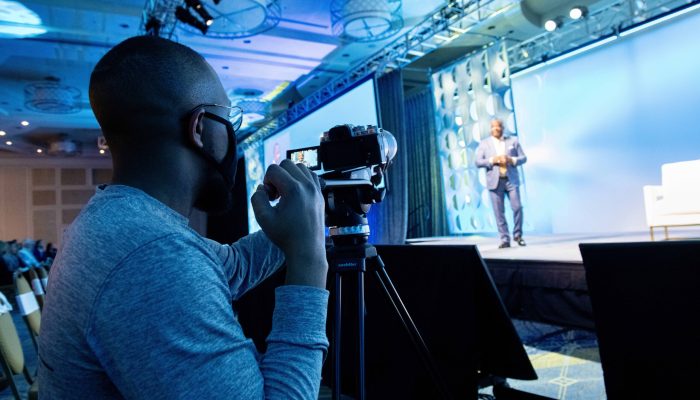
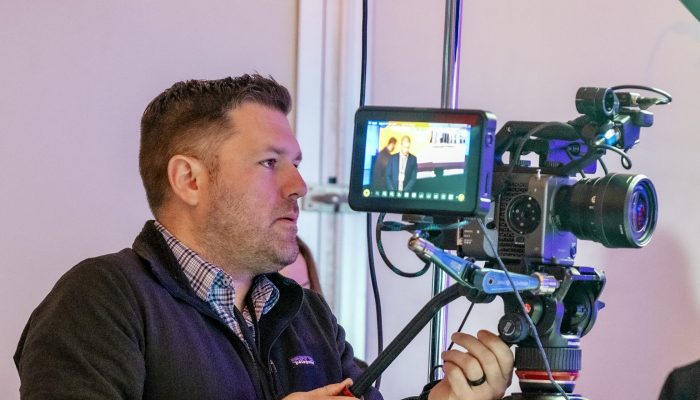
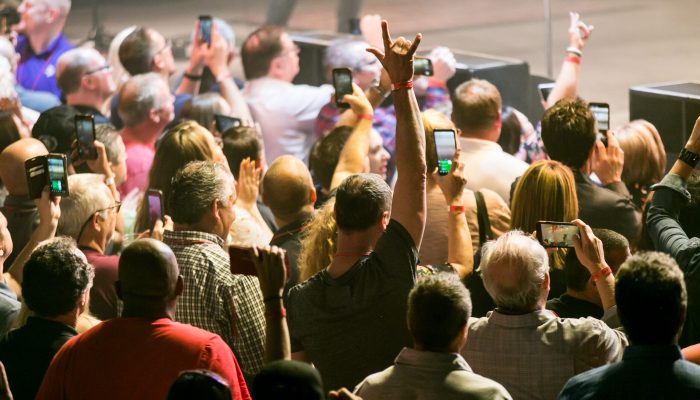
Recent event programs demonstrate how hybrid experiences are becoming more intentional, interactive, and personalized through creative engagement design. Organizations are increasingly building participation strategies that acknowledge the unique needs of both virtual and in-person attendees while ensuring that each audience receives meaningful value. Gamification, customized attendee journeys, social participation campaigns, interactive challenges, and personalized rewards are being used to encourage deeper involvement across multiple event formats. Rather than treating engagement as a secondary consideration, leading event teams are integrating it directly into program architecture, creating experiences that motivate attendees to participate, network, share content, and explore sponsor activations. Hybrid audiences are also benefiting from tailored experiences that recognize how different participants interact with content. Some programs now include separate engagement paths, customized activities, and audience-specific incentives designed to increase relevance and satisfaction. The use of immersive technologies, virtual reality demonstrations, interactive competitions, and personalized digital experiences highlights the growing emphasis on active participation instead of passive consumption. These approaches support stronger attendee retention, increased content interaction, and more meaningful connections between participants and brands. The broader lesson for marketers is that successful hybrid events require deliberate engagement planning that extends beyond streaming content. By combining technology, personalization, and experiential design, organizations can create hybrid environments that foster participation, strengthen brand relationships, and deliver measurable outcomes for attendees, sponsors, and event organizers alike. This progression underscores the transformation of hybrid events into a strategic engagement channel capable of producing lasting value well beyond the event itself. innovative hybrid engagement tactics
These strategies acknowledge that different participants interact with content in varied ways. Some programs offer separate engagement paths or audience-specific incentives while still creating shared moments. Immersive technologies, interactive competitions, and personalized digital experiences shift attendees from passive viewers to active participants.
Such approaches support stronger retention, increased content interaction, and more meaningful brand connections. Organizations see hybrid events as opportunities to build community and deliver measurable value to attendees, sponsors, and internal teams alike.
Hybrid Event Best Practices for Corporate Programs
Effective hybrid event strategy starts with clarity on objectives. Whether the goal involves leadership alignment, training effectiveness, or product story activation, every design choice should support those outcomes. Production quality matters equally for both audiences to maintain credibility and impact.
Technology selections should enable rather than drive the experience. Tools that facilitate communication, collaboration, and participation between in-person and remote groups create the strongest results. Audience analytics help teams understand what resonates and refine future programs accordingly.
Planning teams benefit from testing engagement elements in advance and gathering feedback from representative participants. This preparation helps identify potential friction points and ensures smooth execution across formats.
Practical Considerations for Stronger Outcomes
Organizations planning hybrid events should evaluate their current capabilities against desired audience experiences. Key questions include how to maintain energy and connection across formats, how to measure success beyond attendance numbers, and how to sustain momentum after the event concludes.
Content strategy plays a central role. Providing multiple ways to engage with core messages helps accommodate different learning styles and attention preferences. Combining live presentations with on-demand access, interactive polls, breakout discussions, and networking features creates richer experiences.
Production strategy also requires attention to technical reliability and creative execution. High-quality streaming, professional audio-visual support, and thoughtful stage design contribute to an experience that feels cohesive regardless of location.
DEVLINHAIR’s Approach to Hybrid Experiences
For DEVLINHAIR Production & Learning, effective experience design starts with a clear strategic foundation. Strategy guides the work. Creativity shapes the story. Precision brings it to life. That approach helps organizations design and produce action-driven meetings, live events, and training experiences that move audiences.
DH teams focus on purposeful storytelling and audience engagement that supports business goals. Whether supporting a product launch, leadership summit, or corporate training initiative, the emphasis remains on creating memorable moments that drive understanding, alignment, and action.
Case studies such as the Aflac Focus Fest demonstrate hybrid design and production in action, while immersive examples like the IBM Hundred Percent Club show how thoughtful experience architecture creates lasting impact.
Preparing for the Next Phase of Hybrid Events
As hybrid formats continue maturing, organizations should invest in capabilities that support long-term engagement strategies. This includes building internal expertise, establishing reliable production partnerships, and developing measurement frameworks that connect event experiences to business results.
Teams benefit from staying current with event technology trends while remembering that technology serves the experience rather than defining it. The most successful programs balance innovation with reliability and creativity with strategy.
Leaders evaluating their approach to corporate meetings and events can begin by auditing recent programs for engagement levels across audiences and identifying opportunities to strengthen hybrid capabilities.
Looking ahead, hybrid events represent more than a format choice. They offer organizations a powerful way to bring people together, share important messages, and create alignment in an increasingly distributed world. With thoughtful design and expert production, these experiences can deliver meaningful business value well beyond the event itself.
Frequently Asked Questions
Disclaimer: The above helpful resources content contains general insights and perspectives for informational purposes only. The information provided is for general knowledge and does not constitute professional advice.
You may also be interested in: DEVLINHAIR Production & Learning
When your most important meeting, launch, summit, or training experience needs to move people, every detail matters. Strategy guides the work. Creativity shapes the story. Precision brings it to life. DEVLINHAIR Production & Learning designs and produces action-driven meetings, live events, and training experiences that move audiences. From our New York City studio, DEVLINHAIR helps organizations bring complex ideas, leadership priorities, and learning moments to life with clarity, purpose, and production precision. Ready to create a hybrid experience your audience can follow, feel, and act on? Let’s talk.
Powered by flareAI.co