Quick Listen:
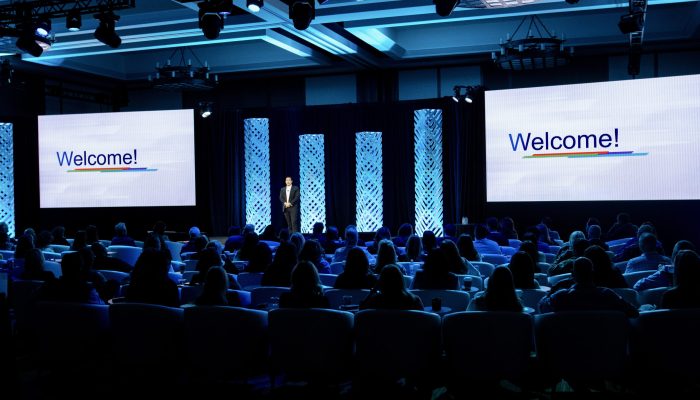
When leaders plan corporate meetings, product launches, or leadership summits, they face a clear challenge: deliver memorable, action-oriented experiences while honoring broader organizational commitments to responsibility and long-term impact. Sustainability has moved from a nice-to-have consideration to a core element of thoughtful event design. For organizations focused on corporate gatherings, this shift creates opportunities to strengthen alignment, enhance engagement, and reinforce brand values through purposeful choices.
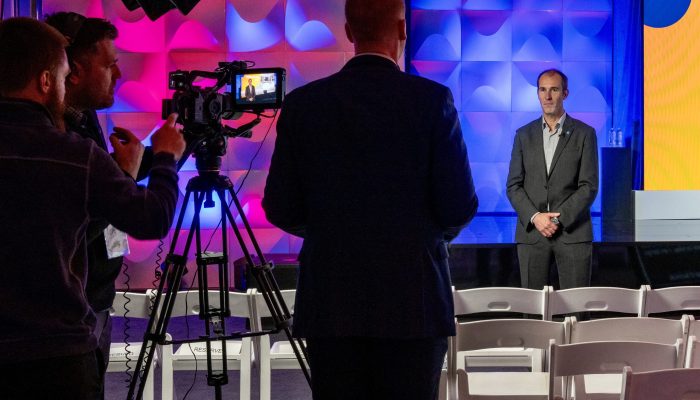
When your most important meeting, launch, summit, or training experience needs to move people, every detail matters. Strategy guides the work. Creativity shapes the story. Precision brings it to life. DEVLINHAIR Production & Learning designs and produces action-driven meetings, live events, and training experiences that move audiences. From our New York City studio, DEVLINHAIR helps organizations bring complex ideas, leadership priorities, and learning moments to life with clarity, purpose, and production precision. Ready to create a hybrid experience your audience can follow, feel, and act on? Let’s talk.
Why Sustainability Matters in Corporate Event Strategy
Corporate event planners increasingly integrate sustainability into every stage of their work, from venue selection to post-event evaluation. This evolution reflects a deeper understanding that how organizations bring people together sends a powerful message about their values and operational priorities. Rather than treating environmental responsibility as an afterthought, forward-thinking teams view it as essential to creating experiences that resonate with attendees and stakeholders alike.
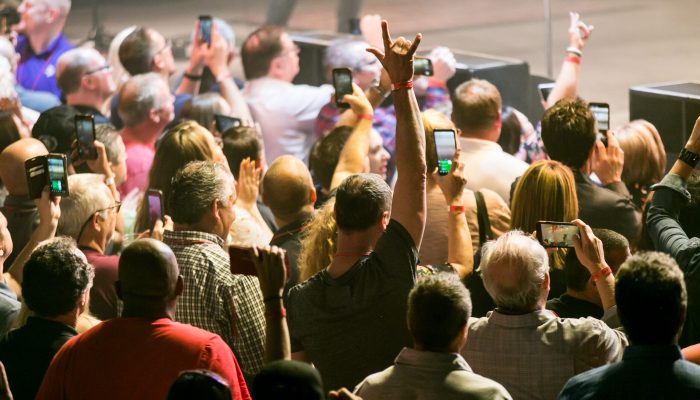
The emphasis on sustainable practices helps address growing expectations around corporate social responsibility. Attendees notice when events demonstrate care for resources and communities, influencing their perception of the host organization. This awareness shapes decisions around travel, venue choices, and participation, making sustainability a practical factor in audience engagement and overall event success.
Key Strategies for Sustainable Corporate Gatherings
Event professionals are prioritizing venues with strong environmental policies and certifications. Local sourcing for catering reduces transportation emissions and supports regional economies, while replacing single-use items with reusable or biodegradable alternatives minimizes waste. These choices require early planning and coordination but yield meaningful results in both environmental impact and attendee experience.
Digital tools play an important supporting role by reducing paper usage through electronic registration, mobile agendas, and virtual materials. Energy-efficient lighting and AV solutions further decrease the resource demands of live productions. When implemented thoughtfully, these elements enhance rather than complicate the event flow, supporting seamless hybrid capabilities where needed.
Transportation and lodging arrangements also offer opportunities for responsible planning. Encouraging lower-impact travel options and partnering with eco-conscious hotels helps align logistics with sustainability goals. The result is a more cohesive experience that demonstrates organizational commitment without sacrificing comfort or convenience for participants.
Business Benefits of Sustainable Event Design
Sustainable practices deliver advantages that extend well beyond environmental metrics. Organizations report stronger alignment between event experiences and corporate values, which can enhance employee engagement and client relationships. Thoughtful sustainability efforts often improve brand perception and contribute to positive community relations.
Many teams discover operational efficiencies through sustainable approaches. Reduced waste and more efficient resource use can lead to cost savings over time, while innovative solutions spark creativity in event design. For learning and development programs or leadership summits, these practices reinforce messages about responsibility and forward thinking.
In the context of hybrid events and training experiences, sustainability considerations help create inclusive formats that maintain quality across in-person and virtual participation. This balance supports broader audience reach while managing overall environmental footprint.
Overcoming Common Challenges in Implementation
Integrating sustainability requires addressing potential obstacles such as budget constraints, vendor availability, and measurement approaches. Successful teams start with clear objectives tied to their specific gathering goals whether a product launch, internal training, or executive meeting and build sustainable elements into the foundational strategy.
Collaboration with experienced production partners helps navigate these challenges effectively. Expertise in both creative storytelling and practical execution ensures that sustainability enhances rather than restricts the event narrative. Early integration of these considerations prevents last-minute compromises and supports more impactful outcomes.
Measurement and follow-through become important for demonstrating value. Tracking key indicators such as waste reduction, energy use, and attendee feedback helps refine future programs and communicate results to leadership and stakeholders.
Real-World Applications Making an Impact
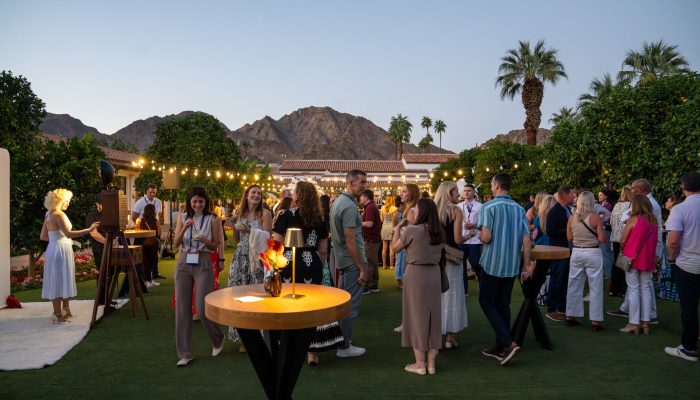
Corporate gatherings that successfully incorporate sustainable strategies often become reference points for industry best practices. Corporate event planners are increasingly integrating sustainability into every aspect of their gatherings, from venue selection to catering and promotional materials. Emphasis on environmental responsibility is reshaping decisions, as organizations aim to reduce waste, lower carbon footprints, and align with broader corporate social responsibility goals. Planners are prioritizing venues with green certifications, sourcing locally produced food to minimize transportation impact, and replacing single-use items with reusable or biodegradable alternatives. Digital tools are also playing a role, helping reduce paper usage and track sustainability metrics. Attendees are becoming more conscious of the environmental impact of events, influencing choices in travel, lodging, and participation. This trend is not just about ethical responsibility; Sustainable event strategies for corporate meetings demonstrate that sustainability is no longer a side consideration but a strategic component of successful corporate gatherings.
Similarly, trends highlighted in industry discussions show sustainability evolving into a mainstream requirement rather than a specialized consideration. Sustainability has moved from being a niche concern to a mainstream requirement in corporate event planning. Companies are adopting innovative approaches such as zero-waste initiatives, eco-friendly transportation arrangements, and energy-efficient lighting and AV solutions to minimize the environmental footprint of their gatherings. Event professionals are increasingly selecting venues with strong environmental policies, utilizing digital registration systems to cut down on paper waste, and offering locally sourced menus that reduce transportation emissions. As a result, sustainable planning is evolving into a comprehensive strategy encompassing procurement, logistics, technology, and post-event evaluation. Trends in sustainable corporate meetings help companies that adopt these approaches meet stakeholder expectations, demonstrate social responsibility, and enhance the overall success of their corporate gatherings.
DEVLINHAIR has supported clients in creating experiences that balance ambitious creative goals with responsible execution. Whether through immersive in-person elements, thoughtful hybrid production, or carefully designed training programs, the focus remains on delivering value that resonates long after the event concludes.
Practical Recommendations for Event Planners
Teams planning upcoming corporate meetings or summits can begin by evaluating their current processes against sustainability criteria. Start with high-impact areas such as venue selection and catering, then expand to technology and materials. Engaging production partners early in the planning process helps identify creative solutions that align with both event objectives and responsibility goals.
Consider how sustainability connects to broader themes of audience engagement and message alignment. When participants experience events that reflect organizational values, they are more likely to connect with the content and carry those insights forward in their roles. This alignment strengthens the overall return on investment for significant gatherings.
Documentation and storytelling around sustainable efforts can extend the impact of events. Sharing lessons learned and successful approaches internally and externally reinforces commitment while providing valuable insights for peers in the industry.
Positioning Sustainability as a Long-term Advantage
As corporate gatherings continue to serve critical functions in communication, learning, and alignment, sustainability will remain an important dimension of successful design. Organizations that approach these considerations strategically position themselves to create more meaningful experiences and demonstrate leadership in responsible business practices.
The most effective sustainable events combine environmental mindfulness with strong creative execution and clear strategic purpose. This integration helps ensure that gatherings not only meet immediate objectives but also contribute to longer-term organizational goals around engagement, innovation, and impact.
Frequently Asked Questions
Why is sustainability becoming important in corporate event planning?
Sustainability has shifted from a nice-to-have to a core element of corporate event strategy because attendees and stakeholders increasingly expect organizations to demonstrate environmental responsibility. Sustainable event practices reinforce corporate social responsibility (CSR) commitments, improve brand perception, and influence key decisions around venue selection, travel, and participation. Organizations that prioritize sustainability also often discover operational efficiencies, such as reduced waste and lower resource costs, that benefit their bottom line.
What are the most effective sustainable practices for corporate meetings and gatherings?
The highest-impact sustainable practices for corporate events include choosing venues with green certifications, sourcing food locally to reduce transportation emissions, and replacing single-use items with reusable or biodegradable alternatives. Digital tools such as electronic registration, mobile agendas, and virtual materials help cut paper waste, while energy-efficient lighting and AV solutions lower overall resource consumption. Coordinating eco-friendly travel and lodging options for attendees rounds out a comprehensive sustainable event strategy.
What business benefits do companies gain from sustainable corporate event design?
Beyond environmental impact, sustainable corporate events deliver measurable business advantages including stronger employee engagement, improved client relationships, and enhanced brand reputation. Companies often find that sustainable planning leads to operational cost savings over time, while also reinforcing key organizational values around responsibility and forward thinking. For leadership summits and training programs in particular, these practices help align the event experience with broader corporate culture and long-term organizational goals.
Disclaimer: The above helpful resources content contains general insights and perspectives for informational purposes only. The information provided is for general knowledge and does not constitute professional advice.
You may also be interested in: TRANSFORMING RECOGNITION INTO REVERENCE
When your most important meeting, launch, summit, or training experience needs to move people, every detail matters. Strategy guides the work. Creativity shapes the story. Precision brings it to life. DEVLINHAIR Production & Learning designs and produces action-driven meetings, live events, and training experiences that move audiences. From our New York City studio, DEVLINHAIR helps organizations bring complex ideas, leadership priorities, and learning moments to life with clarity, purpose, and production precision. Ready to create a hybrid experience your audience can follow, feel, and act on? Let’s talk.
Powered by flareAI.co