When a company brings teams together for a leadership summit, product launch, or training program, the real challenge is creating moments that cut through noise and drive lasting alignment. As attention spans tighten and digital fatigue grows, immersive experiences are emerging as a strategic engagement tool that helps organizations turn passive audiences into active participants who connect more deeply with key messages.
When your most important meeting, launch, summit, or training experience needs to move people, every detail matters. Strategy guides the work. Creativity shapes the story. Precision brings it to life. DEVLINHAIR Production & Learning designs and produces action-driven meetings, live events, and training experiences that move audiences. From our New York City studio, DEVLINHAIR helps organizations bring complex ideas, leadership priorities, and learning moments to life with clarity, purpose, and production precision. Ready to create a hybrid experience your audience can follow, feel, and act on? Let’s talk.
Why Participation Is Replacing Passive Observation
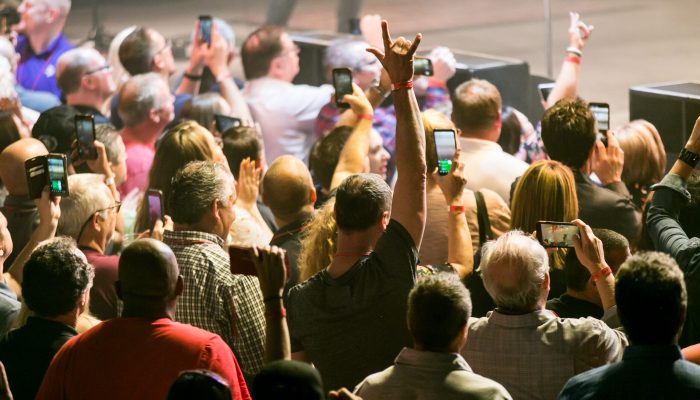
In corporate environments, simply delivering information is no longer enough. Leaders need audiences who understand, internalize, and act on strategic priorities. Immersive brand experiences 2026 are gaining traction because they invite attendees to contribute, collaborate, and shape outcomes rather than simply observe. This shift transforms events from one-way presentations into dynamic environments where participation itself becomes part of the story.
The growing demand for immersive experiences is closely connected to a broader shift toward authentic, participatory engagement. As audiences become saturated with digital content and AI-generated communications, live experiences are gaining strategic importance because they create interactions that feel tangible, human, and difficult to replicate online. According to industry analysis, forward-looking organizations are increasingly prioritizing experiences that invite attendees to contribute, collaborate, and actively shape outcomes rather than simply observe them. future-proof experiential marketing trends highlight how participation itself is becoming part of the story, transforming audiences from spectators into stakeholders.
Forward-looking organizations recognize that audiences saturated with digital content respond more strongly to experiences that feel tangible and human. By designing opportunities for active involvement, companies create stronger emotional connections and behavioral change that extend well beyond the event itself. This approach proves particularly valuable for corporate meetings and training experiences where the goal is genuine alignment and retention.
DEVLINHAIR Production & Learning has seen this evolution in practice through projects that prioritize meaningful interaction over spectacle. When audiences become stakeholders in the experience, they develop deeper ownership of the messages and greater motivation to apply what they’ve learned.
Multi-Layered Design for Memorable Corporate Engagement
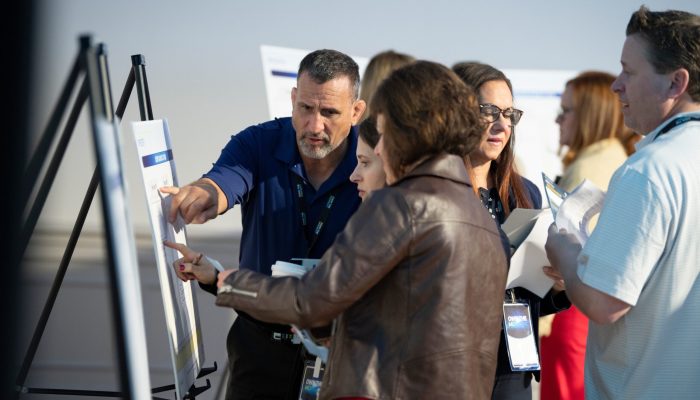
Effective immersive event design blends storytelling, sensory elements, technology, and participation into cohesive environments. Leading activations move beyond static displays to create spaces where attendees can explore, interact, and influence their journey. This includes gamified elements, personalized touchpoints, and physical setups that encourage discovery and sharing.
Immersive experiences are increasingly being designed as multi-layered environments that blend storytelling, sensory design, technology, and audience participation into a single engagement ecosystem. Leading brands are moving beyond static displays and promotional messaging by creating spaces where visitors can actively explore, interact, and influence their own experience. immersive engagement trends from SXSW show how successful activations incorporate memorable visual identities, gamified interactions, mobile integrations, personalized touchpoints, and physical environments that encourage discovery and social sharing.
For corporate event trends, the focus is on accessible technology that enhances rather than complicates participation. NFC-enabled interactions, mobile integrations, and seamless digital-physical transitions help remove barriers while increasing engagement. These tools support longer dwell times, richer insights, and stronger brand recall without overwhelming attendees.
In practice, this means designing hybrid experiences that maintain immersion whether participants join in-person or remotely. Strategic audience engagement emerges when every element serves the larger goal of helping people connect messages to their daily roles and responsibilities.
Connecting Immersive Experiences to Business Outcomes
The strongest immersive experiences link participation directly to measurable results. Organizations are prioritizing designs that combine emotional impact with clear pathways for action. This might mean interactive scenarios that mirror real workplace challenges, collaborative problem-solving sessions, or technology-enabled feedback systems that capture immediate reactions.
For learning and development leaders, immersive formats offer powerful advantages in training experiences. When participants actively engage with content through realistic simulations or hands-on activities, retention and application rates improve. The same principles apply to product launches and leadership summits where the objective is not just awareness but genuine adoption and advocacy.
DEVLINHAIR approaches these opportunities with a disciplined framework. Strategy guides the work. Creativity shapes the story. Precision brings it to life. This method helps organizations design and produce action-driven meetings, live events, and training experiences that move audiences.
Hybrid Capabilities in Immersive Event Design
Hybrid event innovation continues to mature as organizations seek inclusive experiences that work across locations and formats. Immersive design principles translate effectively to hybrid environments when technical and creative elements are thoughtfully integrated. The goal remains consistent: create meaningful participation regardless of how people join.
Successful hybrid programs pay close attention to audience experience across all channels. Interactive corporate events that maintain energy and connection for both in-person and virtual participants require careful production strategy and real-time adaptability. This level of execution helps ensure that key messages land with equal impact everywhere.
Practical examples include events where remote attendees influence live proceedings through integrated polling, shared digital workspaces, or synchronized activities. These capabilities expand reach while preserving the immersive quality that drives engagement.
Practical Considerations for 2026 Planning
Teams planning modern event programs should evaluate several factors when incorporating immersive elements. Start with clear strategic objectives. What specific behaviors or outcomes does the experience need to drive? From there, design participation opportunities that directly support those goals rather than adding technology for its own sake.
Consider audience needs and preferences. Effective experiential marketing strategies account for different comfort levels with technology and varying expectations for interaction. Inclusive design ensures broader participation and stronger overall results.
Budget and resources also matter. High-impact immersive experiences often succeed through smart creative choices rather than unlimited spending. Focus on elements that deliver the highest return in terms of engagement and message retention. DEVLINHAIR Production & Learning specializes in balancing ambition with practical execution across live, hybrid, and learning-driven programs.
From Concept to Memorable Impact
Turning immersive ideas into reality requires close collaboration between strategy, creative, and production teams. The most successful programs maintain a clear narrative thread while allowing room for authentic audience contribution. This balance creates experiences that feel both purposeful and personal.
Measurement plays an important role in refining future efforts. Beyond basic attendance metrics, look for indicators of deeper engagement such as interaction quality, follow-through on action items, and long-term message retention. These insights help demonstrate the strategic value of well-designed immersive experiences.
Organizations that invest thoughtfully in this area are better positioned to create moments that resonate and drive results. Whether for internal alignment or external brand activation, immersive approaches offer powerful tools for standing out in competitive landscapes.
Looking Ahead to Strategic Event Design
As corporate event trends evolve, immersive experiences will likely remain central to effective audience engagement tools. The organizations that thrive will be those that treat these experiences as strategic investments rather than tactical add-ons. This means starting with business objectives, designing for genuine participation, and executing with precision.
DEVLINHAIR brings deep expertise in this space, helping clients create live events, hybrid programs, and training experiences that deliver meaningful results. By focusing on purposeful storytelling and audience-centered design, companies can build stronger connections and drive the outcomes that matter most.
The opportunity is clear for marketing leaders and event strategists ready to elevate their programs. Immersive brand experiences 2026 represent not just a trend but a practical evolution in how organizations communicate, train, and inspire their most important audiences.
Frequently Asked Questions
What are immersive brand experiences and why are they important for corporate events in 2026?
Immersive brand experiences are multi-layered environments that blend storytelling, sensory design, technology, and active audience participation into a single engagement ecosystem. Unlike traditional presentations, they invite attendees to contribute, collaborate, and shape outcomes rather than passively observe. In 2026, they’re gaining strategic importance because audiences saturated with digital and AI-generated content respond more strongly to interactions that feel tangible and human. Organizations that invest in these experiences see stronger emotional connections, better message retention, and more lasting behavioral change.
How do immersive experiences improve employee training and learning outcomes?
Immersive formats give learning and development leaders a powerful advantage by replacing passive instruction with realistic simulations, hands-on activities, and interactive scenarios that mirror real workplace challenges. When participants actively engage with content rather than simply receiving it, both retention rates and on-the-job application improve significantly. This approach is especially effective for leadership summits and training programs where the goal isn’t just awareness but genuine adoption and behavior change. Technology tools like NFC-enabled interactions and mobile integrations can further enhance participation without overwhelming attendees.
What should companies consider when planning hybrid immersive events?
Successful hybrid immersive events require careful production strategy that ensures equal engagement quality for both in-person and remote participants. Key capabilities include integrated polling, shared digital workspaces, and synchronized activities that allow virtual attendees to actively influence live proceedings. Planning should always start with clear strategic objectives identifying the specific behaviors or outcomes the experience needs to drive before selecting technology or creative elements. Inclusive design that accounts for varying comfort levels with technology ensures broader participation and stronger overall results across all attendee groups.
Disclaimer: The above helpful resources content contains general insights and perspectives for informational purposes only. The information provided is for general knowledge and does not constitute professional advice.
You may also be interested in: DEVLINHAIR Production & Learning
When your most important meeting, launch, summit, or training experience needs to move people, every detail matters. Strategy guides the work. Creativity shapes the story. Precision brings it to life. DEVLINHAIR Production & Learning designs and produces action-driven meetings, live events, and training experiences that move audiences. From our New York City studio, DEVLINHAIR helps organizations bring complex ideas, leadership priorities, and learning moments to life with clarity, purpose, and production precision. Ready to create a hybrid experience your audience can follow, feel, and act on? Let’s talk.
Powered by flareAI.co