Pharmaceutical meetings and healthcare events often need to do something more demanding than introduce a message. They must help audiences understand complex science, connect that science to human outcomes, and engage with information in settings where accuracy, credibility, and trust matter deeply.
For pharmaceutical marketers, experiential strategy is most useful when it supports that purpose. A live meeting, congress experience, launch, training program, or hybrid engagement can give healthcare professionals and internal teams clearer ways to explore a message, ask informed questions, and understand why an innovation matters. The opportunity is not simply to create a memorable environment. It is to make important information more accessible, relevant, and actionable.
When your most important meeting, launch, summit, or training experience needs to move people, every detail matters. Strategy guides the work. Creativity shapes the story. Precision brings it to life. DEVLINHAIR Production & Learning designs and produces action-driven meetings, live events, and training experiences that move audiences. From our New York City studio, DEVLINHAIR helps organizations bring complex ideas, leadership priorities, and learning moments to life with clarity, purpose, and production precision. Ready to create a hybrid experience your audience can follow, feel, and act on? Let’s talk.
Experiential Strategy for Complex Healthcare Communication
Pharmaceutical audiences are often engaging with information that carries significant weight. Healthcare professionals may need to evaluate clinical evidence, treatment approaches, patient needs, or new product information. Field teams may need to understand a message well enough to communicate it responsibly and consistently. Leaders may need to align stakeholders around a new priority or an important milestone.
In these settings, a passive presentation is not always enough. Purposeful experiences can help audiences engage with information through guided content, expert discussion, visual explanation, patient-centered perspectives, interactive learning, and carefully designed environments. Each element should support understanding rather than simply attract attention.
This is where experiential strategy can differentiate a pharmaceutical or healthcare program. The distinction does not come from spectacle alone. It comes from designing an experience that respects the complexity of the subject while helping audiences connect the science, the purpose, and the human outcome.
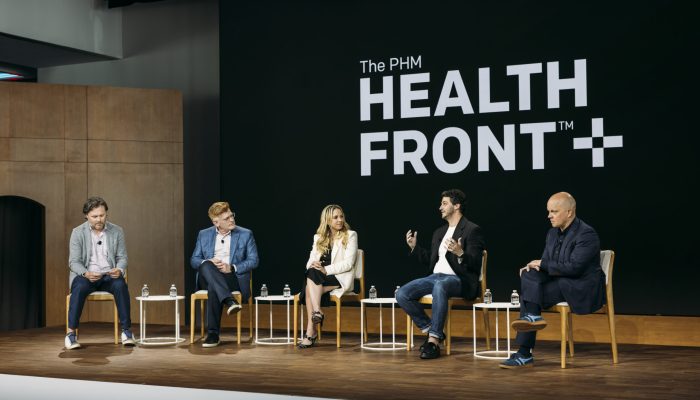
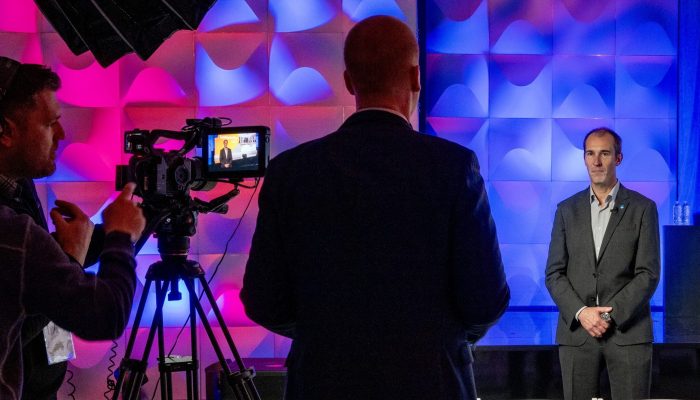
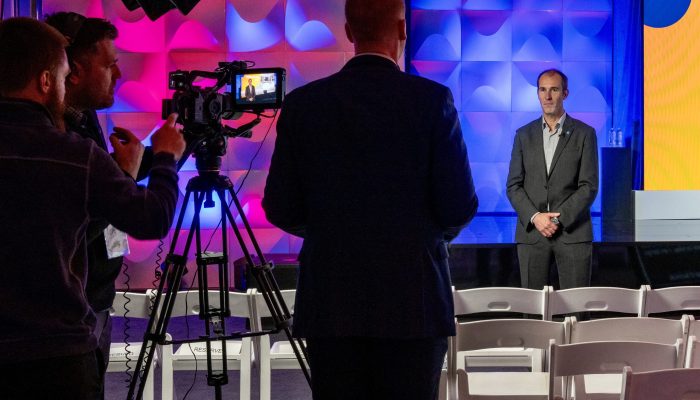
DEVLINHAIR’s work on PHM HealthFront 2024 reflects that kind of audience-centered healthcare engagement, creating a setting designed to support relationship-building and meaningful conversation within healthcare marketing.
Making Scientific and Product Stories Easier to Engage With
Scientific messaging is often dense by necessity. Clinical data, mechanisms of action, treatment pathways, patient experiences, safety information, and product positioning all require careful communication. An experiential environment can help organize that information so audiences are able to encounter it with greater clarity and context.
At a congress or professional event, this may involve interactive displays, structured learning areas, expert-led conversations, digital visualizations, demonstration environments, or content designed around the questions healthcare audiences are most likely to bring. In a product launch or internal meeting, it may involve media, staging, storytelling, and discussion formats that help teams connect an innovation to its broader meaning and application.
Event Marketer’s 2026 B-to-B Dream Team coverage highlights how leading B2B event professionals are using strategy, storytelling, and in-person engagement to create more meaningful brand experiences. For pharmaceutical marketers, the principle is relevant: experiences should help professional audiences understand the message more clearly, whether the focus is education, engagement, a new therapeutic area, or a significant brand moment.
For pharmaceutical marketers, the principle is relevant: experiences should help professional audiences understand the message more clearly. Whether the focus is education, engagement, a new therapeutic area, or a significant brand moment, creative production has the greatest value when it strengthens comprehension and credibility.
Designing Healthcare Experiences Around Audience Needs
Healthcare audiences are not one uniform group. A medical congress attendee, a field sales team member, a patient advocate, an internal leader, and a remote participant may each need a different level of context and a different way to engage. Strong experiential planning starts by defining who the audience is, what they need to understand, and what the experience should help them do afterward.
For external professional audiences, that may mean creating a setting where clinical or product information can be explored through credible conversation and thoughtfully structured content. For internal audiences, it may mean helping teams understand a product narrative, build confidence in their responsibilities, or connect a corporate objective to patient impact.
The environment matters because it influences how people participate. Visual design, content architecture, speaker preparation, technology, facilitated discussion, accessibility, and follow-up resources should all support the intended audience journey. An experience should make it easier to engage with the information, not harder to locate the meaning within it.
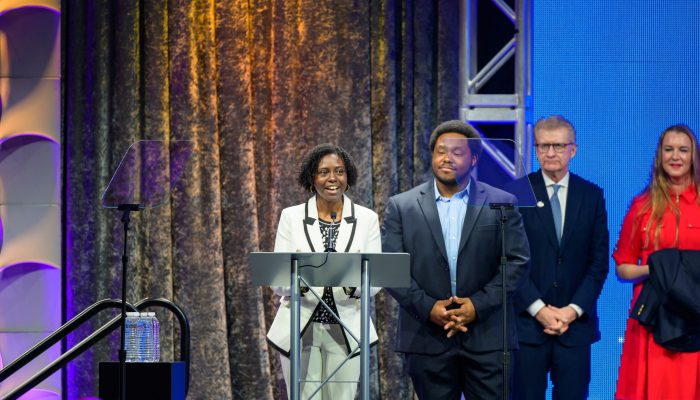
DEVLINHAIR’s Annual Pharma NSM 2024 work connected multimedia content, patient stories, general sessions, breakouts, recognition, and audience participation around a unified national sales meeting experience. For pharmaceutical organizations, that connection between story, learning, and action can be essential when audiences need to carry a message beyond the meeting itself.
Patient-centered Storytelling With Purpose and Care
Patient stories can help healthcare audiences understand why a scientific or organizational message matters. They can create context around treatment challenges, reinforce the reason behind an initiative, and connect professional responsibilities with real human outcomes.
That storytelling requires care. Patient-centered content should be developed with respect, accuracy, appropriate consent, and a clear reason for its inclusion. It should not be used simply to heighten emotion. It should help audiences understand the lived significance of the information being shared.
In a live or hybrid experience, patient perspectives may be incorporated through carefully produced video, moderated conversation, visual storytelling, leadership messaging, or learning content. When integrated thoughtfully, these elements can support empathy while preserving the credibility and purpose expected in healthcare communication.
The strongest experiences bring human perspective and scientific precision together. They help an audience understand both the information and the reason it matters, creating a connection that is more likely to inform future conversation and action.
Live, Hybrid, and Learning-driven Pharma Experiences
Pharmaceutical engagement extends across multiple settings: medical congresses, advisory meetings, product education, facility milestones, leadership meetings, national sales programs, training experiences, and hybrid gatherings. Each format creates different opportunities for connection, but all benefit from intentional design.
Live experiences can create shared attention and meaningful interaction in the room. Hybrid capabilities can make important content and discussion accessible to audiences who cannot participate in person. Learning-driven formats can help audiences move beyond receiving information toward understanding, retaining, and applying it.
For a pharmaceutical organization, these formats are often connected. A launch moment may need to be reinforced through field training. A national meeting may need content resources for later use. A congress presence may need follow-up engagement. A hybrid event may need on-demand materials that make the experience useful after the livestream ends.
Experiential strategy becomes more valuable when it accounts for that larger journey. Rather than treating a meeting or activation as a single endpoint, organizations can plan how the message will be introduced, experienced, reinforced, and carried into future conversations.
Extending Reach Through Hybrid Capabilities
Hybrid capabilities can help pharmaceutical organizations reach distributed stakeholders without reducing the experience to a broadcast. Remote participants need more than access to a camera feed. They need clear content, purposeful navigation, opportunities to contribute, appropriate supporting materials, and a program flow that acknowledges their presence.
In-person audiences may engage through environmental design, facilitated networking, live discussion, demonstrations, or hands-on learning. Remote participants may engage through moderated questions, digital resources, streamed sessions, polling, curated content, and on-demand access. The experiences do not have to be identical, but each should help the audience connect with the same central purpose.
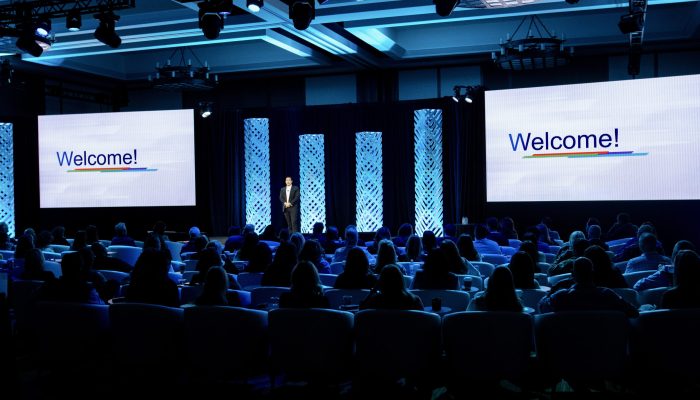
DEVLINHAIR’s work on Aflac Focus Fest demonstrates how live and virtual elements can work together within a connected meeting experience, supporting a large in-person and virtual audience through main stage content, selected breakouts, agenda resources, and extended digital access.
For pharmaceutical marketers, the same planning discipline can support professional education, internal alignment, product communication, and stakeholder engagement. Hybrid capabilities are most effective when they are built around audience needs and communication objectives from the beginning.
Supporting High-stakes Launches and Healthcare Milestones
A new therapy, facility opening, corporate announcement, or significant healthcare milestone can require a message that is both precise and memorable. These moments often bring together leaders, media, healthcare stakeholders, internal teams, and other audiences whose understanding can shape what happens next.
Custom production can help translate a complex milestone into a coherent experience. Content development, staging, media, lighting, sound, speaker support, environmental design, audience flow, and communications planning can work together to clarify the significance of the moment without losing the accuracy the subject demands.
For the Novartis RLT facility opening event, DEVLINHAIR helped shape a pharmaceutical manufacturing milestone into a produced experience centered on innovation and patient impact. The example illustrates how a high-stakes healthcare moment can be communicated through strategy, content, environment, and precise execution.
Experiential differentiation in pharma is therefore not only about creating a distinctive look or format. It is about helping audiences understand a meaningful development in a way that feels credible, human, and aligned with the organization’s purpose.
Planning for Compliance, Credibility, and Measurement
Pharmaceutical experiences require disciplined planning. Creative concepts, content, interactions, recorded material, audience participation, patient perspectives, and follow-up resources may all need appropriate medical, legal, regulatory, privacy, accessibility, and brand review. Those requirements should be considered early, not addressed only after an experience has already been designed.
This does not mean creativity and compliance are in conflict. A clear review process can help teams identify what information needs to be communicated, how audiences can engage appropriately, and which creative approaches can make the message more accessible without compromising accuracy or trust.
Measurement should also reflect the purpose of the experience. Attendance and traffic may provide useful context, but pharmaceutical marketers may also need to consider audience engagement, questions raised, learning completion, resource usage, message comprehension, follow-up activity, or feedback from professional audiences and internal teams.
Event Marketer’s reporting on event measurement strategies reinforces the importance of looking beyond attendance toward how audiences engage with content and what an experience helps enable afterward. For healthcare programs, that approach can help organizations evaluate whether a carefully designed moment supported understanding, confidence, and meaningful next steps.
What Pharma Leaders Should Consider Before Their Next High-stakes Experience
Pharmaceutical marketers planning an experiential program should begin with a focused question: what does the audience need to understand, and why is an experience the right way to help them understand it? From there, teams can define the communication objective, identify the appropriate audience journey, establish review requirements, and determine how the experience should be measured.
The strongest programs bring strategy, creative direction, learning design, production, stakeholder alignment, and follow-up planning together early. They make careful decisions about when interaction helps, when storytelling supports understanding, when hybrid access extends value, and when content should continue after the event.
For pharmaceutical brands, meaningful differentiation rarely comes from being louder than the competition. It comes from communicating complex ideas with greater clarity, purpose, and humanity. When an experience helps audiences understand the science, connect with the human significance, and leave better prepared for what comes next, it has done work that reaches far beyond the event itself.
Frequently Asked Questions
How can experiential strategy support pharmaceutical marketing?
Experiential strategy can support pharmaceutical marketing by creating purposeful live, hybrid, and learning-driven environments where audiences engage with complex information more clearly. Through guided content, expert conversation, visual explanation, patient-centered perspectives, and appropriate interaction, an experience can help healthcare professionals and internal teams understand a message and connect it to meaningful outcomes.
What types of pharmaceutical experiences can benefit from experiential production?
Experiential production can support medical congress environments, product launches, healthcare milestones, advisory meetings, national sales meetings, leadership programs, internal training experiences, patient-centered storytelling, and hybrid programs designed for distributed audiences. The right format depends on the communication objective, audience need, and appropriate compliance and review requirements.
How should pharmaceutical organizations approach compliance in experiential programs?
Pharmaceutical organizations should involve relevant medical, legal, regulatory, privacy, accessibility, and brand stakeholders early in planning so that the message, interaction, content capture, patient perspectives, and follow-up resources are designed responsibly from the beginning. This helps creative production support audience understanding while preserving accuracy, credibility, and trust.
Disclaimer: The above helpful resources content contains general insights and perspectives for informational purposes only. The information provided is for general knowledge and does not constitute professional advice.
You may also be interested in: DEVLINHAIR PHM HealthFront 2024
When your most important meeting, launch, summit, or training experience needs to move people, every detail matters. Strategy guides the work. Creativity shapes the story. Precision brings it to life. DEVLINHAIR Production & Learning designs and produces action-driven meetings, live events, and training experiences that move audiences. From our New York City studio, DEVLINHAIR helps organizations bring complex ideas, leadership priorities, and learning moments to life with clarity, purpose, and production precision. Ready to create a hybrid experience your audience can follow, feel, and act on? Let’s talk.
Powered by flareAI.co