Quick Listen:
When a company brings teams together for corporate training, the goal extends far beyond delivering information. The real challenge lies in ensuring participants truly understand key concepts, connect them to their daily responsibilities, and leave equipped to apply what they’ve learned. Traditional lecture-style sessions often fall short here, resulting in limited retention and minimal behavioral change. Experiential approaches address this gap by transforming training into interactive, memorable journeys that drive stronger outcomes.
When your most important meeting, launch, summit, or training experience needs to move people, every detail matters. Strategy guides the work. Creativity shapes the story. Precision brings it to life. DEVLINHAIR Production & Learning designs and produces action-driven meetings, live events, and training experiences that move audiences. From our New York City studio, DEVLINHAIR helps organizations bring complex ideas, leadership priorities, and learning moments to life with clarity, purpose, and production precision. Ready to create a hybrid experience your audience can follow, feel, and act on? Let’s talk.
Why Experiential Learning Outperforms Traditional Methods
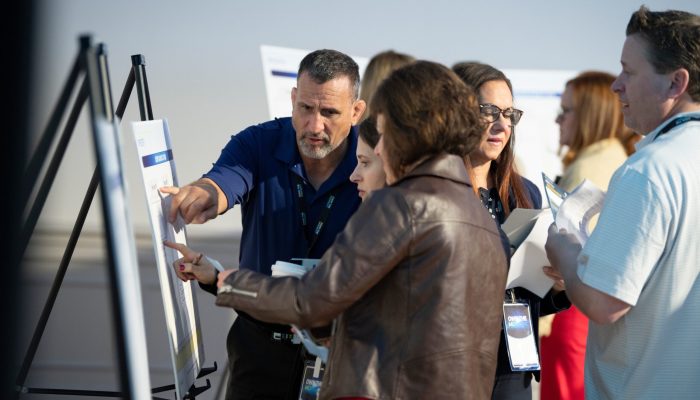
Corporate training leaders increasingly recognize that hands-on, interactive environments produce stronger engagement and more measurable outcomes than passive formats. Rather than sitting through presentations, participants actively explore concepts through workshops, simulations, and real-world scenarios. This shift helps bridge the gap between theory and practice, making abstract ideas tangible and relevant to individual roles.
Experiential learning encourages collaboration and peer-to-peer exchange, allowing professionals to test strategies, share insights, and learn from diverse perspectives. Organizations see improved skill acquisition and better alignment around strategic priorities when training mirrors the complexity of actual work environments. For learning and development teams focused on performance impact, these methods offer a practical way to move beyond completion metrics toward genuine capability building.
In practice, this means designing sessions where participants don’t just hear about new processes they experience them. Whether through role-playing, live demonstrations, or guided problem-solving, experiential formats create the conditions for deeper understanding and longer-term retention.
The Role of Storytelling in Experiential Training
Experiential storytelling has emerged as a powerful element in modern corporate training design. By framing learning objectives within narrative structures and multi-sensory experiences, organizations help participants internalize concepts more effectively. This approach turns training from a one-way information transfer into an engaging journey that resonates emotionally and intellectually.
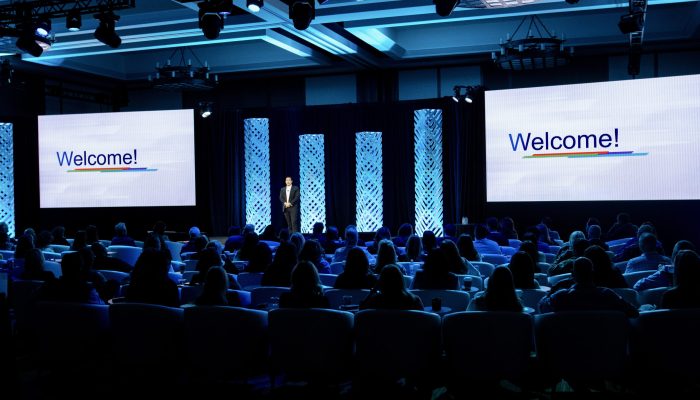
Experiential storytelling has become a cornerstone of modern event design, transforming traditional gatherings into immersive environments where participants actively engage with content rather than passively consume it. By translating brand or organizational messages into multi-sensory, three-dimensional experiences, companies are able to create deeper emotional connections and significantly improve information retention. This approach is particularly relevant for corporate training, where the challenge is not just delivering knowledge but ensuring it is understood, remembered, and applied. When learning is framed as an experience complete with narrative structure, interactive elements, and real-world context participants are more likely to internalize key concepts and relate them to their daily responsibilities. Experiential storytelling in events also allows organizations to align learning objectives with broader business goals, ensuring that every activity reinforces strategic priorities. The emphasis on measurement further strengthens this approach, as organizations can track engagement levels, behavioral changes, and outcomes tied to the experience. Ultimately, experiential storytelling shifts training from a transactional process to a transformative one, enabling companies to create meaningful, memorable learning journeys that drive both individual performance and organizational success.
The result is training that participants remember and apply. Organizations that incorporate storytelling report higher engagement levels and more successful transfer of knowledge to real-world performance. It shifts the focus from checking boxes to creating transformative learning experiences that support broader business goals.
Hybrid Capabilities Enhance Accessibility and Impact
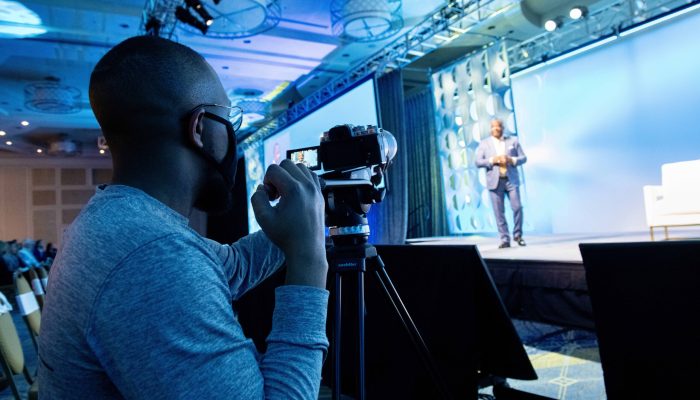
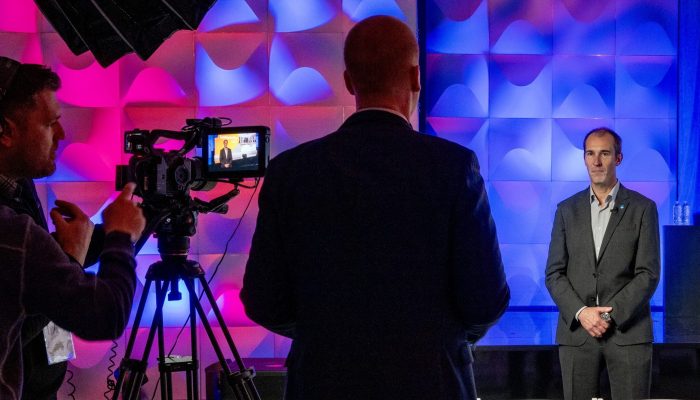
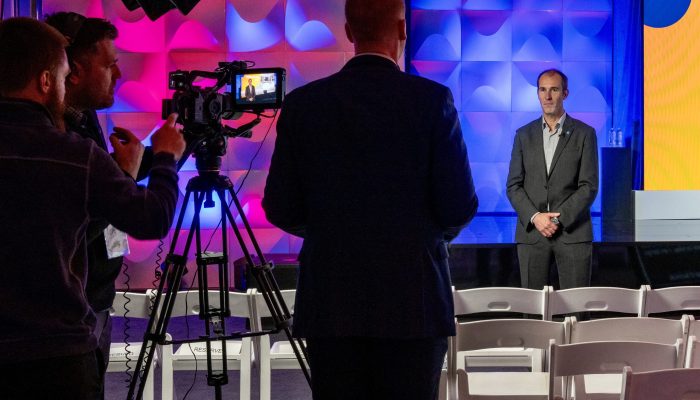
Effective training today often blends in-person and virtual elements to accommodate distributed teams. Hybrid capabilities allow organizations to deliver consistent experiential learning regardless of location while maintaining the interactive quality that drives results. Participants can engage meaningfully whether attending live or joining remotely, expanding reach without sacrificing depth.
Well-designed hybrid experiences incorporate technology thoughtfully to support interaction, group activities, and real-time feedback. This approach helps maintain the human connection essential to experiential learning while offering flexibility that modern workforces demand. For training programs spanning multiple locations or time zones, hybrid design ensures equitable participation and stronger overall outcomes.
DEVLINHAIR’s Approach to Action-driven Training Experiences
For DEVLINHAIR Production & Learning, effective experience design starts with a clear strategic foundation. Strategy guides the work. Creativity shapes the story. Precision brings it to life. That approach helps organizations design and produce action-driven meetings, live events, and training experiences that move audiences.
DEVLINHAIR applies this philosophy to corporate training by focusing on purposeful, immersive formats that align with specific learning objectives. Whether supporting leadership summits, sales enablement programs, or technical training initiatives, the emphasis remains on creating environments where participants actively engage with content and each other. This method supports both knowledge retention and practical application back on the job.
Real-world Applications Making an Impact
Organizations implementing experiential approaches in training see tangible benefits in team alignment, skill development, and performance improvement. Interactive formats allow participants to practice new behaviors in safe settings, receive immediate feedback, and build confidence before applying changes in their roles.
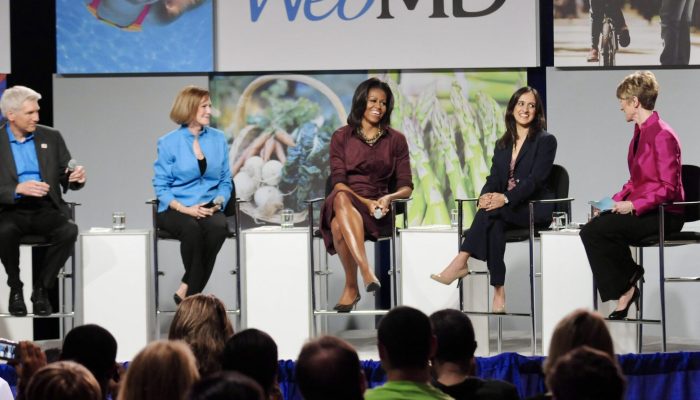
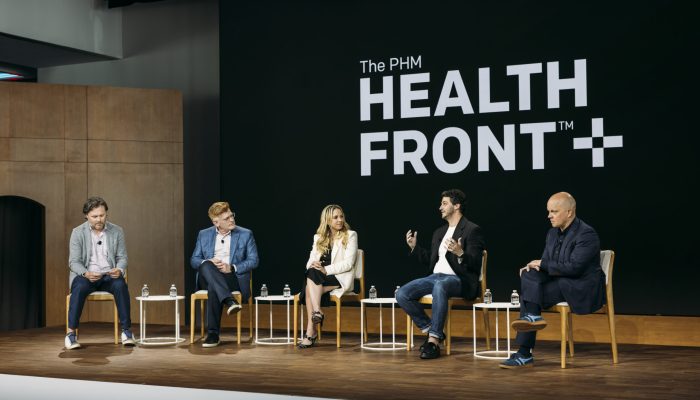
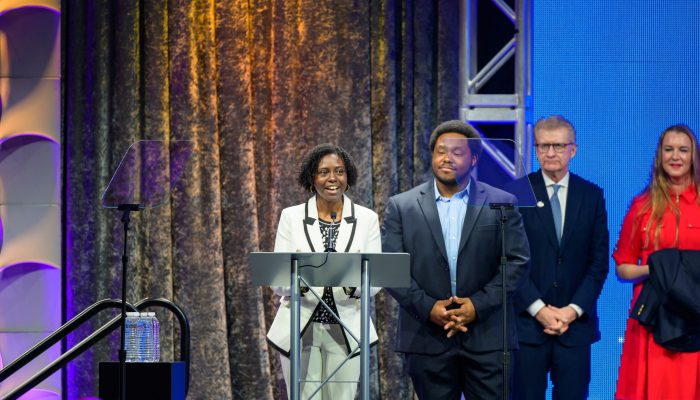
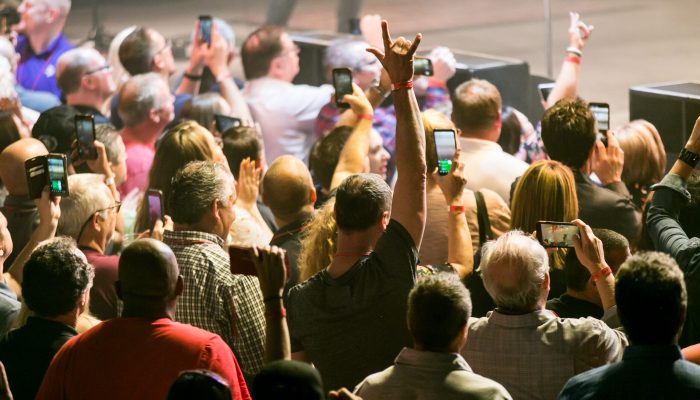
Experiential learning continues to gain traction as organizations recognize that hands-on, interactive environments produce stronger engagement and more measurable outcomes than traditional lecture-based approaches. Industry leaders are increasingly turning to live experiences, workshops, and immersive sessions to share knowledge, demonstrate best practices, and encourage peer-to-peer learning. These formats allow participants to move beyond theory and actively explore how strategies work in real-world scenarios, which is particularly valuable in corporate training contexts. By bringing together professionals from diverse industries, experiential programs foster collaboration, idea exchange, and exposure to innovative thinking that might not emerge in isolated training settings. The inclusion of case studies, live demonstrations, and interactive discussions ensures that learning is grounded in practical application, helping attendees immediately translate insights into action within their own organizations. Experiential marketing best practices and training insights also supports continuous learning, as participants build networks and gain access to evolving industry knowledge that extends beyond a single session. For companies investing in employee development, experiential training environments provide a powerful way to accelerate skill acquisition, improve retention, and align teams around shared goals, ultimately leading to more effective performance and stronger business outcomes.
Case studies from event and training leaders demonstrate how purposeful design creates memorable moments that reinforce key messages. For instance, incorporating elements from successful programs like those featured in industry discussions helps organizations refine their own approaches to drive better results in product launches, change initiatives, and professional development.
Practical Considerations for Implementation
Leaders planning experiential training programs should begin with clear objectives tied to business outcomes. What specific behaviors or capabilities should participants develop? How will success be measured beyond attendance? Answering these questions early guides design decisions and ensures alignment across stakeholders.
Effective implementation also involves thoughtful technology choices that enhance rather than distract from the learning experience. The goal is seamless interaction that supports engagement whether in-person, virtual, or hybrid. Testing formats with small groups can help identify what resonates most with the target audience before full-scale rollout.
DEVLINHAIR recommends focusing on audience needs and strategic priorities throughout the design process. By prioritizing interaction, relevance, and measurable application, training programs become powerful drivers of organizational performance rather than obligatory events.
The Evolution of Corporate Training
As organizations continue refining their approach to employee development, experiential methods offer a proven path to stronger engagement and better results. The most successful programs will combine strategic insight with creative execution and precise production to create learning experiences that truly move participants to action.
Training leaders who embrace these approaches position their organizations for improved performance, stronger team alignment, and more effective implementation of strategic initiatives. The focus remains on designing experiences that don’t just inform but transform how people work and collaborate.
By partnering with specialists who understand both the art and science of experiential training, companies can create programs that deliver lasting value. DEVLINHAIR Production & Learning continues to support organizations in developing these high-impact experiences that align teams, accelerate learning, and drive meaningful business outcomes.
Frequently Asked Questions
Why is experiential learning more effective than traditional corporate training methods?
Experiential learning outperforms lecture-based training because it actively engages participants through workshops, simulations, role-playing, and real-world scenarios rather than passive listening. This hands-on approach bridges the gap between theory and practice, making concepts tangible and directly relevant to participant’s roles. Organizations report stronger skill acquisition, higher knowledge retention, and better team alignment when training mirrors the complexity of actual work environments.
How does storytelling improve corporate training outcomes?
Experiential storytelling frames learning objectives within narrative structures and multi-sensory experiences, helping participants internalize concepts more effectively than information transfer alone. By transforming training into an emotionally and intellectually engaging journey, organizations create deeper connections between content and daily responsibilities. Companies that incorporate storytelling into training report higher engagement levels, improved knowledge retention, and more successful transfer of skills to real-world performance.
What should organizations consider when implementing a hybrid corporate training program?
Hybrid training programs should blend in-person and virtual elements thoughtfully to deliver consistent, interactive learning experiences regardless of participant location. Key considerations include choosing technology that supports real-time interaction and group activities without distracting from the learning experience, and piloting formats with small groups before full rollout. When well-designed, hybrid programs ensure equitable participation across distributed teams while maintaining the human connection that drives meaningful results.
Disclaimer: The above helpful resources content contains general insights and perspectives for informational purposes only. The information provided is for general knowledge and does not constitute professional advice.
You may also be interested in: SPARKING RELATIONSHIPS IN HEALTHCARE MARKETING
When your most important meeting, launch, summit, or training experience needs to move people, every detail matters. Strategy guides the work. Creativity shapes the story. Precision brings it to life. DEVLINHAIR Production & Learning designs and produces action-driven meetings, live events, and training experiences that move audiences. From our New York City studio, DEVLINHAIR helps organizations bring complex ideas, leadership priorities, and learning moments to life with clarity, purpose, and production precision. Ready to create a hybrid experience your audience can follow, feel, and act on? Let’s talk.
Powered by flareAI.co