When organizations invest in a corporate meeting, product launch, leadership summit, or training experience, the goal is rarely limited to delivering information. The challenge is creating an environment where audiences understand the message, connect it to their role, and remember what matters after the event ends. This is where the difference between creative event design and standard production becomes clear. While production provides the technical foundation needed to execute an experience successfully, creative event design considers how every element contributes to the audience journey, from the first interaction to the final takeaway.
When your most important meeting, launch, summit, or training experience needs to move people, every detail matters. Strategy guides the work. Creativity shapes the story. Precision brings it to life. DEVLINHAIR Production & Learning designs and produces action-driven meetings, live events, and training experiences that move audiences. From our New York City studio, DEVLINHAIR helps organizations bring complex ideas, leadership priorities, and learning moments to life with clarity, purpose, and production precision. Ready to create a hybrid experience your audience can follow, feel, and act on? Let’s talk.
What Is Creative Event Design?
Creative event design is the process of shaping an experience around a strategic purpose rather than simply arranging the components required to deliver a program. It looks beyond schedules, staging, and technical requirements to consider how people move through a space, how information is introduced, and how the environment supports the intended message.
A standard production approach often focuses on reliable execution. That includes managing sound, lighting, video, staging, timing, and logistics so that an event runs smoothly. Those elements remain essential, but creative event design adds another layer: intentional experience planning.
The difference between event design and production is not that one replaces the other. Strong experiences require both. Production creates the technical structure that allows an idea to come to life, while design determines how that structure supports audience engagement and communication goals.
For corporate audiences, this distinction matters because meetings and events often serve important business purposes. A leadership event may need to align teams around a strategic priority. A training experience may need to improve understanding and retention. A product launch may need to help audiences see the value of a new solution. Creative design connects the event format with those outcomes.
Why Standard Production Alone May Not Create Meaningful Engagement
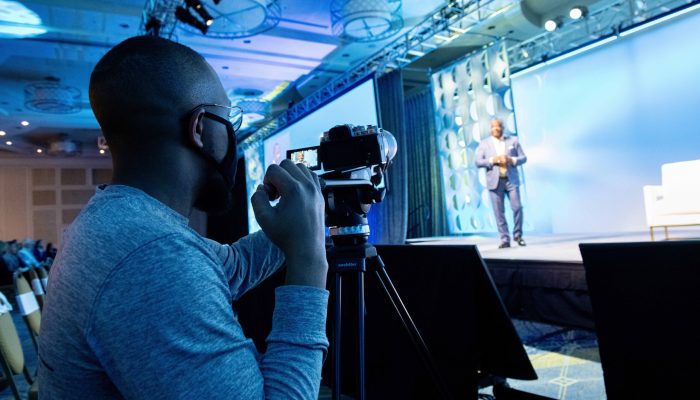
Standard event production is built around execution, and execution is critical. A technically flawless event can still fall short if the experience does not help audiences connect with the content. A presentation can be clear, a stage can be impressive, and a program can run on time while still feeling disconnected from the people attending.
The limitation of a production-only mindset is that it often treats the audience as viewers rather than participants. Creative event design asks different questions: What should attendees understand? What should they feel? What actions should they be prepared to take after the experience?
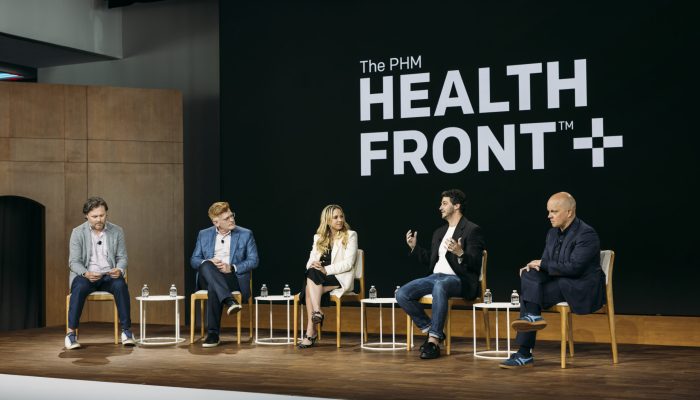
These questions influence decisions throughout the process. Room layouts, visual storytelling, interactive moments, technology choices, and content flow all become part of a larger communication strategy. Instead of adding features simply because they are available, creative design evaluates whether each element supports the purpose of the event.
This approach is especially important for organizations managing complex messages. When leaders need to introduce change, communicate priorities, or train teams, the experience surrounding the message can influence how effectively that message is received.
How Creative Event Design Strategies Shape the Audience Experience
Creative event design strategies begin with understanding the audience journey. Rather than starting with production requirements alone, teams consider how attendees will encounter the experience from arrival through completion.
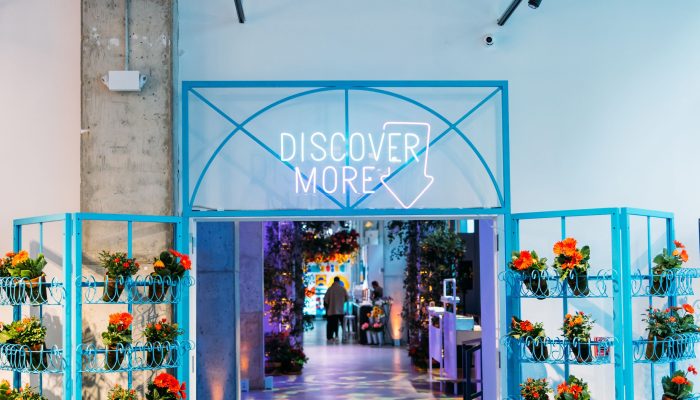
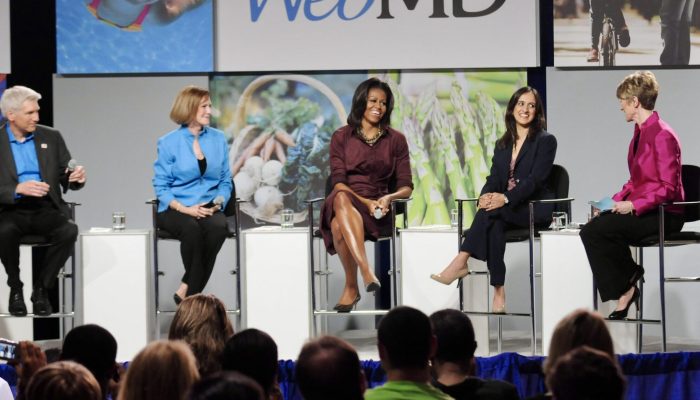
Interactive meeting design is one example of how events can move beyond traditional formats. Industry examples show how corporate gatherings are increasingly incorporating participation, discovery, and engagement into the experience rather than relying only on presentations. Interactive meeting design can help create environments where attendees explore ideas, connect with content, and participate more actively.
Audience engagement does not always require complex technology. It can come from thoughtful sequencing, intentional content delivery, meaningful discussion opportunities, and environments designed around how people learn and interact.
For corporate event teams, this means shifting from asking, “How do we produce this program?” to asking, “How do we design an experience that supports the objective?” That change in perspective can influence everything from creative direction to production decisions.
Where Production Technology Supports Creative Storytelling
Technology plays an important role in creative event design, but it is most effective when it serves the message rather than becoming the focus itself. Audio, visual elements, lighting, motion graphics, and other production tools can strengthen storytelling when they are integrated into the overall experience strategy.
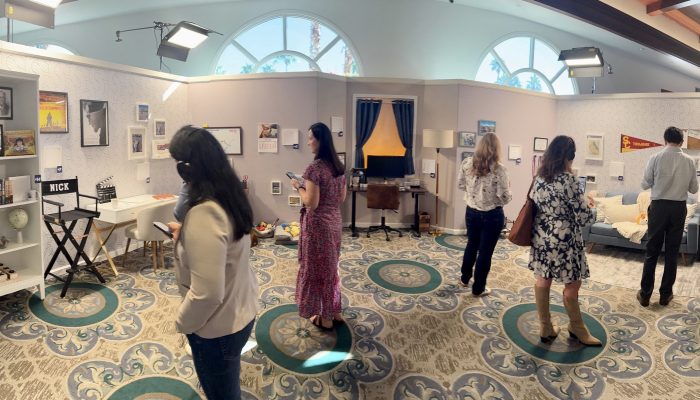
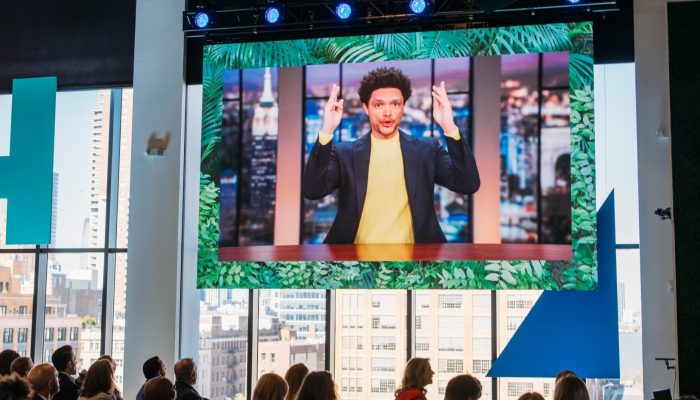
Creative audiovisual design demonstrates how technical elements can contribute to audience perception and engagement. Event industry examples show that lighting, visual effects, and environmental design can help transform a space into an experience that reinforces the purpose of the gathering. Creative audiovisual design can support stronger communication by helping audiences connect emotionally and visually with the content being presented.
The key difference is intentionality. Standard production may focus on whether a technical element works. Creative design considers why that element exists and how it supports the larger story.
For example, a product launch may use visuals to clarify a complex concept. A training program may use production elements to maintain attention and improve understanding. A leadership meeting may use environmental design to reinforce organizational priorities. In each case, technology becomes part of the communication strategy.
Applying Experiential Event Design Principles to Corporate Programs
Experiential event design principles are particularly valuable for organizations that need audiences to do more than receive information. Meetings, launches, and training experiences often require participants to understand ideas, build confidence, and leave with a clear sense of direction.
A creative approach considers the relationship between content and experience. A message presented on a screen may communicate information, but an intentionally designed environment can help people understand why that information matters.
For DEVLINHAIR Production & Learning, effective experience design starts with a clear strategic foundation. We design and produce action-driven meetings, live events, and training experiences that move audiences.
This approach reflects the difference between creating an event that simply happens and creating one that supports a measurable purpose. Whether the focus is audience engagement, learning strategy, or production execution, the experience should be designed around what participants need to understand and accomplish.
Creative event design also requires collaboration between disciplines. Production teams, creative professionals, communication leaders, and learning teams need to align early so that the final experience feels cohesive. When each element supports the same objective, the result is a stronger connection between the organization’s message and the audience’s experience.
Choosing Between Event Design and Event Production Approaches
The question is not whether organizations should choose event design or event production. The strongest programs combine both. Production provides the expertise needed to deliver a reliable experience, while creative design ensures that the experience serves a larger purpose.
- Business objective: What should audiences understand, remember, or do after the event?
- Audience needs: Does the experience support participation, learning, and meaningful connection?
- Message clarity: Do the creative and production choices reinforce the central story?
- Execution strategy: Are technical decisions aligned with the intended outcome?
These considerations help prevent events from becoming collections of disconnected elements. A stage, presentation, video, or interactive feature has greater value when each piece contributes to the overall experience.
For organizations comparing creative event design vs standard production, the distinction comes down to purpose. Standard production answers how an event will happen. Creative event design answers why each part of the experience matters.
Building More Intentional Corporate Experiences
Corporate audiences are exposed to information constantly, making clarity and connection increasingly important in meetings, training programs, and live events. A well-designed experience helps organizations communicate more effectively by creating alignment between message, environment, and audience action.
The most effective experiences are not defined only by visual impact or technical complexity. They are defined by how successfully they help people engage with an idea. Creative design provides the framework for making those connections intentional.
For teams planning their next meeting, launch, or training experience, the opportunity is to look beyond production requirements and consider the complete audience journey. By combining strategic thinking, creative storytelling, and precise execution, organizations can create experiences that support stronger communication and more meaningful engagement.
Frequently Asked Questions
What is creative event design and how is it different from standard event production?
Creative event design focuses on shaping the audience experience around a strategic purpose, while standard event production primarily focuses on technical execution and logistics. The difference between event design and production is that creative design considers how storytelling, environment, and engagement elements help audiences connect with the message.
How does creative event design improve engagement for corporate meetings and live events?
Creative event design improves audience engagement by creating experiences that encourage participation, connection, and deeper understanding of the content. For corporate meetings, product launches, and training experiences, thoughtful design helps align the environment, messaging, and production elements with the intended business goals.
Why should organizations combine event production with experiential event design strategies?
Organizations should combine event production with experiential event design strategies because successful programs need both reliable execution and purposeful audience experiences. Production provides the technical foundation, while creative design helps ensure that meetings, hybrid events, and learning experiences support stronger communication and meaningful outcomes.
Disclaimer: The above helpful resources content contains general insights and perspectives for informational purposes only. The information provided is for general knowledge and does not constitute professional advice.
You may also be interested in: How Production Teams Help Leaders Deliver Clearer Messages
When your most important meeting, launch, summit, or training experience needs to move people, every detail matters. Strategy guides the work. Creativity shapes the story. Precision brings it to life. DEVLINHAIR Production & Learning designs and produces action-driven meetings, live events, and training experiences that move audiences. From our New York City studio, DEVLINHAIR helps organizations bring complex ideas, leadership priorities, and learning moments to life with clarity, purpose, and production precision. Ready to create a hybrid experience your audience can follow, feel, and act on? Let’s talk.
Powered by flareAI.co