Choosing a corporate meeting format is not simply a decision between in-person, virtual, or hybrid delivery. The right format depends on what the organization needs the experience to accomplish. A leadership summit designed to align teams around strategy requires different choices than a product launch focused on creating excitement, or a training experience focused on knowledge retention and behavior change. Comparing corporate meeting formats starts with understanding the business goal, the audience, and the type of interaction required to create a meaningful outcome.
When your most important meeting, launch, summit, or training experience needs to move people, every detail matters. Strategy guides the work. Creativity shapes the story. Precision brings it to life. DEVLINHAIR Production & Learning designs and produces action-driven meetings, live events, and training experiences that move audiences. From our New York City studio, DEVLINHAIR helps organizations bring complex ideas, leadership priorities, and learning moments to life with clarity, purpose, and production precision. Ready to create a hybrid experience your audience can follow, feel, and act on? Let’s talk.
Start with the Business Goal, Not the Meeting Format
Many meeting decisions begin with logistics: location, technology, attendance numbers, or production requirements. While these factors matter, the most effective planning process begins with a more fundamental question: What should participants understand, feel, or do after the experience?
A corporate meeting format should support the intended outcome. If the goal is relationship building, a format that prioritizes face-to-face interaction may create stronger opportunities for conversation and collaboration. If the goal is broad information sharing, a virtual or hybrid approach may help more participants access the content. If the goal is organizational alignment, the experience may require a combination of storytelling, engagement, and structured interaction.
This goal-first approach helps organizations avoid selecting a format because it is familiar or popular. Instead, leaders can evaluate each option based on how effectively it supports communication, learning, engagement, and decision-making.
For teams comparing business meeting formats, the most important consideration is not which format appears most advanced. The better question is which format creates the conditions needed for the audience to connect with the message and take action afterward.
Compare Corporate Meeting Formats by Audience Experience
When organizations compare corporate meeting formats, audience experience should be a central factor. Each format creates different opportunities for interaction, attention, participation, and connection.
In-person Meetings for Connection and Collaboration
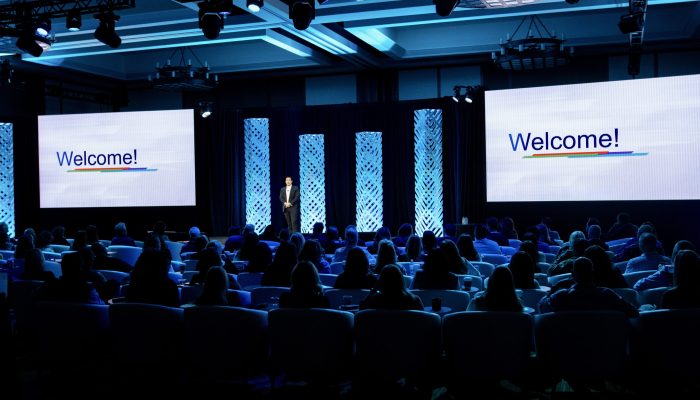
In-person meetings remain valuable when personal connection, collaboration, and relationship building are priorities. Bringing people together in the same physical environment can create opportunities for informal conversations, networking, and shared experiences that are difficult to replicate through a screen.
Leadership meetings, executive gatherings, sales meetings, and milestone events often benefit from the energy and focus created by a dedicated physical experience. However, in-person does not automatically guarantee engagement. Strong content design, clear messaging, and thoughtful production choices are still essential to ensuring that attendees understand why the gathering matters.
Virtual Meetings for Access and Flexibility
Virtual meetings can support organizations that need efficient communication across distributed teams, shorter learning sessions, or broader access to information. They can remove travel barriers and make it easier for participants to join from different locations.
The challenge is designing virtual experiences that maintain attention and encourage participation. Effective virtual meetings require more than placing an in-person presentation on a digital platform. They need intentional pacing, audience interaction, content structure, and production planning that recognize the needs of remote participants.
Hybrid Meetings for Expanded Participation
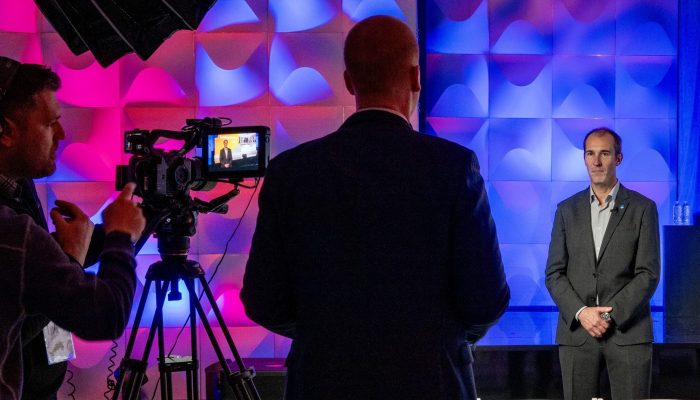
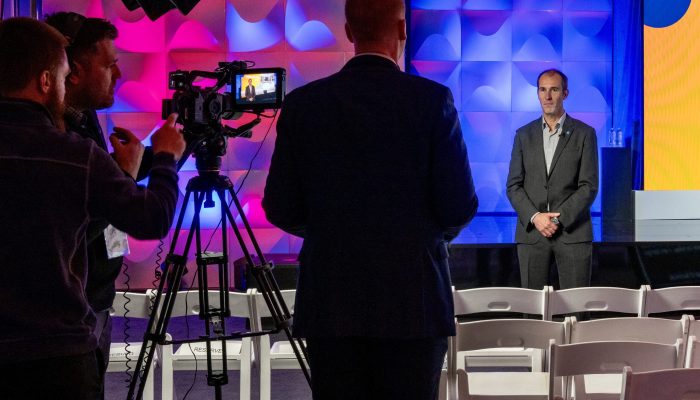
Hybrid meetings combine physical and digital participation, but successful hybrid experiences require more than adding a livestream. The format should be designed around how both audiences engage with the content.
Hybrid meeting options can range from simple broadcasts to more interactive experiences that connect in-person and remote audiences through shared content, networking opportunities, and participation tools. The right approach depends on objectives, audience expectations, and the level of engagement the organization wants to create.
Evaluate Format Choices Through Engagement and Measurement
A meeting format should also be evaluated by how effectively it supports measurement. Attendance alone does not show whether an experience achieved its purpose. Organizations increasingly need to understand how audiences interact with content, what creates value, and where future programs can improve.
Event measurement insights highlight the importance of using feedback, engagement data, and audience behavior to understand whether an experience supports business goals. This perspective allows teams to compare formats based on outcomes rather than assumptions.
For example, a training experience may require measurement of knowledge retention and participant confidence. A sales meeting may focus on alignment, motivation, and readiness. A product launch may prioritize message clarity and audience response. The strongest format is the one that provides the right environment for achieving and evaluating those objectives.
This approach also helps teams make more informed decisions about future investments. Instead of asking whether a meeting was successful because it happened, organizations can ask whether the experience helped move a business priority forward.
Consider Content Design and Production Requirements
The format decision is closely connected to how content will be created, delivered, and experienced. A meeting is not only a gathering of people; it is an opportunity to guide attention, communicate priorities, and create shared understanding.
For DEVLINHAIR Production & Learning, effective experience design starts with a clear strategic foundation. We design and produce action-driven meetings, live events, and training experiences that move audiences.
This approach is especially important when comparing formats because each environment requires different production decisions. A live event may depend on stage design, storytelling, and room dynamics. A virtual experience may require stronger digital engagement and broadcast planning. A hybrid program must consider how remote and in-person participants receive the same message while still feeling included.
Strong production strategy helps ensure that the format supports the purpose of the meeting rather than becoming the focus itself. The technology, staging, and delivery approach should reinforce the message and make it easier for audiences to connect with the experience.
Match the Format to the Type of Corporate Meeting
Different types of corporate meetings often require different approaches. Understanding the purpose of the gathering can help leaders narrow their options and avoid applying the same format to every situation.
- Leadership meetings: These often require alignment, strategic discussion, and opportunities for meaningful interaction.
- Training experiences: These benefit from formats that support learning, participation, and retention.
- Product launches: These require clear storytelling, audience engagement, and a memorable presentation of key messages.
- Sales meetings: These may focus on motivation, communication, and preparing teams to execute business priorities.
- Company-wide meetings: These often require broad accessibility while maintaining connection and engagement.
Understanding these differences helps organizations make more thoughtful decisions when exploring types of corporate meetings. The best choice depends on what participants need from the experience, not simply what format is easiest to deliver.
Build a Corporate Meeting Planning Strategy Around Purpose
A strong corporate meeting planning strategy brings together business objectives, audience needs, content design, and production considerations. Rather than treating format selection as an isolated logistical decision, organizations can view it as part of a broader experience strategy.
- What action should participants take after the meeting?
- How much interaction does the audience need?
- Does the experience require relationship building, education, alignment, or inspiration?
- Which participants need to be physically present, and who benefits from remote access?
- How will success be measured after the experience?
These questions help create a clearer path when choosing the right meeting format. They also help teams design experiences that are intentional rather than reactive.
After the rapid rise of hybrid events in recent years, the conversation has shifted from whether hybrid belongs in the corporate event mix to how organizations can design hybrid experiences effectively. The strongest programs are those that understand audience expectations and create a meaningful experience for every participant. Comparing corporate meeting formats is ultimately about aligning the structure of the experience with the outcome the organization wants to achieve. In-person, virtual, and hybrid approaches can all be effective when they are selected with purpose. By focusing on business goals, audience engagement, and thoughtful production strategy, organizations can create meetings that do more than deliver information; they can help people understand, connect, and act.
Frequently Asked Questions
How do you choose the right corporate meeting format for business goals?
The right corporate meeting format depends on the outcome an organization wants to achieve, such as improving alignment, supporting training, strengthening relationships, or communicating key messages. Leaders should evaluate audience needs, engagement requirements, and measurement goals before selecting an in-person, virtual, or hybrid approach.
What are the differences between in-person, virtual, and hybrid meetings?
In-person meetings are often effective for collaboration, relationship building, and shared experiences, while virtual meetings can provide flexibility and broader access. Hybrid meetings combine both approaches but require intentional hybrid production, content design, and audience engagement strategies to create a strong experience for all participants.
How can organizations measure the success of different corporate meeting formats?
Organizations can measure corporate meeting success by evaluating engagement, audience feedback, learning outcomes, and progress toward business objectives. Using measurement insights helps teams compare meeting formats based on results rather than attendance alone and supports better decisions for future meetings, training experiences, and events.
Disclaimer: The above helpful resources content contains general insights and perspectives for informational purposes only. The information provided is for general knowledge and does not constitute professional advice.
You may also be interested in: Why Learning Programs Benefit From Professional Event Production
When your most important meeting, launch, summit, or training experience needs to move people, every detail matters. Strategy guides the work. Creativity shapes the story. Precision brings it to life. DEVLINHAIR Production & Learning designs and produces action-driven meetings, live events, and training experiences that move audiences. From our New York City studio, DEVLINHAIR helps organizations bring complex ideas, leadership priorities, and learning moments to life with clarity, purpose, and production precision. Ready to create a hybrid experience your audience can follow, feel, and act on? Let’s talk.
Powered by flareAI.co