Quick Listen:
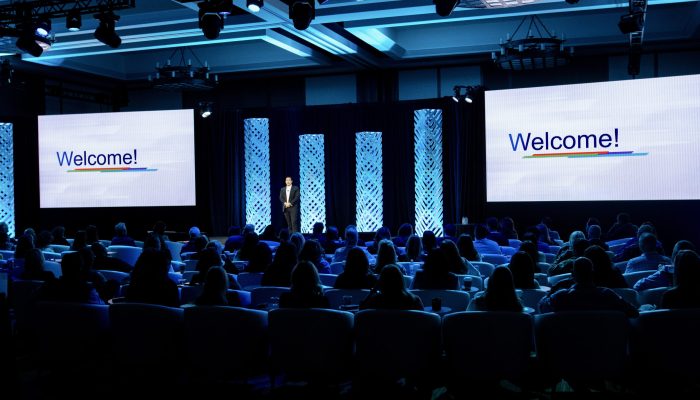
When a company brings people together for a leadership summit, training program, or product launch, the goal is rarely just to share information. The real challenge is helping people understand the message, connect it to their role, and leave ready to act. High-profile meetings sit at the center of this process for corporate leadership teams across the United States. They create space for strategic alignment, but only if the design and execution align with the organization’s priorities.
Insights from major C-suite event design strategies, including those highlighted in 6 ways to convince the C-suite to host a meeting or event, emphasize that decision-makers respond most strongly to clear objectives tied directly to business priorities, such as talent integration, sales generation, or cross-team alignment. The approach also highlights the importance of presenting evidence from past events, including measurable gains in productivity or revenue impact, rather than relying on abstract promises. Equally important is reinforcing the value of in-person interaction, where spontaneous collaboration and informal conversations often produce breakthroughs that virtual environments struggle to replicate. By pairing these elements with transparent budgeting and flexible planning options, leaders can reframe meetings as strategic investments that deliver measurable organizational outcomes rather than discretionary spending.
When your most important meeting, launch, summit, or training experience needs to move people, every detail matters. Strategy guides the work. Creativity shapes the story. Precision brings it to life. DEVLINHAIR Production & Learning designs and produces action-driven meetings, live events, and training experiences that move audiences. From our New York City studio, DEVLINHAIR helps organizations bring complex ideas, leadership priorities, and learning moments to life with clarity, purpose, and production precision. Ready to create a hybrid experience your audience can follow, feel, and act on? Let’s talk.
Aligning the Meeting Agenda with Core Business Objectives
The opening session of any high-profile meeting must answer one question: What problem are we solving today? Leaders who begin with crystal-clear objectives see better alignment and stronger follow-through. Present the agenda as a direct tie to company priorities such as integrating new talent, generating sales leads, or advancing a strategic initiative and the executive team is far more likely to approve.
Executives often hesitate to approve high-profile meetings due to tight budgets and skepticism about the value of face-to-face gatherings in a hybrid world. Yet the return on investment goes far beyond logistics, delivering the spontaneous connections that drive innovation, talent retention, and measurable business outcomes. Planners can build a compelling case by starting with crystal-clear objectives that tie directly to company priorities, such as integrating new talent or generating sales leads. Presenting data from prior events, including sales closed or team productivity gains, gives executives tangible proof of impact rather than abstract appeals.
Highlighting the irreplaceable human element is equally powerful; in-person interactions spark ideas that virtual formats simply cannot replicate, as evidenced by the energy and creativity generated when leaders collaborate side by side. Secure a detailed cost breakdown upfront and prepare flexible options that address concerns about budget or format, ensuring every proposal shows respect for executive time. By aligning the meeting strategy with broader organizational goals and demonstrating measurable returns, teams can shift perceptions and secure the green light for events that strengthen relationships, accelerate decision-making, and create lasting competitive advantages. This approach not only overcomes initial resistance but positions high-profile meetings as essential strategic tools rather than discretionary expenses.
Building a Compelling Case with Proven Data and Past Success
Data from previous events provides the most persuasive argument. When leaders can see how past meetings contributed to sales closed or team productivity gains, abstract appeals lose their appeal. Recapping prior programs and highlighting fresh concepts that achieve the same business goals turns skepticism into support.
The decision to approve a high-profile meeting often depends on how clearly leaders can connect the experience to measurable business outcomes. Executives are frequently skeptical about the value of in-person gatherings in a hybrid work environment, especially when budgets are tight and priorities are competing. However, strong proposals address this hesitation by anchoring the meeting in specific objectives such as talent integration, sales generation, or cross-team alignment. They also strengthen the case by presenting concrete evidence from past events, including performance improvements, productivity gains, or revenue impact.
Just as importantly, they highlight the irreplaceable value of in-person interaction, where spontaneous collaboration and informal conversations often lead to breakthroughs that virtual formats cannot replicate. By pairing clear objectives with data-backed results and a compelling human narrative, planners can shift executive perception from cost-focused to outcome-focused. This approach helps position meetings not as discretionary expenses but as strategic tools that directly support organizational growth and alignment.
Choosing the Right Venue and Design to Inspire Connection
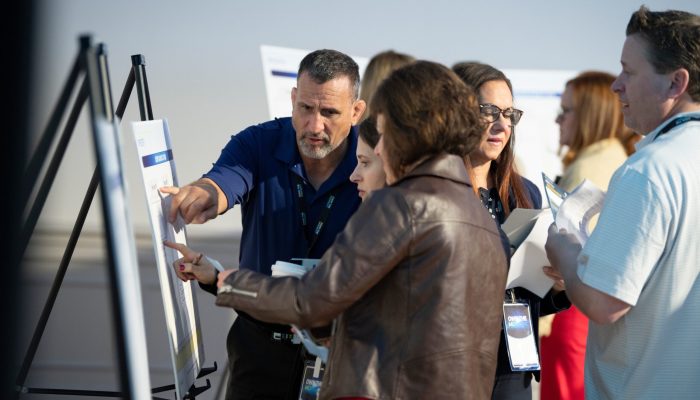
The venue itself can make or break the experience. Spaces that encourage mingling such as gallery areas with open flow allow attendees to move naturally between sessions and serendipitous encounters. Minimalist branding keeps the focus on content and conversations rather than the venue.
Intentional design also matters. The first session should match the energy of the last, and the opening and closing experiences should maintain momentum. Flexibility lets participants choose their own paths while still delivering a cohesive narrative. These small choices turn a schedule into an engaging journey.
Creating Opportunities for Authentic Co-creation and Engagement
High-profile meetings thrive when leaders co-create rather than simply attend. Invite C-suite partners to contribute content, strategy, and perspective. This builds trust and produces actionable outcomes like new alliances or practical insights that teams can take back to their organizations.
Layer partner activations that add sensory depth without overwhelming the program. Main-stage content paired with interactive panels and breakout tracks keeps everyone engaged. The result is authentic dialogue that attendees remember and carry forward.
High-profile meetings can be significantly elevated when they borrow intentional design principles from large-scale cultural and sports-driven experiences. Event frameworks inspired by initiatives like the Super Bowl LX Innovation Summit emphasize clarity of purpose, curated storytelling, and environments designed to spark both structured discussion and spontaneous collaboration. These approaches prioritize flexible agendas that allow attendees to engage with content at different levels, from keynote sessions to smaller breakout discussions, while maintaining a cohesive narrative throughout the program. Venue selection becomes equally strategic, with spaces chosen not just for capacity but for their ability to encourage movement, conversation, and connection.
Layered programming, including interactive panels and co-created content with industry leaders, helps transform attendees from passive participants into active contributors. Partner activations further enhance the experience by adding dimensional storytelling without overwhelming the core agenda. This balance of structure and flexibility ensures that meetings feel both purposeful and dynamic, creating conditions where leaders can generate actionable insights and strengthen professional relationships.
Insights from major C-suite event design strategies, including those highlighted in C-suite event ideas from the Super Bowl LX Innovation Summit, show how high-profile gatherings can be transformed through intentional structure and immersive design. These approaches emphasize storytelling with purpose, where every agenda element reinforces a central narrative that helps leaders think and collaborate more effectively. Venues are selected for their ability to encourage movement and informal interaction, supporting both structured sessions and spontaneous conversations.
Programming blends main-stage content with interactive panels and co-created sessions, allowing executives to actively shape the dialogue rather than simply observe it. Partner activations and layered experiences add depth without overwhelming attendees, creating a balance between inspiration and practicality. This combination of flexibility, co-creation, and curated networking helps turn meetings into strategic environments where leaders generate actionable insights, strengthen relationships, and return to their organizations with clearer direction and shared momentum.
Planning for Measurable Follow-through After the Meeting
The meeting ends, but the work continues. Leaders who plan for follow-through ensure the alignment achieved on-site translates into action. Assign clear owners, set timelines, and measure outcomes against the original objectives. This step separates events that create temporary buzz from those that deliver sustained business impact.
Why the Human Element Remains Irreplaceable
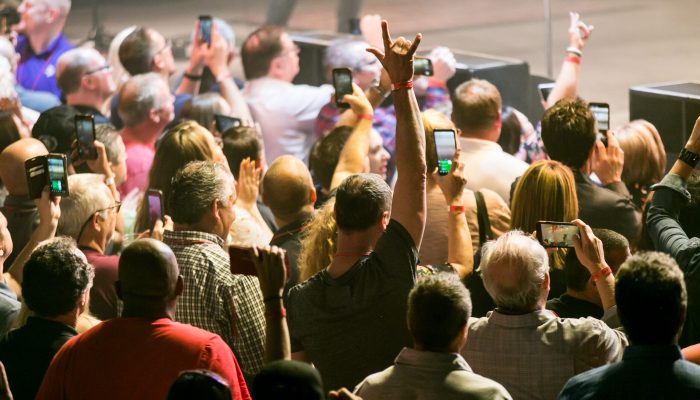
Surveys consistently show that people crave connection more than ever in a hybrid world. In-person meetings deliver the spontaneous interactions that virtual formats cannot. Side conversations and one-on-one exchanges often produce the most valuable ideas and relationships.
When leaders study the value of face-to-face connection, they see the difference clearly. Presentations may inform, but only in-person moments spark creativity and forge lasting alliances. Organizations that invest in these experiences position themselves to thrive in a complex business environment.
Preparing a Clear Cost Breakdown and Flexible Options
Budget concerns top many executive lists. Present detailed cost estimates upfront, along with flexible options that respect time and resources. By showing respect for the executive’s time and demonstrating a clear return on investment, planners shift perceptions and secure approval.
Prepare revenue plans and cost-benefit analyses so every proposal demonstrates strategic alignment. When leaders see both the upside and the safeguards, they feel confident approving the meeting.
Turning Strategy Into Action Through Precise Production
Strategy guides the work. Creativity shapes the story. Precision brings it to life.
We design and produce action-driven meetings, live events, and training experiences that move audiences. This approach helps organizations translate high-profile gatherings into tangible business results. By focusing on audience engagement and message alignment, DH helps leaders ensure every moment contributes to the organization’s priorities.
Practical Next Steps for Leaders Planning High-profile Meetings
Start with objectives that tie directly to business priorities. Gather past performance data to build the case. Choose venues that support both structure and serendipity. Invite co-creation from key partners.
And always plan for follow-through to turn insights into action. These steps turn any high-profile meeting into a strategic asset rather than a cost center. Organizations that apply them consistently see stronger alignment, deeper connections, and measurable results that extend far beyond the event itself.
Frequently Asked Questions
Why do high-profile meetings matter for corporate leadership teams?
High-profile meetings matter for corporate leadership teams because they drive strategic alignment and measurable business outcomes like talent integration and sales growth. In a hybrid work environment, these gatherings create the spontaneous connections and informal interactions that virtual formats cannot replicate, turning plans into lasting competitive advantages.
What are the key considerations when planning high-profile meetings for C-suite executives?
When planning high-profile meetings, leaders should start with crystal-clear objectives tied to business priorities, present proven data from past events, select venues that encourage mingling, and invite co-creation from partners. Preparing a detailed cost breakdown and flexible options upfront also builds trust and ensures the experience delivers tangible ROI.
How can we align meeting agendas with core business objectives for better results?
Aligning meeting agendas with core business objectives begins with answering the central question of what problem is being solved, then tying every session directly to goals like cross-team collaboration or productivity gains. This approach helps executives see the meeting as a strategic investment rather than a discretionary expense, leading to stronger follow-through and sustained impact.
Disclaimer: The above helpful resources content contains general insights and perspectives for informational purposes only. The information provided is for general knowledge and does not constitute professional advice.
You may also be interested in: Event Industry Adapts to Demand for More Inclusive Experiences
When your most important meeting, launch, summit, or training experience needs to move people, every detail matters. Strategy guides the work. Creativity shapes the story. Precision brings it to life. DEVLINHAIR Production & Learning designs and produces action-driven meetings, live events, and training experiences that move audiences. From our New York City studio, DEVLINHAIR helps organizations bring complex ideas, leadership priorities, and learning moments to life with clarity, purpose, and production precision. Ready to create a hybrid experience your audience can follow, feel, and act on? Let’s talk.
Powered by flareAI.co