Quick Listen:
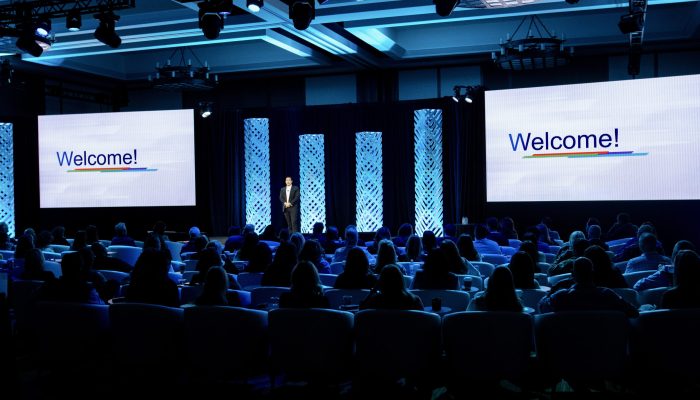
When organizations bring employees together for a leadership summit, product launch, or comprehensive training program, the goal extends far beyond sharing information. The real challenge lies in ensuring every participant truly connects with the message, sees its relevance to their daily work, and leaves equipped to apply it immediately. In this environment, audience engagement in corporate learning stands out as a decisive factor in achieving lasting impact.
When your most important meeting, launch, summit, or training experience needs to move people, every detail matters. Strategy guides the work. Creativity shapes the story. Precision brings it to life. DEVLINHAIR Production & Learning designs and produces action-driven meetings, live events, and training experiences that move audiences. From our New York City studio, DEVLINHAIR helps organizations bring complex ideas, leadership priorities, and learning moments to life with clarity, purpose, and production precision. Ready to create a hybrid experience your audience can follow, feel, and act on? Let’s talk.
The Business Case for Stronger Engagement in Corporate Learning
Corporate learning faces a persistent tension: content that is thoughtfully designed often struggles to translate into meaningful application on the job. Participants may attend sessions, absorb concepts, and still return to their roles without shifting behavior or retaining key takeaways. This gap limits the return on investment in training initiatives and weakens overall organizational alignment.
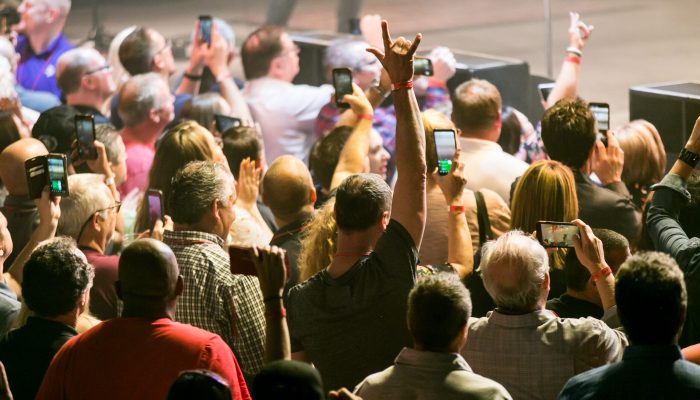
Engagement changes that dynamic by transforming passive consumption into active participation. When employees interact with learning material through discussions, activities, or real-time feedback they process information more deeply and link it directly to their responsibilities. The result is higher completion rates, stronger retention, and measurable improvements in on-the-job performance.
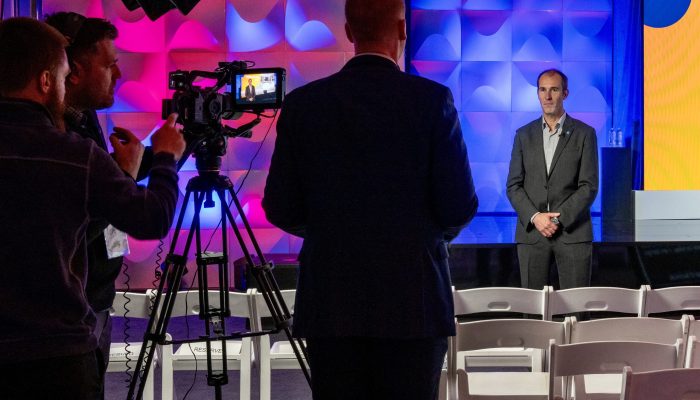
Recent hybrid event production highlights this shift clearly. Hybrid event engagement lessons and best practices show that organizations can maintain consistent participation across in-person and virtual audiences by designing separate but interconnected experiences. A key insight from hybrid event execution is the importance of creating distinct engagement paths for each audience segment while still maintaining a unified program experience.
Strategies such as exclusive content streams, interactive entertainment like live polls and trivia, and dedicated virtual facilitators help ensure that no audience feels secondary. Additionally, successful hybrid environments incorporate structured breaks, wellness moments, and flexible scheduling to prevent fatigue and sustain attention across longer programs. These practices reinforce that engagement must be intentionally designed rather than treated as an afterthought, particularly in corporate learning environments where hybrid delivery has become a standard operating model.
Hybrid event engagement lessons and best practices further emphasize that hybrid experiences succeed when engagement is structured around interaction, personalization, and shared experience. The most effective programs ensure that virtual attendees are not passive viewers but active participants supported by real-time communication tools, facilitators, and carefully designed content pacing. These insights reinforce the growing expectation that hybrid learning and event environments must be engineered with equal attention to both physical and digital audiences in order to sustain energy, participation, and meaningful connection throughout the entire experience.
Why Retention Becomes More Difficult in Modern Corporate Learning
Distractions at home, shorter attention spans, and competing demands on employee’s time make traditional lecture-style training less effective. Participants may log in but quickly disengage, especially in fully virtual formats. This pattern reduces the effectiveness of learning and weakens the organization’s ability to build a skilled, aligned workforce.
Engagement strategies address these limitations by breaking content into digestible segments, incorporating interaction points, and extending influence beyond the session itself. The approach supports both immediate understanding and longer-term knowledge application, which proves essential for training programs focused on behavioral change.
Core Principles of Effective Engagement in Corporate Learning
Several foundational elements distinguish programs with high engagement from those that fall short. Pre-event preparation sets the foundation by aligning expectations and demonstrating clear value. During the session, interactive elements keep energy levels high and attention focused. Post-event reinforcement extends the impact well beyond the scheduled time.
Attendee engagement strategies for virtual and hybrid events demonstrates that engagement must be treated as a continuous lifecycle rather than a single moment within an event or training session. Effective programs begin with pre-event alignment strategies such as surveys and personalized agendas that increase relevance and anticipation. During the session, engagement is sustained through structured interaction methods including polls, breakout discussions, gamification, and short content segments designed to match modern attention spans. After the event, follow-up communication, content reinforcement, and ongoing access to materials help extend learning impact and improve long-term retention. Together, these practices show that audience engagement is not an isolated tactic but a coordinated system that spans the entire learning journey, ensuring participants remain connected before, during, and after the experience.
Pre-event Tactics That Build Anticipation and Relevance
Personalized agendas and targeted surveys help participants understand exactly how the content relates to their roles. Tools that allow early exploration of platforms or materials also prepare attendees for what lies ahead. These steps reduce confusion, increase perceived relevance, and encourage higher attendance and preparation.
Communicating the business purpose of the learning in advance prevents the common complaint that sessions feel disconnected from daily work. When participants see how their contributions advance organizational goals, motivation rises naturally.
During-session Techniques for Active Participation
Live polls, breakout discussions, and gamified elements turn passive listening into collaborative problem-solving. Breakout rooms on collaborative platforms enable smaller-group interactions that mirror real-world team dynamics. Real-time feedback mechanisms let facilitators adjust pacing and address specific needs immediately.
Structured breaks and wellness check-ins prevent the fatigue that commonly occurs during extended virtual sessions. Flexible scheduling and dedicated facilitators for virtual participants ensure everyone stays connected to the core program, regardless of their location.
Post-event Follow-through to Maximize Long-term Impact
Engagement does not end when the session concludes. Follow-up communications, recorded content, and reinforcement activities help participants apply learning in their roles over weeks and months. Platforms that organize replay sessions, additional resources, and progress tracking turn one-time experiences into sustained development opportunities.
Organizations that treat post-event touchpoints as an extension of the learning experience consistently achieve stronger retention and behavior change. This layered approach creates a complete engagement cycle that starts before the session and continues afterward.
Practical Recommendations for Training Teams and Learning Leaders
Start by conducting brief intake surveys or polls to understand participant goals and preferred learning styles. Design sessions with clear interaction checkpoints such as polls every 10–15 minutes or structured discussion prompts. Record sessions and make them available for on-demand access so participants can revisit content at their convenience.
Provide dedicated virtual support throughout the program, including emcees who monitor and respond to online questions in real time. Encourage follow-through with personalized action plans that link learning outcomes to individual and team objectives. These steps create a cohesive experience that feels seamless whether participants join in person or remotely.
Aligning Learning with the Future of Meetings and Training
As organizations continue to refine their approaches to corporate meetings and training, audience engagement in corporate learning emerges as a non-negotiable element of effective delivery. Programs that prioritize meaningful interaction deliver measurable improvements in knowledge retention, application, and overall workforce capability.
Strategy guides the work. Creativity shapes the story. Precision brings it to life. We design and produce action-driven meetings, live events, and training experiences that move audiences.
Stronger Engagement as a Foundation for Lasting Change
The organizations that invest deliberately in engagement today will see the clearest returns tomorrow. By treating audience connection as a core component of learning strategy, leaders create experiences that not only inform but genuinely transform how people work and collaborate.
Frequently Asked Questions
Why is audience engagement important in corporate learning and training programs?
Audience engagement is critical in corporate learning because it directly impacts how well participants retain and apply information. When learners actively participate rather than passively consume content, they develop stronger understanding and longer-lasting behavioral change. This leads to improved performance outcomes and a higher return on investment for training initiatives. Without engagement, even well-designed programs often fail to translate into real workplace impact.
How does engagement improve hybrid corporate training and virtual events?
Engagement improves hybrid corporate training by ensuring both in-person and virtual participants remain equally involved in the learning experience. Techniques such as live polls, breakout discussions, and dedicated facilitators help bridge the gap between physical and digital audiences. This creates a more unified and interactive environment where no participant feels disconnected. As a result, hybrid sessions achieve higher attention, participation, and knowledge retention.
What are effective strategies to improve audience engagement before, during, and after corporate learning sessions?
Effective engagement strategies span the full learning lifecycle, starting with pre-event activities like surveys and personalized agendas to build relevance. During sessions, interactive elements such as polls, gamification, and real-time feedback keep participants actively involved. After the event, follow-up materials, recorded content, and reinforcement activities help sustain learning and encourage application. Together, these steps ensure engagement continues beyond the live experience.
Disclaimer: The above helpful resources content contains general insights and perspectives for informational purposes only. The information provided is for general knowledge and does not constitute professional advice.
You may also be interested in: Data Analytics Help Measure Impact of Experiential Marketing Campaigns
When your most important meeting, launch, summit, or training experience needs to move people, every detail matters. Strategy guides the work. Creativity shapes the story. Precision brings it to life. DEVLINHAIR Production & Learning designs and produces action-driven meetings, live events, and training experiences that move audiences. From our New York City studio, DEVLINHAIR helps organizations bring complex ideas, leadership priorities, and learning moments to life with clarity, purpose, and production precision. Ready to create a hybrid experience your audience can follow, feel, and act on? Let’s talk.
Powered by flareAI.co