Quick Listen:
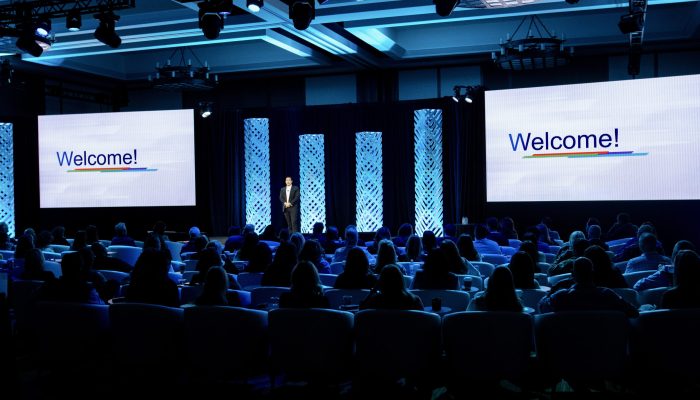
When organizations design interactive meetings, the real challenge is no longer about filling a room or streaming content to remote attendees. It is about building an environment where participants are actively engaged in shaping the experience itself. For leaders responsible for corporate meetings, training sessions, and internal or external gatherings, the expectation has shifted toward experiences that hold attention, encourage participation, and support real understanding rather than passive attendance.
This shift has pushed interactive meeting design into a more intentional discipline one that blends physical experience design, digital participation layers, and structured facilitation. The goal is not to add more technology or entertainment for its own sake, but to design moments where attention, interaction, and meaning work together.
When your most important meeting, launch, summit, or training experience needs to move people, every detail matters. Strategy guides the work. Creativity shapes the story. Precision brings it to life. DEVLINHAIR Production & Learning designs and produces action-driven meetings, live events, and training experiences that move audiences. From our New York City studio, DEVLINHAIR helps organizations bring complex ideas, leadership priorities, and learning moments to life with clarity, purpose, and production precision. Ready to create a hybrid experience your audience can follow, feel, and act on? Let’s talk.
From Attendance to Active Participation
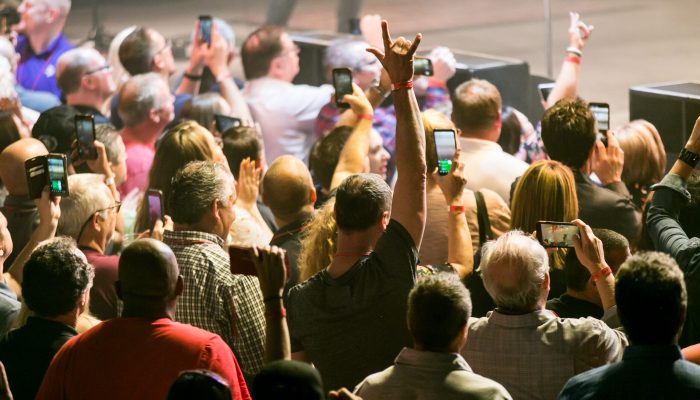
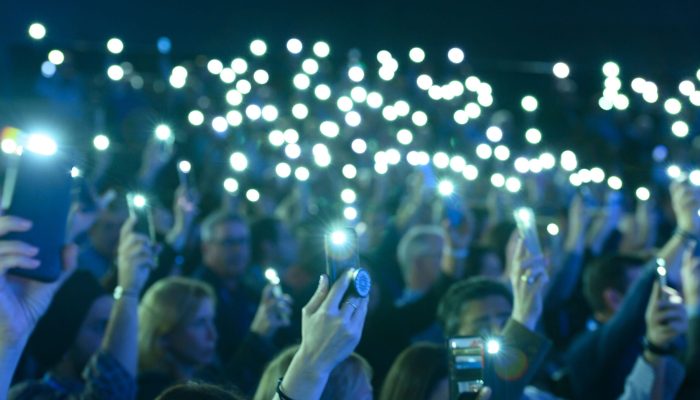
One of the most important shifts in modern meeting design is the move away from passive attendance models. Instead of structuring events around content delivery, leaders are increasingly designing for participation, where attendees influence what happens in real time through input, choices, or interaction. Experiential approaches often borrow from engagement tactics used in broader event design, where participants are encouraged to respond, contribute, or interact throughout the experience. Techniques such as live polling, interactive environments, and real-time feedback loops are becoming standard tools for maintaining attention and reinforcing message retention.
Modern interactive meeting environments often reflect principles highlighted in interactive event engagement examples, where engagement is strongest when attendees are given agency over their experience. This sense of control changes how participants process information, making them more likely to stay focused and retain key messages. These approaches are particularly effective in environments where audiences are multitasking or attending hybrid sessions, because interaction becomes a mechanism for sustained cognitive engagement rather than passive observation.
A key insight is that engagement is strongest when attendees can influence their own experience choosing sessions, interacting with digital tools, or contributing content in real time. This creates a sense of agency that increases dwell time and satisfaction while also producing measurable behavioral data for organizers. For leaders designing interactive meetings, the takeaway is that engagement should be layered: physical activations, digital extensions, and social interaction points should work together rather than exist as measuring the success of hybrid eventsstandalone features. When thoughtfully integrated, these elements transform meetings into environments where participants actively co-create the experience rather than simply consume information, resulting in stronger retention of messaging and more meaningful professional connections.
Designing for Hybrid and Distributed Engagement
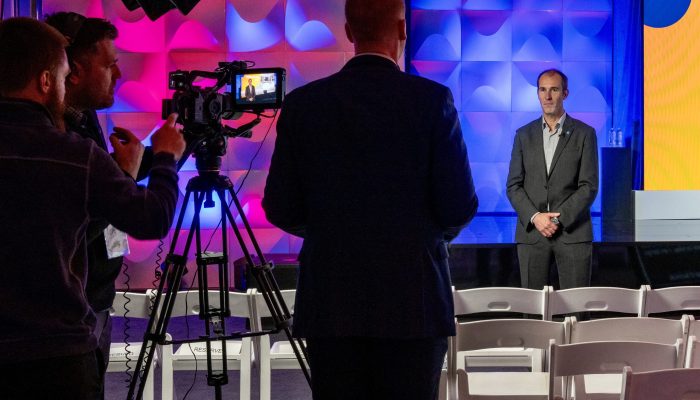
As meetings increasingly include both in-person and remote participants, engagement design must account for parallel experiences. A common challenge is ensuring that virtual attendees are not reduced to passive observers while in-person participants receive the full interactive experience. Effective hybrid meeting design focuses on parity of engagement ensuring that both audiences have structured ways to contribute, respond, and interact in real time. This requires intentional planning around timing, facilitation, and technology integration rather than treating virtual access as an add-on.
Insights from hybrid meeting engagement strategies highlight the importance of designing participation opportunities that exist simultaneously across formats. When both audiences can ask questions, respond to prompts, or engage in shared programming, the meeting becomes a unified experience rather than two separate ones. For leaders, the key consideration is not simply how content is delivered, but how interaction flows across different environments. The most effective hybrid meetings are designed with rhythm in mind structured moments for input, reflection, and collaboration that apply equally to all participants regardless of location.
Layered Engagement Across Physical, Digital, and Social Touchpoints
Interactive meetings are most effective when engagement is not treated as a single feature but as a layered system. Physical environments, digital tools, and social interaction points must work together to reinforce attention and participation throughout the experience. For example, physical spaces can be designed with breakout zones or interactive stations that encourage movement and collaboration. Digital platforms can extend engagement through live input tools, shared content spaces, and real-time feedback mechanisms. Social interaction both structured and organic helps reinforce learning by allowing participants to process ideas collectively.
Engagement design principles often show that participation increases when attendees are given multiple, interconnected ways to interact with content. This layered approach prevents fatigue by shifting the mode of engagement throughout the meeting, rather than relying on a single format.
Structuring Attention Through Rhythm and Flow
Attention is one of the most valuable and limited resources in any meeting environment. Interactive meetings succeed when they are designed with intentional rhythm balancing moments of high engagement with moments of reflection and processing.
Without this structure, even the most interactive tools can lose effectiveness. Continuous interaction without pause can lead to fatigue, while long passive segments can reduce engagement. Leaders must therefore design meetings as a sequence of engagement states rather than a continuous experience.
This includes planning when participants are expected to listen, when they are expected to respond, and when they are expected to collaborate. Structured transitions between these states help maintain focus and improve retention of key messages.
In practice, this means alternating between presentation, interaction, discussion, and reflection. Each phase serves a different cognitive purpose, helping participants process information more effectively and stay engaged throughout longer sessions.
The Role of Facilitators in Interactive Meetings
Technology and design alone are not enough to create meaningful event engagement. Facilitators, moderators, and experience leaders play a critical role in shaping how participants interact with content and with each other.
In interactive environments, facilitators act as connectors between content, audience, and experience flow. They help translate structure into interaction by guiding participation, responding to audience input, and ensuring that engagement opportunities are accessible to all participants.
Facilitators also play a key role in maintaining energy and continuity across hybrid formats. They bridge gaps between in-person and remote audiences by acknowledging input from both and reinforcing shared moments of participation.
When facilitation is strong, interactive elements feel natural rather than forced. When it is weak, even well-designed engagement tools can feel disconnected or underused. This makes facilitation one of the most important design considerations in modern meeting strategy.
Measuring Engagement Beyond Attendance and Feedback
Traditional meeting success metrics often focus on attendance numbers or post-event satisfaction surveys. However, interactive meetings require a broader view of engagement one that considers behavioral signals throughout the experience.
These signals can include participation frequency, interaction with digital tools, contribution to discussions, and responsiveness during collaborative segments. When analyzed together, they provide a more complete picture of how participants experienced the meeting.
Designing with measurement in mind allows leaders to refine engagement strategies over time. Rather than relying solely on subjective feedback, organizations can observe how participants actually behave within the meeting environment and adjust design elements accordingly.
This approach turns meetings into learning systems, where each experience informs improvements in structure, pacing, and interaction design for future sessions.
What Leaders Should Prioritize When Designing Interactive Meetings
For leaders planning interactive meetings, the most important consideration is not the number of engagement tools used, but how intentionally those tools are integrated into the overall experience. Engagement should feel like a natural outcome of design rather than an added layer on top of content.
Key priorities include clarity of purpose, alignment between physical and digital environments, and consistent opportunities for participation throughout the agenda. When these elements work together, meetings become more than information delivery they become shared experiences that support understanding, alignment, and action.
Ultimately, effective interactive meeting design is about creating conditions where participants are not just present, but meaningfully involved. This requires a shift in mindset from controlling attention to designing for participation, where every moment is structured to invite engagement and support collective progress.
When organizations approach meetings in this way, the result is not only improved attention and retention, but stronger alignment across teams and more effective execution of shared goals.
Frequently Asked Questions
What is interactive meeting design and why is it important for corporate meetings?
Interactive meeting design focuses on creating sessions where participants actively shape the experience through participation, feedback, and collaboration rather than passively receiving information. It is important for corporate meetings and training experiences because it improves attention, engagement, and information retention.
How do you keep both in-person and remote participants engaged in hybrid meetings?
Keeping both in-person and remote participants engaged in hybrid meetings requires designing for parity, where each group has equal opportunities to contribute in real time. This is achieved through shared digital tools, structured interaction moments, and strong facilitation that connects both audiences. In hybrid events and corporate training environments, this ensures engagement feels unified rather than split across two separate experiences.
How can organizations measure engagement in interactive meetings beyond attendance?
Organizations can measure engagement in interactive meetings by tracking behavioral signals such as participation frequency, interaction with digital tools, response to prompts, and contribution during discussions. These indicators provide a clearer picture of how attendees are actually engaging with content beyond simple attendance numbers. In corporate meetings, training sessions, and live events, this helps teams refine engagement design and improve outcomes over time.
Disclaimer: The above helpful resources content contains general insights and perspectives for informational purposes only. The information provided is for general knowledge and does not constitute professional advice.
You may also be interested in: Corporate Meetings Evolve to Accommodate Distributed Teams
When your most important meeting, launch, summit, or training experience needs to move people, every detail matters. Strategy guides the work. Creativity shapes the story. Precision brings it to life. DEVLINHAIR Production & Learning designs and produces action-driven meetings, live events, and training experiences that move audiences. From our New York City studio, DEVLINHAIR helps organizations bring complex ideas, leadership priorities, and learning moments to life with clarity, purpose, and production precision. Ready to create a hybrid experience your audience can follow, feel, and act on? Let’s talk.
Powered by flareAI.co