Quick Listen:
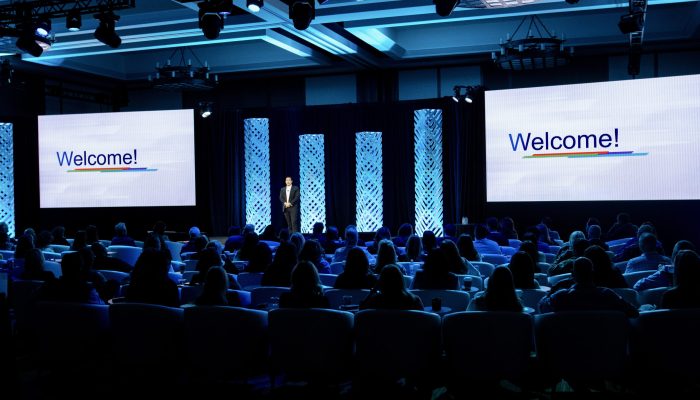
When corporate leaders plan a product launch, leadership summit, or sales training program, the goal rarely ends with sharing slides or handing out brochures. The real challenge is making complex messages land, creating genuine connections that turn attendees into advocates, and ensuring the experience drives measurable business outcomes long after the event ends. Human-centered event experiences address this directly by placing people at the center of every design choice, from layout and pacing to interaction opportunities and post-event follow-through.
When your most important meeting, launch, summit, or training experience needs to move people, every detail matters. Strategy guides the work. Creativity shapes the story. Precision brings it to life. DEVLINHAIR Production & Learning designs and produces action-driven meetings, live events, and training experiences that move audiences. From our New York City studio, DEVLINHAIR helps organizations bring complex ideas, leadership priorities, and learning moments to life with clarity, purpose, and production precision. Ready to create a hybrid experience your audience can follow, feel, and act on? Let’s talk.
The Limits of Traditional Event Formats
In the corporate calendar, events have long served as necessary touchpoints for alignment and learning. Yet traditional formats often fall short when it comes to retention and emotional buy-in. Generic presentations, uniform seating, and one-way delivery create distance rather than connection. Attendees arrive with their own priorities, distractions, and experiences, and without thoughtful adaptation, those differences widen into disengagement.
Event production teams now recognize this gap. As one industry innovator observed, “Designing global technology experiences that bring emerging innovations to life through meaningful human-centered connections has become a strategic priority as organizations navigate the AI era.” Leaders prioritize branding, storytelling, and authentic personal moments so that AI handles logistics while humans drive the real connections. This shift moves beyond surface-level engagement to experiences that forge genuine bonds.
Designing global technology experiences that bring emerging innovations to life through meaningful human-centered connections has become a strategic priority as organizations navigate the AI era. This approach ensures technology serves rather than overshadows the human elements that make events memorable and impactful. Leaders increasingly prioritize branding, storytelling, and authentic personal moments that strengthen relationships between attendees, brands, and communities. You can read more in human-centered connections through emerging innovations, which highlights how event professionals are using this shift to build inclusive experiences and measurable engagement across modern event ecosystems.
Why Human-centered Design Creates Lasting Impact
Human-centered event experiences start with understanding the audience. Whether it is a corporate meeting or a product launch, the design process begins by asking who will attend, what they hope to gain, and how they prefer to participate. This audience focus directly informs every decision, from content flow to physical space and interactive elements. The result is participation that feels relevant rather than obligatory.
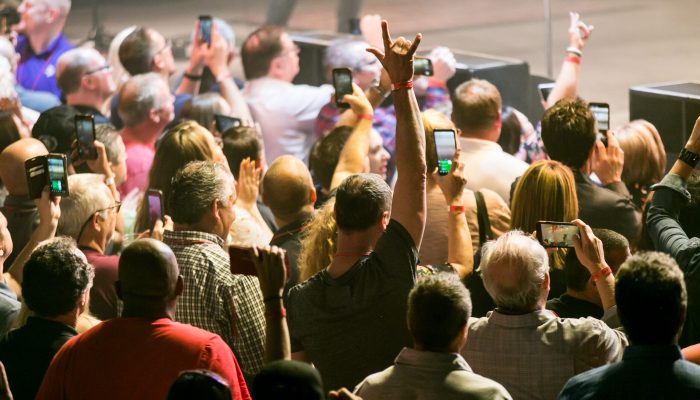
Events become opportunities to build networks that extend far beyond a single date. When attendees sense their voices and experiences matter, they leave with stronger relationships to peers, brands, and their own organizations. This is especially powerful for distributed teams or cross-functional groups that need to align quickly around a new strategy or product story.
Human-centered design and experiential strategy also drive measurable business impact. Brands are increasingly focused on approaches that create lasting emotional connection and community engagement rather than one-way communication. As highlighted in industry analysis, human-centered experiences that spark lasting brand connection, experiential design rooted in human connection strengthens long-term relationships, improves engagement, and produces more meaningful outcomes across event ecosystems. This emphasis on emotional resonance and consistency helps transform events into sustained brand value rather than isolated moments.
Human-centered Design in Action: Real-world Applications
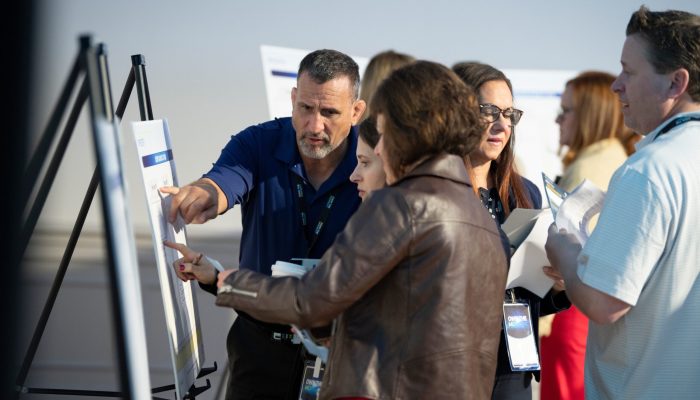
Consider how human-centered approaches transform specific types of corporate events. In a product launch, instead of a static keynote followed by a panel, teams create interactive stations where attendees can physically experience the product or idea. This makes complex stories tangible and turns passive listeners into active participants who can immediately apply the learning.
Training programs benefit even more. Learning design that incorporates personal connection such as role-playing scenarios or guided discussions improves retention and transfer to daily work. Attendees leave not just informed but ready to act, because the experience was built around their goals and challenges. For leadership summits, human-centered formats encourage open dialogue and collaborative problem-solving rather than top-down presentations. This approach helps executive teams move from information sharing to collective alignment, where decisions feel owned by the group rather than handed down.
Building bold meaningful human-centered experiences with passion precision and heart transforms ideas into moments that spark connection and leave a lasting impression. This approach embeds seamlessly into client teams bringing creativity consistency and positive energy that moves communities and builds lasting brand relationships. Organizations gain a strategic edge by starting with the why and crafting experiences that extend beyond a single event creating deeper bonds that influence perception and drive results.
Event teams benefit from the ability to deliver consistent high-quality activations across diverse platforms whether pop-ups or global stages. The focus on care for the brand people and the work ensures every detail serves the goal of authentic connection. This matters because in today’s competitive landscape human-centered design is what separates memorable events from forgettable ones.
By prioritizing emotional impact and community building brands strengthen their networks achieve better engagement and produce clearer business outcomes. For planners this human-first methodology opens opportunities for innovative strategies that foster real relationships and position events as powerful tools for growth and loyalty in any industry. This perspective is reinforced by industry coverage such as
Measuring the Outcomes That Matter
The strongest proof of human-centered experiences lies in the business results they deliver. Attendees report higher satisfaction and greater willingness to advocate for the event and its messages. Post-event engagement increases when people feel the experience was genuinely for them. Organizations see clearer message alignment, faster adoption of new initiatives, and stronger long-term team cohesion.
These outcomes are not abstract. They translate into measurable improvements in retention, productivity, and brand perception. The goal is not just to fill a room but to create moments that shape behavior and relationships for months afterward.
Getting Started with Human-centered Event Experiences
Organizations ready to explore this approach should begin with a clear business challenge and then test small-scale concepts. Start by mapping the audience journey, identify where connection is most needed, and prototype one element perhaps an interactive station or a more conversational format. Gather feedback early and iterate. The payoff is experiences that feel purposeful and memorable.
Human-centered design is not about changing the fundamentals of events; it is about making them more effective. By centering people in the process, organizations turn meetings and launches into opportunities for real connection, lasting alignment, and stronger outcomes. The power of events to forge genuine bonds remains irreplaceable no matter how advanced the tools become.
In the end, the best event experiences do more than inform or entertain they help people connect, learn, and act together. When design keeps the human element at the center, those outcomes become the natural result rather than the exception.
Frequently Asked Questions
How do human-centered event experiences improve corporate meetings and training?
Human-centered event experiences improve corporate meetings and training by increasing engagement, retention, and real-world application of content. By designing sessions around audience needs, participants are more likely to actively engage rather than passively consume information. This leads to stronger alignment, better knowledge transfer, and improved performance after the event, especially in distributed or cross-functional teams.
What makes human-centered event design more effective than traditional event formats?
Human-centered event design is more effective than traditional event formats because it prioritizes participation, interaction, and emotional connection over one-way presentations. Instead of generic delivery methods, it creates opportunities for dialogue, collaboration, and hands-on experiences. This results in higher attention, stronger message retention, and more meaningful outcomes for both attendees and organizations.
How can organizations apply human-centered design in event production?
Organizations can apply human-centered design in event production by starting with a clear understanding of audience goals and mapping the full attendee journey. From there, they can introduce interactive elements such as workshops, guided discussions, or experiential stations that reinforce key messages. These approaches help create more purposeful corporate meetings, training experiences, and live events that drive lasting impact.
Disclaimer: The above helpful resources content contains general insights and perspectives for informational purposes only. The information provided is for general knowledge and does not constitute professional advice.
You may also be interested in: Brands Build Community Through Targeted Experiential Initiatives
When your most important meeting, launch, summit, or training experience needs to move people, every detail matters. Strategy guides the work. Creativity shapes the story. Precision brings it to life. DEVLINHAIR Production & Learning designs and produces action-driven meetings, live events, and training experiences that move audiences. From our New York City studio, DEVLINHAIR helps organizations bring complex ideas, leadership priorities, and learning moments to life with clarity, purpose, and production precision. Ready to create a hybrid experience your audience can follow, feel, and act on? Let’s talk.
Powered by flareAI.co