Quick Listen:
When a company brings people together for a leadership summit, training program, or product launch, the goal is rarely just to share information. The real challenge is helping people understand the message, connect it to their role, and leave ready to act. High-stakes presentations sit at the center of this equation, yet many fall short because the focus stays on the script instead of the experience.
When your most important meeting, launch, summit, or training experience needs to move people, every detail matters. Strategy guides the work. Creativity shapes the story. Precision brings it to life. DEVLINHAIR Production & Learning designs and produces action-driven meetings, live events, and training experiences that move audiences. From our New York City studio, DEVLINHAIR helps organizations bring complex ideas, leadership priorities, and learning moments to life with clarity, purpose, and production precision. Ready to create a hybrid experience your audience can follow, feel, and act on? Let’s talk.
The Real Pressure Points in High-stakes Presentations
Executives and sales leaders face a unique set of pressures that go far beyond delivering a good talk. The stakes include closing deals, securing board approval, inspiring teams through change, or achieving measurable outcomes that directly affect budgets and careers. One-way presentations from static slides or rehearsed scripts often lose focus when the audience includes thousands of employees who expect to be engaged, not just informed. The result can be missed alignment, reduced motivation, and presentations that fail to drive follow-through.
Today’s audiences whether in-person teams or remote participants bring different expectations. They want interaction that feels collaborative, not performative. Without addressing these dynamics, even well-crafted messages can fall flat, leaving the presenter with the sense that the effort did not match the importance of the moment.
Why Engagement and Interaction Matter More Than Ever
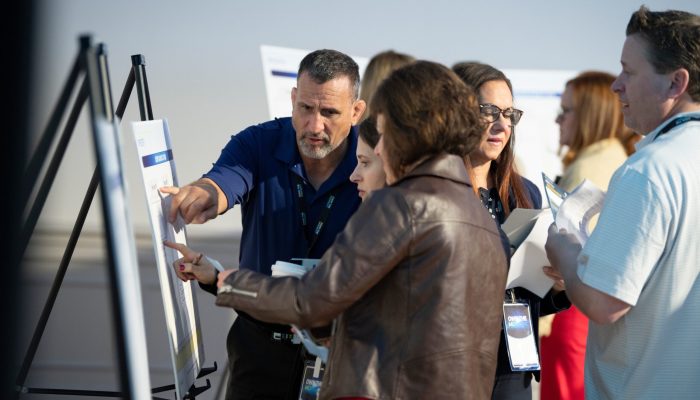
Modern workforces expect presentations that turn information into connection. Instead of relying on traditional lectures, successful high-stakes events combine interactive elements such as role-playing, live polls, and real-time Q&A. These approaches keep attention high and transform the session into a collaborative experience. When the goal is to align thousands of employees behind shared priorities, static slides simply do not cut it.
Interactive formats also allow presenters to address questions and concerns on the spot, building trust and demonstrating that the leader is listening. The difference is clear: audiences stay focused when they feel part of the conversation rather than passive recipients. This shift matters because it turns a one-time delivery into a catalyst for lasting alignment and motivation.
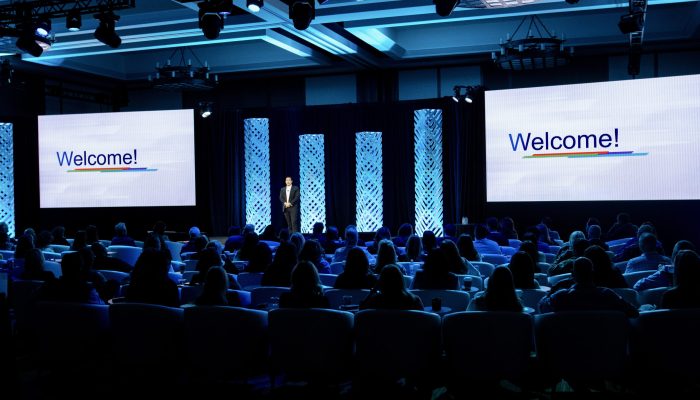
High-stakes presentations at company kickoffs require more than one-way delivery when the goal is to align thousands of employees behind shared goals. Instead of static slides, interactive elements like role-playing, live polls, and Q&A keep attention high and turn presentations into collaborative experiences. This matters because modern workforces expect engagement, and one-way formats lose focus when the stakes include performance metrics and future direction. Educational segments deliver value by briefing teams on new strategies, market shifts, and tools while using recorded videos for later reference. Connections thrive when breakout rooms and chat channels let people share insights and build relationships in a digital space.
Technology integrates registration, analytics, and post-event resources into a single platform that tracks who engages with what Content Creation Emerges as Strategic Priority for future sessions. By combining these approaches, leaders create kickoffs that inspire rather than overwhelm, turning presentations into catalysts for alignment and motivation. The result is stronger team culture, clearer priorities, and measurable outcomes that justify the investment. Business leaders who treat kickoff presentations as strategic events rather than routine updates position their organizations for success, proving that preparation focused on interaction and relevance drives real impact even under pressure.
Building Hybrid Capabilities That Support Stronger Engagement
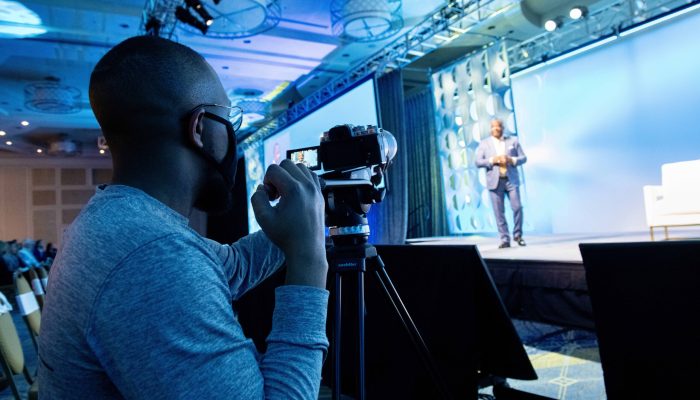
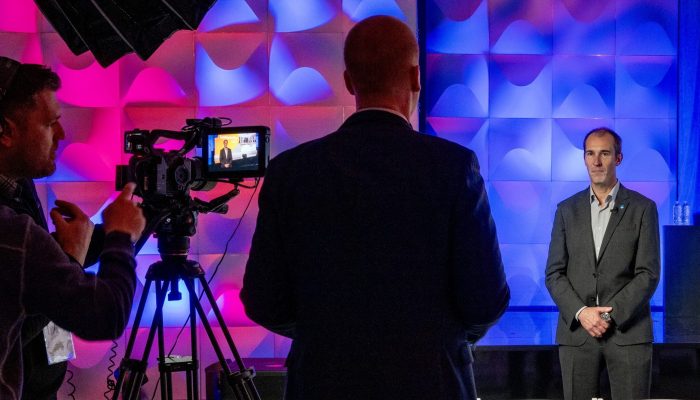
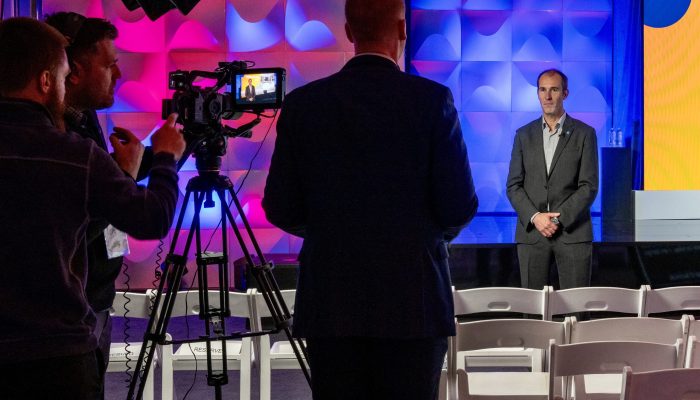
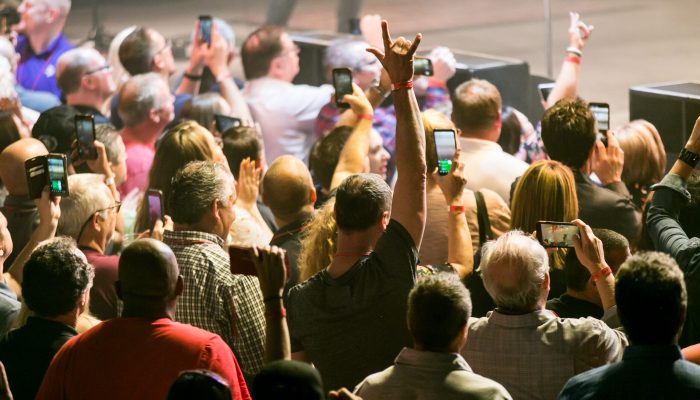
After the rapid rise of hybrid events in 2024, the question is no longer whether hybrid belongs in the corporate event mix. The question is how to design it well so every participant whether in the room or on screen experiences the same level of relevance and inclusion. High-stakes presentations in hybrid formats require careful attention to audio quality, camera angles, and bandwidth to avoid frustrating either side.
Smart production planning ensures the virtual audience can hear questions clearly and that in-person participants can see the speaker’s face and body language. When these elements work together, remote attendees feel included rather than isolated. The result is a presentation that truly moves the room and the virtual space at the same time.
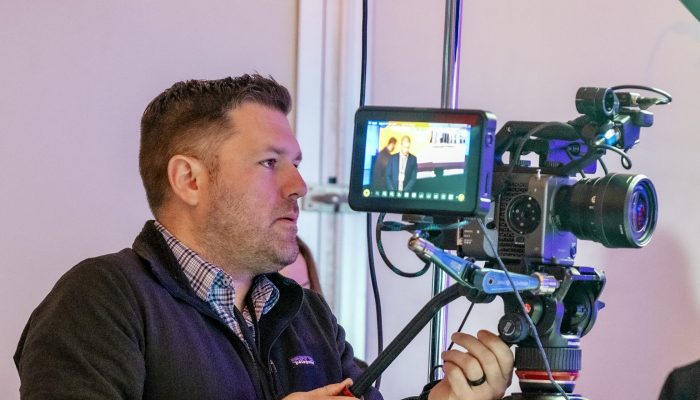
High-stakes presentations today often span hybrid audiences, where in-person attendees and remote participants share the same message under tight deadlines and high expectations. Quality audio must remain paramount because static or weak sound frustrates both sides equally and breaks engagement. Enough bandwidth ensures the virtual audience sees crisp video instead of buffering, which would otherwise highlight technical failures during critical moments. Determining the right number and type of cameras prevents overload while capturing multiple angles that keep remote viewers hooked. Cross-team communication among AV providers, IT, and webcasting partners eliminates surprises and keeps the production seamless.
Streaming in formats optimized for desktop, Android, and iOS handles the diverse devices used today. Rigorous pre-event testing with a recorded backup and multiple encoders catches problems before they surface live. Engaging the virtual audience through dedicated content, Q&A channels, and a virtual host builds camaraderie and makes everyone feel included. Speakers who greet remote participants by name and acknowledge questions foster inclusion that turns passive viewers into active contributors.
Narrowing scope to realistic time blocks respects everyone’s attention limits and avoids burnout. These practices ensure high-stakes presentations deliver measurable value regardless of format. Leaders who apply them create experiences that drive alignment, decision-making, and follow-through, proving that thoughtful audiovisual planning turns hybrid challenges into strengths that amplify impact.
Keeping hybrid presentations engaging requires careful attention to production quality, including clear audio, strong video, and reliable bandwidth. When AV, IT, and event production teams coordinate effectively, both in-person and virtual participants feel equally included. This approach is essential in modern hybrid events where audience engagement depends on seamless, distraction-free delivery.
Practical Production Strategies That Drive Impact
Effective high-stakes presentations today blend strategic preparation with precise execution. Begin by defining the core objective: what specific action or decision do you want from the audience? Then structure the content around that goal rather than a generic slide deck. Add educational segments that brief teams on new strategies, market shifts, and tools while using recorded videos for later reference.
Breakout rooms and chat channels let participants share insights and build relationships across distances. Enterprise-grade technology integrates registration, analytics, and post-event resources into one platform so organizers can track who engages with what content and optimize future sessions. These details turn presentations into experiences that inspire action instead of overwhelming attendees.
DEVLINHAIR Production & Learning designs and produces action-driven meetings, live events, and training experiences that move audiences. This approach helps organizations bring key messages to life, create alignment, and make important moments memorable.
Measurement, Follow-through, and Long-term Value
Preparation does not end when the lights go down. The most effective high-stakes presentations include clear plans for measurement and follow-through. Track engagement metrics such as session time, question volume, and content interaction to understand what resonates. Then use that data to refine future events and extend the value through on-demand resources that new hires and veterans alike can access.
This ongoing cycle of preparation, execution, and reflection ensures the presentation does not stand alone as a one-off event. Instead, it becomes part of a larger strategy that strengthens team culture, clarifies priorities, and delivers measurable outcomes. Leaders who treat high-stakes presentations as strategic experiences position their organizations for success long after the event concludes.
In the end, high-stakes presentations succeed when they balance clarity with connection. By focusing on interaction, hybrid capabilities, thoughtful production, and thoughtful measurement, business leaders create moments that truly move audiences. The organizations that invest in these elements do more than deliver information they build alignment, spark motivation, and turn presentations into catalysts for real change.
Frequently Asked Questions
What makes high-stakes presentations effective for business leaders?
High-stakes presentations are most effective when they move beyond static slides and focus on audience engagement and interaction. Business leaders need to align teams, support decision-making, and drive action in corporate meetings, product launches, and training experiences. Interactive elements such as Q&A, polls, and collaborative discussion help ensure the message resonates and leads to real follow-through.
How do you keep hybrid presentations engaging for both in-person and remote audiences?
Keeping hybrid presentations engaging requires careful attention to production quality, including clear audio, strong video, and reliable bandwidth. When AV, IT, and event production teams coordinate effectively, both in-person and virtual participants feel equally included. This approach is essential in modern hybrid events where audience engagement depends on seamless, distraction-free delivery.
How can companies measure the success of high-stakes presentations?
Companies can measure success by tracking engagement metrics such as participation rates, Q&A volume, session duration, and content interaction. These insights help refine future corporate meetings, training experiences, and live events to improve impact over time. With support from production partners like DEVLINHAIR Production & Learning, organizations can also use post-event analytics and resources to strengthen long-term outcomes.
Disclaimer: The above helpful resources content contains general insights and perspectives for informational purposes only. The information provided is for general knowledge and does not constitute professional advice.
You may also be interested in: Compliance Requirements Influence Design of Corporate Training Programs
When your most important meeting, launch, summit, or training experience needs to move people, every detail matters. Strategy guides the work. Creativity shapes the story. Precision brings it to life. DEVLINHAIR Production & Learning designs and produces action-driven meetings, live events, and training experiences that move audiences. From our New York City studio, DEVLINHAIR helps organizations bring complex ideas, leadership priorities, and learning moments to life with clarity, purpose, and production precision. Ready to create a hybrid experience your audience can follow, feel, and act on? Let’s talk.
Powered by flareAI.co