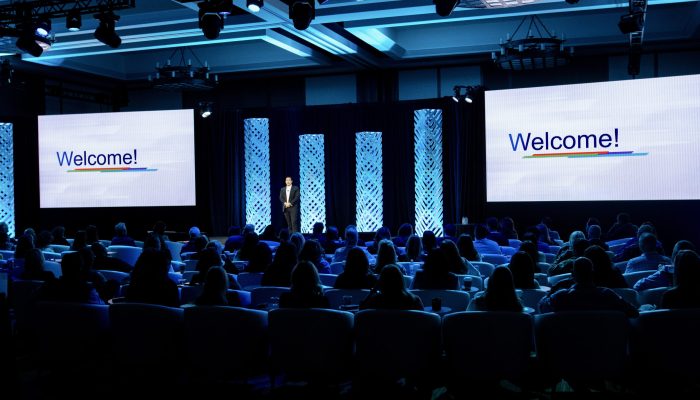
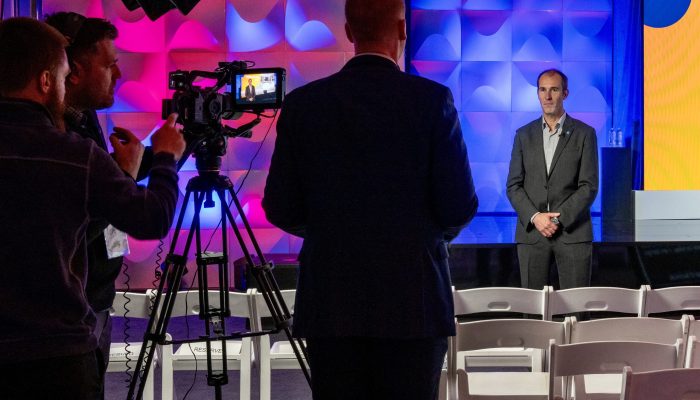
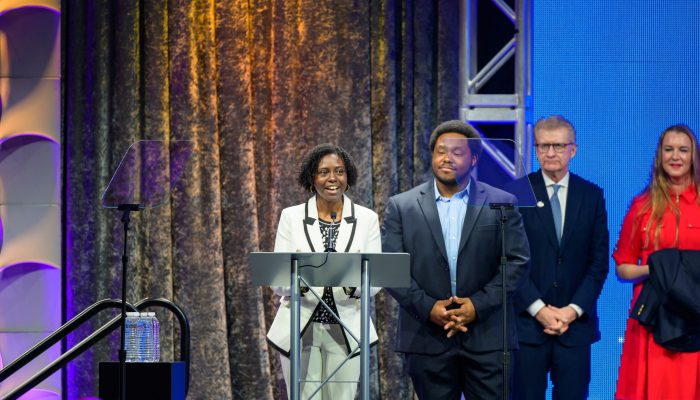
When leaders bring teams together for a product launch, leadership summit, or training program, the difference between passive attendance and genuine participation often determines whether key messages land and drive action. Event technology has evolved from nice-to-have tools into essential infrastructure that helps create meaningful connections, encourage interaction, and deliver measurable engagement across live, virtual, and hybrid formats.
When your most important meeting, launch, summit, or training experience needs to move people, every detail matters. Strategy guides the work. Creativity shapes the story. Precision brings it to life. DEVLINHAIR Production & Learning designs and produces action-driven meetings, live events, and training experiences that move audiences. From our New York City studio, DEVLINHAIR helps organizations bring complex ideas, leadership priorities, and learning moments to life with clarity, purpose, and production precision. Ready to create a hybrid experience your audience can follow, feel, and act on? Let’s talk.
The Persistent Challenge of Passive Audiences
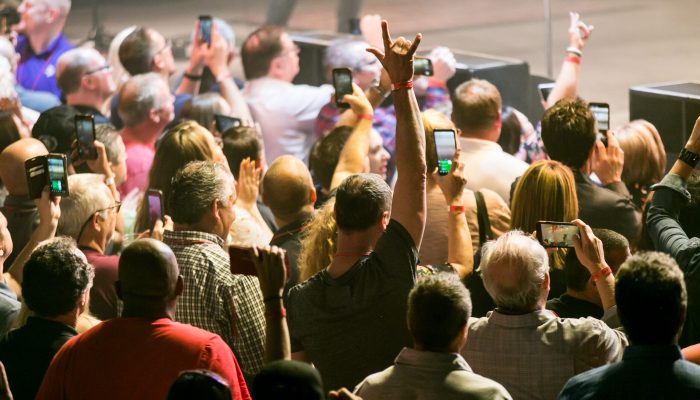
Even well-planned corporate events can struggle with engagement. Attendees may sit through presentations, check devices, or mentally check out, reducing the impact of critical business messages. This challenge becomes more pronounced in hybrid environments where some participants join remotely and others attend in person. The real goal extends beyond information delivery it involves helping people understand, connect with, and act on what they experience.
Event technology addresses this by shifting experiences from one-way broadcasts to interactive conversations. When designed thoughtfully, these tools help participants feel involved rather than observed, supporting stronger retention and alignment with organizational objectives.
Creating Personalized Connections Through Data Insights
Effective audience participation starts with understanding who is in the room or on the screen. Organizations can use attendee data to tailor experiences that feel relevant rather than generic. Siemens demonstrates how data-driven exhibit design at major trade shows like CES can transform passive attendance into high-quality, personalized audience participation.
By analyzing survey responses from previous years, the company restructured its booth space at CES 2025, focusing on deeper technical content and one-on-one expert conversations rather than overwhelming visitors with options. A dedicated 23-foot immersive theater area features 270-degree screens and multidirectional sound to deliver storytelling that connects with diverse attendee interests. Pre-booked tours were enhanced with tailored insights from attendee profiles, ensuring each group receives relevant information aligned to their specific challenges or goals.
Introducing headsets allowed experts to guide visitors without constant background noise from the bustling show floor, improving both the number of engagements and their quality. Attendees could collect innovation-themed stickers as they progress, adding a fun, memorable element to the experience. Exit surveys provide ongoing benchmarks, while leads are automatically tracked in Salesforce for immediate follow-up. These elements combined to significantly boost satisfaction scores and sales pipeline opportunities, with potential existing deals increasing threefold for the investment. For Siemens exhibit design with headsets for targeted tours, this strategy shows that technology and data together enable event production teams to create intentional moments of participation that feel relevant and valuable.
Streamlining Virtual Interaction for Global Reach
Virtual and hybrid events require technology that lowers barriers while maintaining energy. Simple, accessible platforms can transform passive viewing into active involvement. Duolingo has transformed its annual virtual conference into a globally accessible platform that prioritizes live audience participation through streamlined interactive features.
By streaming directly on YouTube, the event removes technical barriers, allowing anyone to join without accounts or downloads. Built-in live chat serves as the central hub for questions and discussions, with dedicated teams from the brand jumping in to respond in real time. This approach has proven especially effective for a worldwide audience spanning more than 120 countries each year, as it accommodates diverse languages and time zones while keeping conversations fluid and engaging.
Attendees can tune in live or access the full replay on demand shortly afterward, ensuring no one misses out on the interactive elements. The strategy not only broadens reach but also creates memorable, immediate connections that strengthen community ties and drive ongoing interest in the brand’s educational resources. For corporate training, leadership meetings, or product launches, this model demonstrates how thoughtful technology choices can elevate participation from passive viewing to active involvement, leading to higher satisfaction and repeat engagement.
The success at Duocon 2025 highlights the growing expectation among audiences for events that feel inclusive, responsive, and relevant regardless of location or background. In a landscape where attention is fragmented, these interactive layers turn one-off gatherings into valuable ongoing relationships, directly supporting better audience participation across virtual formats. Duolingo’s approach via YouTube live chat for seamless audience interaction offers production teams a practical blueprint for inclusive virtual and hybrid events.
Hybrid Capabilities That Bridge Physical and Digital Spaces
Modern event technology shines brightest in hybrid settings, where production precision ensures both in-person and remote audiences receive comparable experiences. Hybrid capabilities encompass more than streaming they include synchronized content delivery, interactive polling, breakout sessions, and real-time Q&A that work seamlessly across environments.
Production teams must consider audio quality, visual clarity, and interaction design from the outset. When executed well, hybrid formats allow organizations to reach broader audiences without sacrificing the energy of live events. Technology supports this by enabling features like simultaneous translation, interactive whiteboards, and audience response systems that keep everyone engaged.
Practical Strategies for Implementing Event Technology
Selecting and deploying the right tools requires alignment with clear objectives. Start by defining participation goals: Do you want more questions during sessions, higher completion rates in training modules, or stronger networking outcomes? These answers guide technology choices.
Consider integration across platforms so data flows smoothly between registration, engagement tools, and follow-up systems. Test thoroughly with a subset of users to identify friction points before full rollout. Training staff and speakers on new tools prevents technical issues from disrupting the experience.
Focus on technologies that enhance rather than complicate the event. Features like mobile apps for agenda access and networking, augmented reality elements for product demonstrations, or AI-powered recommendation engines can all support deeper involvement when they serve a strategic purpose.
Measuring What Matters in Audience Participation
Technology provides rich data on engagement patterns, but success metrics should connect directly to business outcomes. Track not only attendance and session duration but also interaction quality questions asked, ideas shared, post-event actions taken.
Surveys immediately following key moments capture fresh reactions, while longer-term follow-up reveals sustained impact. For training experiences, completion rates and knowledge retention assessments provide concrete indicators. In product launches, pipeline influence and stakeholder feedback offer meaningful signals.
The most valuable insights often come from combining quantitative data with qualitative observations. What moments generated the most energy? Where did participation drop off, and why? These findings inform continuous improvement in future events.
DEVLINHAIR’s Approach to Experience Design
For DEVLINHAIR Production & Learning, effective experience design starts with a clear strategic foundation. Strategy guides the work. Creativity shapes the story. Precision brings it to life. That approach helps organizations design and produce action-driven meetings, live events, and training experiences that move audiences.
By integrating thoughtful event technology with production expertise, DH helps clients create environments where technology supports human connection rather than replacing it. Whether producing immersive in-person experiences, seamless hybrid broadcasts, or engaging virtual programs, the focus remains on outcomes that matter alignment, understanding, and action.
Technology as an Enabler of Memorable Moments
As event technology continues to advance, its greatest value lies in enabling more purposeful participation. Tools will become more intuitive and integrated, allowing organizers to focus on content and connection rather than technical management.
Organizations that approach technology strategically selecting solutions that serve their specific audience and objectives will create experiences that stand out. The most successful events will blend innovative tools with human-centered design, resulting in higher engagement, stronger message retention, and better business results.
Event leaders who prioritize meaningful participation over spectacle position their programs for lasting impact. With the right technology foundation and production partnership, corporate meetings, training initiatives, and launches can become catalysts for real alignment and progress.
Frequently Asked Questions
How does event technology improve audience engagement during corporate meetings and live events?
Event technology improves audience engagement by turning one-way presentations into interactive experiences through tools such as live polling, Q&A, networking platforms, and audience response systems. For corporate meetings and live events, these solutions help participants connect with content, contribute ideas, and take meaningful action after the experience.
Why is event technology important for hybrid events and virtual training experiences?
Event technology is important for hybrid events and virtual training experiences because it helps create consistent participation for both in-person and remote audiences. Features such as synchronized content delivery, live chat, breakout sessions, and interactive learning tools support stronger connection, knowledge retention, and engagement across locations.
How can event production teams use data and technology to create more personalized audience experiences?
Event production teams can use attendee data and technology insights to design more relevant experiences for product launches, training programs, and corporate events. By understanding audience needs and measuring engagement patterns, teams can create personalized content, improve learning strategy, and deliver experiences that support stronger business outcomes.
Disclaimer: The above helpful resources content contains general insights and perspectives for informational purposes only. The information provided is for general knowledge and does not constitute professional advice.
You may also be interested in: How Hybrid Event Production Improves Audience Engagement
When your most important meeting, launch, summit, or training experience needs to move people, every detail matters. Strategy guides the work. Creativity shapes the story. Precision brings it to life. DEVLINHAIR Production & Learning designs and produces action-driven meetings, live events, and training experiences that move audiences. From our New York City studio, DEVLINHAIR helps organizations bring complex ideas, leadership priorities, and learning moments to life with clarity, purpose, and production precision. Ready to create a hybrid experience your audience can follow, feel, and act on? Let’s talk.
Powered by flareAI.co