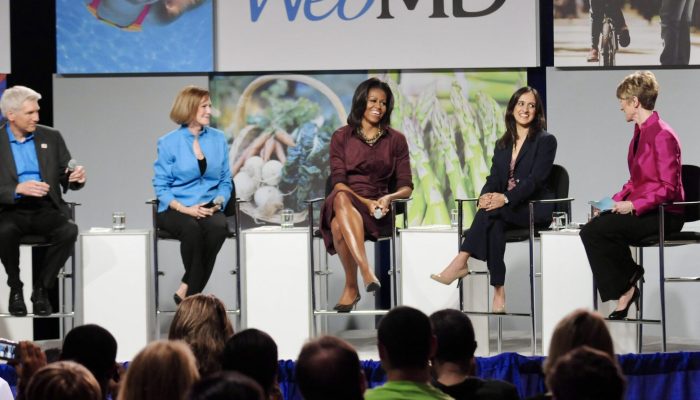
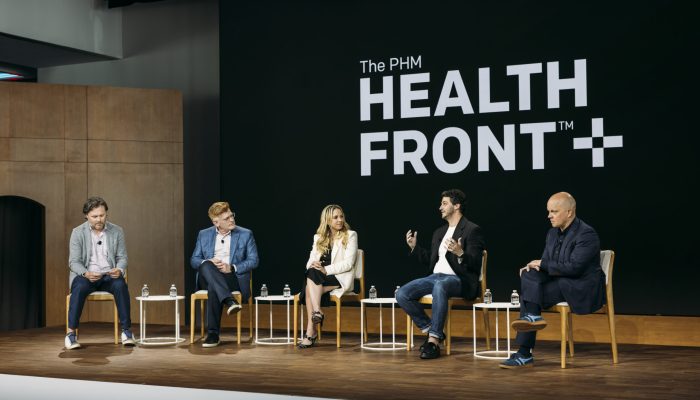
When a leadership team gathers for a high-stakes strategy session or a sales organization convenes to review quarterly results, the quality of the meeting production directly influences the clarity of discussion and the confidence of the decisions that follow. Corporate meeting production is not merely about logistics or audiovisual setup it shapes how information is presented, how participants engage, and how effectively groups reach alignment. For organizations that depend on these gatherings to drive strategic direction, investing in thoughtful production becomes a practical lever for better business outcomes.
When your most important meeting, launch, summit, or training experience needs to move people, every detail matters. Strategy guides the work. Creativity shapes the story. Precision brings it to life. DEVLINHAIR Production & Learning designs and produces action-driven meetings, live events, and training experiences that move audiences. From our New York City studio, DEVLINHAIR helps organizations bring complex ideas, leadership priorities, and learning moments to life with clarity, purpose, and production precision. Ready to create a hybrid experience your audience can follow, feel, and act on? Let’s talk.
Why Production Quality Matters for Decision-making
Corporate meetings often serve as the primary venue where complex information meets collective judgment. When production elements such as stage design, lighting, sound, and visual aids are executed with precision, participants can focus on the content rather than struggling with distractions or unclear delivery. Poor production, by contrast, can fragment attention, dilute key messages, and leave attendees uncertain about next steps.
Leaders responsible for corporate meetings and decision making understand that the environment itself sends a signal about the importance of the discussion. A well-produced meeting conveys respect for participant’s time and reinforces the significance of the topics at hand. This foundational clarity helps groups move more efficiently from sharing information to debating options and committing to action.
In practice, strong production supports better decision-making by reducing cognitive friction. When visuals are sharp, audio is crisp, and the flow feels intentional, participants stay engaged longer and process information more deeply. This sustained focus creates the conditions for more nuanced conversations and higher-quality outcomes.
Creating Environments That Support Focused Dialogue
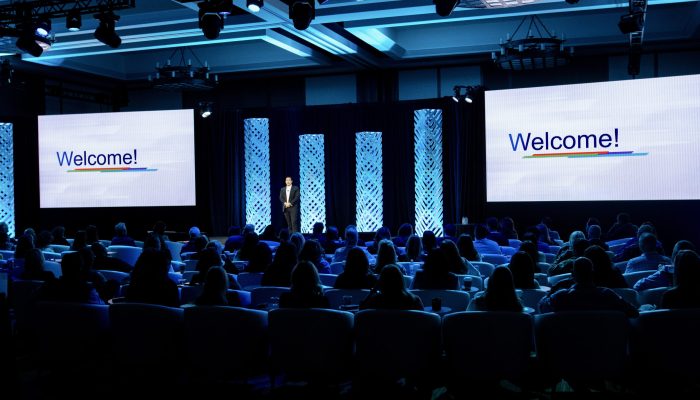
Effective meeting design goes beyond basic functionality to create spaces that encourage open exchange and collaborative thinking. Production teams that prioritize attendee experience consider sightlines, seating configurations, and technology integration from the earliest planning stages. These choices help ensure every participant whether in the room or joining remotely feels included in the conversation.
Strategic use of visual storytelling, for instance, can make abstract concepts tangible. When data visualizations, timelines, or scenario models are presented cleanly, groups can reference them in real time during discussion. This shared reference point minimizes misinterpretation and accelerates consensus-building around critical decisions.
Production also plays a key role in managing energy and attention throughout longer sessions. Thoughtful pacing, strategic breaks, and dynamic elements keep participants mentally fresh, which is essential when decisions carry significant organizational weight. Corporate meeting production that accounts for human factors ultimately supports more resilient and creative problem-solving.
Hybrid Capabilities That Expand Participation
Many organizations now rely on hybrid formats to bring distributed teams together for important meetings. When hybrid capabilities are designed intentionally, they extend the reach of decision-making processes without sacrificing the richness of in-person interaction. Production partners who excel in this space ensure seamless integration between physical and virtual elements so that remote contributors can engage meaningfully.
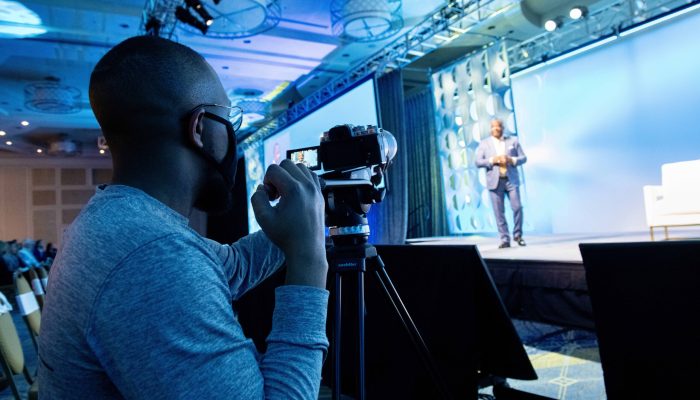
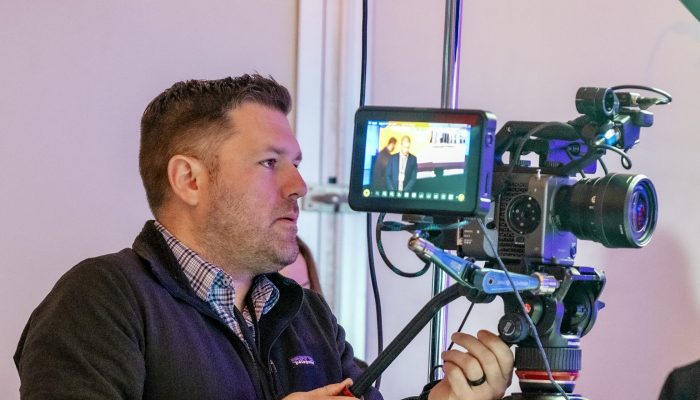
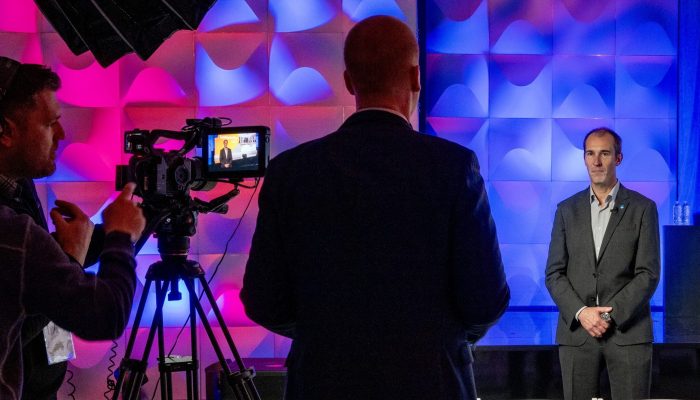
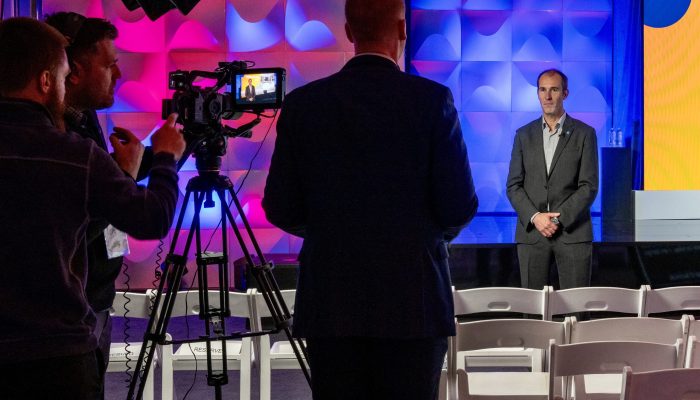
High-quality hybrid production includes reliable streaming, interactive tools for real-time feedback, and camera work that captures nuance in both the room and on screen. These technical foundations allow leadership to gather input from a broader range of perspectives, leading to more informed and inclusive decisions. The result is stronger alignment across geographies and functions.
Rather than treating hybrid as an add-on, forward-thinking teams embed it into the core meeting strategy. This approach helps organizations maintain momentum on key initiatives even when travel constraints or scheduling conflicts arise. For corporate meetings and decision making, well-executed hybrid experiences have become an essential capability.
Measurement That Turns Meetings Into Learning Opportunities
Measurement in corporate meeting production has evolved dramatically from simply counting attendees to using AI-enhanced tools that reveal how people actually experience a gathering. Organizations are now prioritizing metrics that directly inform strategic decision-making rather than collecting data for its own sake, drawing on advances in technology and even neuroscience to understand audience response at a deeper level. This shift matters because decision-makers today expect a fuller and more nuanced picture of return on investment than headcount or basic satisfaction scores can provide. Tools like heat-mapping sensors, engagement cameras, and RFID tracking already give producers a literal picture of how attendees move through and interact with a meeting space, but the real advancement is in how quickly that data can now be processed and turned into actionable insight.
For corporate teams, this means meeting production is no longer just about logistics and execution; it is about designing an environment instrumented to capture the signals leadership actually needs, whether that is on-site engagement, lead quality, or post-event connections. When a meeting is built with this kind of measurement architecture from the start, the resulting data becomes a genuine decision-support tool, helping executives determine which formats, content types, and experiences are worth repeating or scaling, and which need to be reworked before the next investment is made. Organizations are increasingly using AI-powered event measurement strategies to gain deeper insight into engagement patterns and audience response.
Understanding the real impact of a corporate meeting requires moving beyond attendance numbers to capture how participants experienced the content and what they took away. By pairing thoughtful production design with robust measurement, meeting leaders can refine future sessions based on actual data rather than assumptions. This iterative approach strengthens the connection between meeting experiences and business results, making each gathering more effective than the last.
Understanding how peer organizations approach budgets, feedback, and return on investment gives corporate teams a valuable benchmark when deciding how much confidence to place in their own meeting programs. Recent industry data shows that despite ongoing budget pressure and rising costs, sentiment around the value of in-person and hybrid meetings remains largely positive, with more organizations viewing live gatherings as essential rather than optional to business growth. At the same time, effectively measuring impact and proving ROI continue to be identified as the areas where event professionals have the most room to improve, which underscores why production decisions increasingly need to be paired with clear measurement plans from the outset. For companies producing internal meetings, training sessions, or client events, this kind of aggregated industry data offers a useful reality check: it helps leadership understand whether their own attendee feedback processes, budget allocations, and reported outcomes are in line with broader trends, or whether adjustments are needed. Recent data on b-to-b events shows that while budgets remain under pressure, organizations continue to view live and hybrid gatherings as essential for growth provided they can demonstrate clear return on investment. B-to-b event ROI benchmarks highlight that improving measurement practices remains one of the most significant opportunities for event professionals.
Practical Production Strategies for Better Outcomes
Teams planning corporate meetings can apply several production-focused tactics to support stronger decision-making. Start by aligning production choices with the specific objectives of the meeting whether the goal is strategic alignment, skill-building, or launch momentum. This clarity guides decisions about technology, staging, and content delivery.
Consider the audience’s needs and preferences early. Production that incorporates interactive elements, such as polling or facilitated breakout discussions, can surface valuable insights that might otherwise remain unspoken. Similarly, ensuring accessibility for all participants including those joining remotely removes barriers to full engagement.
Rehearsal and technical testing remain critical. Even the most compelling content can lose impact if delivery falters. Production partners who emphasize precision help safeguard the meeting’s goals by anticipating and resolving potential issues before attendees arrive.
Finally, build in mechanisms for immediate feedback. Quick pulse checks during or immediately after sessions provide production teams with actionable information to adjust on the fly or apply to future events. These small adjustments compound over time, steadily elevating meeting effectiveness.
DEVLINHAIR’s Approach to Action-driven Meetings
For DEVLINHAIR Production & Learning, effective experience design begins with a clear strategic foundation. Strategy guides the work. Creativity shapes the story. Precision brings it to life. We design and produce action-driven meetings, live events, and training experiences that move audiences.
This integrated approach ensures that every production element serves the broader business purpose. Whether supporting a leadership summit, product launch, or training program, DH focuses on creating environments where participants can engage deeply with content and with one another. The result is meetings that not only inform but actively drive decision-making and organizational momentum.
By combining deep production expertise with an understanding of learning and communication dynamics, DEVLINHAIR helps clients transform standard corporate gatherings into catalysts for progress. The emphasis remains on practical outcomes: clearer alignment, faster decisions, and stronger follow-through.
Evaluating Your Current Meeting Production
Leaders can assess their own programs by asking a few targeted questions. Does the production support the intended level of interaction? Are remote participants able to contribute as fully as those in the room? Are there clear mechanisms in place to measure engagement and impact? An honest review often reveals opportunities to elevate both the experience and the results.
Small refinements in production strategy can yield significant improvements in meeting outcomes. Organizations that treat production as a strategic capability rather than a logistical necessity position themselves to make better decisions more consistently.
As corporate meetings continue to evolve, the role of thoughtful production will only grow in importance. Companies that invest in this area gain a practical advantage in communication, collaboration, and strategic execution.
Strong corporate meeting production creates the conditions for better decision-making by supporting clarity, engagement, and meaningful interaction. For organizations seeking to maximize the value of their leadership gatherings, training sessions, and strategy meetings, partnering with experienced production teams can make the difference between routine updates and transformative conversations. DEVLINHAIR Production & Learning stands ready to help design and deliver experiences that drive real business progress.
Frequently Asked Questions
How does corporate meeting production improve decision-making?
Corporate meeting production improves decision-making by creating an environment where information is presented clearly and participants can stay focused on strategic discussions. Effective event production uses technology, visuals, sound, and design to reduce distractions and support stronger alignment among teams.
What role do hybrid events play in corporate meetings and audience engagement?
Hybrid events help corporate meetings include both in-person and remote participants through reliable streaming, interactive tools, and intentional audience engagement strategies. A well-designed hybrid experience allows organizations to gather broader perspectives while maintaining meaningful participation across locations.
How can companies measure the success of corporate meeting production?
Companies can measure corporate meeting production success by evaluating engagement, participant feedback, content effectiveness, and business outcomes rather than attendance alone. Using measurement strategies helps teams refine future meetings, training experiences, and live events based on real audience insights.
Disclaimer: The above helpful resources content contains general insights and perspectives for informational purposes only. The information provided is for general knowledge and does not constitute professional advice.
You may also be interested in: How Production Teams Help Leaders Deliver Clearer Messages
When your most important meeting, launch, summit, or training experience needs to move people, every detail matters. Strategy guides the work. Creativity shapes the story. Precision brings it to life. DEVLINHAIR Production & Learning designs and produces action-driven meetings, live events, and training experiences that move audiences. From our New York City studio, DEVLINHAIR helps organizations bring complex ideas, leadership priorities, and learning moments to life with clarity, purpose, and production precision. Ready to create a hybrid experience your audience can follow, feel, and act on? Let’s talk.
Powered by flareAI.co