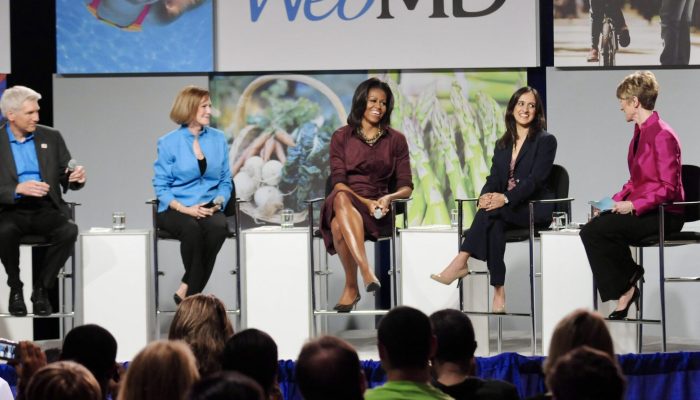
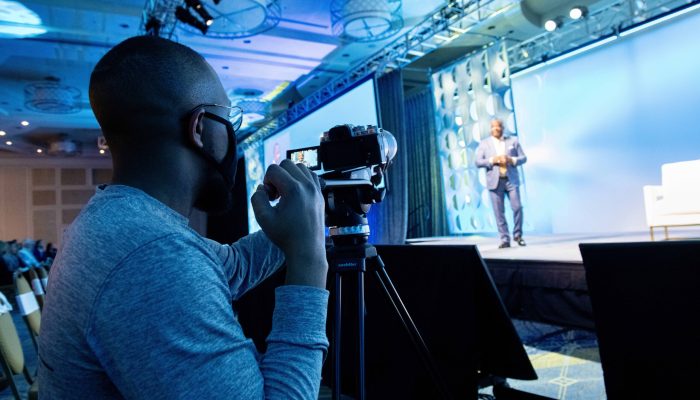
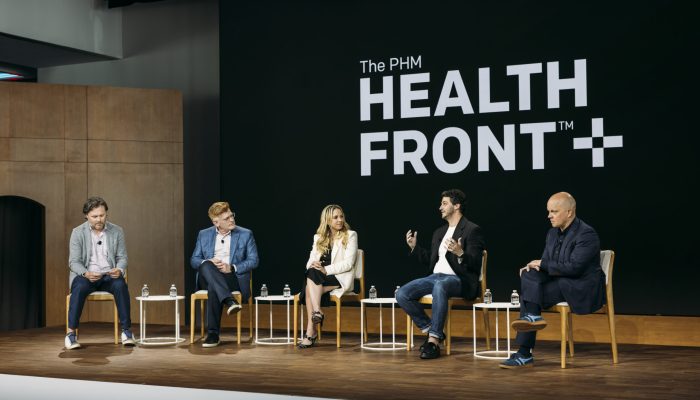
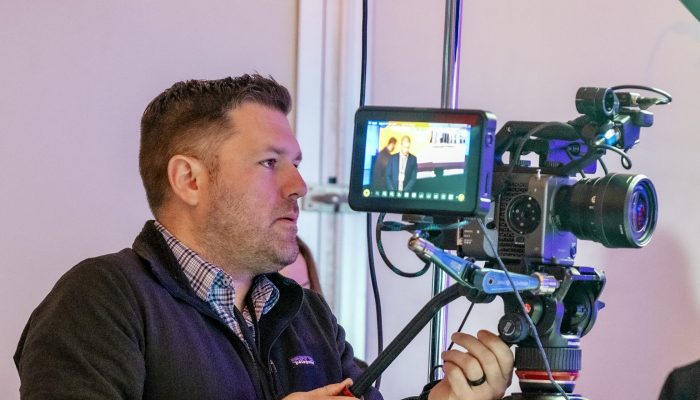
When a company brings teams together for instructor-led training, the difference between checking a box and driving real behavior change often comes down to execution. Dry presentations and generic setups rarely create the conditions for deep learning or lasting retention. High-quality event production, by contrast, transforms these sessions into focused, engaging experiences that help participants absorb complex material, connect it to their work, and leave ready to apply what they’ve learned.
When your most important meeting, launch, summit, or training experience needs to move people, every detail matters. Strategy guides the work. Creativity shapes the story. Precision brings it to life. DEVLINHAIR Production & Learning designs and produces action-driven meetings, live events, and training experiences that move audiences. From our New York City studio, DEVLINHAIR helps organizations bring complex ideas, leadership priorities, and learning moments to life with clarity, purpose, and production precision. Ready to create a hybrid experience your audience can follow, feel, and act on? Let’s talk.
Why Production Quality Matters for Instructor-led Training Outcomes
Instructor-led training remains one of the most effective ways to build skills, align teams around new initiatives, and transfer nuanced knowledge that benefits from real-time interaction and feedback. Yet many programs fall short not because of weak content, but because the delivery environment fails to support attention, interaction, and retention. Professional event production addresses this gap by treating training as a deliberate experience rather than a standard meeting.
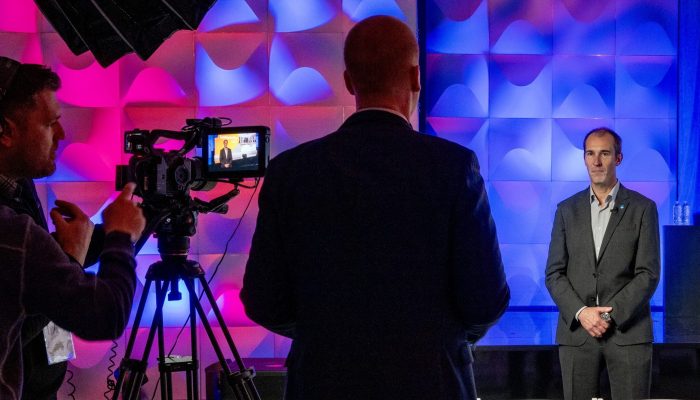
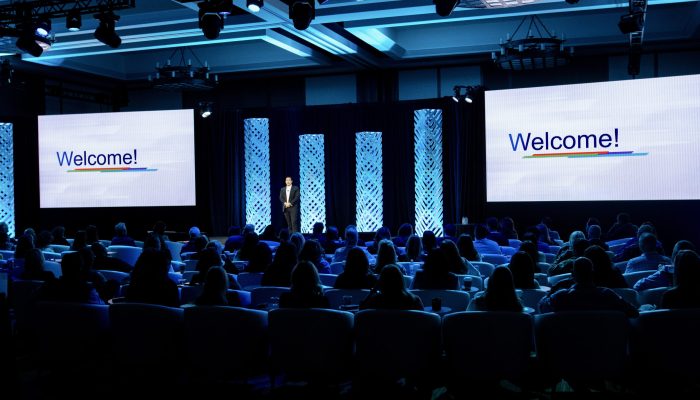
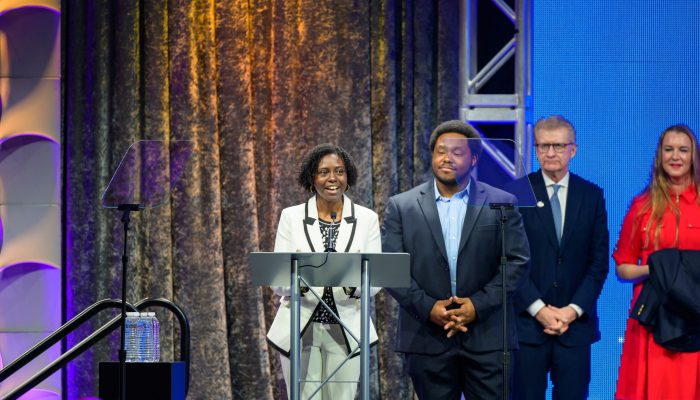
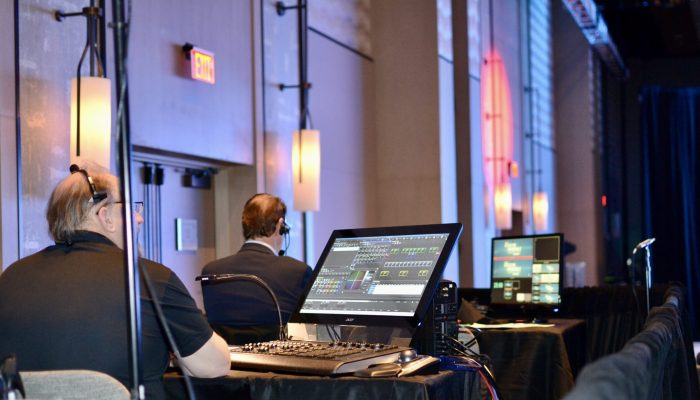
Production teams bring expertise in room layout, audiovisual systems, lighting, staging, and flow design that help instructors maintain engagement and reinforce key messages. When participants feel the environment has been intentionally crafted for learning, they engage more fully and retain more of what they hear and do. This matters particularly for technical topics, compliance training, leadership development, or product knowledge sessions where understanding must translate into performance.
DEVLINHAIR Production & Learning approaches these programs with the understanding that every detail from seating configurations to visual support serves the instructional goals. The focus stays on creating conditions where trainers can teach effectively and learners can absorb and practice new skills.
Shifting From Passive Lectures to Interactive, Themed Learning
Traditional lecture-style instruction is giving way to more interactive models, and the shift has real implications for anyone designing instructor-led training programs. Organizations are building themed, hands-on learning stations that turn passive listening into active participation. Early results suggest this approach improves both engagement and retention among attendees.
Financial services and technology brands have successfully used movie-themed breakout stations, escape-room-style problem-solving exercises, and other creative challenges to teach complex material. These formats keep participants mentally engaged rather than checked out. The underlying principle applies directly to corporate training: when instructors pair core content with well-produced interactive elements whether staged activities, branded visuals, or structured group challenges learners are more likely to absorb and apply what they’ve been taught.
Traditional lecture-style instruction is giving way to a more interactive model, and the shift has real implications for anyone designing instructor-led training programs. Rather than relying on one-way presentations, organizations are building themed, hands-on learning stations that turn passive listening into active participation, and early results suggest this approach is improving both engagement and retention among attendees. Financial services and technology brands have used movie-themed breakout stations, escape-room-style problem-solving exercises, and vault-inspired challenges to teach complex or otherwise dry material in a way that keeps participants mentally engaged rather than checked out. The underlying principle applies directly to corporate training: when instructors pair core content with well-produced interactive elements, whether that’s staged activities, branded visuals, or structured group challenges, learners are more likely to absorb and apply what they’ve been taught.
This is especially relevant in a post-pandemic environment where audiences expect their time to be respected and rewarded with tangible value, not just information delivery. For instructor-led training specifically, this trend reinforces that production choices, room layout, staging, thematic design, and built-in interactivity are not decorative extras. They are functional tools that support the actual instructional goal, making it easier for trainers to hold attention, reinforce key concepts, and ensure that lessons stick well beyond the session itself.
Purpose-built Venues and Infrastructure for Effective Training
Some of the country’s largest meeting venues are investing directly in the infrastructure that instructor-led training depends on. Convention centers are adding dedicated conference rooms designed specifically for hosting instructor-led sessions, alongside computer labs built for parallel online modules. This allows organizations to run blended programs without makeshift setups.
These developments signal that instructor-led training is no longer treated as an afterthought squeezed into a generic ballroom. Venues are also expanding staff training centers that cover safety, technical skills, customer service, and hospitality. Long-term technology partnerships tied to these spaces covering staging, sound, lighting, and hybrid streaming capability show that production quality is now considered inseparable from training outcomes.
Some of the country’s largest meeting venues are now investing directly in the infrastructure that instructor-led training depends on, a signal of how central live, structured learning has become to the events industry. Convention centers are adding dedicated conference rooms designed specifically for hosting instructor-led sessions, alongside computer labs built for parallel online modules, so organizations can run blended programs without cobbling together makeshift classroom setups. This shift matters because it shows that instructor-led training is no longer treated as an afterthought squeezed into a generic ballroom; it is being planned for with the same intentionality as a keynote stage or an exhibit hall.
Venues are also expanding staff training centers that cover everything from safety and technical skill-building to customer service and hospitality, reinforcing that structured, face-to-face instruction remains the preferred format for skill transfer even in an increasingly digital world. Long-term technology partnerships tied to these spaces, covering staging, sound, lighting, and hybrid streaming capability, further demonstrate that production quality is now considered inseparable from training outcomes. For any organization planning instructor-led programs, this points to a clear takeaway: choosing a venue and production partner equipped for structured learning, not just general events, directly affects how well information is delivered, retained, and applied by participants long after the session ends.
Hybrid Capabilities That Extend Reach Without Sacrificing Quality
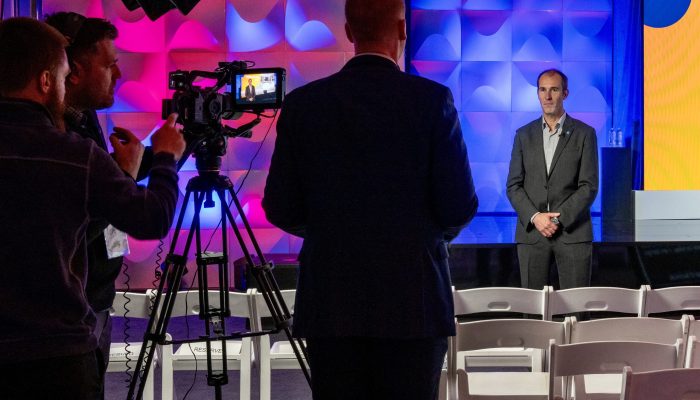
Many organizations now need to train distributed teams, remote employees, or multiple locations simultaneously. Professional event production brings hybrid capabilities that maintain the integrity of instructor-led experiences across both in-person and virtual audiences. This goes beyond basic video calls to include thoughtful camera placement, clear audio reinforcement, interactive polling, breakout integration, and content that works equally well on large screens and personal devices.
Production expertise ensures that remote participants receive the same level of engagement and clarity as those in the room. Simultaneous interpretation, real-time captioning, and synchronized materials become seamless rather than afterthoughts. The result is training that feels unified and purposeful, regardless of location.
For DEVLINHAIR Production & Learning, effective experience design starts with a clear strategic foundation. Strategy guides the work. Creativity shapes the story. Precision brings it to life. That approach helps organizations design and produce action-driven meetings, live events, and training experiences that move audiences.
Practical Considerations for Training Leaders
When planning instructor-led programs, learning and development leaders should evaluate several production-related factors. Room acoustics and sightlines affect how easily participants can follow complex demonstrations. Lighting design can reduce fatigue during full-day sessions. Flexible staging supports different teaching methods, from panel discussions to hands-on workshops.
Technology integration deserves equal attention. Reliable connectivity, intuitive presentation tools, and backup systems prevent disruptions that break momentum. Post-session support recording quality, clip editing, and accessible materials extends the value of the live training.
Production partners who understand both event execution and learning design can help align these elements to specific training objectives. The goal is not spectacle for its own sake, but purposeful support that makes instruction more effective.
Measuring Success Beyond Completion Rates
Strong event production contributes to outcomes that matter: knowledge retention, skill application, confidence in new processes, and measurable behavior change. Leaders can assess this through follow-up evaluations, on-the-job performance indicators, and feedback that specifically addresses the learning environment.
Participants who experience well-produced training often report higher satisfaction and clearer understanding. Instructors benefit from environments that allow them to focus on teaching rather than troubleshooting technical issues. Organizations see better return on their investment when training translates more effectively into performance.
Choosing the Right Production Support for Your Training Programs
Not every training initiative requires the same level of production support. Smaller internal workshops may need thoughtful room setup and clear audiovisual reinforcement, while major product rollouts or leadership development programs benefit from comprehensive experiential design. The key is matching production capabilities to the learning objectives and audience needs.
DEVLINHAIR Production & Learning (DH) brings specialized expertise to these programs, helping organizations move beyond standard training delivery to experiences that truly drive results. By focusing on the intersection of instructional goals and professional event production, DH helps clients create training that participants remember and apply.
Effective instructor-led training depends on more than strong content it requires an environment designed for engagement, clarity, and retention. Professional event production provides the strategic and creative support that turns good program interactive elements into exceptional learning experiences. Organizations that invest in this area often see stronger outcomes from their training investments and better alignment around key initiatives.
Frequently Asked Questions
How does event production improve instructor-led training experiences?
Event production improves instructor-led training by creating an environment that supports engagement, clarity, and knowledge retention. Professional audiovisual systems, room layouts, lighting, staging, and content delivery tools help instructors focus on teaching while participants absorb and apply key concepts more effectively.
Why is event production important for hybrid corporate training programs?
Event production is important for hybrid corporate training because it helps create a consistent learning experience for both in-person and remote audiences. Strategic camera placement, audio reinforcement, interactive tools, and synchronized content support audience engagement across locations without reducing the quality of the training experience.
How can event production support better learning outcomes for corporate meetings and training events?
Event production supports better learning outcomes by aligning the physical and technical environment with the goals of the training program. For corporate meetings, product launches, and learning experiences, thoughtful production design helps improve focus, participation, and the ability to retain and apply new information.
Disclaimer: The above helpful resources content contains general insights and perspectives for informational purposes only. The information provided is for general knowledge and does not constitute professional advice.
You may also be interested in: How Production Teams Balance Innovation With Reliability
When your most important meeting, launch, summit, or training experience needs to move people, every detail matters. Strategy guides the work. Creativity shapes the story. Precision brings it to life. DEVLINHAIR Production & Learning designs and produces action-driven meetings, live events, and training experiences that move audiences. From our New York City studio, DEVLINHAIR helps organizations bring complex ideas, leadership priorities, and learning moments to life with clarity, purpose, and production precision. Ready to create a hybrid experience your audience can follow, feel, and act on? Let’s talk.
Powered by flareAI.co