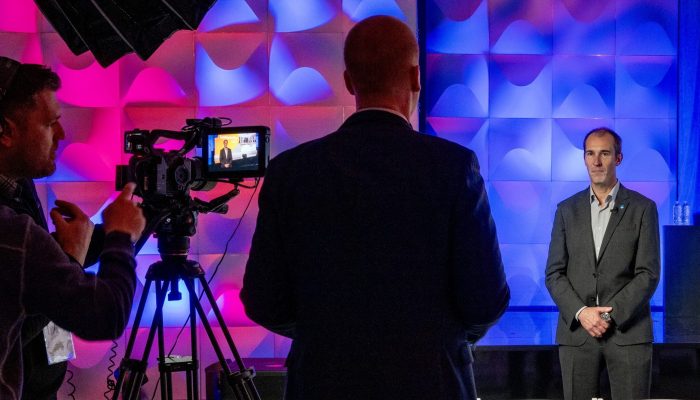
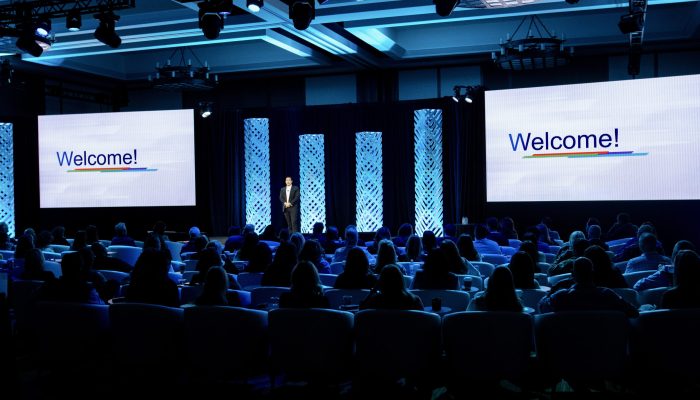
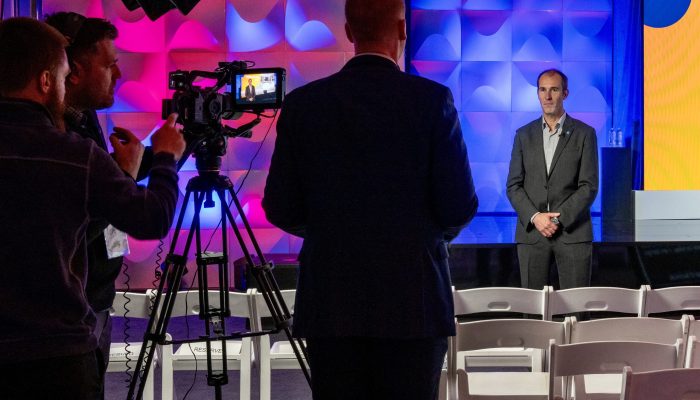
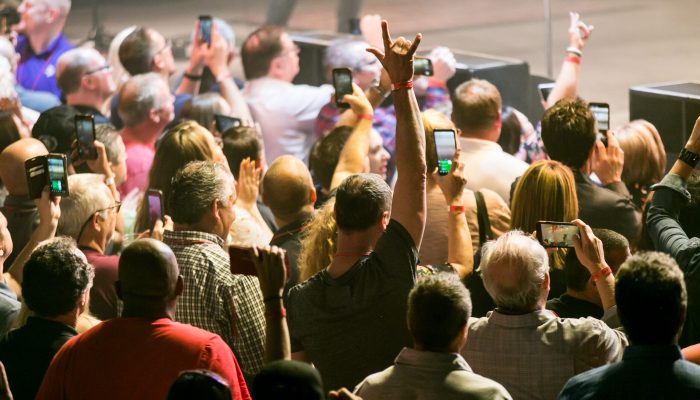
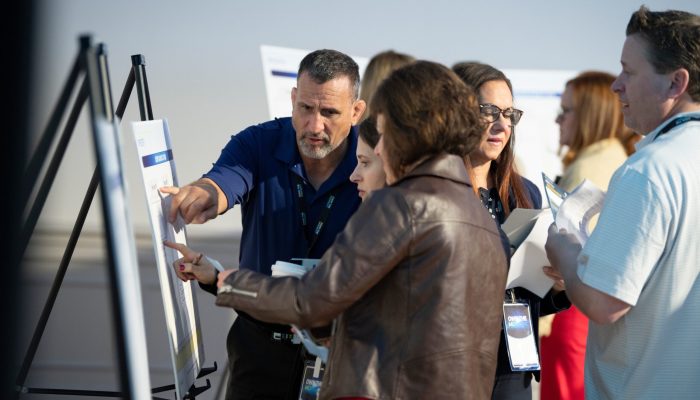
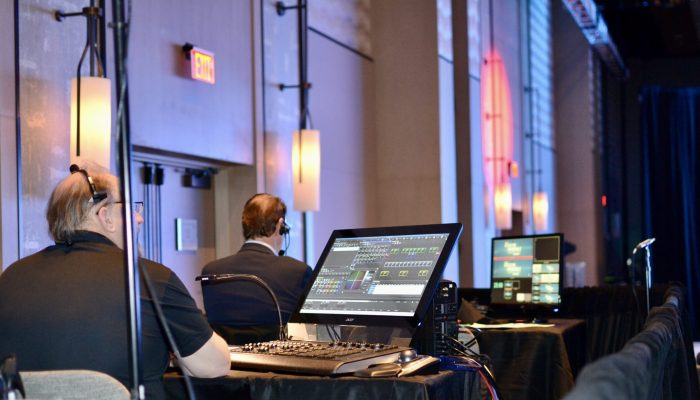
When a company brings leaders together with teams for a critical meeting, product launch, or training program, the stakes go far beyond sharing information. The real challenge lies in ensuring the message lands clearly, connects personally, and drives alignment and action. Strong production planning plays a central role in making that happen by turning abstract leadership communication into structured, memorable experiences.
When your most important meeting, launch, summit, or training experience needs to move people, every detail matters. Strategy guides the work. Creativity shapes the story. Precision brings it to life. DEVLINHAIR Production & Learning designs and produces action-driven meetings, live events, and training experiences that move audiences. From our New York City studio, DEVLINHAIR helps organizations bring complex ideas, leadership priorities, and learning moments to life with clarity, purpose, and production precision. Ready to create a hybrid experience your audience can follow, feel, and act on? Let’s talk.
The Role of Production Planning in Leadership Messaging
Production planning encompasses far more than logistics and timelines. It serves as the strategic framework that shapes how leaders deliver their vision, values, and priorities. By carefully orchestrating every element from venue selection and technical setup to content flow and audience interaction production teams create environments where leadership communication feels intentional and impactful rather than improvised.
Well-executed planning helps eliminate common barriers to effective messaging, such as technical disruptions, unclear sequencing, or mismatched audience expectations. Leaders can focus on connecting with their people instead of worrying about execution details. This preparation builds confidence on stage and credibility with the audience, reinforcing the authenticity of the message itself.
In corporate meetings and live events, production planning also enables purposeful storytelling. It ensures key themes emerge naturally through visuals, pacing, and supporting elements that amplify rather than distract from leadership communication. The result is an experience that feels cohesive and professionally delivered.
Creating Clarity Through Structured Event Design
One of the primary ways production planning strengthens leadership communication is by establishing clear structure. Detailed planning sessions map out messaging arcs, identify critical decision points, and align supporting content with leadership objectives. This preparation prevents messages from getting lost in overly complex formats or rushed delivery.
Event production teams work closely with communications leaders to refine talking points, integrate multimedia elements that illustrate concepts, and build in opportunities for real-time feedback. The planning process itself often surfaces potential confusion points early, allowing refinements before the live moment. This proactive approach leads to sharper, more focused leadership communication that audiences can easily follow and retain.
For training experiences and leadership summits, structured production planning incorporates adult learning principles and engagement techniques. It transforms standard presentations into interactive sessions where leaders can gauge understanding and adjust in the moment. The planning rigor ensures these experiences support long-term retention and behavioral change rather than one-time information delivery.
Building Trust When Challenges Arise
Even the best-planned events encounter unexpected issues. Event production planning goes far beyond timelines and logistics when it comes to leadership communication. In live events, even the most experienced teams encounter unexpected issues that can strain relationships with stakeholders, yet proactive planning turns these moments into opportunities for stronger bonds. How to rebuild trust when things go wrong at events. The approach emphasizes radical transparency by acknowledging problems immediately without waiting for a fix, followed by consistent updates that keep everyone aligned and informed.
Visible leadership presence matters too, as executives stepping forward to support teams or engage directly with clients demonstrate accountability and calm the environment during high-pressure situations. Production teams prepare protocols for various scenarios, ensuring leaders have the support needed to respond with transparency and calm. This preparation allows executives to step forward authentically, showing accountability while keeping participants informed and engaged. The result is preserved trust and, in many cases, enhanced loyalty because audiences see leadership addressing challenges head-on.
Post-event follow-through, another key element of strong production planning, reinforces this trust. Documenting lessons learned and implementing improvements for future programs demonstrates commitment to continuous enhancement of both the experience and the underlying communication.
Incorporating Stakeholder Input From the Start
Successful production planning begins with inclusive stakeholder engagement. Gathering input early from employees, partners, and other key groups ensures the event reflects diverse perspectives and addresses real needs. This approach makes leadership communication feel relevant and responsive rather than top-down.
Effective event production planning directly influences how leadership communicates with employees, partners, and investors by prioritizing inclusive strategies from the earliest stages. Overlooking diverse stakeholder interests often leads to events that feel disconnected from the groups they aim to serve, but gathering feedback early through structured planning sessions ensures every voice shapes the experience from concept to follow-up. How to gather stakeholder input during event planning. This includes identifying expectations around messaging, format, and desired outcomes. Production teams can then design experiences that incorporate these insights, creating a sense of shared ownership.
Historical storytelling and multimedia elements further help communicate company achievements and culture in ways that resonate emotionally. For hybrid and distributed audiences, this planning process ensures both in-person and remote participants receive equitable experiences. Production planning coordinates technology, content adaptation, and interaction opportunities so leadership messaging reaches everyone effectively, regardless of location.
Hybrid Capabilities in Modern Leadership Communication
Hybrid production planning has become essential for reaching today’s distributed workforces. It requires careful coordination of live and virtual elements to maintain consistent messaging and engagement levels. Strong planning ensures seamless transitions, appropriate technical infrastructure, and content that works across formats.
Leaders benefit from this approach because it expands their reach without sacrificing the impact of face-to-face connection. Production teams design hybrid experiences that give remote participants meaningful ways to engage, ask questions, and feel included. This capability supports broader internal alignment and more inclusive leadership communication.
DEVLINHAIR Production & Learning brings specialized expertise to these hybrid programs. Strategy guides the work. Creativity shapes the story.
Precision brings it to life. We design and produce action-driven meetings, live events, and training experiences that move audiences. This integrated approach helps organizations deliver leadership messages that connect across both physical and digital spaces.
Practical Steps for Stronger Production-led Communication
Leaders and communications teams can strengthen outcomes by partnering closely with production experts from the earliest planning stages. Define clear communication objectives upfront, then let those objectives guide every production decision. Regular check-ins between leadership and production teams keep messaging aligned as plans evolve.
Build in flexibility for real-time adjustments while maintaining overall structure. Test technical elements thoroughly and prepare backup plans for common challenges. Most importantly, treat production planning as a strategic communication tool rather than purely logistical support.
After each program, conduct structured debriefs focused on both execution and messaging effectiveness. Use those insights to refine future approaches. Over time, this disciplined process elevates leadership communication from functional information-sharing to truly transformative audience experiences.
Measuring Success Beyond the Event
Effective production planning also includes mechanisms for evaluating communication impact. Beyond attendance numbers or basic satisfaction scores, look for indicators of message retention, behavioral change, and sustained alignment. Follow-up surveys, focus groups, and performance metrics tied to event objectives provide valuable feedback.
Production teams can help design these measurement approaches as part of the overall plan. This data-driven refinement loop ensures continuous improvement in how leaders connect with their audiences through live, hybrid, and training experiences.
Organizations that invest thoughtfully in production planning often see stronger internal cohesion, clearer strategic alignment, and more effective execution of leadership initiatives. The planning process itself becomes a powerful enabler of authentic, impactful communication.
By treating production planning as a core component of leadership communication strategy, organizations create experiences that inform, inspire, and drive meaningful action. DEVLINHAIR Production & Learning partners with clients to deliver these high-stakes moments with the strategy, creativity, and precision they deserve.
Frequently Asked Questions
How does production planning improve leadership communication during corporate meetings and live events?
Production planning improves leadership communication by creating a structured experience that aligns messaging, technology, timing, and audience engagement. It helps leaders deliver clearer messages, reduce distractions, and create corporate meetings or live events that encourage understanding and action.
Why is production planning important for hybrid events and training experiences?
Production planning is important for hybrid events and training experiences because it ensures both in-person and remote audiences receive a consistent, engaging experience. Strategic planning coordinates content, technology, and interaction opportunities to support learning outcomes and stronger audience engagement.
How can event production planning help leaders build trust with their audiences?
Event production planning helps leaders build trust by preparing teams to handle challenges with transparency, consistency, and confidence. A well-planned production approach supports authentic leadership communication, allowing executives to stay focused on connection and accountability during important events.
Disclaimer: The above helpful resources content contains general insights and perspectives for informational purposes only. The information provided is for general knowledge and does not constitute professional advice.
You may also be interested in: How Production Planning Supports Organizational Growth
When your most important meeting, launch, summit, or training experience needs to move people, every detail matters. Strategy guides the work. Creativity shapes the story. Precision brings it to life. DEVLINHAIR Production & Learning designs and produces action-driven meetings, live events, and training experiences that move audiences. From our New York City studio, DEVLINHAIR helps organizations bring complex ideas, leadership priorities, and learning moments to life with clarity, purpose, and production precision. Ready to create a hybrid experience your audience can follow, feel, and act on? Let’s talk.
Powered by flareAI.co