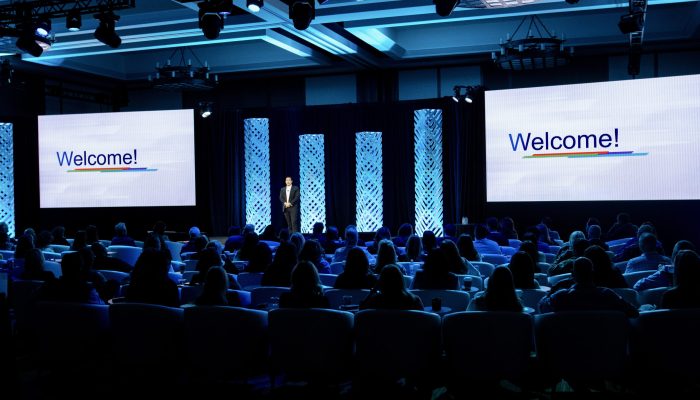
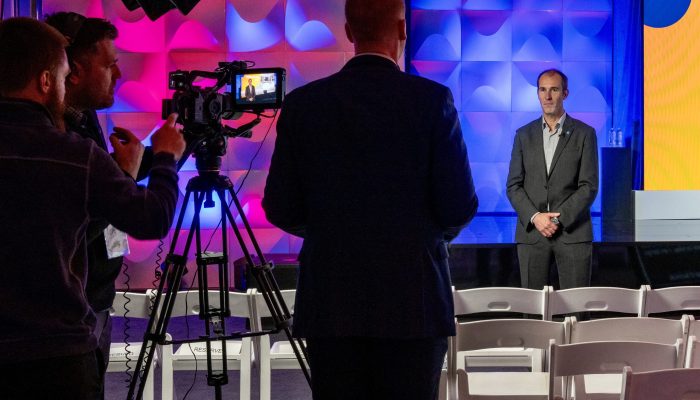
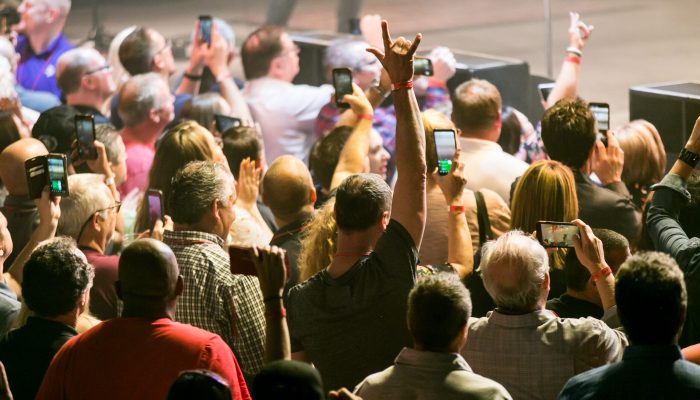
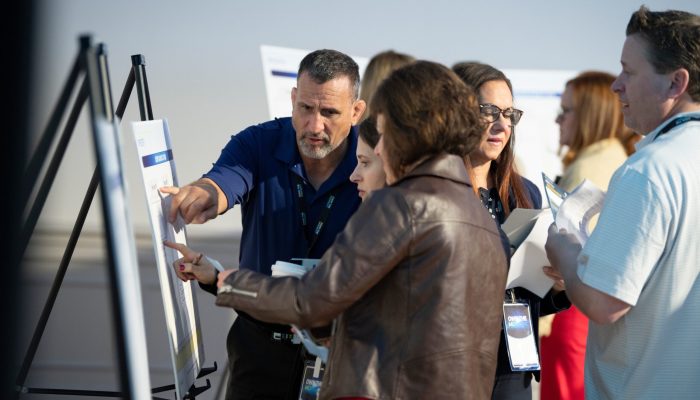
When organizations bring teams together for a product launch, sales conference, or training summit, the goal is rarely just to share information. The real challenge is ensuring every attendee experiences the message clearly, feels connected to their role, and leaves ready to act. In today’s live programs, however, external pressures can quickly turn a well-planned event into a source of disruption. From supply chain shifts to unforeseen logistics gaps, these risks threaten the very alignment and retention the program is designed to create.
When your most important meeting, launch, summit, or training experience needs to move people, every detail matters. Strategy guides the work. Creativity shapes the story. Precision brings it to life. DEVLINHAIR Production & Learning designs and produces action-driven meetings, live events, and training experiences that move audiences. From our New York City studio, DEVLINHAIR helps organizations bring complex ideas, leadership priorities, and learning moments to life with clarity, purpose, and production precision. Ready to create a hybrid experience your audience can follow, feel, and act on? Let’s talk.
Why Professional Event Production Has Become Essential for Risk Reduction
Live programs in the corporate space face pressures that no single team member can fully anticipate. Material costs fluctuate, vendor timelines compress, and unexpected conditions arise that directly affect audience engagement and learning outcomes. Professional event production teams address these challenges by embedding flexibility and contingency planning into every stage of the process. Rather than treating risk as a reactive fix, they build it into the foundation, creating programs that remain resilient even when conditions change.
The operating environment for live event production has grown significantly more complex, with cost volatility, supply chain variability, and shifting material availability creating real risk exposure for programs at every scale. Leading event agencies have responded not by simply absorbing these pressures, but by redesigning their production planning approach from the ground up. The most effective teams are now building buffers into timelines and resource allocations, leaning on trusted vendor networks rather than seeking cheaper alternatives that introduce reliability risk, and designing more modular production infrastructure that can be adapted quickly if a key component becomes unavailable or prohibitively expensive. Rather than treating contingency planning as an afterthought or a budget line item to be minimized, experienced producers are embedding flexibility into every stage of the production cycle from concept design through final execution.
For organizations producing live learning events, training summits, or brand-facing programs, this shift in philosophy has direct implications for how they evaluate and select production partners. A team that builds contingency into its structure from the start is far less likely to deliver a compromised experience when external conditions shift unexpectedly. The agencies navigating today’s challenges most successfully are those treating adaptability as a core production value, not just a backup plan and their clients benefit directly from that discipline during any live program where conditions on the ground differ from what was planned.
Recent industry reporting highlights how production environments have become increasingly volatile, with shifting material costs, supply chain instability, and resource availability forcing teams to rethink how live programs are designed from the ground up. Leading production partners are responding by building structured buffers into timelines, leaning on established vendor networks rather than lowest-cost options, and designing modular infrastructure that can be adjusted quickly when conditions change. This approach reframes contingency planning as a core production principle rather than a backup strategy. In practice, it means organizations delivering training experiences, product launches, and leadership meetings can maintain consistency even when external factors shift unexpectedly, ensuring the audience experience remains stable and intentional.
The Role of Contingency Planning in Live Program Design
Contingency planning is no longer an optional backup line item. It is a core element of successful live production. Teams that prepare multiple scenarios, maintain clear emergency protocols, and train every member to understand their role when plans shift report far fewer visible failures and faster recoveries. This preparation directly supports audience engagement because attendees notice when a program stays on track and feels professionally managed.
Even on-site execution challenges underscore the importance of structured contingency planning and clear communication. When vendor delays, technical issues, or weather disruptions occur, the difference between escalation and resolution is almost always the presence of documented procedures and trained teams. High-performing production partners emphasize proactive client communication before events begin, ensuring that risks are understood early and expectations remain realistic. This transparency builds trust and prevents the breakdown that often occurs when surprises emerge during live delivery.
Even the most experienced event teams encounter moments when something goes wrong on-site a vendor delay, a technical failure, unexpected weather, or a logistical gap that surfaces only under the pressure of a live audience. What separates high-performing production teams from reactive ones is not whether problems occur, but how thoroughly they planned for them before the event began. Industry professionals consistently emphasize that documented emergency protocols must be built into the production process from the outset, with every team member trained to understand their role when plans shift.
When a problem arises and no documented contingency exists, the team’s instinct to respond immediately without a framework can escalate a minor issue into a visible failure. Just as important as internal planning is the communication strategy with clients. Proactively alerting clients to potential risk factors weather concerns, logistical variables, supplier uncertainties before the event starts sets realistic expectations and prevents the breakdown of trust that follows unwelcome surprises.
Experienced producers know that clients do not expect perfection; they expect transparency, responsiveness, and evidence that their production partner anticipated problems and had a plan ready. For organizations producing live training programs, sales conferences, or corporate events, this approach to documented risk management and proactive client communication is what distinguishes professional event production from improvised execution. When the unexpected happens, the strength of the pre-event plan is what determines whether the experience holds together.
Professional production also emphasizes radical transparency with both internal teams and external partners. Highlighting potential cost impacts or timeline risks early helps everyone stay informed and empowered to make decisions that protect the program’s success.
Practical Strategies for Building Resilience Into Every Live Program
Teams that reduce risk successfully follow a few consistent practices. First, they insert flexibility into material and infrastructure choices from the outset. Modular designs allow quick adjustments if a component becomes unavailable, while rental models often provide more reliable lead times than ownership during volatile periods. Second, they lean on established vendor networks rather than chasing the lowest price, because those relationships carry pre-acquired materials or flexible commitments that can absorb shocks.
Third, production teams build multiple contingency options into every program. This includes scenario planning for supply chain changes, technical failures, and external factors such as weather or traffic. Fourth, they document every aspect of the plan so that any team member can execute the next step without delay. Finally, they involve clients early, sharing risk factors openly and inviting input on how to address them, which transforms potential surprises into collaborative opportunities.
These strategies work because they treat adaptability as a core value, not an afterthought. When external conditions shift, the program remains executable, and the experience stays true to the organization’s objectives.
Operational Buffers That Protect Timeline and Budget
Shrinking quote windows and daily material price swings demand buffers that no one should underestimate. Professional teams hold shipping estimates for shorter periods and equipment costs for longer lead times, creating realistic planning windows. They also design modular infrastructure that can move between programs while remaining customized, delivering cost efficiencies without sacrificing flexibility.
Risk Communication That Maintains Client Trust
Professional event production also emphasizes radical transparency with both internal teams and external partners. Highlighting potential cost impacts or timeline risks early helps everyone stay informed and empowered to make decisions that protect the program’s success.
Internal Protocols That Ensure Seamless Execution
Every production team should maintain accessible emergency protocols and train members on their specific roles. When something goes wrong, the response is immediate, coordinated, and human. Clients see a decision-maker stepping forward, hear honest updates, and feel confident that the team is focused on solutions rather than blame. Documenting the incident and resolution afterward creates institutional knowledge that improves future programs.
Real-world Impact on Corporate Meetings, Launches, and Training
The principles above translate directly into stronger outcomes for corporate programs. When risk is managed professionally, participants stay engaged, messages land clearly, and training retention improves because the experience feels reliable and purposeful. Leaders report higher satisfaction, better alignment around strategic goals, and smoother follow-through on action items after the event.
Professional event production therefore serves as the bridge between ambitious objectives and successful execution. It ensures that the live program remains a memorable, high-impact moment that drives real business value.
Preparing for Tomorrow’s Live Programs Today
As production environments continue to evolve, the teams that succeed will be those who treat contingency planning, transparency, and adaptability as non-negotiable priorities. By embedding these elements into every program, organizations protect the experiences they invest in and deliver the alignment, engagement, and learning results their audiences expect.
Strategy guides the work. Creativity shapes the story. Precision brings it to life. We design and produce action-driven meetings, live events, and training experiences that move audiences.
Frequently Asked Questions
How does professional event production reduce risk during live programs?
Professional event production reduces risk by building flexibility and contingency planning into every stage, from concept design through execution. This includes modular infrastructure for quick adjustments, established vendor networks with pre-acquired materials, and documented emergency protocols that allow immediate, coordinated responses to issues like supply chain delays or technical failures.
What role does contingency planning play in corporate meetings and training summits?
Contingency planning is a core element of successful live production, preparing multiple scenarios and clear emergency protocols so teams can recover faster from disruptions. It directly supports audience engagement by keeping programs on track and professionally managed, ensuring reliable experiences for corporate meetings, product launches, and leadership training.
Why is risk communication important in live event production?
Risk communication is important because it builds trust by proactively sharing potential cost impacts, timeline risks, and logistical variables with clients and internal teams before the event begins. This transparency sets realistic expectations, prevents breakdowns during surprises, and ensures that production partners anticipate problems with honest updates, keeping the focus on solutions.
Disclaimer: The above helpful resources content contains general insights and perspectives for informational purposes only. The information provided is for general knowledge and does not constitute professional advice.
You may also be interested in: Aflac Focus Fest
When your most important meeting, launch, summit, or training experience needs to move people, every detail matters. Strategy guides the work. Creativity shapes the story. Precision brings it to life. DEVLINHAIR Production & Learning designs and produces action-driven meetings, live events, and training experiences that move audiences. From our New York City studio, DEVLINHAIR helps organizations bring complex ideas, leadership priorities, and learning moments to life with clarity, purpose, and production precision. Ready to create a hybrid experience your audience can follow, feel, and act on? Let’s talk.
Powered by flareAI.co