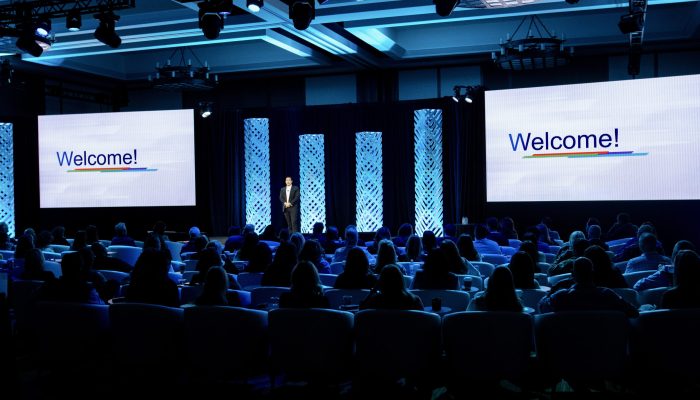
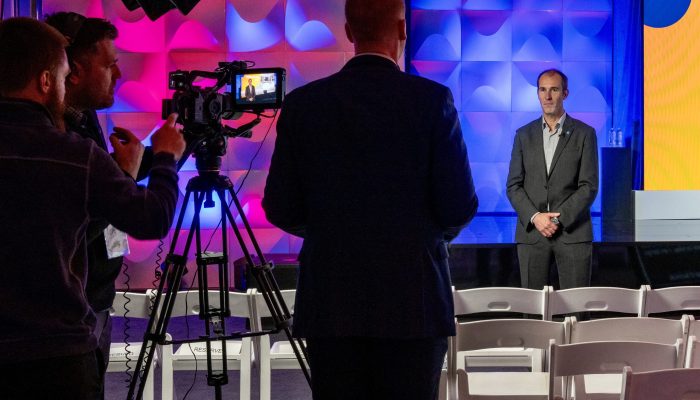
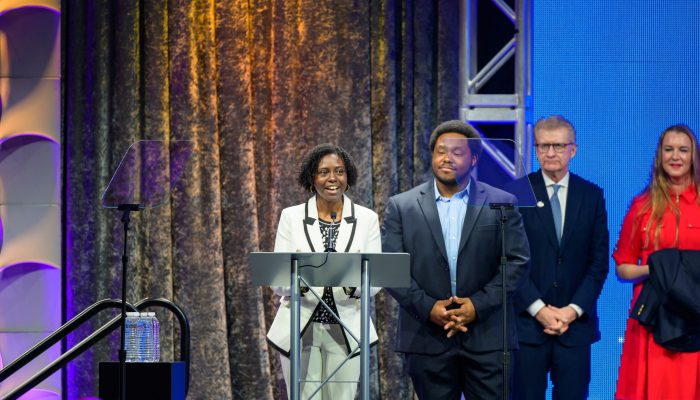
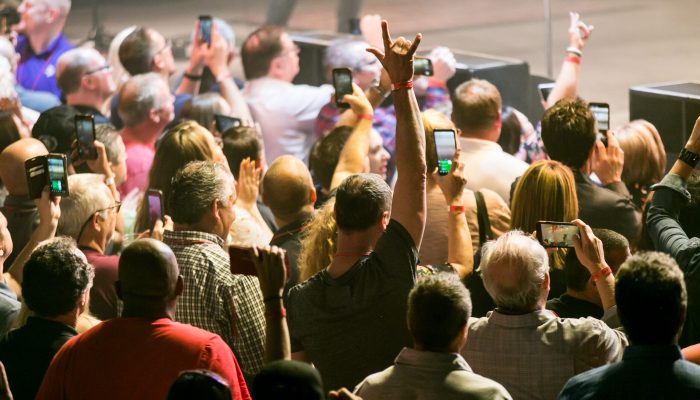
When leaders gather teams for important meetings, training programs, or leadership summits, the real goal extends far beyond sharing information. Participants need to understand the content, connect it to their daily work, and leave equipped to apply what they’ve learned. Attendee-centric design puts participant’s needs, preferences, and learning styles at the heart of the experience, transforming standard sessions into memorable, effective moments that drive real alignment and action.
When your most important meeting, launch, summit, or training experience needs to move people, every detail matters. Strategy guides the work. Creativity shapes the story. Precision brings it to life. DEVLINHAIR Production & Learning designs and produces action-driven meetings, live events, and training experiences that move audiences. From our New York City studio, DEVLINHAIR helps organizations bring complex ideas, leadership priorities, and learning moments to life with clarity, purpose, and production precision. Ready to create a hybrid experience your audience can follow, feel, and act on? Let’s talk.
The Shift Toward Participant-focused Experiences
Corporate meetings and training programs have evolved significantly as organizations recognize that passive formats often fail to deliver lasting impact. Traditional lecture-style presentations can leave attendees disengaged, with limited retention once they return to their roles. Attendee-centric design addresses this by starting with a clear understanding of who the participants are, what challenges they face, and how they best absorb and apply new information.
This approach prioritizes active involvement over one-way communication. Instead of fixed agendas that treat everyone the same, it incorporates flexible elements that adapt to different roles, experience levels, and learning preferences. For learning and development leaders, this shift means moving from content delivery to experience creation designing environments where participants feel seen, supported, and actively involved in their own growth.
In practice, attendee-centric design means considering everything from session formats and room layouts to technology choices and follow-up resources. The focus remains on creating conditions where meaningful connection and knowledge transfer can occur, whether the event is in-person, hybrid, or fully virtual.
Why Traditional Formats Fall Short
Many corporate meetings still rely heavily on presentations and panel discussions that position attendees primarily as listeners. While these formats have their place, they often struggle to maintain attention or support deep learning, especially in today’s distributed work environments where participants juggle multiple demands.
The challenge becomes particularly evident in training experiences where the objective is behavior change or skill development rather than simple awareness. Without opportunities for interaction, application, or reflection, much of the content fails to stick. Leaders planning high-stakes events increasingly seek alternatives that foster genuine engagement and measurable outcomes.
Attendee-centric design offers a practical response by building experiences around participant realities. This includes accounting for varying energy levels throughout the day, different comfort levels with technology, and the need for both structured learning and informal connection opportunities.
Enhanced Learning Through Active Participation
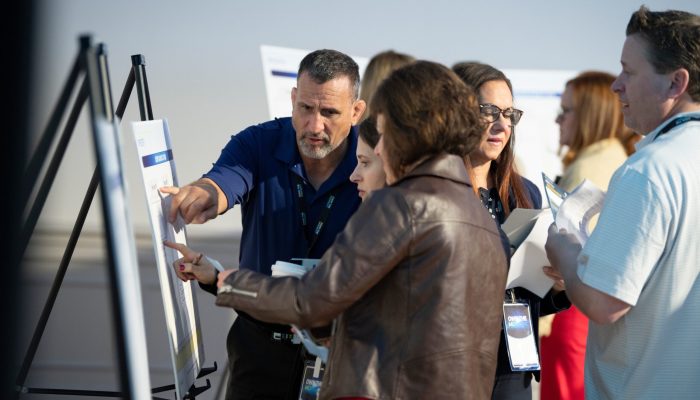
One of the clearest examples of attendee-centric design in action comes from a program built inside a major talent development conference. Organizers chose to let participants experience engagement firsthand rather than simply hear about it in a lecture format. Attendees moved through a series of tactile, hands-on stations that mirrored real event challenges, including journey-mapping exercises, peer-driven problem-solving sessions in place of traditional panels, and interactive walkthroughs of how production and engagement design come together behind the scenes. The guiding principle was that interaction amplifies retention, since people process information differently when they are physically engaged rather than passively watching.
This approach is especially relevant for training and learning environments, where the goal is not just satisfaction scores but actual transference of knowledge into practice. Success was measured by whether participants could apply what they learned once they returned to their own organizations, and many reported adapting the same journey-mapping and interactive formats for their own teams. For businesses building education-focused events or workshops, this model demonstrates why attendee-centric design should prioritize active participation, modular and flexible layouts, and experiences built around a specific lesson rather than a generic agenda. It reinforces that thoughtful, constraint-driven creativity often produces stronger learning outcomes than unlimited space or budget, and that the true measure of a well-designed learning event is whether it changes behavior long after the session ends.
This model demonstrated that interaction significantly amplifies retention. People process information differently when physically and mentally engaged rather than passively observing. For corporate training and learning programs, this principle proves especially valuable because the ultimate measure of success lies in whether participants can apply concepts back in their organizations.
Many attendees reported adapting similar interactive formats for their own teams, showing the power of experiential learning to extend impact well beyond the original event. For organizations designing education-focused meetings, this highlights the value of modular, flexible layouts built around specific learning objectives rather than generic agendas.
The Role of Personalization in Diverse Audiences
Effective attendee-centric design also requires recognizing that participants bring different backgrounds, expectations, and needs to any meeting or training experience. Treating everyone identically risks missing opportunities to maximize engagement and outcomes.
Personalization plays a central role here. Different audience segments respond better to varied interaction styles some thrive in structured networking and career-focused sessions, while others engage more deeply through informal, tech-enabled activities. Personalization has become a defining factor in how well attendees engage with and retain information at meetings and learning events, and treating every participant the same way is increasingly seen as a missed opportunity. Different generations and audience segments show up with different expectations: some prioritize structured networking and career-focused education sessions, while others respond better to informal, tech-enabled interactions. Inclusivity plays a central role in this shift, since cultural background, accessibility needs, and individual learning preferences all shape how someone engages with content.
Offering multilingual materials, closed captioning, quiet zones, and alternative session formats ensures that a wider range of attendees can fully participate rather than simply attend. Data plays an important supporting role as well, allowing organizers to segment audiences by role, industry, and past engagement patterns so that programming feels relevant rather than generic. Increasingly, machine learning and AI-driven tools are being used to sort through attendee behavior and surface real-time recommendations, schedule adjustments, and support that would be impossible to deliver manually at scale. For any organization designing learning-focused events, this points to a clear takeaway: attendee-centric design is not only about the physical environment but also about building flexible, adaptive programming that meets people where they are. A mix of engagement styles and inclusive formats helps ensure that every participant, regardless of background or learning style, feels seen and is genuinely equipped to absorb and apply what they came to learn.
Data and insights about attendee roles, industries, and past behaviors help tailor programming without becoming overly intrusive. When thoughtfully implemented, these elements help every participant feel equipped to absorb and apply what they came to learn, regardless of their background or learning style.
Practical Benefits for Corporate Meetings and Training
Organizations that embrace attendee-centric principles often see stronger alignment around strategic messages, improved knowledge retention, and higher levels of post-event action. Participants leave not just informed but genuinely motivated and prepared to implement new approaches in their work.
In hybrid environments, this design philosophy becomes even more important. Careful attention to both in-person and remote experiences ensures that virtual participants receive equivalent opportunities for interaction and connection rather than feeling like secondary attendees. Production choices, technology platforms, and session structures all play supporting roles in creating cohesive experiences across formats.
For product launches, leadership summits, and ongoing training programs, attendee-centric design helps transform important business moments into experiences that participants remember and reference long afterward. The emphasis remains on purposeful storytelling, strategic content flow, and precise execution that serves the audience’s needs.
DEVLINHAIR Production: Learning’s Approach to Attendee-centric Experiences
For DEVLINHAIR Production & Learning, effective experience design starts with a clear strategic foundation. Strategy guides the work. Creativity shapes the story. Precision brings it to life. We design and produce action-driven meetings, live events, and training experiences that move audiences.
DH focuses on understanding the specific objectives and audience characteristics for each program, then crafting environments and moments that support genuine connection and learning. Whether developing immersive in-person sessions, seamless hybrid productions, or targeted training experiences, the priority remains creating conditions where participants can fully engage with the content and each other.
This attendee-first mindset influences everything from initial concept development through final production and follow-through. The result is experiences that feel thoughtfully designed for the people who matter most the attendees themselves.
Implementing Attendee-centric Design in Your Next Program
Leaders planning upcoming meetings or training initiatives can begin applying these principles by asking a few key questions: Who are our participants, and what do they need to succeed? How can we build in meaningful interaction rather than passive consumption? What elements will help different audience segments engage most effectively?
Starting small with specific sessions or segments often yields valuable insights that can scale across larger programs. Testing different formats, gathering participant feedback, and refining based on real outcomes helps build confidence in more participant-focused approaches over time.
Successful implementation also requires close collaboration between learning leaders, communications teams, and experienced production partners who understand both the strategic goals and the practical details that bring them to life.
Attendee-centric design represents more than a trend in corporate meetings and learning experiences. It reflects a deeper understanding that the most effective programs are those built around the people they serve. By prioritizing participant needs, organizations can create moments that inform, inspire, and drive meaningful results long after the event concludes.
Frequently Asked Questions
What is attendee-centric design and why does it matter for corporate meetings?
Attendee-centric design focuses on building corporate meetings and events around participant needs, preferences, and learning goals rather than delivering one-way information. It improves audience engagement, knowledge retention, and alignment by creating experiences where attendees actively connect with content and apply what they learn.
How does attendee-centric design improve training experiences and learning outcomes?
Attendee-centric design improves training experiences by using interactive formats, hands-on activities, and flexible learning approaches that help participants retain and apply new knowledge. For corporate training programs, this approach supports meaningful behavior change by turning passive sessions into engaging learning experiences.
How can attendee-centric design enhance hybrid events and live event production?
Attendee-centric design helps hybrid events and live event production teams create consistent, engaging experiences for both in-person and remote participants. By considering technology, session formats, accessibility, and audience interaction, organizations can improve connection and engagement across meetings, launches, and learning programs.
Disclaimer: The above helpful resources content contains general insights and perspectives for informational purposes only. The information provided is for general knowledge and does not constitute professional advice.
You may also be interested in: Why Event Production Is Becoming a Strategic Business Capability
When your most important meeting, launch, summit, or training experience needs to move people, every detail matters. Strategy guides the work. Creativity shapes the story. Precision brings it to life. DEVLINHAIR Production & Learning designs and produces action-driven meetings, live events, and training experiences that move audiences. From our New York City studio, DEVLINHAIR helps organizations bring complex ideas, leadership priorities, and learning moments to life with clarity, purpose, and production precision. Ready to create a hybrid experience your audience can follow, feel, and act on? Let’s talk.
Powered by flareAI.co