Quick Listen:
When corporate events fall short of expectations, it is rarely because of weak content or underwhelming technology. More often, the issue is misalignment between intended outcomes and how the audience actually experiences the event. That gap is created long before the event begins inside production decisions that shape structure, flow, and perception.
For teams responsible for corporate meetings, product launches, leadership summits, and training experiences, production is no longer just execution. It is a strategic discipline that determines whether intent becomes understanding, engagement, and action.
When your most important meeting, launch, summit, or training experience needs to move people, every detail matters. Strategy guides the work. Creativity shapes the story. Precision brings it to life. DEVLINHAIR Production & Learning designs and produces action-driven meetings, live events, and training experiences that move audiences. From our New York City studio, DEVLINHAIR helps organizations bring complex ideas, leadership priorities, and learning moments to life with clarity, purpose, and production precision. Ready to create a hybrid experience your audience can follow, feel, and act on? Let’s talk.
Strategic Production as the Foundation of Event Outcomes
Strategic production is the intentional alignment of creative vision with operational execution so every event decision reinforces the core message. This includes spatial design, audience movement, content pacing, and the technical systems supporting delivery.
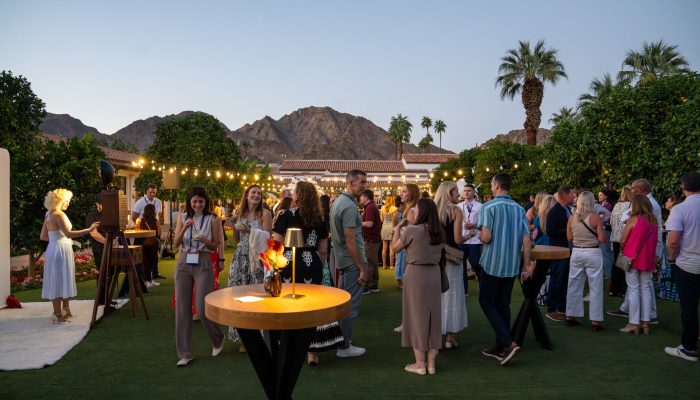
Strategic event production is increasingly centered on the idea that logistics alone no longer define success; instead, outcomes are driven by how production choices shape audience perception, engagement, and emotional resonance. High-impact events are built by intentionally designing entry moments, spatial transitions, and experiential touchpoints that guide attendees through a curated narrative rather than a passive schedule. Production teams are now leveraging unexpected venues, immersive entrances, and carefully structured environments to create “first impression” moments that immediately signal brand identity and set emotional tone.
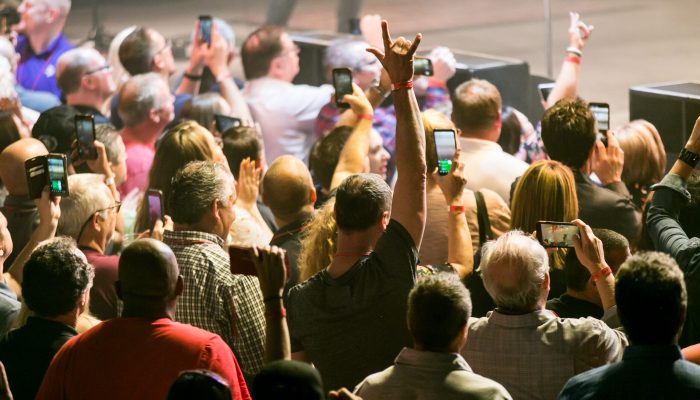
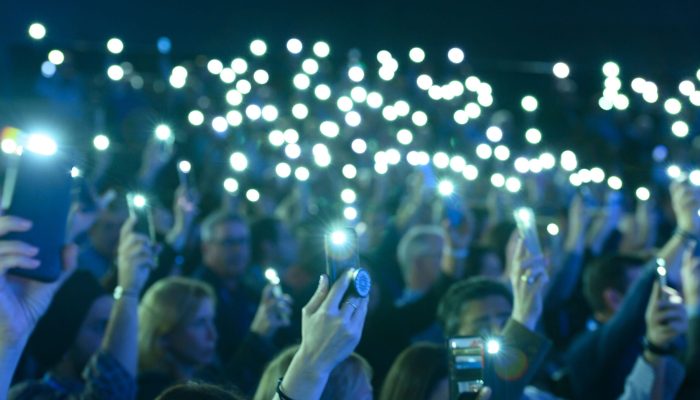
These decisions matter because audiences increasingly expect experiences that feel personalized, story-driven, and worth capturing or sharing. In practice, production strategy connects creative direction with operational execution balancing budget, technical constraints, and brand storytelling to ensure every physical and digital element reinforces the core message. As a result, successful event production is less about isolated creative ideas and more about orchestrating a cohesive experience ecosystem where lighting, staging, flow, and interaction design work together to sustain attention and deepen engagement across the entire event journey.
This reflects a broader shift in corporate event design: successful experiences are not built from isolated creative moments, but from coordinated systems where lighting, staging, flow, and interaction design work together to sustain attention and deepen engagement.
Designing the Audience Journey Through Production Choices
Audience journey design is one of the most influential aspects of strategic production. Entry sequencing, spatial transitions, seating logic, lighting cues, and content pacing all shape how attendees interpret meaning and intent.
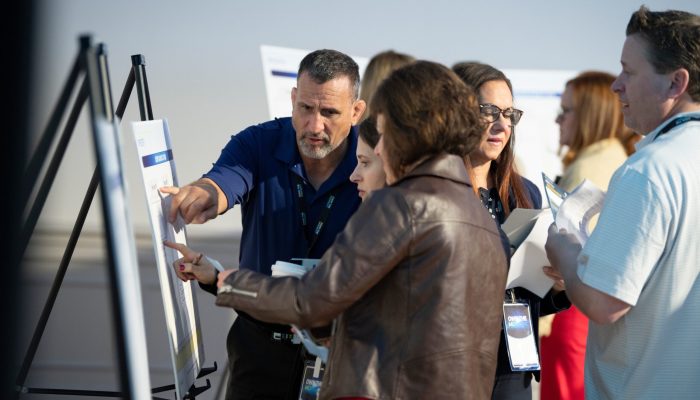
Modern in-person event design increasingly emphasizes intentional experience architecture rather than traditional agenda-based planning. High-impact events are now structured around creating meaningful connections, optimizing networking flow, and delivering measurable value at every stage of participation. Instead of focusing solely on attendance volume, event strategists prioritize engagement depth ensuring that each moment, from registration to post-event follow-up, contributes to a coherent journey. This includes rethinking networking formats to encourage authentic interaction, integrating immersive content that supports real business objectives, and using technology to enhance rather than distract from human connection.
Production decisions play a central role in shaping this experience, as layout design, session sequencing, and environmental cues directly influence attendee behavior and emotional response. A key shift is the move toward experience as a differentiator, where storytelling, personalization, and intentional pacing help prevent overload while maintaining sustained engagement. Ultimately, strategic production decisions ensure that every component of the event content delivery, spatial design, and audience interaction works together to generate stronger relationships, higher satisfaction, and more measurable business outcomes that extend well beyond the event itself.
These production choices function as narrative tools. First impressions, environmental design, and curated transitions signal purpose and establish emotional tone before formal content delivery even begins.
From Logistics to Experience Architecture
Production has traditionally been viewed as logistics timelines, setup, coordination, and technical execution. While these elements remain essential, the discipline has expanded into experience architecture, where production decisions actively shape audience behavior and engagement.
Modern events are increasingly designed around engagement depth rather than attendance volume, requiring production teams to focus on interaction quality, connection flow, and retention rather than delivery alone.
This shift reframes success. Lighting design, session sequencing, and spatial layout are not just operational elements they are behavioral tools that influence how information is received and retained.
The Role of Technology in Strategic Production Decisions
Technology is central to modern event production strategy, but its value depends entirely on how it is integrated into the experience. Without intent, it fragments attention. With alignment, it enhances clarity and engagement.
Hybrid capabilities, streaming systems, interactive platforms, and audience response tools extend the reach of live and hybrid events, but their effectiveness depends on when and how they are deployed within the narrative structure of the experience.
For example, interaction layered into key narrative moments can reinforce retention and understanding, while poorly timed prompts can disrupt flow and reduce comprehension. Strategic production ensures technology supports the story rather than competing with it.
Aligning Creative Direction with Operational Precision
High-impact event production depends on alignment between creative intent and operational execution. Without this connection, even strong concepts lose clarity during delivery.
Production teams increasingly function as integrators connecting storytelling, technical systems, and logistics into a unified execution framework that ensures consistency from design to delivery. Creativity defines expression. Precision ensures delivery. We design and produce action-driven meetings, live events, and training experiences that move audiences.
When production operates at this level, events become structured environments designed to influence understanding, participation, and alignment not just presentations.
Measuring Impact Through Production Decisions
While creative execution is highly visible, measurable impact is driven by underlying production decisions. Pacing, flow, sequencing, and environmental design determine how effectively messages are absorbed and retained.
Organizations are increasingly shifting evaluation beyond attendance and satisfaction toward behavioral outcomes such as comprehension, alignment, and application of key messages in real-world contexts.
Strategic production directly enables these outcomes by shaping how information is structured and experienced throughout the event journey.
Production as a Strategic Driver of Experience
High-impact events are defined not by scale or spectacle, but by how effectively production decisions shape clarity, engagement, and outcomes. Spatial design, narrative flow, technology integration, and audience interaction work together as a unified experience system.
As organizations invest in more complex meetings, hybrid experiences, and training environments, strategic production becomes central to success. It is within this discipline that creative vision becomes operational reality where events move beyond execution and become structured experiences that shape how people think, connect, and act.
Frequently Asked Questions
What is strategic production in high-impact corporate events?
Strategic production is the alignment of creative vision with operational execution to ensure every element of an event reinforces its core message. In high-impact corporate meetings, product launches, and training experiences, it shapes everything from spatial design and content flow to audience movement and technical delivery. The goal is to turn intent into understanding, engagement, and measurable action by designing the full experience, not just the agenda.
How do production decisions influence audience engagement and retention at events?
Production decisions directly shape how audiences experience, interpret, and retain event content. Elements like pacing, lighting, spatial layout, and session sequencing guide attention and influence emotional response throughout the event journey. When these choices are intentional, they improve engagement, strengthen message retention, and help align participants with key business or learning objectives.
Why is experience architecture important in modern event production strategy?
Experience architecture ensures events are designed as cohesive journeys rather than disconnected sessions or presentations. It focuses on how attendees move through content, interactions, and environments to create meaning and connection. This approach helps organizations deliver more impactful corporate meetings, hybrid events, and training experiences that drive clearer understanding and stronger outcomes.
Disclaimer: The above helpful resources content contains general insights and perspectives for informational purposes only. The information provided is for general knowledge and does not constitute professional advice.
You may also be interested in: How Meeting Production Improves Executive Presentations
When your most important meeting, launch, summit, or training experience needs to move people, every detail matters. Strategy guides the work. Creativity shapes the story. Precision brings it to life. DEVLINHAIR Production & Learning designs and produces action-driven meetings, live events, and training experiences that move audiences. From our New York City studio, DEVLINHAIR helps organizations bring complex ideas, leadership priorities, and learning moments to life with clarity, purpose, and production precision. Ready to create a hybrid experience your audience can follow, feel, and act on? Let’s talk.
Powered by flareAI.co