When corporate leaders bring together teams for a product launch, leadership summit, or comprehensive training experience, the objective goes well beyond simply sharing information. The real test lies in ensuring that every participant whether physically present or joining remotely fully grasps the message, connects it to their own responsibilities, and walks away equipped to drive results. This challenge has only grown more complex as hybrid event design has become a fixture in corporate programming.
When your most important meeting, launch, summit, or training experience needs to move people, every detail matters. Strategy guides the work. Creativity shapes the story. Precision brings it to life. DEVLINHAIR Production & Learning designs and produces action-driven meetings, live events, and training experiences that move audiences. From our New York City studio, DEVLINHAIR helps organizations bring complex ideas, leadership priorities, and learning moments to life with clarity, purpose, and production precision. Ready to create a hybrid experience your audience can follow, feel, and act on? Let’s talk.
The Core Challenge of Hybrid Event Design
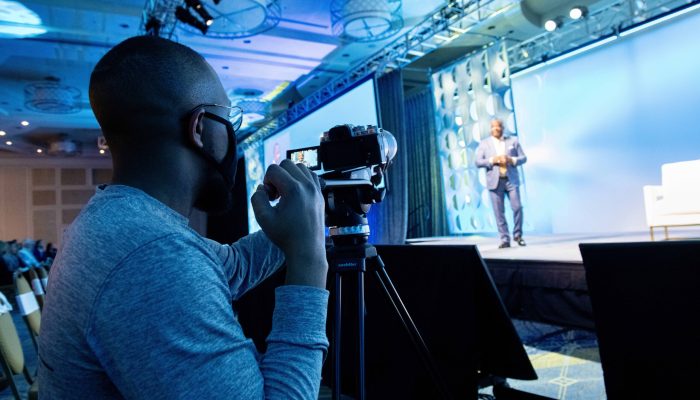
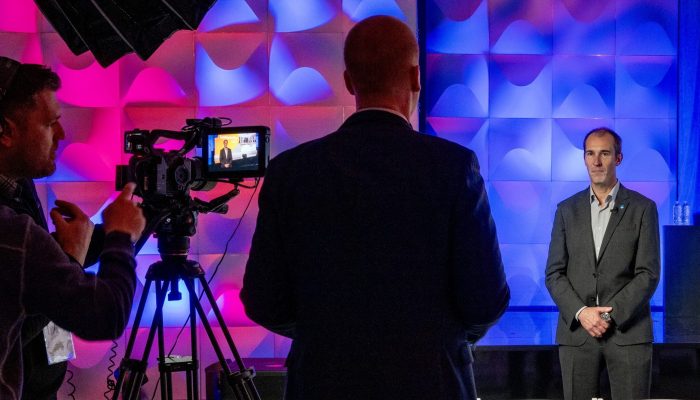
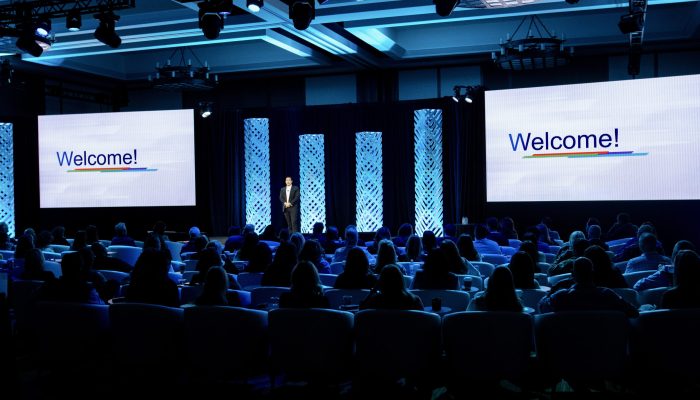
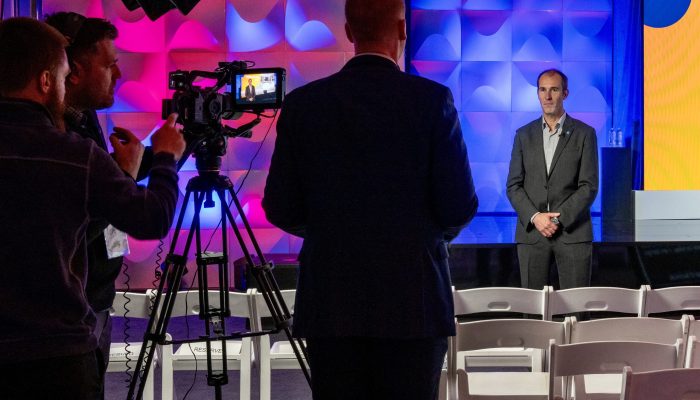
Hybrid event design must now serve two audiences with equal fidelity: those gathered in the room and those participating from remote locations. Audiences across both channels are no longer satisfied with a diluted experience. They demand the sense of being part of something meaningful and connected. When planning these programs, teams frequently discover that decisions made late in the process such as camera placements, audio systems, streaming pipelines, and platform selections end up undermining the intended impact. The result is often uneven participation, with remote attendees feeling sidelined while in-person attendees experience the full energy of the gathering.
This tension is not new, but it has sharpened as organizations refine their strategies to reach broader audiences without sacrificing depth of engagement. The stakes have never been higher for ensuring that the virtual component feels as intentional and powerful as the in-person one. Production teams and experiential executives recognize that technology choices, streaming architecture, and audience interaction pathways must be resolved at the outset if the event is to deliver consistently across both formats.
For companies in the United States planning corporate hybrid events, the difference between a program that simply coexists in two formats and one that genuinely performs in both can determine the effectiveness of the entire initiative.
Why Production-first Planning Elevates Hybrid Capabilities
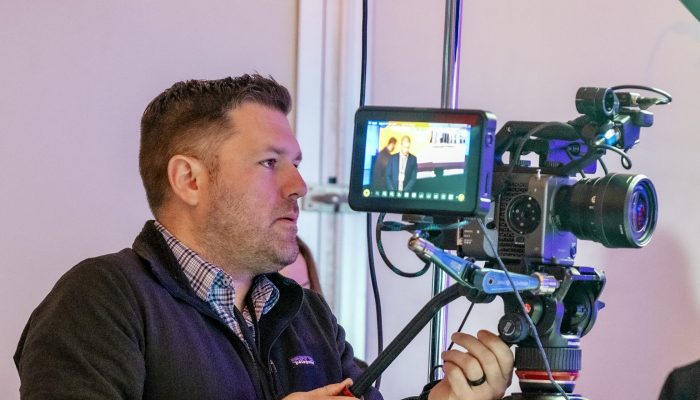
Production-first planning means establishing the technical and operational foundation before any creative staging, speaker programming, or décor is sketched. This approach creates the conditions under which technology can amplify rather than distract from the message. By treating production as a strategic function from day one, event leaders gain clarity on what the virtual audience will see, how content will be captured and delivered, and how each technical decision supports the broader goals of alignment, retention, and action.
When this foundation is in place, hybrid event design becomes seamless. Remote participants experience broadcast-quality audio and video, real-time interaction pathways, and content that was never designed exclusively for one channel. In-person attendees remain fully immersed in the live energy and atmosphere. The outcome is stronger audience engagement and clearer message alignment across the board.
Top event agencies have learned this lesson firsthand. Instead of viewing AI and data tools as optional add-ons, they are deploying them to streamline timelines, sharpen targeting, and expand creative options while investing even more heavily in production, operations, and strategy roles. The agencies that define the production model first, including the technical architecture across both channels, are the ones that consistently deliver hybrid events that perform at a high level. The latest experiential marketing trends emphasize interactive and immersive experiences. Brands are now focusing on how top event agencies are integrating AI and production strategy in 2026 to engage audiences, providing detailed strategies for creating memorable activations and boosting brand loyalty. The approach includes leveraging technology, interactivity, and multi-sensory engagement to elevate attendee experiences beyond traditional events.
Key Considerations for Production Planning
Several practical questions must be addressed early to ensure hybrid success:
- How will the virtual audience see and interact with speakers and key content?
- What streaming architecture and bandwidth standards will maintain quality for both audiences?
- How will audience feedback and interaction be captured and routed effectively?
- What role will AI tools play in pre-event preparation, real-time moderation, and post-event insights?
Answering these questions in advance prevents costly last-minute adjustments and helps production teams avoid the common pitfall of designing for one audience while bolting the other on as an afterthought.
Integrating Ai and Data Tools as Strategic Amplifiers
Artificial intelligence has moved from experimental novelty to a core component of modern event production. In 2026, the most successful agencies are treating AI not as a replacement for human creativity but as a partner that resolves the tension between efficiency and authenticity. Machine learning and generative tools now handle routine tasks such as audience targeting, content personalization, and timeline management, freeing creative and production teams to focus on the experiences that matter most.
Data analytics provide deeper insights into engagement patterns, sentiment, and the factors that drive value for audiences. These tools help organizers understand how well hybrid capabilities are translating into real outcomes whether through improved retention in training programs or stronger message alignment during leadership summits.
The agencies that are integrating AI and production strategy effectively are those that build infrastructure, hire specialized talent, and maintain a culture that values both technological precision and human connection. This balanced approach is what allows hybrid events to deliver measurable results rather than simply another layer of technology added for its own sake.
Practical Steps for Implementing Production-first Hybrid Event Design
Organizations that succeed in hybrid event design follow a clear sequence. First, they establish clear objectives for both in-person and remote participation. Next, they map out the production architecture cameras, audio, streaming platforms, and interaction tools before scripting the program. Only then do they layer in creative staging and speaker selection.
Testing the full end-to-end flow is essential. Teams should run dry runs that simulate real conditions for both audiences, paying close attention to latency, audio balance, and accessibility features. Measuring post-event performance through analytics on engagement, sentiment, and learning retention provides invaluable feedback for refining future programs.
Production-first planning also requires building in flexibility. Hybrid events evolve, and the ability to adjust in real time whether by adding interactive elements or fine-tuning streaming parameters separates events that simply exist in two formats from those that create lasting impact.
Measuring Success Beyond Attendance Numbers
Traditional metrics such as total headcount or registration figures no longer tell the full story. For hybrid event design to be truly effective, success must be evaluated through the lens of audience connection, message retention, and follow-through. Organizations are using data-driven insights to determine whether remote participants are experiencing the same level of engagement as those in the room and whether key messages are landing with equal clarity across both groups.
This shift toward measurement that matters encourages deeper investment in production strategy. When leaders can see the difference hybrid capabilities make in real outcomes, they are more likely to allocate resources early and plan with intention rather than reacting after the fact.
Strategy guides the work. Creativity shapes the story. Precision brings it to life. We design and produce action-driven meetings, live events, and training experiences that move audiences.
By making production-first planning a core discipline in hybrid event design, corporate leaders can transform what might otherwise feel like a logistical challenge into a powerful opportunity for alignment, engagement, and lasting impact. The organizations that treat hybrid as a long-term format rather than an add-on are the ones that consistently turn important moments into experiences that drive results long after the event concludes.
Frequently Asked Questions
Why does hybrid event design require production-first planning?
Hybrid event design requires production-first planning because the technical production infrastructure determines the quality and consistency of both in-person and remote experiences. When streaming architecture, audio, and camera systems are defined first, content can be designed to perform equally well across all audiences. This approach reduces last-minute fixes and ensures stronger message delivery in corporate meetings, product launches, and training experiences.
How does production-first planning improve engagement in hybrid corporate events?
Production-first planning improves engagement in hybrid corporate events by ensuring that both in-room and remote audiences receive a consistent, high-quality experience. It allows organizers to design interaction pathways, audio-visual setups, and streaming workflows that keep participants equally involved. As a result, training sessions, leadership meetings, and launches feel more connected and impactful across all formats.
What role does AI play in modern hybrid event production and training experiences?
AI plays a key role in modern hybrid event production by streamlining audience targeting, content personalization, and real-time event management. It supports production teams by automating repetitive tasks and providing data insights that improve engagement and learning outcomes. In corporate training and meetings, this helps teams focus more on creative delivery and audience impact rather than manual coordination.
Disclaimer: The above helpful resources content contains general insights and perspectives for informational purposes only. The information provided is for general knowledge and does not constitute professional advice.
You may also be interested in: HealthFront 2022
When your most important meeting, launch, summit, or training experience needs to move people, every detail matters. Strategy guides the work. Creativity shapes the story. Precision brings it to life. DEVLINHAIR Production & Learning designs and produces action-driven meetings, live events, and training experiences that move audiences. From our New York City studio, DEVLINHAIR helps organizations bring complex ideas, leadership priorities, and learning moments to life with clarity, purpose, and production precision. Ready to create a hybrid experience your audience can follow, feel, and act on? Let’s talk.
Powered by flareAI.co