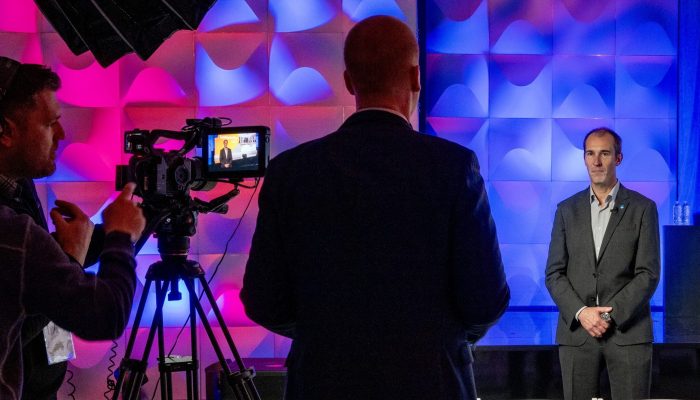
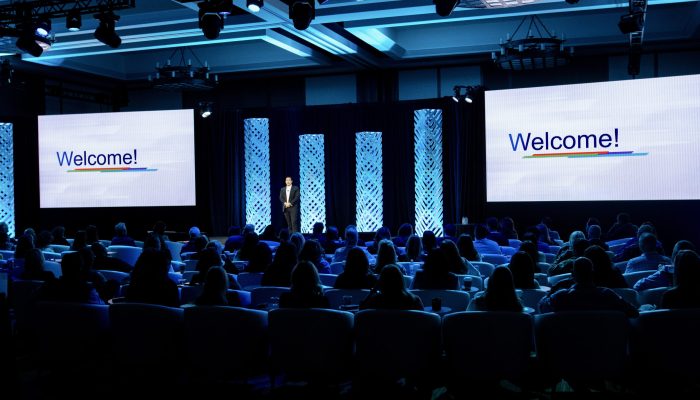
When organizations bring teams together for a leadership summit, product launch, or corporate training program, the goal goes far beyond information delivery. The real challenge lies in creating experiences where production quality supports deep learning, participants connect meaningfully with the content, and key messages translate into lasting action. This is where event production and training alignment becomes essential.
When your most important meeting, launch, summit, or training experience needs to move people, every detail matters. Strategy guides the work. Creativity shapes the story. Precision brings it to life. DEVLINHAIR Production & Learning designs and produces action-driven meetings, live events, and training experiences that move audiences. From our New York City studio, DEVLINHAIR helps organizations bring complex ideas, leadership priorities, and learning moments to life with clarity, purpose, and production precision. Ready to create a hybrid experience your audience can follow, feel, and act on? Let’s talk.
Understanding the Core Challenge
Many corporate gatherings struggle when event logistics and learning objectives operate in separate silos. Production teams focus on venue setup, technology, and flow, while training professionals concentrate on curriculum and outcomes. The result can be engaging sessions that fail to reinforce learning or well-designed content delivered in environments that dilute its impact.
Without intentional coordination, audiences may leave inspired but unclear on next steps, or informed yet unmoved by the overall experience. For learning and development leaders and corporate communications teams, this misalignment represents missed opportunities to strengthen retention, boost engagement, and drive measurable business results.
Effective alignment addresses these gaps by treating production not as mere execution but as a strategic partner in learning design. When the two work in concert, events transform from standard meetings into powerful platforms for skill development, cultural reinforcement, and organizational change.
Why Alignment Drives Stronger Outcomes
Event production and training alignment creates synergy that elevates every aspect of the experience. Production elements such as staging, lighting, audiovisual technology, and spatial design can reinforce learning objectives rather than compete with them. This integration helps participants stay focused, absorb information more effectively, and apply concepts in meaningful ways.
Strong alignment also improves audience engagement. When the environment supports the content, attendees feel the message at both intellectual and experiential levels. This dual impact proves particularly valuable for complex topics, technical training, or initiatives requiring behavioral change.
Additionally, aligned programs facilitate better knowledge transfer. Production choices like interactive zones, breakout configurations, or technology integrations can mirror and amplify training methodologies, creating cohesive journeys that guide participants from awareness to application.
Pre-event Programming as a Foundation for Success
One powerful way to achieve event production and training alignment involves dedicated pre-event activities. Leading organizers increasingly design these sessions as intentional extensions of the main program, offering focused experiences tailored to specific audience segments. Aligning event production with targeted training and community-building activities before the main program begins helps organizations maximize the overall impact of their gatherings and strengthen business relationships from the start.
Pre-event conference programming such as executive training forums, partner workshops, and first-timer orientations sets the tone for deeper engagement. These sessions allow for focused content delivery tailored to specific audience segments, whether deep technical training, leadership development, or strategic discussions that align with organizational priorities. By designing these experiences as intentional extensions of the main event rather than add-ons, production teams create seamless journeys that build momentum, facilitate meaningful connections, and prepare attendees to extract maximum value. This approach proves particularly effective for fostering community among participants who might otherwise feel overwhelmed in large-scale settings.
Pre-event programming also offers practical benefits like testing logistics, technology, and content resonance on a smaller scale, enabling refinements that elevate the full experience. Organizations that integrate training alignment into their event strategy see improved attendee satisfaction, stronger networking outcomes, and better achievement of business objectives such as knowledge transfer, partnership development, and cultural reinforcement.
Real-world Examples of Effective Alignment
Organizations that successfully integrate event production with training objectives demonstrate tangible benefits. Organizations that align event production with targeted training initiatives create powerful platforms for skill development and innovation that drive measurable business impact.
Google Cloud demonstrated this effectively through its global Tech Immersion program, which transformed traditional technical training into immersive, exploratory experiences across multiple cities. Rather than relying on standard lecture formats, the program blended hands-on hackathons, interactive demos, collaborative problem-solving sessions, and AI-powered activations to engage over 6,200 technical professionals. The creative concept of The Vault invited attendees to unlock knowledge through layered environments that balanced digital innovation with analog collaboration spaces, encouraging both individual discovery and team-based insights.
Google Cloud Tech Immersion shows how intentional design can elevate training outcomes. By making learning more engaging and directly applicable to real-world challenges, such programs foster deeper retention, stronger networking, and clearer pathways for applying new skills on the job. When event production and training teams collaborate closely from the outset, they can design programs that resonate with participant’s needs while supporting broader strategic objectives like talent retention, knowledge transfer, and cultural alignment.
Practical Strategies for Better Integration
Achieving strong event production and training alignment requires deliberate planning and cross-functional collaboration. Start by bringing production partners and learning leaders together during initial strategy sessions. This early involvement ensures that creative concepts and technical requirements serve learning objectives from the beginning.
Focus on shared goals such as message clarity, participant engagement, and measurable outcomes. Production teams can then design elements ranging from room layouts to technology integrations that directly support these priorities.
Consider audience needs throughout the process. What environments will help different participant groups absorb and apply information? How can hybrid capabilities extend access and interaction? Addressing these questions helps create inclusive experiences that work for diverse attendees.
Finally, build in mechanisms for real-time adjustment. Flexible production setups and close coordination during the event allow teams to respond to participant feedback and optimize learning moments as they unfold.
DEVLINHAIR’s Approach to Aligned Experiences
For DEVLINHAIR Production & Learning, effective experience design starts with a clear strategic foundation. Strategy guides the work. Creativity shapes the story. Precision brings it to life. We design and produce action-driven meetings, live events, and training experiences that move audiences.
DH works as a collaborative partner, ensuring production excellence enhances rather than overshadows learning objectives. Whether supporting leadership summits, product launches, or comprehensive training programs, the focus remains on creating cohesive experiences where every element serves the overarching goals.
Measuring Impact and Building Long-term Value
Organizations that prioritize event production and training alignment can track success through multiple lenses. Beyond standard attendance metrics, look for indicators of engagement depth, knowledge retention, and post-event application of concepts.
Strong alignment often leads to improved participant feedback, stronger internal networks, and clearer connections between event experiences and business performance. Over time, these benefits compound as teams become more skilled at designing high-impact gatherings.
Leaders should also consider how aligned programs support broader initiatives around talent development, cultural alignment, and organizational agility. When events consistently deliver both memorable experiences and practical learning, they become valuable investments rather than one-off activities.
By treating event production and training alignment as a strategic priority, organizations unlock the full potential of their corporate gatherings. The most effective programs don’t just inform they transform. With thoughtful coordination between production and learning objectives, companies can create experiences that resonate deeply, drive meaningful change, and deliver lasting value for both participants and the business.
Frequently Asked Questions
Why is event production and training alignment important for corporate meetings?
Event production and training alignment ensures that staging, technology, room design, and content work together to support learning objectives rather than compete for attention. This integrated approach improves audience engagement, strengthens knowledge retention, and helps participants apply what they learn after the event.
How can event production improve corporate training experiences?
Thoughtful event production enhances corporate training experiences by creating environments that reinforce learning through interactive formats, audiovisual tools, breakout spaces, and seamless event flow. When production teams collaborate with learning leaders from the planning stage, organizations can deliver more engaging training experiences that support measurable business outcomes.
What should organizations consider when planning hybrid events and training programs?
Organizations should align production planning, learning strategy, and audience needs from the beginning to create a consistent experience for both in-person and virtual participants. Flexible technology, clear communication, and opportunities for interaction help hybrid events support audience engagement, effective knowledge transfer, and successful product launches, leadership meetings, or corporate training initiatives.
Disclaimer: The above helpful resources content contains general insights and perspectives for informational purposes only. The information provided is for general knowledge and does not constitute professional advice.
You may also be interested in: Immersive Experiences Are Becoming a Strategic Engagement Tool for 2026
When your most important meeting, launch, summit, or training experience needs to move people, every detail matters. Strategy guides the work. Creativity shapes the story. Precision brings it to life. DEVLINHAIR Production & Learning designs and produces action-driven meetings, live events, and training experiences that move audiences. From our New York City studio, DEVLINHAIR helps organizations bring complex ideas, leadership priorities, and learning moments to life with clarity, purpose, and production precision. Ready to create a hybrid experience your audience can follow, feel, and act on? Let’s talk.
Powered by flareAI.co