When a company convenes a leadership summit, product launch, or corporate training program, the goal is rarely just to share information. The real challenge is helping participants understand the message, connect it to their roles, and leave ready to act. Hybrid events add another layer of complexity, because the same production must translate seamlessly for those in the room and those joining remotely. Production quality is what turns a list of sessions into an experience that drives alignment, retention, and lasting impact.
When your most important meeting, launch, summit, or training experience needs to move people, every detail matters. Strategy guides the work. Creativity shapes the story. Precision brings it to life. DEVLINHAIR Production & Learning designs and produces action-driven meetings, live events, and training experiences that move audiences. From our New York City studio, DEVLINHAIR helps organizations bring complex ideas, leadership priorities, and learning moments to life with clarity, purpose, and production precision. Ready to create a hybrid experience your audience can follow, feel, and act on? Let’s talk.
The Business Case for Prioritizing Production Quality
Corporate leaders face increasing pressure to deliver events that feel intentional and valuable, even when attendance is distributed. A flat or forgettable stream leaves remote viewers disengaged, while in-room attendees may sense the disconnect. This mismatch undermines the entire program, whether the objective is internal alignment or external messaging. When production quality is elevated, the event becomes a catalyst for change rather than a checklist item.
High-stakes gatherings illustrate the stakes. Expectations are set before anyone arrives, so flawless execution and cutting-edge AV become the baseline. The production team’s role shifts from solving logistics to solving a human one ensuring people feel something shift internally. In hybrid formats, the gap between a technical stream and a resonant experience often comes down to whether the team was thinking about emotional impact or simply checking boxes.
The strongest hybrid events tend to come from teams that treat AV production, event planning, and video storytelling as one connected discipline rather than three separate vendors stitched together at the last minute. Leaders in the production space are increasingly framing their role less as solving a logistics problem and more as solving a human one, arguing that packed agendas and impressive slides mean little if attendees leave without feeling something shift internally. That perspective has direct implications for hybrid formats specifically, where the gap between a flat, forgettable stream and an experience that resonates with remote viewers often comes down to whether the production team was thinking about emotional impact or simply checking a technical box.
High-stakes, high-ticket gatherings illustrate this well: when expectations are set before someone even walks in the door, flawless event management and cutting-edge AV execution become the baseline, not a bonus. There’s also a growing belief that as AI-generated content becomes more common, live, human-produced events will become one of the few channels where authenticity can’t be faked, raising the bar for production value even further. For hybrid event strategy, this underscores that production quality isn’t a cosmetic layer added at the end of planning; it’s a core driver of whether an event actually changes how attendees think, feel, or act afterward, both in the room and on the screen.
How Av Production Strengthens Hybrid Engagement
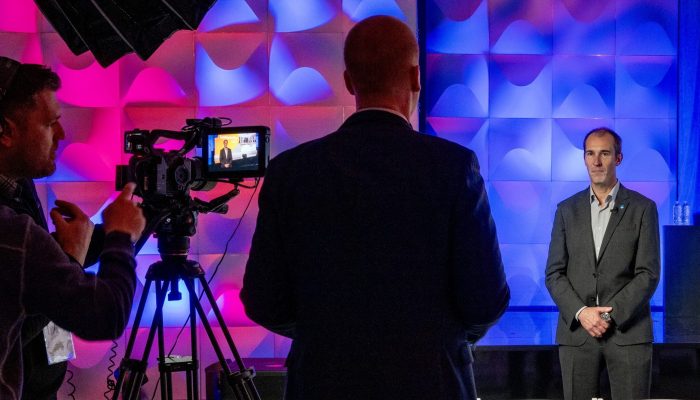
Audio, video, and lighting choices directly affect participation rates and message retention. Clear audio ensures every voice reaches both the main stage and remote screens without distortion. Video that is well-lit and framed prevents distractions, keeping focus on the content. These details matter more in hybrid settings because remote viewers rely on the broadcast to feel included.
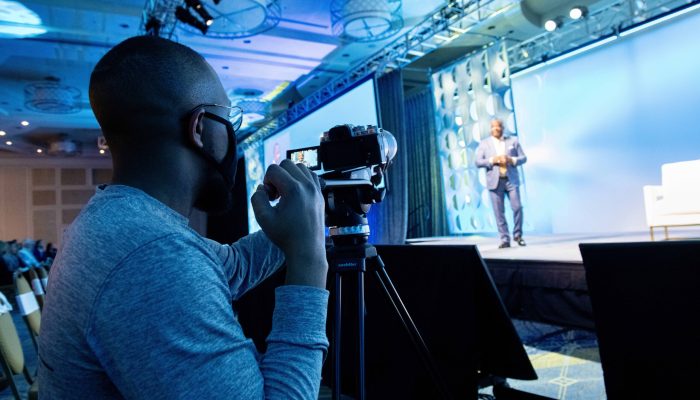
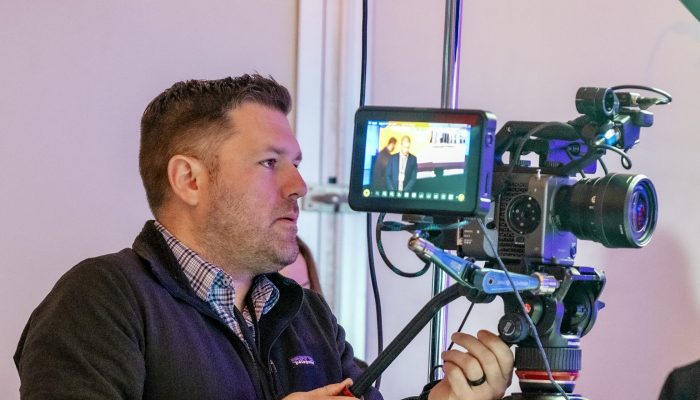
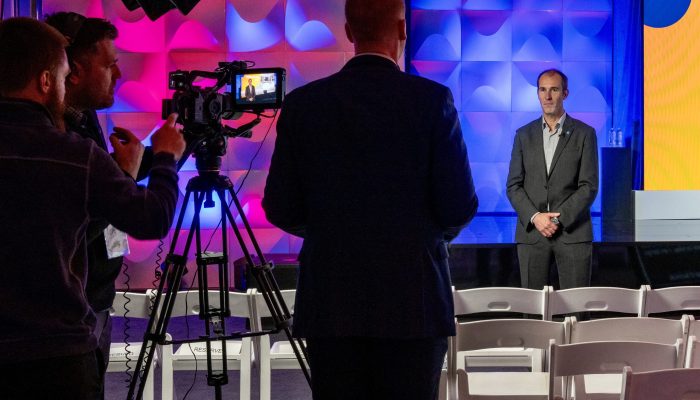
Advanced visuals amplify the impact. Multi-camera setups and professional lighting create depth and energy. When combined with strong storytelling, the production helps complex ideas land with clarity. For training experiences, this level of polish sustains attention across sessions. For product launches, it turns announcements into memorable moments that command attention from both in-person and virtual audiences.
Practical Production Considerations
Teams should evaluate lighting consistency, camera blocking, and sound reinforcement early in planning. These elements ensure the production supports the program flow rather than distracting from it. Investing in reliable equipment and trained operators prevents technical issues that could derail momentum.
The payoff is measurable in engagement. Viewers who feel the production is polished are more likely to stay for the full program and return for future events. Production quality thus becomes a driver of audience connection in distributed settings.
Bold Broadcast-style Productions That Work Across Venues
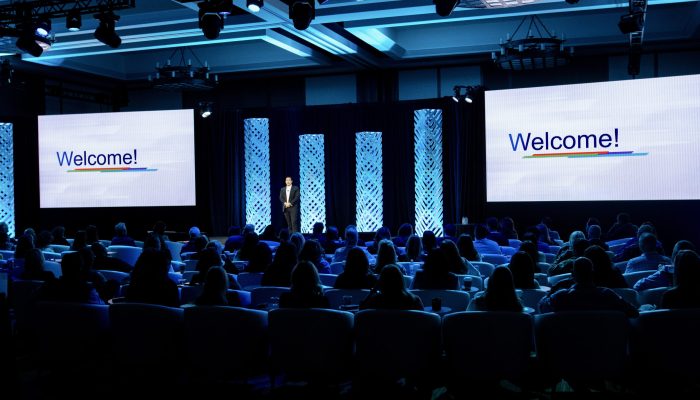
Main stage content is being reimagined as broadcast television rather than a simple podium-and-slides format. Brands are building full production studios on-site, complete with professional hosts, morning-news-style sets, and talk-show formats designed to keep both in-room and remote viewers engaged. Some organizations have gone as far as staging keynotes in immersive venues with massive LED environments, using 4D-style visual sequences and narrated storytelling to turn routine announcements into something visually memorable.
The throughline across these approaches is that the content, the set design, and the overall experience must work equally well for someone sitting ten feet from the stage and someone watching a compressed video feed hours later. That dual requirement is why production value has become inseparable from hybrid event success. A stage design that looks stunning in person but reads flat on camera fails half the audience, and vice versa.
This evolution reflects a deeper shift in how events are conceived. Production teams are moving beyond technical execution to create experiences that feel intentional and human-centered. In practice, this means budgeting for thoughtful camera work, professional hosting talent, and content built specifically to translate across both viewing experiences.
The latest experiential marketing trends emphasize interactive and immersive experiences. Brands are now focusing on bold broadcast-style main stage productions to engage audiences, providing detailed strategies for creating memorable activations and boosting brand loyalty. The approach includes leveraging technology, interactivity, and multi-sensory engagement to elevate attendee experiences beyond traditional events. This shift ensures that production quality becomes the key to making hybrid events feel seamless and purposeful for all viewers.
Production as a Driver of Emotional Impact and Behavioral Change
Event organizations are increasingly framing their role less as solving a logistics problem and more as solving a human one. Organizations over-index on content packing agendas, booking big speakers, and creating impressive slides. People leave feeling overwhelmed rather than changed. The production layer becomes the place where those ideas gain traction.
By treating AV production, event planning, and video storytelling as one connected discipline, teams create conditions for psychological safety and belonging. The result is an event that attendees do not merely attend but are part of. For hybrid programs, this approach ensures remote participants experience the same sense of connection and momentum.
Production precision does more than deliver visuals. It shapes how messages land and how participants respond afterward. When the production supports the strategic goals of the program, the event moves from a one-time gathering to a moment that influences behavior long after the program ends.
Building Hybrid Production Capabilities for Lasting Value
DEVLINHAIR Production & Learning designs and produces action-driven meetings, live events, and training experiences that move audiences. Effective experience design starts with a clear strategic foundation. Strategy guides the work.
Creativity shapes the story. Precision brings it to life. That approach helps organizations design and produce hybrid events where production quality serves the program objectives directly.
Production strategies that incorporate hybrid capabilities from the start deliver stronger outcomes. Teams that treat production as a core discipline rather than an add-on achieve better engagement, clearer message alignment, and higher retention. The investment in quality pays off in measurable ways for both in-room participants and remote viewers.
Organizations that prioritize production quality are better positioned to turn every hybrid event into a strategic advantage. The production becomes the bridge that connects content to action, ensuring the experience leaves a lasting impression across all audiences.
Putting Production Quality to Work in Your Programs
Start by aligning production decisions with the program’s core objectives. Define what success looks like for both in-room and remote participants, then build the technical and creative elements around that vision. Test the broadcast early and gather feedback to refine camera work, lighting, and audio before the live event.
Consider professional hosting talent and scripted storytelling to maintain energy. Review set design and visual sequences to ensure they translate effectively across formats. These steps create a production that feels seamless and purposeful, whether someone is on stage or in a remote viewing room.
The organizations that treat production quality as a strategic investment consistently see stronger audience engagement and more effective program outcomes. In hybrid environments, that quality becomes the difference between a routine event and one that truly drives results.
Frequently Asked Questions
Why is production quality important for hybrid events?
Production quality ensures that both in-person and remote attendees experience clear audio, engaging visuals, and seamless event delivery. Strong event production supports audience engagement, improves message retention, and helps corporate meetings, training experiences, and product launches achieve their strategic objectives.
How does professional AV production improve audience engagement during corporate meetings?
Professional AV production combines lighting, sound, camera work, and visual storytelling to create a more immersive and engaging experience for every participant. By designing content that works equally well in the room and on screen, organizations can strengthen audience engagement, reinforce key messages, and improve learning outcomes across hybrid events.
What should organizations prioritize when planning a successful hybrid event?
Organizations should align production decisions with their event goals from the beginning, including broadcast-ready stage design, reliable technology, and content tailored for both live and virtual audiences. Integrating event production, learning strategy, and creative storytelling helps deliver hybrid events that encourage participation, support corporate training, and drive meaningful action after the event.
Disclaimer: The above helpful resources content contains general insights and perspectives for informational purposes only. The information provided is for general knowledge and does not constitute professional advice.
You may also be interested in: Why Audience Engagement Begins With Better Event Design
When your most important meeting, launch, summit, or training experience needs to move people, every detail matters. Strategy guides the work. Creativity shapes the story. Precision brings it to life. DEVLINHAIR Production & Learning designs and produces action-driven meetings, live events, and training experiences that move audiences. From our New York City studio, DEVLINHAIR helps organizations bring complex ideas, leadership priorities, and learning moments to life with clarity, purpose, and production precision. Ready to create a hybrid experience your audience can follow, feel, and act on? Let’s talk.
Powered by flareAI.co