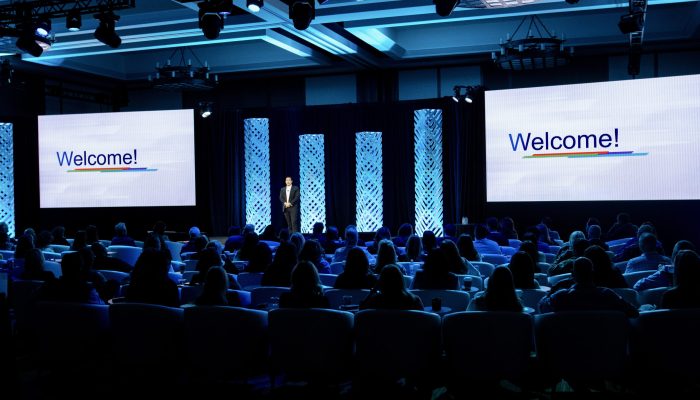
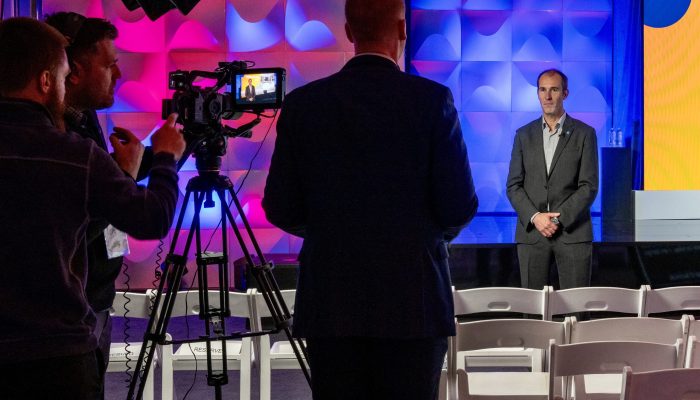
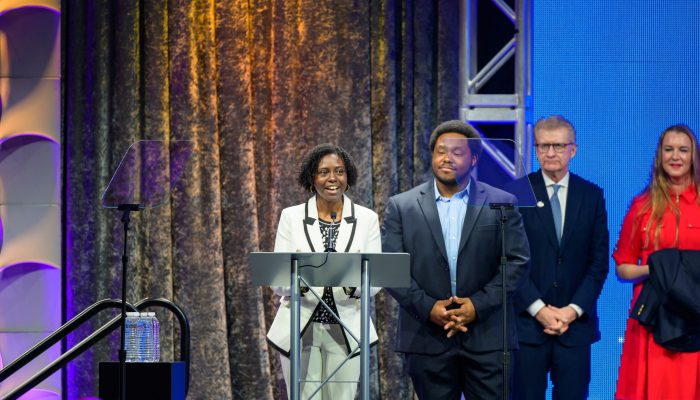
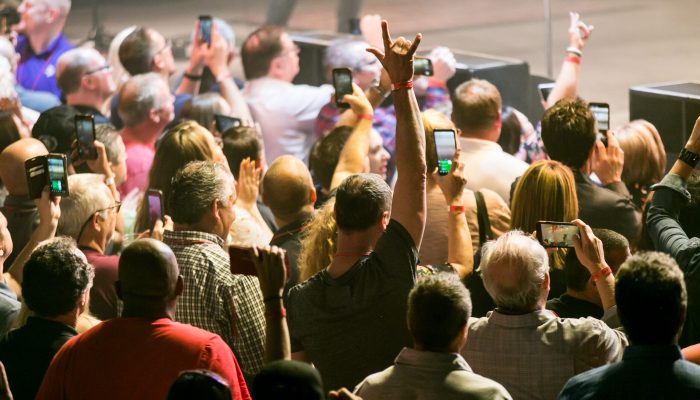
When a company brings teams together for a leadership summit, product launch, or training program, the goal extends far beyond sharing information. The real challenge lies in ensuring every moment flows smoothly so participants stay engaged, absorb key messages, and leave ready to act. Yet even well-planned meetings can unravel from small, unseen disruptions technical glitches, scheduling shifts, or communication gaps that pull focus away from the content. Real-time production coordination offers a practical way to catch and correct these issues as they happen, turning potential problems into seamless execution.
When your most important meeting, launch, summit, or training experience needs to move people, every detail matters. Strategy guides the work. Creativity shapes the story. Precision brings it to life. DEVLINHAIR Production & Learning designs and produces action-driven meetings, live events, and training experiences that move audiences. From our New York City studio, DEVLINHAIR helps organizations bring complex ideas, leadership priorities, and learning moments to life with clarity, purpose, and production precision. Ready to create a hybrid experience your audience can follow, feel, and act on? Let’s talk.
The Business Impact of Meeting Disruptions
Disruptions during corporate meetings rarely announce themselves. A session running behind schedule, fluctuating attendance in a breakout room, or a missed technical cue can erode momentum and dilute the intended outcomes. For internal communications leaders and event production teams, these moments matter because they directly affect message alignment, learning retention, and overall program effectiveness. When production runs reactively, teams spend valuable time explaining or recovering from issues rather than delivering strategic value.
Real-time production coordination shifts the focus from damage control to prevention. By equipping production teams with live visibility into session flow, attendee movement, and technical performance, organizations can address challenges the moment they emerge. This approach supports stronger audience engagement and helps ensure that high-stakes meetings achieve their intended business results.
What Real-time Production Coordination Actually Means
Real-time production coordination involves integrated tools and processes that deliver actionable information during the event rather than after it concludes. Production teams gain a live operational picture monitoring everything from room timing to engagement patterns allowing them to make immediate adjustments without drawing attention to the fix. This capability becomes especially valuable in hybrid environments where technical layers multiply the potential points of failure.
Instead of waiting for post-event reports, floor managers and producers can respond proactively. The result is fewer visible hiccups, smoother transitions between sessions, and a more polished experience that keeps participants focused on the content and objectives rather than the logistics.
Real-time Data Intelligence Changing Event Operations
Event production teams are increasingly relying on tools that surface information the moment it happens. Platforms built around real-time data intelligence now track session flow, attendee movement, and engagement patterns as an event unfolds. This gives producers and floor managers a live operational picture instead of a post-event report.
Event production teams are increasingly relying on tools that surface information the moment it happens rather than after the fact, and that shift is changing how disruptions get caught and corrected before attendees ever notice. Platforms built around real-time data intelligence now track session flow, attendee movement, and engagement patterns as an event unfolds, giving producers and floor managers a live operational picture instead of a post-event report. This matters for AI-driven real-time event intelligence platforms because most disruptions a room running behind schedule, a session losing attendance, or a technical cue getting missed are only fixable if caught while still happening. Venue visualization technology also plays a role earlier in planning, letting teams test layouts and sightlines digitally to reduce on-site surprises.
For corporate meeting production management, this shift means moving away from reactive troubleshooting toward proactive, connected oversight. Production precision becomes visible in the smoothness of execution rather than in explanations after the fact.
Supporting Global Audiences Through Instant Language Access
As business meetings draw increasingly international participants, language barriers can quickly become a source of disruption. Real-time AI translation tools address this by processing spoken content on the fly and delivering it through mobile apps, live captioning, or audio feeds. This capability reduces the coordination burden that once required scheduling and briefing interpreters for every session or breakout.
As business meetings and conferences draw increasingly international audiences, communication gaps have become one of the more common, and more preventable, sources of disruption during live programming. Real-time AI translation tools are addressing this directly by processing spoken content on the fly and delivering it to attendees in their preferred language, whether that is through a mobile app, live captioning, or an audio feed, without requiring a full team of human interpreters standing by for every session. For meeting producers, this kind of technology reduces the coordination burden significantly: instead of scheduling and briefing interpreters for each breakout room or managing multiple audio channels, one system can support many languages simultaneously across a full agenda. That said, the tools are not treated as fully autonomous.
Event teams continue to build in human oversight for high-stakes moments like keynotes, since even strong AI translation can still misinterpret specific terms, tone, or context in ways that would confuse an audience if left unchecked. The larger takeaway for production coordination is that real-time language support has moved from a nice-to-have accommodation to an expected part of well-run global meetings, and getting it right requires the same kind of tight, real-time coordination between technology, staff, and content that keeps any large program running smoothly. Done well, it removes an entire category of friction before it ever becomes a visible disruption to attendees.
According to industry insights, one system can support many languages simultaneously across a full agenda while maintaining human oversight for high-stakes moments like keynotes. This balance ensures accuracy for nuanced content while removing an entire category of friction before it affects attendees.
Real-time AI translation tools for B2B meetings have moved from a nice-to-have accommodation to an expected part of well-run global programs. When integrated thoughtfully into production workflows, they support clearer communication and stronger participation without adding visible complexity.
Hybrid-first Design and Production Precision
Hybrid capabilities have matured significantly since their rapid rise a few years ago. The question today centers on how to design and execute them effectively so both in-person and remote participants receive equally strong experiences. Real-time production coordination plays a central role here by giving teams unified visibility across all delivery channels.
DEVLINHAIR Production & Learning approaches this challenge with a clear strategic foundation. Strategy guides the work. Creativity shapes the story.
Precision brings it to life. We design and produce action-driven meetings, live events, and training experiences that move audiences. This integrated mindset helps production teams anticipate needs, monitor delivery in real time, and maintain message alignment regardless of format.
Production partners who master real-time coordination help organizations avoid treating hybrid elements as an add-on. Instead, these capabilities become part of a cohesive experience design that supports both live energy and distributed accessibility.
Practical Steps for Stronger Meeting Execution
Implementing real-time production coordination starts with thoughtful planning rather than last-minute technology choices. Production teams should map key moments where disruptions are most likely session transitions, technical handoffs, audience interaction points and identify the data streams needed for live visibility.
Testing venue layouts and technology flows digitally well before load-in reduces on-site surprises. During the event, clear protocols for how production staff will act on real-time alerts help maintain calm and focus. For training experiences and leadership programs, this preparation ensures content delivery stays on track while supporting meaningful audience engagement.
Corporate meeting planners and learning leaders benefit when they partner with experienced production teams who understand both the technical and strategic dimensions of seamless execution.
Long-term Value Beyond Single Events
The benefits of real-time production coordination extend past any individual meeting. Organizations that build these capabilities develop institutional knowledge around what creates smooth, impactful experiences. Production processes become more efficient, teams gain confidence in handling complex programs, and audiences receive consistently stronger experiences that reinforce key messages and drive better business outcomes.
This approach supports everything from product launches to sales meetings and ongoing training initiatives. By reducing disruptions and elevating execution quality, companies create space for the real work of alignment, learning, and inspiration to take center stage.
Strong corporate meetings and events succeed when production runs so smoothly that participants focus entirely on the content and connections. Real-time production coordination delivers exactly that advantage helping organizations turn potential disruptions into opportunities for flawless, memorable experiences that move audiences forward.
Frequently Asked Questions
How does real-time production coordination reduce disruptions during corporate meetings?
Real-time production coordination reduces disruptions by giving event teams live visibility into schedules, technical performance, attendee movement, and session flow. For corporate meetings, leadership summits, and product launches, this allows production teams to resolve issues quickly and keep audiences focused on key messages and learning outcomes.
Why is real-time data intelligence important for event production management?
Real-time data intelligence helps event production teams identify potential problems before they impact the attendee experience. By monitoring engagement patterns, timing, and technical details during live events and hybrid experiences, teams can improve execution, audience engagement, and overall meeting effectiveness.
How does real-time production support hybrid events and global training experiences?
Real-time production support helps hybrid events and training experiences deliver consistent experiences for both in-person and remote audiences. With tools such as live coordination systems and AI translation support, production teams can improve communication, accessibility, and learning outcomes while maintaining a seamless event experience.
Disclaimer: The above helpful resources content contains general insights and perspectives for informational purposes only. The information provided is for general knowledge and does not constitute professional advice.
You may also be interested in: Why Technology Decisions Should Support Event Production Goals
When your most important meeting, launch, summit, or training experience needs to move people, every detail matters. Strategy guides the work. Creativity shapes the story. Precision brings it to life. DEVLINHAIR Production & Learning designs and produces action-driven meetings, live events, and training experiences that move audiences. From our New York City studio, DEVLINHAIR helps organizations bring complex ideas, leadership priorities, and learning moments to life with clarity, purpose, and production precision. Ready to create a hybrid experience your audience can follow, feel, and act on? Let’s talk.
Powered by flareAI.co