Quick Listen:
When organizations bring people together for a leadership summit, training experience, product launch, or corporate meeting, the challenge is rarely just delivering information. The real challenge is helping audiences understand the message, connect it to their role, and remember what happens next. That is where event design and audience engagement become closely connected. The choices behind an experience—from room flow and storytelling to interaction points and production details—shape how participants absorb information, participate, and respond.
When your most important meeting, launch, summit, or training experience needs to move people, every detail matters. Strategy guides the work. Creativity shapes the story. Precision brings it to life. DEVLINHAIR Production & Learning designs and produces action-driven meetings, live events, and training experiences that move audiences. From our New York City studio, DEVLINHAIR helps organizations bring complex ideas, leadership priorities, and learning moments to life with clarity, purpose, and production precision. Ready to create a hybrid experience your audience can follow, feel, and act on? Let’s talk.
Event Design Starts with Audience Purpose
Effective event design begins by understanding what the audience needs to experience, not simply what the organization wants to present. A successful event is built around a clear purpose: educating teams, aligning leaders, introducing a product, strengthening relationships, or creating shared understanding around an important message.
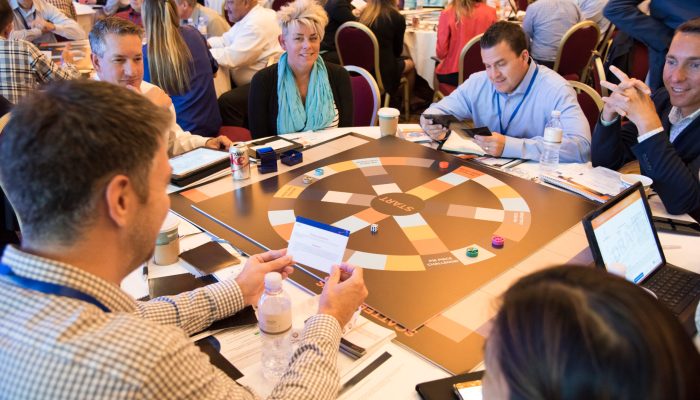
This purpose influences every design decision. A leadership meeting focused on alignment may require structured conversations, moments for reflection, and carefully planned transitions between speakers and sessions. A product launch may need a stronger emphasis on storytelling, demonstrations, and emotional connection. A training experience may depend on interaction, repetition, and opportunities for participants to apply what they learn.
When event teams design around audience intent, the experience becomes easier to follow and more meaningful to participants. Instead of treating attendees as passive recipients of information, thoughtful design considers their journey from arrival through follow-up.
This approach is central to creating memorable event experiences because engagement is shaped by the complete experience not by a single presentation, technology feature, or visual element.
How Event Design Influences Engagement Through Storytelling
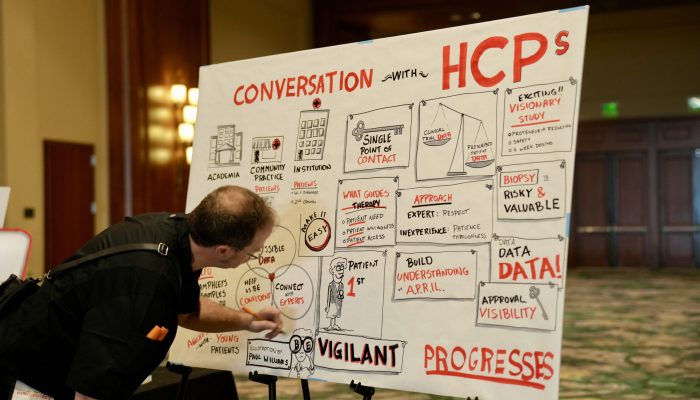
Strong event experiences often rely on storytelling to create structure and meaning. Audiences are more likely to stay engaged when information is organized around a clear narrative rather than delivered as disconnected messages.
Event storytelling techniques can influence how attendees understand a company’s priorities, a new initiative, or a strategic change. The sequence of content, the environment surrounding the message, and the transitions between moments all contribute to how the audience interprets the experience.
For example, a corporate meeting may begin by establishing a shared challenge, move into insights and solutions, and conclude with a clear call to action. A training experience may introduce a concept, allow participants to explore it, and reinforce learning through interaction. These design choices help audiences move from awareness to understanding.
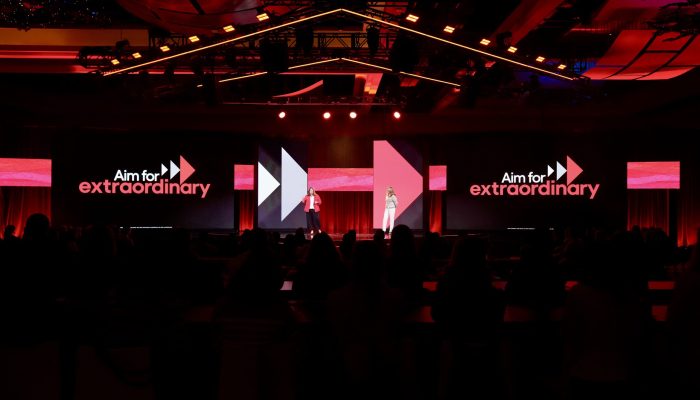
Experiential event design is most effective when creativity supports communication goals. Visual elements, staging, digital tools, and interactive components should strengthen the message rather than distract from it.
Designing Spaces That Support Participation
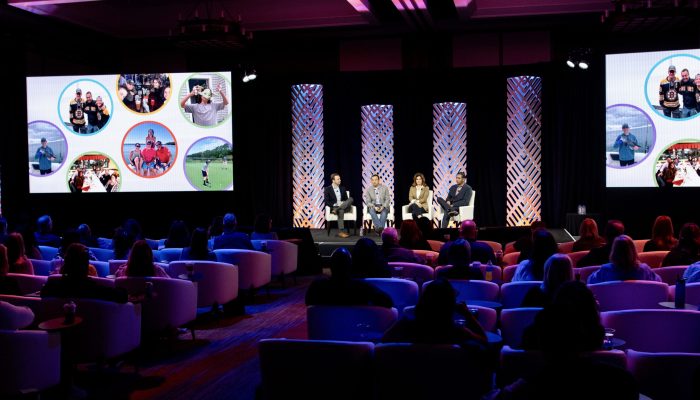
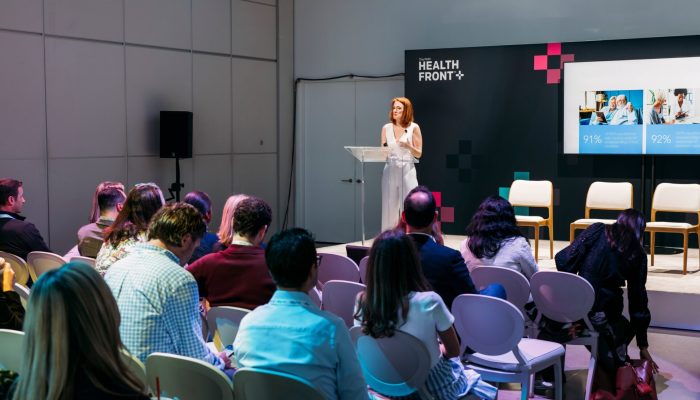
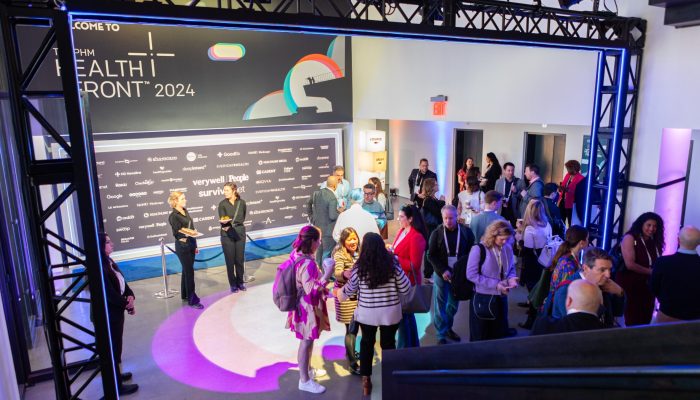
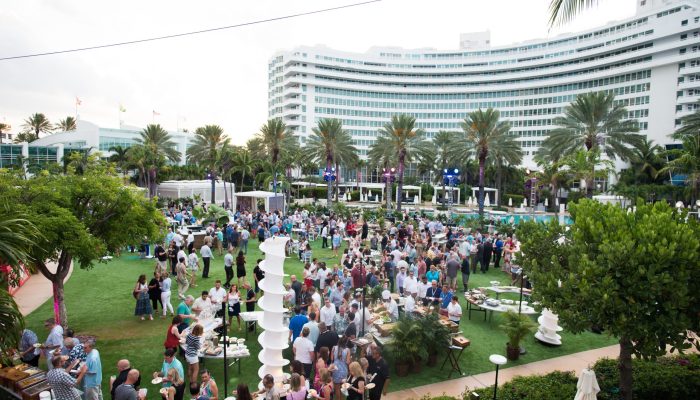
Event layout and attendee experience are closely connected. The physical or digital environment influences how people move, where they focus their attention, and how comfortable they feel participating.
A well-designed environment considers practical questions: How do attendees enter the experience? Where do conversations happen? How easily can participants engage with speakers, content, or one another? How does the space support the intended emotional and educational outcomes?
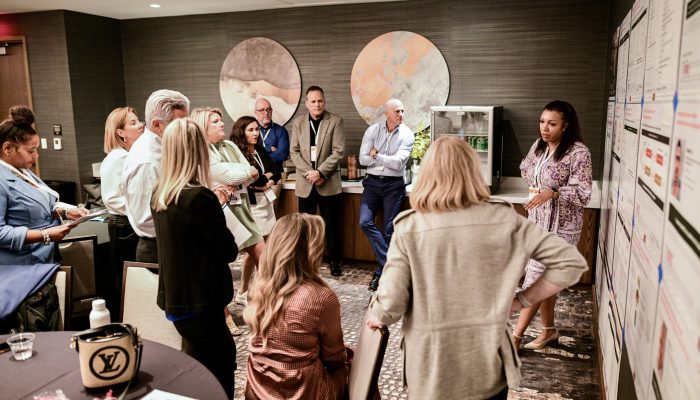
For meetings and training programs, small design decisions can have a significant impact. Seating arrangements, session pacing, networking areas, and technology integration can either encourage participation or create barriers.
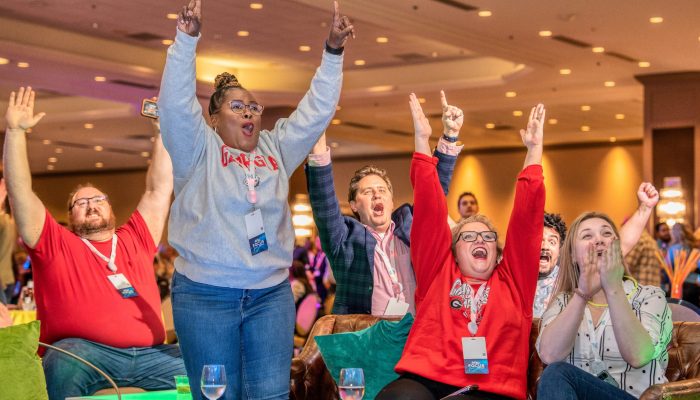
Audience engagement at events improves when attendees feel that the experience has been designed with their needs in mind. This means creating opportunities for interaction rather than expecting engagement to happen automatically.
Recent industry conversations have also highlighted the importance of designing experiences that extend beyond a single event moment. Event Marketer describes how designing events that build community can help organizations think about engagement as an ongoing relationship rather than a one-time interaction.
Technology Should Strengthen the Experience, Not Replace It
Technology can expand what events are able to accomplish, but it is most valuable when it supports the audience journey. The goal is not to add technology for its own sake. The goal is to make participation easier, content more accessible, and experiences more connected.
Hybrid capabilities demonstrate this principle clearly. A hybrid experience requires more than adding a virtual audience to an in-person event. It requires thoughtful planning around content delivery, interaction, production quality, and audience connection.
Virtual components, digital engagement tools, and broadcast production elements can help organizations reach distributed audiences while maintaining a sense of involvement. However, the design must account for how different audiences experience the event and how each group can participate meaningfully.
For organizations planning complex meetings, launches, or training experiences, technology decisions should support the broader communication strategy. The strongest event experience design strategies combine creative thinking with practical production planning.
Creating Engagement Through Intentional Experience Design
Audience engagement is often the result of many connected decisions rather than one standout feature. The timing of a session, the clarity of a message, the quality of production, and the opportunities for participation all contribute to how attendees evaluate an experience.
Research from Event Marketer reinforces the connection between intentional event design and audience response. Its data on how live experiences influence audience behavior highlights how live experiences can affect education, purchase consideration, and willingness to engage further with brands.
For event production teams and corporate leaders, the takeaway is that engagement should be designed into the experience from the beginning. It should influence content planning, creative direction, technical decisions, and measurement goals.
DEVLINHAIR Production & Learning approaches experience design through this combination of strategy, creativity, and execution. We design and produce action-driven meetings, live events, and training experiences that move audiences.
This perspective helps organizations think beyond event logistics and focus on what audiences should understand, feel, and do after the experience concludes.
What Leaders Should Consider Before Their Next Event
Organizations evaluating their next meeting, launch, or training experience can improve engagement by asking a few important questions before production begins:
- What should the audience take away? A clear outcome helps guide content, storytelling, and experience design decisions.
- How should participants engage? Interaction should be intentionally planned rather than treated as an unexpected result.
- Which design choices support the message? Environment, technology, and production elements should reinforce communication goals.
- How will success be understood? Engagement can be reflected through participation, feedback, learning outcomes, and audience response.
These considerations help transform events from information-sharing moments into experiences that create alignment and lasting impact.
Building More Meaningful Audience Experiences
How event design influences engagement comes down to a simple principle: audiences connect more deeply when every part of an experience has a purpose. A well-designed event considers the message, the audience journey, and the conditions needed for meaningful participation.
For corporate meetings, training experiences, product launches, and hybrid programs, thoughtful design creates opportunities for people to understand ideas, connect with others, and take action. The most effective experiences are not defined only by what happens on stage or on screen. They are shaped by the complete journey surrounding the audience.
By combining strategy, storytelling, production planning, and audience-focused design, organizations can create experiences that support stronger communication and more meaningful engagement.
Frequently Asked Questions
How does event design influence audience engagement?
Event design influences audience engagement by shaping how attendees experience content, interact with others, and connect with the overall message. Thoughtful choices around storytelling, layout, technology, and participation points help create more meaningful corporate meetings, live events, and training experiences.
What event design strategies can improve audience engagement at corporate events?
Effective event design strategies include creating a clear attendee journey, using purposeful storytelling, planning interactive moments, and designing spaces that support participation. These approaches help organizations create memorable event experiences that encourage understanding, involvement, and stronger connections.
Why is experiential event design important for hybrid events and training experiences?
Experiential event design is important because it helps both in-person and virtual audiences stay connected to the purpose of an event. For hybrid events and training experiences, thoughtful production planning, audience interaction, and content structure can improve engagement and support better learning outcomes.
Disclaimer: The above helpful resources content contains general insights and perspectives for informational purposes only. The information provided is for general knowledge and does not constitute professional advice.
You may also be interested in: How Meeting Production Improves Executive Presentations
When your most important meeting, launch, summit, or training experience needs to move people, every detail matters. Strategy guides the work. Creativity shapes the story. Precision brings it to life. DEVLINHAIR Production & Learning designs and produces action-driven meetings, live events, and training experiences that move audiences. From our New York City studio, DEVLINHAIR helps organizations bring complex ideas, leadership priorities, and learning moments to life with clarity, purpose, and production precision. Ready to create a hybrid experience your audience can follow, feel, and act on? Let’s talk.
Powered by flareAI.co