Quick Listen:
Organizations invest in training because information alone does not create lasting change. The challenge for HR leaders, training directors, and executives is helping people understand new ideas, apply them to real situations, and connect learning to the decisions they make every day. Experiential learning addresses that challenge by moving development beyond passive instruction and creating opportunities for people to participate, reflect, collaborate, and apply knowledge in meaningful ways.
When your most important meeting, launch, summit, or training experience needs to move people, every detail matters. Strategy guides the work. Creativity shapes the story. Precision brings it to life. DEVLINHAIR Production & Learning designs and produces action-driven meetings, live events, and training experiences that move audiences. From our New York City studio, DEVLINHAIR helps organizations bring complex ideas, leadership priorities, and learning moments to life with clarity, purpose, and production precision. Ready to create a hybrid experience your audience can follow, feel, and act on? Let’s talk.
Why Experiential Learning Matters for Organizational Growth
Traditional training often focuses on delivering information through presentations, documents, or online modules. These approaches can be valuable, but they may not always create the deeper understanding required for complex business environments. Teams need more than awareness of a concept; they need confidence using that knowledge when facing real challenges.
Experiential learning works by connecting learning to action. Participants engage with an experience, reflect on what happened, identify lessons, and consider how those lessons apply to their roles. This approach helps organizations create development programs that are more interactive and connected to real business outcomes.
For corporate leaders, this distinction matters because growth depends on how effectively employees translate knowledge into behavior. Whether an organization is introducing new strategies, preparing leaders, launching initiatives, or strengthening collaboration, learning experiences should help people understand not only what is changing but why it matters.
This is where experiential learning becomes especially relevant for corporate events, leadership programs, and training experiences. When learning environments are intentionally designed, they can help teams align around shared goals and create stronger connections between organizational priorities and individual action.
How Experiential Learning Works in Business Environments
The value of experiential learning comes from the relationship between experience and reflection. Instead of treating learning as a one-directional transfer of information, organizations can create environments where participants actively explore ideas and make connections.
A well-designed experiential learning program may include interactive discussions, simulations, collaborative exercises, scenario-based activities, or structured reflection. The specific format depends on the purpose of the experience, but the goal remains consistent: helping participants engage with information in a way that feels relevant to their responsibilities.
This approach is particularly useful when organizations need to communicate complex ideas. A product launch, leadership summit, or internal training program often involves more than sharing updates. Leaders need employees to understand priorities, recognize their role in the strategy, and feel prepared to move forward.
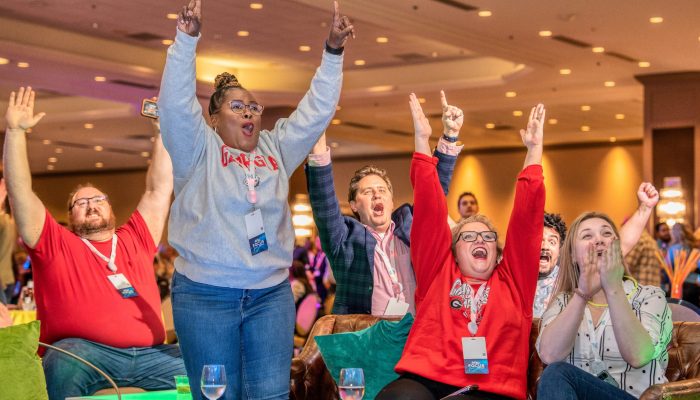
Experiential learning also supports stronger audience engagement during corporate events. Rather than designing an event around simply delivering content, organizations can consider how participants interact with the message and what actions they should be able to take afterward.
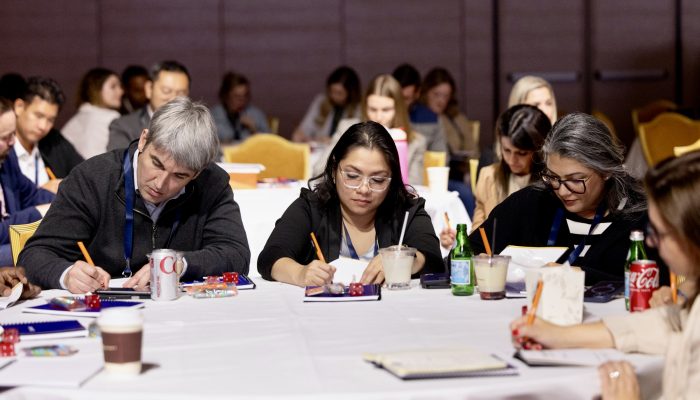
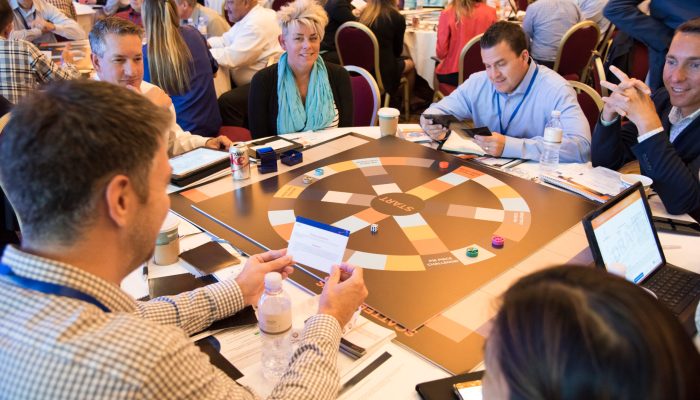
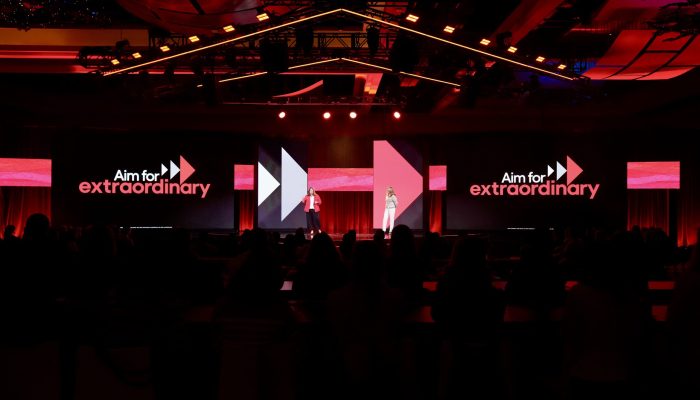
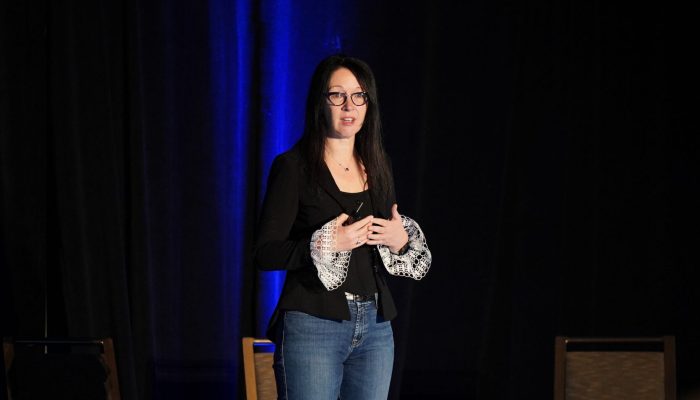
The experiential leadership development approach used by the BizBash Experiential Leadership Summit demonstrates how professional gatherings can move beyond traditional conference formats. The program focuses on immersive workshops, collaborative discussions, and practical takeaways that help participants apply ideas to real challenges.
Experiential Learning vs Traditional Training: Creating More Meaningful Development
The difference between experiential learning and traditional training is not that one replaces the other. Effective organizations often combine multiple approaches to support different learning needs. However, experiential methods add an important dimension by giving participants a chance to practice, discuss, and apply concepts.
For employee development, application is often where learning becomes valuable. A leadership principle may sound clear during a presentation, but employees gain a different understanding when they work through a realistic situation, collaborate with colleagues, and reflect on possible outcomes.
This makes experiential learning especially useful for leadership development, team alignment, and organizational change initiatives. When people experience a concept rather than simply hear about it, they have more opportunities to connect it with their own decisions and responsibilities.
Corporate events can become powerful learning environments when they are designed with this purpose in mind. A meeting, summit, or training experience is not only a place to communicate information; it is an opportunity to create shared understanding among people who may have different roles, perspectives, and priorities.
For DEVLINHAIR Production & Learning, effective experience design begins with a clear strategic foundation. We design and produce action-driven meetings, live events, and training experiences that move audiences.
The Role of Experience Design in Employee Development
Employee development programs are most effective when they connect learning goals with the way people actually work. Experience design helps organizations think through every part of the learning journey, from the initial message to the participant’s final takeaway.
This includes considering how content is delivered, how participants interact with each other, and how the environment supports engagement. A carefully designed experience can help employees focus attention, participate more actively, and connect ideas to practical situations.
For training directors and HR leaders, this means looking beyond the agenda. The structure of a learning experience influences how people receive information and whether they are able to apply it afterward. The most effective programs create intentional moments for discussion, collaboration, and reflection.
Experiential learning can also strengthen connections within teams. Shared experiences create opportunities for employees to solve problems together, exchange perspectives, and develop a stronger understanding of organizational goals.
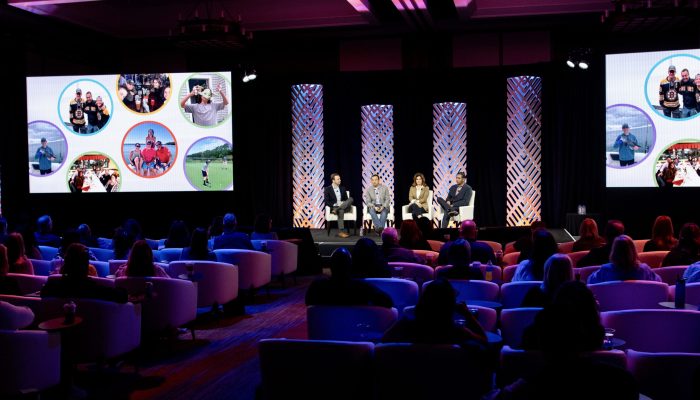
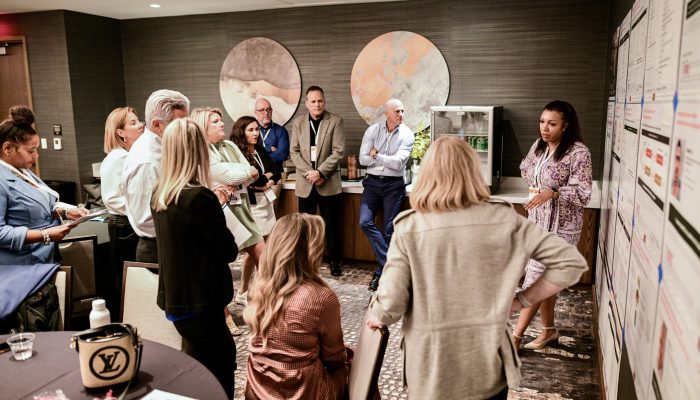
The BizBash EXP conference provides another example of how experiential learning principles can shape professional gatherings. The event incorporated curated interactions, collaborative sessions, and reflection opportunities designed to encourage participants to learn and grow together through direct engagement. This type of experiential learning in conferences shows how events can become environments for connection and practical insight rather than simple information exchange.
Using Experiential Learning to Support Organizational Alignment
Growth requires alignment. When teams understand organizational priorities and see how their work contributes to broader goals, they are better positioned to make decisions that support the business.
Experiential learning can support this alignment by creating shared moments around important messages. Leadership teams can use learning experiences to introduce new strategies, reinforce values, or help employees understand changes affecting the organization.
This is especially important for distributed teams and organizations managing complex initiatives. A successful learning experience should help participants leave with more than notes or materials. They should leave with clarity about what they learned, how it applies, and what actions come next.
Corporate meetings, leadership summits, and training experiences can serve as important opportunities to create that clarity. With thoughtful production and learning design, organizations can create environments where communication becomes more engaging and more actionable.
The impact of experiential learning on corporate performance is not simply about creating memorable moments. The deeper value comes from helping people connect learning to decisions, collaboration, and everyday execution.
Practical Considerations for Building Experiential Learning Experiences
Organizations considering experiential learning should begin with the outcome they want to achieve. A strong experience starts with a clear understanding of the audience, the business challenge, and the behavior or knowledge participants should take forward.
- What should participants understand after the experience? Define the message or learning objective before selecting the format.
- How should participants engage with the content? Consider opportunities for interaction, collaboration, and reflection.
- What action should follow the experience? Connect learning moments to practical next steps.
- How will success be evaluated? Identify how the organization will determine whether the experience achieved its purpose.
These considerations help ensure that experiential learning is not simply an engaging activity. It becomes a strategic tool that supports employee development, communication, and organizational growth.
For corporate leaders, the opportunity is to design learning experiences that respect participants’ time while creating meaningful connections between ideas and action. When learning is built around participation and application, organizations can create stronger pathways for growth.
Turning Learning Experiences Into Organizational Progress
Experiential learning supports organizational growth by helping people move from understanding concepts to applying them. For HR leaders, training directors, and executives, the goal is not only to deliver information but to create experiences that help teams align, collaborate, and act with confidence. By bringing strategy, storytelling, and thoughtful engagement together, organizations can create corporate events and training experiences that support lasting development and meaningful business progress.
Frequently Asked Questions
What is experiential learning and how does it support organizational growth?
Experiential learning is an approach that helps employees develop skills by participating in experiences, reflecting on outcomes, and applying lessons to real workplace situations. It supports organizational growth by improving alignment, collaboration, and the ability to turn knowledge into action.
How does experiential learning compare with traditional training for employee development?
Experiential learning goes beyond traditional training by giving employees opportunities to practice concepts through interactive activities, discussions, and real-world scenarios. This approach can strengthen employee development by helping teams connect learning strategies with daily decisions and business goals.
How can companies use experiential learning in corporate meetings and training experiences?
Companies can use experiential learning in corporate meetings, leadership summits, and training experiences by creating opportunities for participation, reflection, and collaboration. These experiences can improve audience engagement and help employees better understand important messages, strategies, and organizational priorities.
Disclaimer: The above helpful resources content contains general insights and perspectives for informational purposes only. The information provided is for general knowledge and does not constitute professional advice.
You may also be interested in: Audience Engagement Strategies Evolve With New Tools and Platforms
When your most important meeting, launch, summit, or training experience needs to move people, every detail matters. Strategy guides the work. Creativity shapes the story. Precision brings it to life. DEVLINHAIR Production & Learning designs and produces action-driven meetings, live events, and training experiences that move audiences. From our New York City studio, DEVLINHAIR helps organizations bring complex ideas, leadership priorities, and learning moments to life with clarity, purpose, and production precision. Ready to create a hybrid experience your audience can follow, feel, and act on? Let’s talk.
Powered by flareAI.co