Quick Listen:
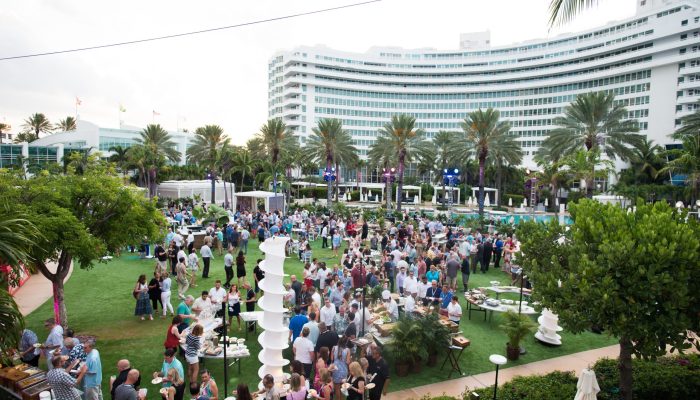
Understanding how corporate events shape brand perception starts with a practical problem: an event can communicate a brand more powerfully than a campaign deck ever will, but it can also expose gaps between what a company says and what its audience experiences. Every interaction—from the opening message and session design to the way information is delivered and people are welcomed—can influence whether attendees see the organization as credible, thoughtful, relevant, and aligned with its stated values. That makes the event experience more than a moment on the calendar. It is a visible expression of the brand.
When your most important meeting, launch, summit, or training experience needs to move people, every detail matters. Strategy guides the work. Creativity shapes the story. Precision brings it to life. DEVLINHAIR Production & Learning designs and produces action-driven meetings, live events, and training experiences that move audiences. From our New York City studio, DEVLINHAIR helps organizations bring complex ideas, leadership priorities, and learning moments to life with clarity, purpose, and production precision. Ready to create a hybrid experience your audience can follow, feel, and act on? Let’s talk.
The Event Experience Becomes Part of the Brand
Corporate events put brand promises into practice. A company may describe itself as innovative, customer-focused, collaborative, or detail-oriented, but attendees judge those qualities through what actually happens around them. If the experience is confusing, disconnected, or difficult to navigate, the audience may question the organization behind it. If the experience feels coherent and purposeful, the event can reinforce the qualities the brand wants people to remember.
This is why corporate events and brand perception are closely connected. An event creates a concentrated series of brand touchpoints, often involving employees, customers, partners, prospects, executives, and other stakeholders at the same time. The audience is not simply receiving information. It is interpreting how the organization thinks, communicates, prioritizes, and responds.
Research highlighted in live event benchmark research reinforces the role of experiences in brand relationships. The findings indicate that event participation can strengthen understanding of a brand’s products and values while increasing consideration among attendees. The implication for corporate event strategy is straightforward: the experience itself can influence what people understand, remember, and associate with the organization.
Consistency Matters More Than Spectacle
A memorable event does not necessarily require the biggest stage, the most advanced technology, or the most elaborate entertainment. What matters is whether the individual elements support the same idea. Messaging, visual design, content, speakers, environmental details, digital touchpoints, and production decisions should work together rather than compete for attention.
This becomes especially important when an event serves multiple business purposes. A leadership summit may need to align executives around priorities while also reinforcing company culture. A product launch may need to explain a complex offering while creating confidence in the brand. A sales meeting may need to motivate a team while giving people practical information they can use after the event.
The strongest experiences make those objectives feel connected. Instead of treating brand identity as a visual layer applied after the agenda is complete, teams can use it to guide decisions about storytelling, content flow, audience interaction, and production. That approach helps the event feel intentional rather than assembled from separate components.
Small Interactions Can Change Audience Perception
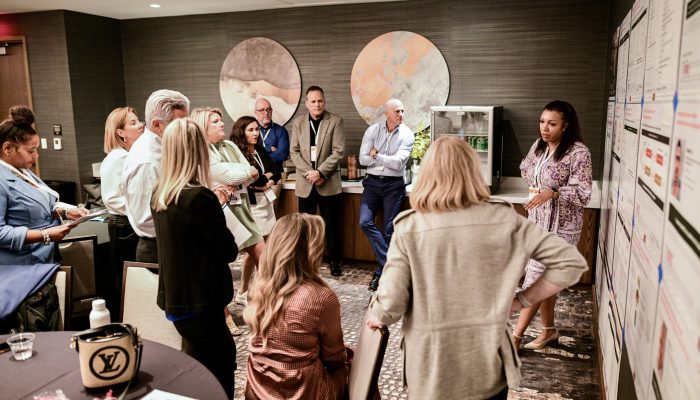
Brand perception through events is rarely determined by one dramatic moment. It develops through accumulation. An attendee notices whether registration is intuitive, whether sessions respect their time, whether content reflects their needs, and whether the experience feels designed for the people in the room. Each detail contributes to the larger impression.
Personalization is particularly useful because it makes that attention visible. Event personalization strategies can use registration information, session behavior, and engagement patterns to make content and interactions more relevant to different attendees. The underlying principle is broader than personalization technology: people tend to respond more positively when an organization demonstrates that it understands who they are and why they are participating.
The same principle applies to accessibility and inclusion. Multilingual materials, accessible session formats, relevant content choices, and thoughtful networking opportunities can communicate that the organization considered different needs rather than designing exclusively for an assumed attendee. Those choices are not merely operational details. They can become evidence of the brand’s priorities.
Even physical takeaways can contribute to the impression. An item that is useful and relevant can extend the event experience beyond the venue, while an unnecessary giveaway may quickly disappear. The question for production and communications teams is therefore not simply, “What can we add?” but “What does this interaction communicate about us?”
Storytelling Gives the Brand Meaning
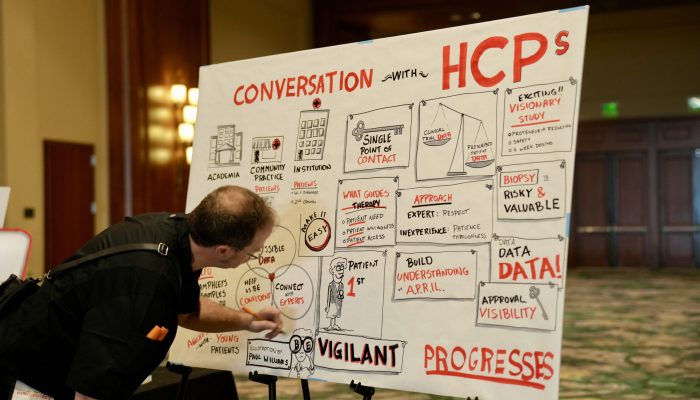
Information alone rarely defines an event experience. Audiences need context: why a change matters, what a product enables, where a strategy is going, or how an organization expects people to contribute. Storytelling provides that context and gives individual presentations or sessions a role within a larger narrative.
For corporate meetings, this can mean moving beyond a sequence of updates. A leadership message can establish the challenge, customer or employee stories can make the issue tangible, and interactive sessions can give attendees a way to engage with the response. For a product launch, the story might move from the problem customers face to the solution, the evidence behind it, and what action comes next.
This is where event experience and brand awareness intersect. Repetition of a logo or tagline may create recognition, but a well-structured story helps people understand what the brand stands for. When the narrative is supported by production choices—visual transitions, stage design, video, sound, pacing, and audience interaction—the message becomes an experience rather than a collection of statements.
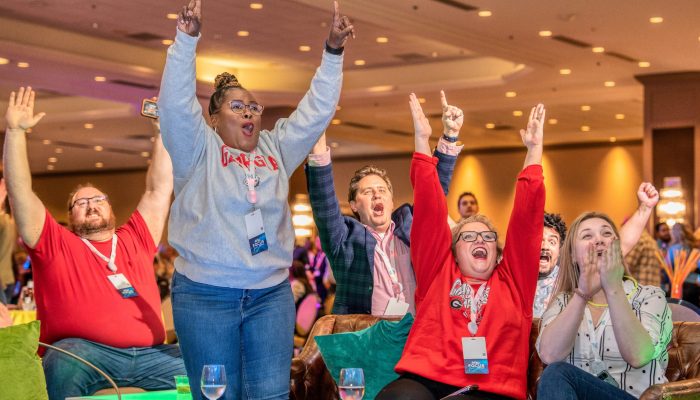
The goal is not to manufacture an emotional response. It is to make the business message easier to understand and more meaningful to the people receiving it. That distinction keeps storytelling useful and grounded in the purpose of the event.
Hybrid and Virtual Experiences Still Shape Perception
The same principles apply when audiences are distributed across physical and digital environments. Hybrid events require more than sending a room’s content to a remote audience. The production approach needs to account for how remote participants see, hear, navigate, and interact with the experience.
That means considering the experience from each audience’s perspective. A presentation that works well from a ballroom seat may not translate effectively to a laptop screen. A networking activity designed for people standing together may leave remote participants watching from the sidelines. Likewise, an executive message can lose impact if the broadcast feels like an afterthought.
Strong hybrid production connects the two experiences without pretending they are identical. Content can be structured for different viewing environments, interactions can give remote participants a meaningful role, and production teams can manage pacing and transitions so that the experience feels deliberate in every format.
For organizations that already have hybrid capabilities, the opportunity is less about adopting another format and more about improving design discipline. The brand should feel recognizable and consistent whether someone is attending in person or engaging through a screen. That consistency supports trust because the audience encounters the same core message and standards across the experience.
Design the Event Around the Impression You Want to Leave
A useful way to approach corporate event strategy is to work backward from audience perception. Before choosing a theme, technology, venue treatment, or production feature, teams can define what they want attendees to understand and remember. The answer should connect directly to the business purpose of the meeting or experience.
- Clarify the desired takeaway. Identify the message or belief attendees should leave with rather than trying to communicate everything at once.
- Align the experience with the brand. Make sure content, design, speakers, production, and audience interactions reinforce the same identity and priorities.
- Design for the actual audience. Consider different roles, interests, levels of knowledge, accessibility needs, and participation preferences.
- Build a coherent journey. Treat registration, arrival, content, transitions, networking, digital interactions, and follow-through as connected parts of one experience.
- Measure more than attendance. Look at what people understood, remembered, discussed, or acted on after the event when those outcomes can be meaningfully evaluated.
Creating memorable corporate events is ultimately less about making every moment bigger and more about making every moment intentional.
We design and produce action-driven meetings, live events, and training experiences that move audiences. That philosophy reflects an important distinction: production is not separate from brand communication. The way an experience is designed and delivered is itself part of the message.
When organizations treat events as brand experiences rather than isolated programs, decisions become easier to connect to business purpose. The agenda can reinforce the story, production can support comprehension, and audience engagement can become part of the communication strategy rather than an add-on. The result is an experience that does more than occupy a room or fill a broadcast window. It gives people a tangible way to experience what the organization represents and that is where lasting brand perception begins.
Frequently Asked Questions
How do corporate events shape brand perception?
Corporate events shape brand perception by turning brand promises into a direct audience experience. The quality and consistency of messaging, production, storytelling, audience engagement, and event interactions can influence how attendees view an organization’s credibility, values, and priorities.
Why is consistency important in a corporate event brand experience?
Consistency helps ensure that content, visual design, speakers, production, and audience interactions communicate the same brand identity and business message. A cohesive experience can make corporate meetings, product launches, and other live or hybrid events feel intentional rather than disconnected.
How can event production improve brand perception and audience engagement?
Effective event production can improve brand perception by making important messages easier to understand and creating meaningful opportunities for audience engagement. Thoughtful storytelling, pacing, technology, hybrid production, and personalized interactions can help attendees connect the experience with what the brand represents.
Disclaimer: The above helpful resources content contains general insights and perspectives for informational purposes only. The information provided is for general knowledge and does not constitute professional advice.
You may also be interested in: What Learning Leaders Should Consider Before Scaling Training Programs
When your most important meeting, launch, summit, or training experience needs to move people, every detail matters. Strategy guides the work. Creativity shapes the story. Precision brings it to life. DEVLINHAIR Production & Learning designs and produces action-driven meetings, live events, and training experiences that move audiences. From our New York City studio, DEVLINHAIR helps organizations bring complex ideas, leadership priorities, and learning moments to life with clarity, purpose, and production precision. Ready to create a hybrid experience your audience can follow, feel, and act on? Let’s talk.
Powered by flareAI.co