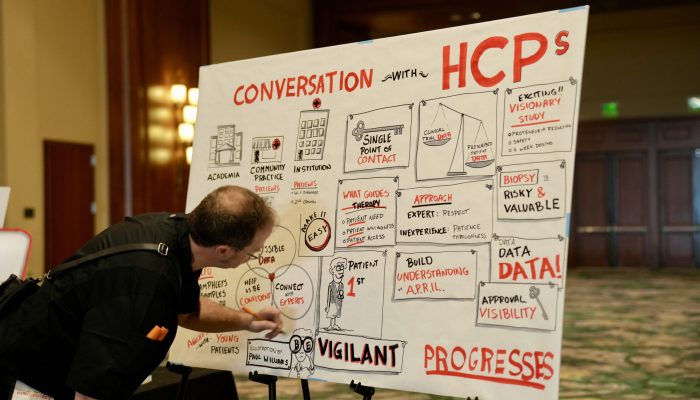
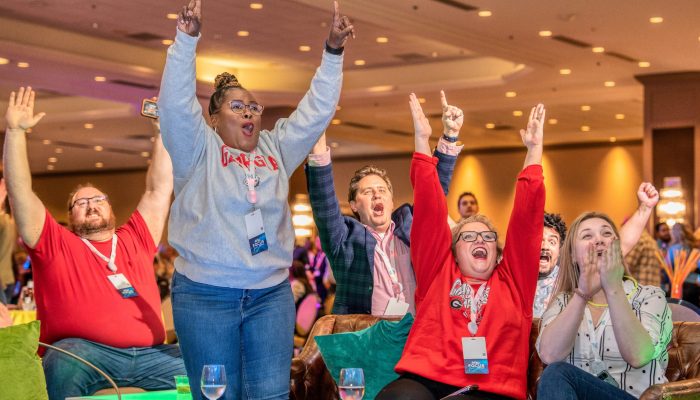
Planning a global corporate meeting involves more than selecting a destination and building an agenda. The challenge is creating an experience that helps people align around priorities, understand key messages, and leave with a clear sense of purpose. When teams, executives, partners, or customers come together from different locations, every element of the meeting—from communication and production design to attendee engagement and technology—needs to support the outcome the organization is trying to achieve.
When your most important meeting, launch, summit, or training experience needs to move people, every detail matters. Strategy guides the work. Creativity shapes the story. Precision brings it to life. DEVLINHAIR Production & Learning designs and produces action-driven meetings, live events, and training experiences that move audiences. From our New York City studio, DEVLINHAIR helps organizations bring complex ideas, leadership priorities, and learning moments to life with clarity, purpose, and production precision. Ready to create a hybrid experience your audience can follow, feel, and act on? Let’s talk.
Start with the Business Purpose Behind the Meeting
A successful global corporate meeting begins with clarity around why people are gathering. Before discussing venues, schedules, or production details, organizations should define what attendees need to understand, experience, or do differently after the meeting.
For leadership meetings, the goal may be alignment around strategic priorities. For sales meetings, the focus may be strengthening product knowledge and preparing teams to communicate effectively. For training experiences, the objective may be improving retention and helping participants apply new information in their roles.
This purpose-driven approach creates a stronger foundation for every planning decision. A meeting should not simply deliver information; it should create the conditions for people to connect with the message and translate it into action.
Corporate meeting strategy becomes more effective when planners consider the audience experience from the beginning. Understanding attendee expectations, communication needs, and engagement opportunities helps shape the format, content approach, and production requirements.
Build a Global Meeting Strategy Around Audience Needs
International business meetings often involve participants with different roles, working environments, communication styles, and levels of familiarity with the topic being presented. A strong planning process accounts for these differences while maintaining a consistent experience.
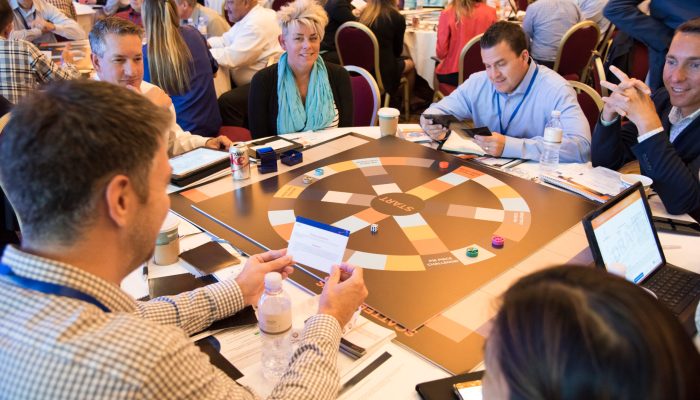
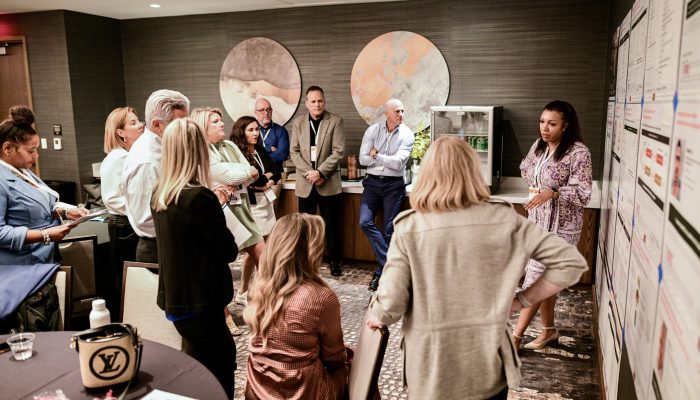
One important consideration is how attendees will interact with the content. A presentation-heavy approach may not create the level of engagement needed for a leadership summit, product launch, or training program. Instead, organizations should think about how storytelling, discussion, demonstrations, and interactive moments can help audiences absorb and remember key information.
- What decisions or actions should the meeting support?
- How can content be structured so audiences remain engaged?
- What production elements will strengthen the message?
- How will attendees participate before, during, and after the event?
The most effective meetings are designed around the people attending them. When audience needs guide the strategy, every component of the experience has a clearer purpose.
Consider Logistics, Travel, and Venue Decisions Early
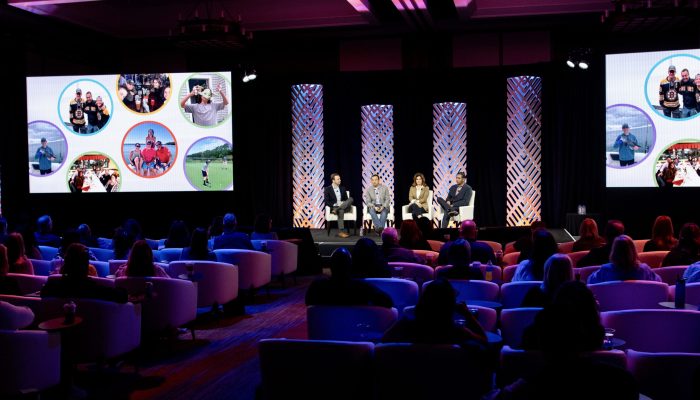
Location decisions influence the entire meeting experience. For global corporate meetings, planners need to evaluate accessibility, attendee convenience, technology requirements, and the ability to create a consistent experience from arrival through closing remarks.
Travel considerations are becoming an increasingly important part of event strategy. Changes in business travel expectations can affect destination selection, timing, attendance decisions, and overall attendee satisfaction. Organizations planning international meetings should consider how transportation options, sustainability expectations, and traveler preferences influence participation. These factors are highlighted in discussions of corporate travel trends impacting events.
Venue selection should also be approached as a strategic decision rather than a simple operational choice. The right environment should support the meeting objectives, provide appropriate production infrastructure, and help attendees engage with the experience. As organizations continue investing in face-to-face gatherings, venue strategies increasingly need to balance budget considerations with attendee expectations and experience quality. New venue strategies reflect this shift toward more intentional meeting environments.
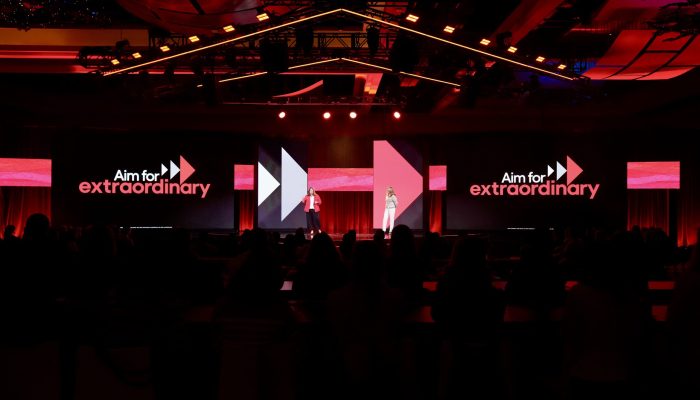
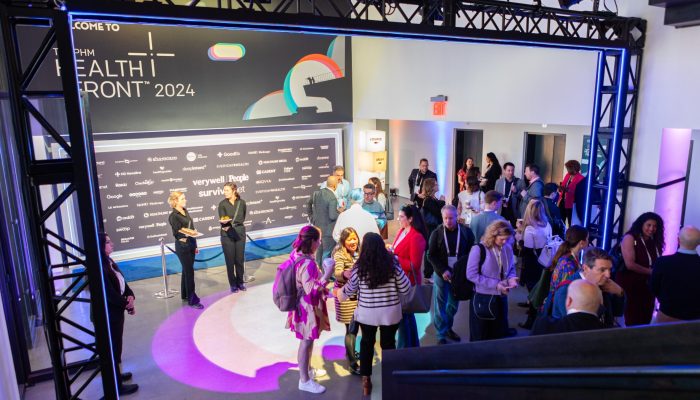
For large scale corporate events, logistics and creative decisions cannot be separated. The venue, technology, staging, content flow, and attendee journey should work together as one connected experience.
Design Hybrid Capabilities Into the Experience
Many global organizations now need meetings that support both in-person and remote participation. After the rapid rise of hybrid events in 2022 and 2023, the focus has shifted from simply offering a virtual option to designing experiences that work effectively across different participation formats.
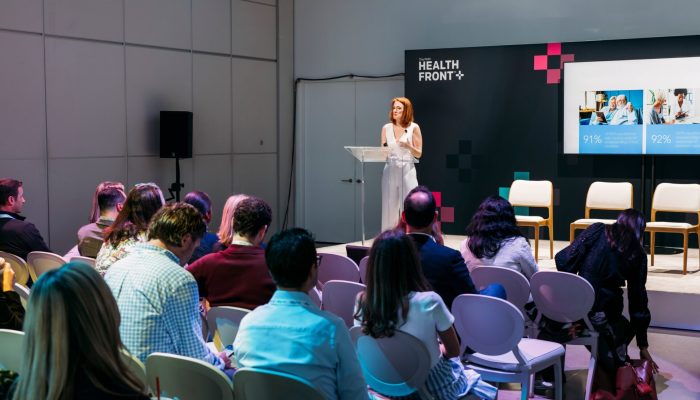
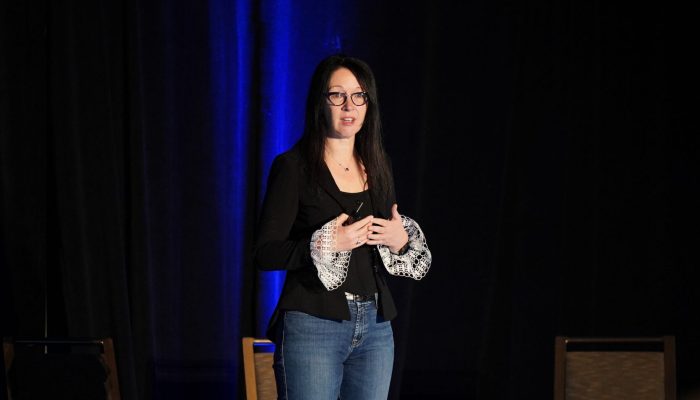
Hybrid capabilities require more than adding a livestream to an in-person meeting. Strong hybrid production considers how remote audiences will interact, how speakers will connect with all participants, and how content can remain engaging regardless of where attendees are joining from.
For corporate meetings and training experiences, this means thinking about production choices early. Camera placement, lighting, audience interaction, presentation design, and technology workflows all influence whether remote participants feel included or disconnected.
A hybrid-first approach also requires organizations to define the role of each audience group. Some participants may need networking opportunities, while others may need access to educational content, demonstrations, or leadership discussions. Designing around those needs creates a more intentional experience.
Align Content, Production, and Learning Outcomes
Global meetings often bring together important messages that need to be understood across teams, regions, and business functions. This makes content design a critical part of the planning process.
Strong experiences connect strategy with storytelling. Instead of treating presentations, videos, demonstrations, and interactive elements as separate pieces, organizations should consider how each component contributes to the overall message.
For DEVLINHAIR Production & Learning, effective experience design starts with a clear strategic foundation; we design and produce action-driven meetings, live events, and training experiences that move audiences.
This approach helps organizations think beyond event execution and focus on outcomes. Whether a meeting is intended to launch a new initiative, train employees, or bring leaders together around shared goals, production decisions should reinforce the intended audience response.
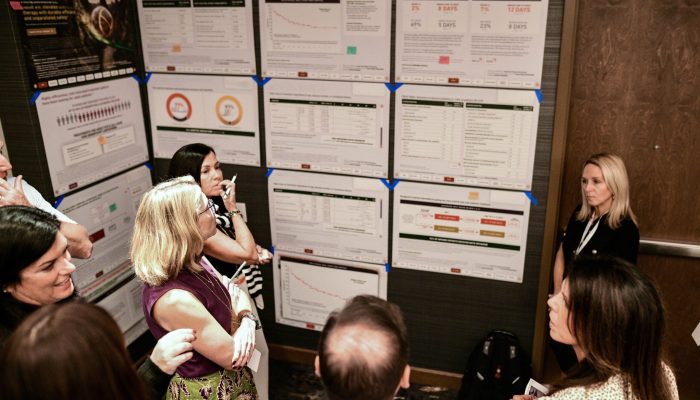
Learning design is especially important when meetings include education or training components. Information needs structure, relevance, and opportunities for application. When audiences can connect content to their responsibilities, the experience becomes more valuable long after the event ends.
Create Consistency Across Every Touchpoint
Global meetings often involve many moving parts, including communications, content development, production teams, speakers, technology partners, and internal stakeholders. Without alignment, even strong individual elements can feel disconnected.
A consistent experience requires coordination across every stage of planning. Messaging should remain clear from initial invitations through final sessions. Speakers should understand the intended audience impact. Production elements should support the story rather than compete with it.
This is particularly important for organizations managing large scale corporate events where multiple teams contribute to the final experience. Clear roles, shared objectives, and strong communication help prevent last-minute decisions from weakening the overall outcome.
Global event planning best practices are ultimately about creating alignment. The strongest meetings are not defined only by what happens on stage; they are defined by how effectively every element supports the audience journey.
Plan for Engagement Beyond the Event Moment
A global corporate meeting should be viewed as part of a broader communication strategy rather than a single point in time. The impact of the experience depends on what attendees remember, discuss, and apply afterward.
Organizations can extend the value of meetings by considering follow-up communications, continued learning opportunities, internal resources, and ways for teams to maintain momentum after the event.
Audience engagement begins before attendees enter the room and continues after the final session concludes. A well-designed meeting creates connections between people, ideas, and business goals.
Planning a global corporate meeting requires a balance of strategic thinking, operational precision, creative storytelling, and audience understanding. By focusing on purpose, experience design, production quality, and meaningful engagement, organizations can create meetings that support stronger alignment and lasting business impact.
Frequently Asked Questions
What should organizations consider when planning a global corporate meeting?
Organizations planning a global corporate meeting should begin with clear business objectives, audience needs, communication goals, and production requirements. A strong corporate meeting strategy connects content, logistics, technology, and engagement opportunities to create a more meaningful attendee experience.
How can hybrid capabilities improve international corporate meetings?
Hybrid capabilities improve international corporate meetings by creating more flexible ways for in-person and remote audiences to participate. Effective hybrid event production requires intentional planning for technology, content delivery, speaker interaction, and audience engagement so all participants feel included.
Why is learning strategy important for large scale corporate events and training experiences?
Learning strategy is important because it helps organizations turn meeting content into practical knowledge that audiences can apply. For large scale corporate events and training experiences, thoughtful content design, storytelling, and production support can improve understanding, retention, and alignment around key messages.
Disclaimer: The above helpful resources content contains general insights and perspectives for informational purposes only. The information provided is for general knowledge and does not constitute professional advice.
You may also be interested in: Training Programs Blend Virtual and In-Person Elements for Flexibility
When your most important meeting, launch, summit, or training experience needs to move people, every detail matters. Strategy guides the work. Creativity shapes the story. Precision brings it to life. DEVLINHAIR Production & Learning designs and produces action-driven meetings, live events, and training experiences that move audiences. From our New York City studio, DEVLINHAIR helps organizations bring complex ideas, leadership priorities, and learning moments to life with clarity, purpose, and production precision. Ready to create a hybrid experience your audience can follow, feel, and act on? Let’s talk.
Powered by flareAI.co