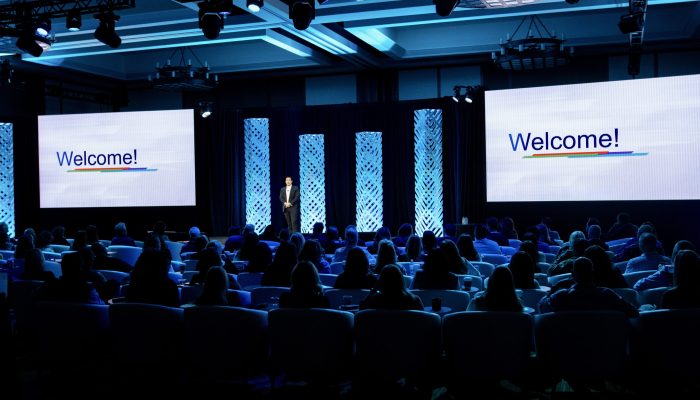
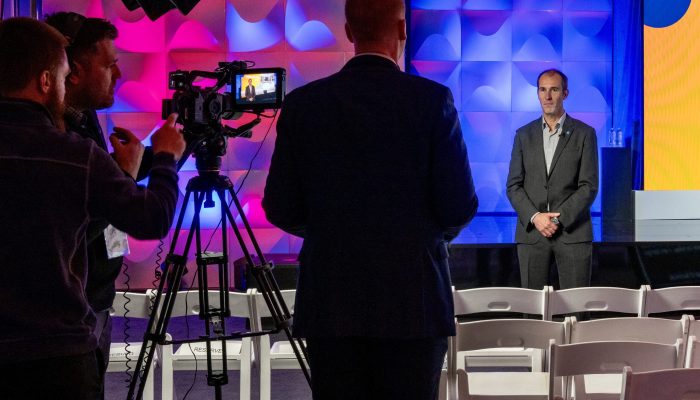
Choosing event technology is not about adding more digital features to a meeting, launch, or training experience. The real challenge is identifying which tools help audiences participate, understand key messages, and stay connected to the purpose of the experience. For corporate event leaders, communications teams, and production partners, the right technology decision starts with audience needs rather than the technology itself.
Successful experiences use technology as part of a broader engagement strategy. A platform, interactive feature, or measurement tool should support the way people experience content, connect with others, and respond to the event’s objectives. When technology is selected intentionally, it can strengthen participation without distracting from the message being delivered.
When your most important meeting, launch, summit, or training experience needs to move people, every detail matters. Strategy guides the work. Creativity shapes the story. Precision brings it to life. DEVLINHAIR Production & Learning designs and produces action-driven meetings, live events, and training experiences that move audiences. From our New York City studio, DEVLINHAIR helps organizations bring complex ideas, leadership priorities, and learning moments to life with clarity, purpose, and production precision. Ready to create a hybrid experience your audience can follow, feel, and act on? Let’s talk.
Start with the Audience Experience, Not the Technology
The first step in choosing event technology for audience engagement is understanding what the experience needs to accomplish. A leadership summit may need tools that encourage discussion and alignment. A product launch may require interactive elements that help attendees understand a complex story. A training experience may benefit from features that reinforce learning and encourage participation.
Technology decisions become more effective when teams define the audience journey before evaluating platforms. Instead of asking which tool has the most features, leaders should ask what actions they want attendees to take. Do participants need to share feedback? Connect with colleagues? Explore content? Ask questions? Continue engagement after the event?
This audience-first approach helps organizations avoid using technology simply because it is available. The strongest event technology choices support the goals of the experience and make participation feel natural.
For example, interactive displays, digital platforms, and immersive media can create more opportunities for attendees to engage with content when they are integrated with a clear purpose. New event technology is most effective when it improves the attendee experience rather than becoming a separate feature that competes for attention.
Evaluate Technology Based on Engagement Goals
Every technology investment should connect back to a specific engagement goal. Audience engagement is not created by technology alone; it comes from how tools support communication, storytelling, and interaction throughout an experience.
Corporate event technology solutions should be evaluated by how well they support the intended outcome. A platform that works well for networking may not be the right choice for a learning-focused session. A tool designed for live interaction may not address the needs of a hybrid audience that requires consistent participation across different formats.
- Does the technology support the audience journey? The experience should feel intuitive and connected from beginning to end.
- Does it strengthen the event message? Technology should help audiences understand and remember important information.
- Does it create meaningful interaction? Engagement should move beyond passive viewing whenever participation is valuable.
- Does it provide useful insights? Measurement can help teams understand what worked and inform future experiences.
This evaluation process is especially important for organizations producing meetings, training programs, and hybrid experiences. The right tools should complement production strategy and audience needs rather than dictate the structure of the event.
Consider How Technology Supports Hybrid and Live Experiences
Hybrid experiences require careful planning because audiences may participate in different ways. A successful approach considers both in-person and remote participants from the beginning rather than treating digital participation as an additional feature.
Hybrid event technology platforms can support stronger connections when they are integrated into the overall design of the experience. The goal is not simply to broadcast content to another audience. It is to create opportunities for participation, interaction, and shared understanding regardless of where attendees are located.
Teams evaluating hybrid capabilities should look at how technology supports production requirements, audience interaction, accessibility, and content delivery. A strong hybrid approach requires coordination between creative strategy, technical execution, and audience engagement planning.
After the rapid growth of hybrid events, the focus has shifted toward improving the quality of these experiences. Organizations are increasingly considering how hybrid design can support communication goals, training outcomes, and meaningful participation rather than viewing it as a separate event format.
Use Data and Measurement to Improve Future Experiences
Measurement is an important part of choosing event technology because engagement should be understood beyond attendance. Useful technology can help teams identify how audiences interacted with content, where participation increased, and which elements created stronger connections.
Event technology for audience engagement can provide valuable insight when measurement is built into the experience design. Tools that capture participation, feedback, and audience behavior can help organizations make more informed decisions about future meetings, training experiences, and live events.
Industry conversations around event measurement increasingly emphasize moving from assumptions about engagement toward clearer signals about audience behavior. AI-powered event measurement strategies and analytics tools are creating new opportunities for teams to understand participation patterns and improve experience design.
However, measurement should serve a purpose. Collecting information without a clear reason can create unnecessary complexity. The most valuable insights are those that help teams improve content, strengthen audience connection, and align future experiences with business objectives.
Balance Innovation with Production Practicality
Technology can create memorable moments, but successful implementation depends on thoughtful production planning. A visually impressive tool is only valuable if it works reliably, supports the audience, and fits within the operational needs of the event.
Production teams should consider factors such as setup requirements, ease of use, integration with existing systems, and how the technology performs in the actual event environment. The most effective solutions are often those that feel simple for attendees while supporting complex production goals behind the scenes.
For organizations planning high-impact moments such as product launches, leadership meetings, or training programs, technology selection should be connected to the larger experience strategy. This ensures that digital elements enhance storytelling instead of overwhelming it.
For DEVLINHAIR Production & Learning, effective experience design starts with a clear strategic foundation. We design and produce action-driven meetings, live events, and training experiences that move audiences.
This approach reflects an important principle in event technology strategy: tools should support the story, the audience, and the intended outcome. Technology is most powerful when it becomes part of a carefully designed experience rather than the focus of the experience itself.
Build an Event Technology Strategy That Supports Long-term Engagement
Choosing event technology is ultimately a strategic decision. The right solution depends on the audience, the purpose of the event, and the type of interaction an organization wants to create.
Rather than selecting technology based only on features, teams should look for solutions that align with communication goals, production requirements, and audience expectations. This creates a stronger foundation for meetings, hybrid experiences, training programs, and other moments where engagement matters.
A thoughtful event technology strategy also allows organizations to adapt over time. As audiences expect more meaningful interaction, the ability to evaluate, measure, and refine experiences becomes increasingly important.
The best technology choices are not always the most complex. They are the ones that make it easier for audiences to connect with content, participate in meaningful ways, and leave with a clearer understanding of the message.
Choosing the Right Technology Partner for Audience Engagement
Technology selection is only one part of creating an effective event experience. Bringing together strategy, creative thinking, production expertise, and audience insight helps organizations determine how technology can best support their goals.
For corporate communications leaders, learning teams, and event production professionals, the question is not simply which technology to use. The more important question is how technology can help create an experience that informs, connects, and moves audiences to action.
By focusing on purpose, audience needs, and practical execution, organizations can choose event technology that strengthens engagement while keeping the human experience at the center.
Frequently Asked Questions
How do you choose event technology for better audience engagement?
Choose event technology by first identifying the audience experience you want to create and the actions you want attendees to take. The right tools should support interaction, communication, and event goals rather than simply adding more digital features.
What features should corporate event technology solutions include to improve attendee engagement?
Corporate event technology solutions should include features that support participation, content interaction, feedback, and useful measurement. The most effective tools help teams create meaningful connections during meetings, live events, training experiences, and hybrid programs.
How can hybrid event technology platforms support audience engagement?
Hybrid event technology platforms can improve audience engagement by creating connected experiences for both in-person and remote participants. They should support interaction, accessibility, content delivery, and production needs while helping organizations maintain a consistent event experience.
Disclaimer: The above helpful resources content contains general insights and perspectives for informational purposes only. The information provided is for general knowledge and does not constitute professional advice.
You may also be interested in: Why Audience Engagement Begins With Better Event Design
When your most important meeting, launch, summit, or training experience needs to move people, every detail matters. Strategy guides the work. Creativity shapes the story. Precision brings it to life. DEVLINHAIR Production & Learning designs and produces action-driven meetings, live events, and training experiences that move audiences. From our New York City studio, DEVLINHAIR helps organizations bring complex ideas, leadership priorities, and learning moments to life with clarity, purpose, and production precision. Ready to create a hybrid experience your audience can follow, feel, and act on? Let’s talk.
Powered by flareAI.co