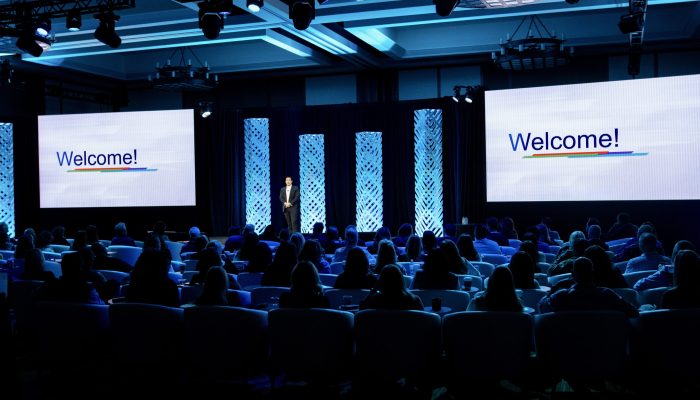
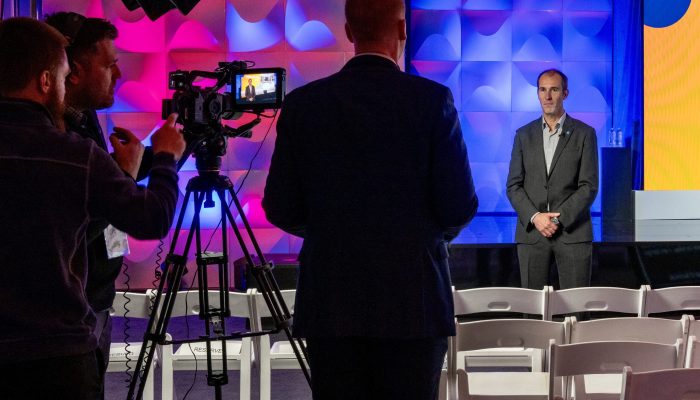
When organizations invest in a major product launch, leadership summit, or customer-facing activation, the goal is rarely just to create a visually impressive moment. The real challenge is helping audiences understand a message, connect with an idea, and remember what matters after the experience ends. That is where immersive brand experiences become valuable: they transform communication from something people simply receive into something they actively participate in.
Effective immersive experiences are built around purposeful engagement. They combine storytelling, design, interaction, and audience insight to create moments that feel relevant and memorable. For marketing teams, brand leaders, and experience designers, the question is not simply how to make an event more impressive. It is how to design an experience that supports a clear business objective and creates a meaningful connection.
When your most important meeting, launch, summit, or training experience needs to move people, every detail matters. Strategy guides the work. Creativity shapes the story. Precision brings it to life. DEVLINHAIR Production & Learning designs and produces action-driven meetings, live events, and training experiences that move audiences. From our New York City studio, DEVLINHAIR helps organizations bring complex ideas, leadership priorities, and learning moments to life with clarity, purpose, and production precision. Ready to create a hybrid experience your audience can follow, feel, and act on? Let’s talk.
Immersive Experiences Begin with a Clear Purpose
The strongest immersive experiences do not start with technology, production elements, or visual effects. They start with a strategic question: what should the audience understand, feel, or do after the experience?
A successful experience might help employees align around a new strategy, help customers understand a complex product, or help sales teams communicate a message more effectively. The creative execution should support that purpose rather than become the focus on its own.
This approach separates thoughtful brand experience design from experiences that prioritize attention without creating lasting value. A memorable environment matters, but the most effective experiences connect every element back to the audience journey.
For organizations planning meetings, launches, and live events, this means defining the intended outcome before deciding on the format. The story, space, technology, and interaction points should all reinforce the message the audience needs to take away.
Storytelling Turns Events Into Meaningful Audience Experiences
People often remember experiences because of the way those experiences make them feel. Immersive brand experiences are effective when they give audiences a role in the story instead of placing them in the position of passive observers.
Strong storytelling creates a structure that guides participants through an experience. It can introduce a challenge, reveal a new idea, demonstrate a product, or create a shared moment around a company mission. The objective is not simply to deliver information but to make that information easier to understand and remember.
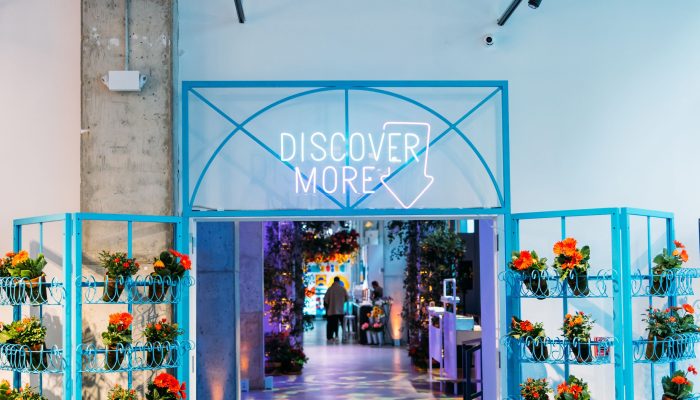
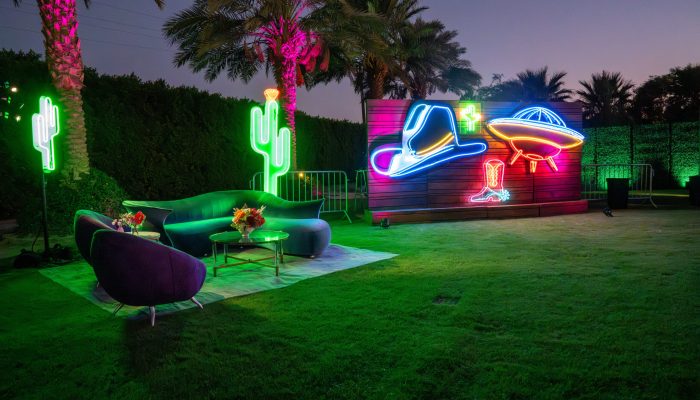
Recent experiential work highlighted by SXSW immersive brand trends shows how brands are creating environments that encourage exploration, interaction, and participation. These experiences often combine creative spaces, hands-on activities, and personalized moments to help audiences connect more deeply with the message.
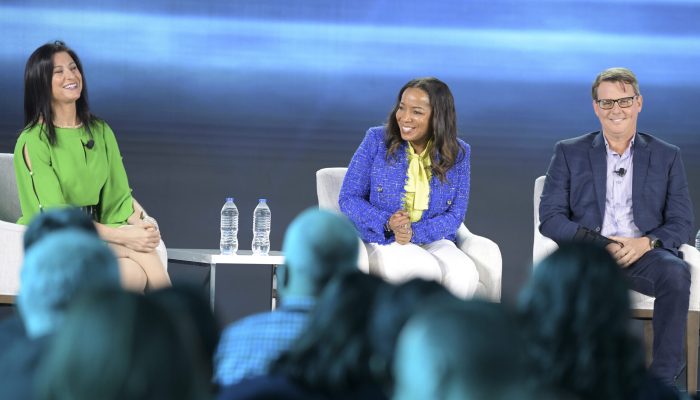
For corporate audiences, the same principle applies. A leadership summit or training experience can be more effective when participants are invited into a structured narrative rather than presented with a series of disconnected presentations. The experience becomes a way to reinforce understanding, encourage discussion, and support action.
Participation Creates Stronger Connections Than Passive Communication
One of the defining characteristics of immersive experiences is participation. When audiences interact with a brand story, they become active contributors rather than simply recipients of information.
This shift is especially important for organizations communicating complex ideas. A product launch, sales meeting, or training program often requires audiences to absorb significant information in a limited amount of time. Interactive elements can help transform abstract concepts into tangible experiences.
Effective audience engagement strategies focus on creating intentional moments of involvement. These moments may include demonstrations, collaborative activities, interactive environments, or opportunities for attendees to make decisions and explore ideas at their own pace.
The goal is not interaction for its own sake. Every engagement point should have a purpose and support the broader message. When participation feels natural and relevant, audiences are more likely to remain engaged and retain the information presented.
Technology Should Support the Experience, Not Replace the Human Connection
Technology can expand what is possible in immersive brand experiences, but it is most effective when it serves the audience rather than becoming the centerpiece. Digital tools, interactive platforms, and hybrid production capabilities can help organizations create more flexible and engaging experiences when they are integrated thoughtfully.
The most successful experiences balance innovation with human connection. A sophisticated digital element may attract attention, but the lasting impact often comes from how the experience helps people connect with a message, a product, or one another.
This principle is reflected in experiential campaigns recognized by brands mastering experiential moments, where memorable experiences are built around interaction, storytelling, and audience relevance rather than production complexity alone.
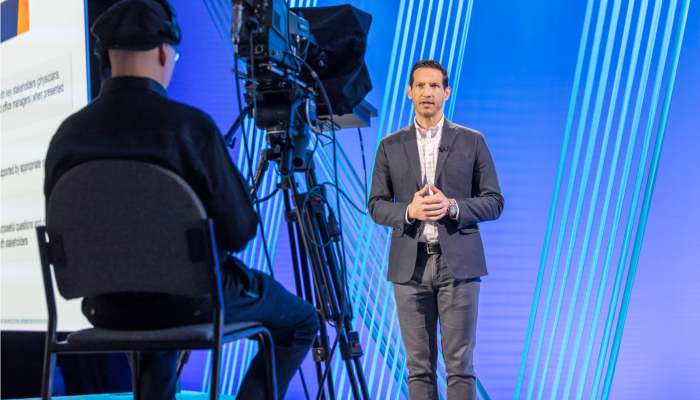
For corporate events and training experiences, technology can improve accessibility, participation, and continuity. Hybrid environments, for example, require careful design to ensure both in-person and remote audiences feel included. The focus should remain on creating a cohesive experience rather than simply adding digital components.
Audience Understanding Is the Foundation of Effective Design
Immersive experiences work best when they are designed around the people participating in them. Understanding audience expectations, challenges, and motivations allows teams to create experiences that feel useful instead of generic.
Different audiences require different approaches. A leadership team attending a strategic summit may need clarity and alignment. Employees participating in training may need opportunities to practice and apply new knowledge. Customers exploring a new product may need a clear demonstration of value.
This audience-first approach helps teams make better decisions about format, messaging, and production. It also creates a stronger connection between the experience and the outcome the organization wants to achieve.
For DEVLINHAIR Production & Learning, effective experience design starts with a clear strategic foundation. We design and produce action-driven meetings, live events, and training experiences that move audiences.
Immersive Brand Experiences Require Alignment Between Strategy and Execution
A successful experience depends on more than a strong creative concept. It requires alignment between strategy, storytelling, production, and audience needs.
Without that alignment, immersive experiences can become visually memorable but strategically unclear. Audiences may enjoy the moment without understanding the message or knowing what action they should take afterward.
Production strategy plays an important role in connecting creative ideas with practical execution. From event environments and content delivery to live production and audience flow, every detail contributes to how participants experience the brand.
Organizations developing experiential marketing strategy should consider the entire journey, from the first interaction through the final takeaway. The most effective experiences create consistency between the message being shared and the way audiences experience it.
Why Immersive Experiences Continue to Matter for Business Communication
Immersive brand experiences are effective because they address a fundamental challenge in modern communication: helping people connect with information in a meaningful way. Whether the goal is launching a product, aligning teams, or strengthening customer relationships, experiences can create opportunities for deeper understanding.
The future of experience design is not about making every event bigger or adding more technology. It is about creating intentional moments that support business goals and respect the audience’s time, attention, and needs.
For marketing teams, brand leaders, and experience designers, the most valuable question is not how to create a more elaborate experience. It is how to create a more purposeful one. When immersive experiences combine strategy, storytelling, participation, and thoughtful execution, they can help organizations communicate messages that audiences remember and act on.
Frequently Asked Questions
What makes immersive brand experiences effective?
Immersive brand experiences are effective because they combine storytelling, audience participation, and purposeful design to create meaningful connections. They help organizations communicate messages more clearly by turning passive audiences into active participants during events, launches, and brand experiences.
How can companies create memorable brand experiences for their audiences?
Companies can create memorable brand experiences by starting with a clear objective, understanding their audience, and designing every interaction around a meaningful message. Strong experiences often combine creative storytelling, interactive elements, and strategic production choices to support audience engagement.
How do immersive experiences support corporate meetings, training experiences, and product launches?
Immersive experiences support corporate meetings, training experiences, and product launches by helping audiences better understand, retain, and connect with important information. Through thoughtful event production, learning strategy, and audience engagement, organizations can create experiences that encourage alignment and action.
Disclaimer: The above helpful resources content contains general insights and perspectives for informational purposes only. The information provided is for general knowledge and does not constitute professional advice.
You may also be interested in: How Interactive Learning Experiences Improve Employee Engagement
When your most important meeting, launch, summit, or training experience needs to move people, every detail matters. Strategy guides the work. Creativity shapes the story. Precision brings it to life. DEVLINHAIR Production & Learning designs and produces action-driven meetings, live events, and training experiences that move audiences. From our New York City studio, DEVLINHAIR helps organizations bring complex ideas, leadership priorities, and learning moments to life with clarity, purpose, and production precision. Ready to create a hybrid experience your audience can follow, feel, and act on? Let’s talk.
Powered by flareAI.co