Quick Listen:
When leaders and teams come together for industry conferences, the goal extends far beyond information sharing. The real challenge lies in creating experiences that help attendees truly connect with the content, engage with peers, and return to their organizations ready to apply what they’ve learned. Today’s professionals arrive with higher expectations for relevance, interactivity, and value making the ability to adapt a critical factor for successful corporate meetings, association events, and professional gatherings across industries.
Attendees expect events that respect their diverse needs whether they prefer in-person energy, virtual flexibility, or a blend of both. They want sessions that move beyond one-way presentations to formats that encourage dialogue, collaboration, and immediate application. For corporate communications leaders and learning and development teams, this means rethinking how conferences support strategic alignment and professional growth.
When your most important meeting, launch, summit, or training experience needs to move people, every detail matters. Strategy guides the work. Creativity shapes the story. Precision brings it to life. DEVLINHAIR Production & Learning designs and produces action-driven meetings, live events, and training experiences that move audiences. From our New York City studio, DEVLINHAIR helps organizations bring complex ideas, leadership priorities, and learning moments to life with clarity, purpose, and production precision. Ready to create a hybrid experience your audience can follow, feel, and act on? Let’s talk.
Understanding Evolving Conference Attendee Expectations
Conference organizers and corporate event strategists are witnessing a clear shift in what attendees seek. Rather than traditional lecture-style formats, participants now prioritize opportunities for meaningful interaction, practical takeaways, and genuine connection. This evolution reflects broader changes in how professionals approach learning and networking in a post-pandemic world where time is precious and experiences must deliver clear ROI.
The most successful events today balance education with engagement, creating environments where attendees feel both inspired and equipped to act. This attendee-centric approach helps organizations strengthen internal alignment and drive better business outcomes from their investment in live events and training experiences.
Recent trends indicate that conferences are evolving to meet new attendee priorities, emphasizing sustainability, inclusivity, and experiential design. Event planners are incorporating eco-friendly practices, diverse speaker lineups, and interactive session formats that encourage participation and knowledge sharing. The focus is on creating events that are not only educational but also engaging, memorable, and socially responsible. Attendees increasingly seek events where they can contribute ideas, connect meaningfully with peers, and experience content in innovative ways rather than passively consume presentations. This has led to the integration of technology such as mobile apps, live Q&A platforms, and hybrid streaming solutions to cater to different engagement styles. For companies and organizers, aligning events with these current event trends shaping conferences enhances brand perception, increases attendee loyalty, and strengthens the overall impact of conferences.
Attendees today expect experiences that go beyond passive observation, seeking meaningful interactions, tailored content, and personalized engagement. Event organizers are responding by rethinking layouts, programming, and technology integration to create more immersive and memorable experiences. This shift includes incorporating live polling, gamified elements, and interactive displays that encourage active participation and foster community among attendees. Additionally, organizers are leveraging data analytics to understand audience preferences and adjust programming in real time, enhancing both satisfaction and return on investment. Conferences that successfully embrace these changes not only improve attendee retention but also create stronger sponsorship opportunities and more compelling brand storytelling. This approach supports the idea that modern event planning must account for diverse expectations, ensuring that every participant regardless of how they engage derives value, connection, and insight from the event experience.
The Growing Importance of Hybrid Conference Experiences
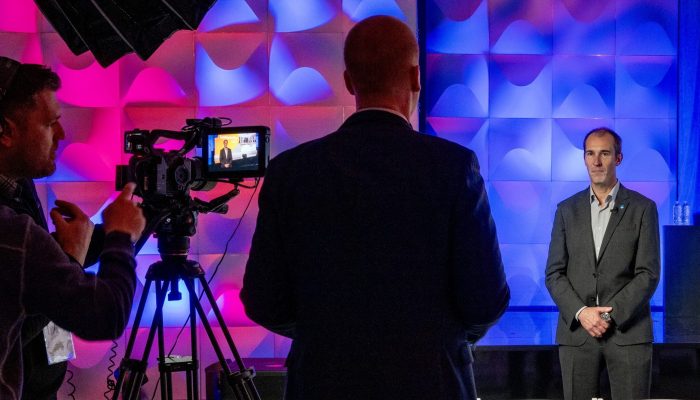
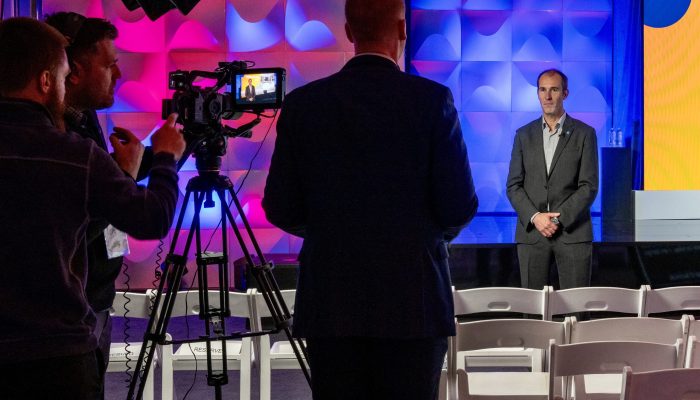
Hybrid capabilities have become essential for reaching wider audiences while maintaining high-quality engagement. Organizations now design conferences that seamlessly serve both in-person and remote participants, ensuring no one misses out on key networking or learning opportunities. This approach maximizes reach and inclusivity without compromising the integrity of the experience.
Effective hybrid conference experiences require thoughtful production strategy from the outset. Technical considerations, content flow, and interaction opportunities must work equally well for all attendees. When executed well, hybrid formats enhance rather than dilute the overall conference attendee experience.
DEVLINHAIR Production & Learning has supported numerous organizations in creating these sophisticated hybrid environments. By focusing on strategy, creativity, and precision, teams can deliver consistent value regardless of participation method. For many corporate meeting planners, investing in robust hybrid capabilities represents a long-term solution for more resilient and accessible events.
Successful hybrid conferences also open doors to broader participation from teams across different locations and time zones. This expanded access supports stronger knowledge sharing and helps leadership summits and industry conferences achieve greater impact on organizational alignment.
Creating Immersive and Interactive Event Experiences
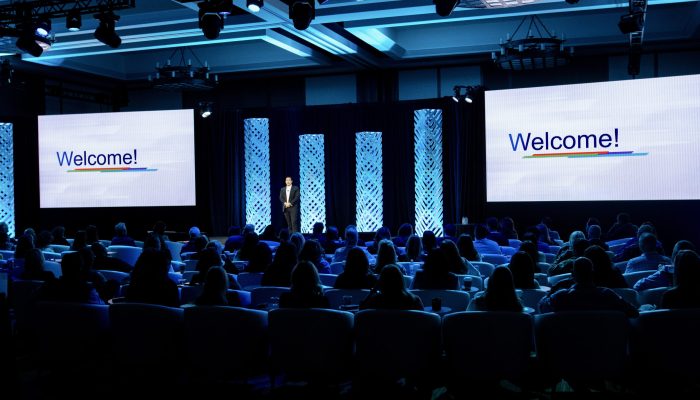
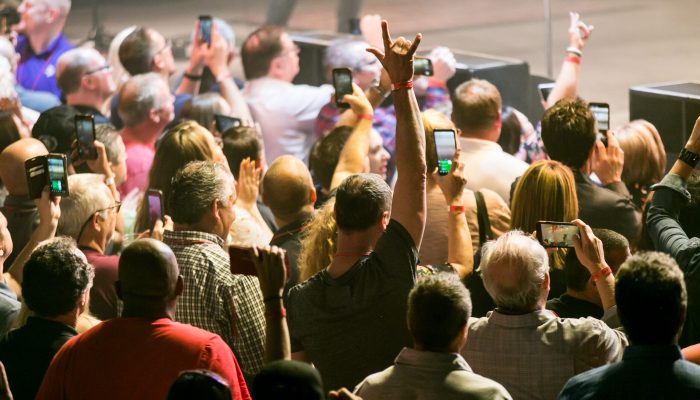
Modern conference design increasingly incorporates immersive elements that transform passive attendance into active participation. Interactive formats such as live polling, facilitated discussions, and hands-on workshops help attendees process information more deeply and build meaningful connections with both content and peers.
Event experience design plays a central role here. Organizers are moving away from dense agendas filled with back-to-back presentations toward more intentional programming that includes dedicated time for reflection, networking, and application. This shift supports better retention and helps translate conference insights into workplace action.
Examples from leading industry events demonstrate how purposeful storytelling and experiential elements can elevate entire programs. Whether through carefully designed environments, technology-enabled interactions, or creative session formats, the focus remains on making complex ideas tangible and memorable for attendees.
For product launches, leadership summits, and professional development conferences, immersive experiences create lasting impressions. Attendees leave not just informed but genuinely energized and connected to the key messages and to one another.
Personalization Strategies Driving Stronger Conference Engagement
One of the most significant trends in conference attendee experience involves greater personalization. Attendees appreciate content and experiences tailored to their roles, interests, and career stages. Data-informed approaches help organizers adjust programming in real time and recommend relevant sessions or connections.
Personalization extends beyond session selection to networking opportunities and follow-up resources. Effective strategies create pathways for attendees to engage at their own pace and in ways that best suit their learning preferences. This flexibility proves particularly valuable in hybrid conference experiences where participants may join from varied contexts.
Corporate event strategists and association leaders who prioritize personalization often see higher satisfaction scores and stronger post-event outcomes. When attendees feel the program was designed with them in mind, they engage more fully and derive greater professional value from their time investment.
Technology can support these efforts when implemented thoughtfully. The key lies in using tools to enhance human connection rather than replace it creating more opportunities for relevant interactions while preserving the irreplaceable energy of live events.
Practical Approaches to Audience Engagement and Networking
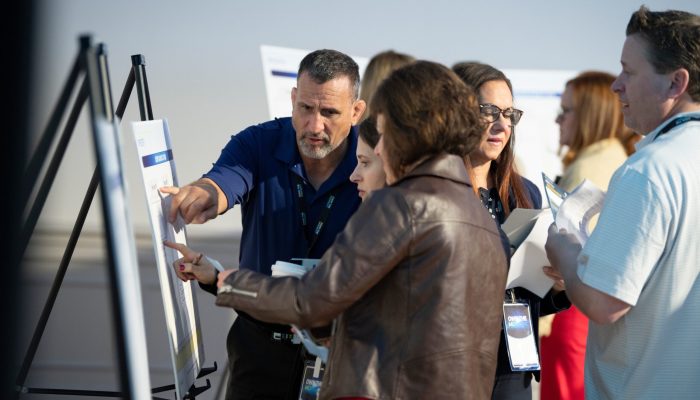
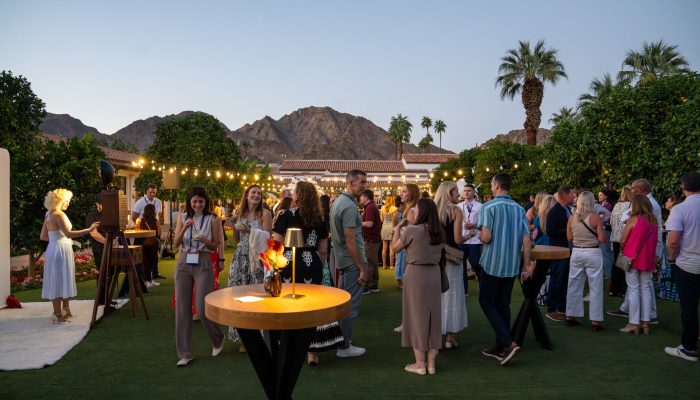
Conference networking trends have evolved alongside changing attendee expectations. Traditional mixers and unstructured breaks are giving way to more intentional formats that facilitate meaningful conversations. Structured networking sessions, small-group discussions, and facilitated peer exchanges help participants build valuable professional relationships.
Event experience design must account for different comfort levels and preferences. Some attendees thrive in large group settings while others prefer smaller, more focused interactions. Successful conferences offer multiple pathways for engagement, recognizing that one size rarely fits all.
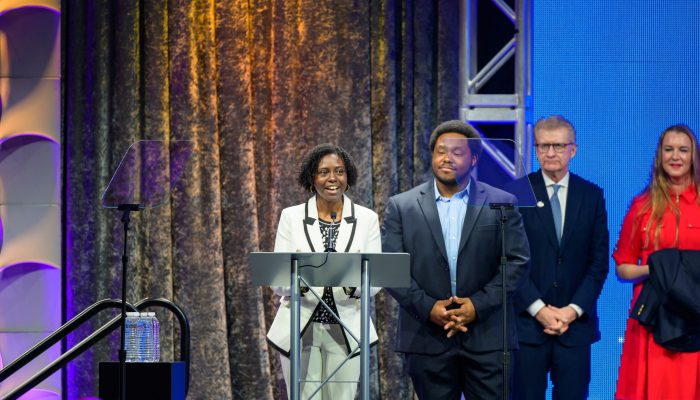
Inclusivity and accessibility remain central considerations. Thoughtful design ensures that diverse voices are heard and that participants with varying needs can fully participate. This commitment strengthens both the immediate conference experience and the longer-term professional community that forms around these events.
Follow-through after the conference also matters significantly. Providing resources, connection summaries, and actionable next steps helps translate networking and learning into sustained value. Organizations that excel here turn one-time events into ongoing catalysts for growth and alignment.
DEVLINHAIR’s Strategic Approach to Experience Design
For DEVLINHAIR Production & Learning, effective experience design starts with a clear strategic foundation. Strategy guides the work. Creativity shapes the story. Precision brings it to life. That approach helps organizations design and produce action-driven meetings, live events, and training experiences that move audiences.
This philosophy translates directly to conference and industry event production. By beginning with business objectives and attendee needs, DEVLINHAIR teams create programs that deliver measurable alignment and engagement. Whether supporting hybrid capabilities, immersive activations, or personalized learning pathways, the focus remains on creating experiences that matter.
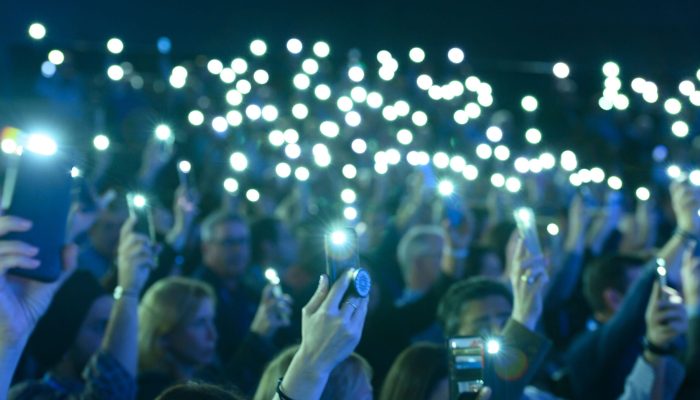
Real-world applications demonstrate the impact of this approach. Projects such as the Aflac Focus Fest showcase strong hybrid design and production, while immersive experiences like the IBM Hundred Percent Club highlight how thoughtful event experience design can inspire and unite large audiences.
Looking ahead, the most successful conference organizers will continue adapting to changing attendee expectations while staying grounded in clear strategic goals. The future belongs to those who combine deep audience understanding with creative execution and precise production qualities that define high-impact events in today’s professional landscape.
Preparing for the Next Generation of Industry Conferences
As attendee expectations continue to evolve, conference planners and corporate event teams face both challenges and opportunities. The events that stand out will be those designed with intention, flexibility, and a genuine focus on delivering value. This means investing in hybrid capabilities, embracing immersive formats, and prioritizing personalization at every stage.
Organizations that approach conferences as strategic platforms for alignment, learning, and connection position themselves for stronger outcomes. Whether hosting internal leadership summits, industry-wide gatherings, or customer-focused events, the principles remain consistent: understand your audience, design with purpose, and execute with precision.
The shift toward more engaging, relevant, and accessible conference experiences reflects positive changes in how professionals gather and learn. By staying attuned to these trends and applying thoughtful event experience design, organizers can create conferences that not only meet but exceed changing attendee expectations.
Industry conferences that successfully adapt to changing attendee expectations will continue to play a vital role in professional development and organizational success. The key lies in balancing innovation with intentionality creating spaces where meaningful connections form, insights take root, and attendees leave better equipped to lead and innovate in their respective fields.
Frequently Asked Questions
How are industry conferences adapting to meet modern attendee expectations?
Industry conferences are shifting away from passive, lecture-style formats toward more interactive, attendee-centric experiences that prioritize meaningful engagement, practical takeaways, and genuine peer connection. Organizers are incorporating tools like live polling, facilitated discussions, gamified elements, and mobile apps to encourage active participation. There is also a growing emphasis on sustainability, diverse speaker lineups, and inclusivity to ensure every attendee derives real value. Events that successfully embrace these changes see stronger attendee loyalty, better sponsorship opportunities, and improved ROI.
What makes a hybrid conference experience successful for both in-person and remote attendees?
A successful hybrid conference experience requires a thoughtful production strategy that ensures equal engagement for both in-person and virtual participants, with no one missing out on key networking or learning opportunities. Technical considerations, content flow, and interaction formats must be designed from the outset to work seamlessly across both formats. When executed well, hybrid capabilities expand access across locations and time zones, supporting stronger knowledge sharing and organizational alignment. Investing in robust hybrid production is increasingly seen as a long-term strategy for more resilient and inclusive corporate events.
How can event organizers use personalization to improve conference attendee engagement?
Conference organizers can leverage data analytics and event technology to personalize session recommendations, networking opportunities, and follow-up resources based on individual attendee preferences. Personalized programming helps participants engage at their own pace and in formats that match their learning styles, which is especially valuable in hybrid conference settings. Attendees who feel the event was designed with their needs in mind consistently show higher satisfaction scores and stronger post-event outcomes. The key is using technology to enhance human connection rather than replace it, creating more relevant interactions while preserving the energy of live events.
Disclaimer: The above helpful resources content contains general insights and perspectives for informational purposes only. The information provided is for general knowledge and does not constitute professional advice.
You may also be interested in: DEVLINHAIR A Celebration Of Connection & Innovation
When your most important meeting, launch, summit, or training experience needs to move people, every detail matters. Strategy guides the work. Creativity shapes the story. Precision brings it to life. DEVLINHAIR Production & Learning designs and produces action-driven meetings, live events, and training experiences that move audiences. From our New York City studio, DEVLINHAIR helps organizations bring complex ideas, leadership priorities, and learning moments to life with clarity, purpose, and production precision. Ready to create a hybrid experience your audience can follow, feel, and act on? Let’s talk.
Powered by flareAI.co