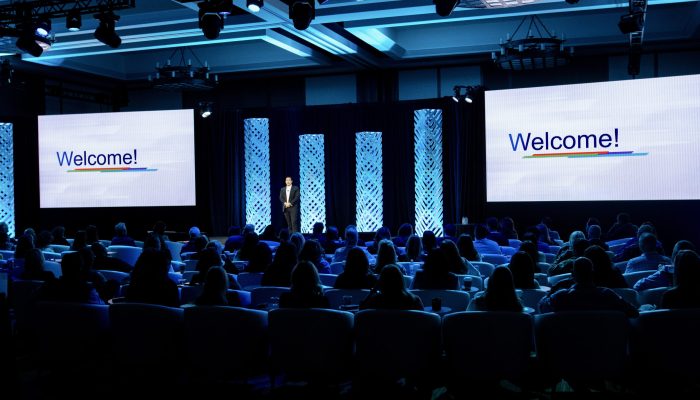
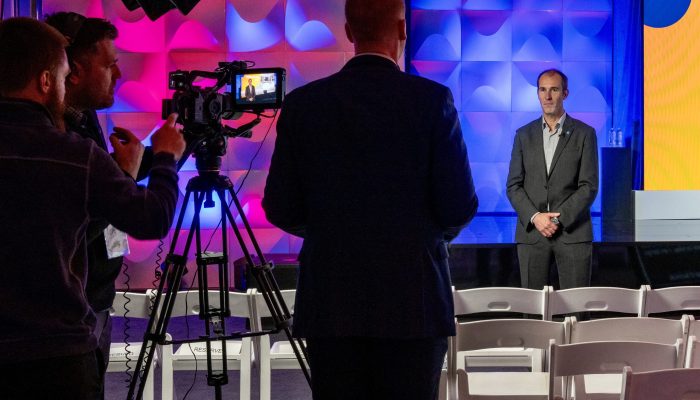
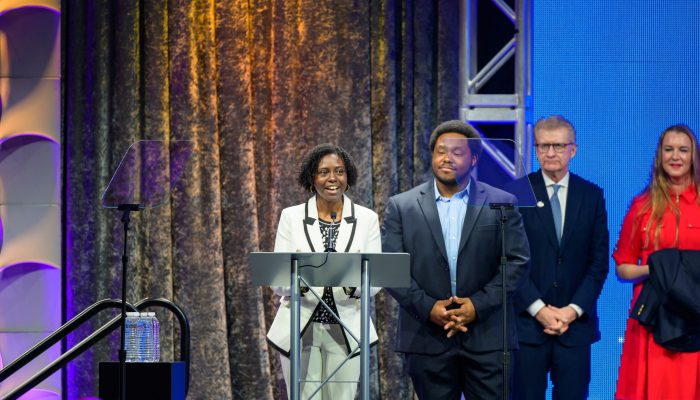
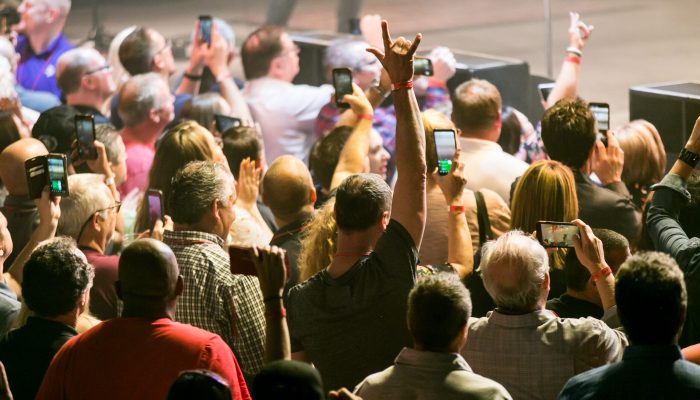
When leaders bring teams together for a high-stakes leadership summit, product launch, or intensive training program, the pressure to demonstrate clear business impact has never been greater. Attendance numbers and post-event surveys provide only surface-level feedback. Forward-thinking organizations are shifting toward data-driven event measurement that reveals how audiences truly engage, retain key messages, and translate experiences into action.
This evolution moves beyond simple tallies to actionable intelligence on participant behavior, content resonance, and long-term outcomes. For corporate event teams and experiential partners, data becomes a strategic tool that sharpens production decisions, enhances learning design, and strengthens audience alignment in both live and hybrid environments.
When your most important meeting, launch, summit, or training experience needs to move people, every detail matters. Strategy guides the work. Creativity shapes the story. Precision brings it to life. DEVLINHAIR Production & Learning designs and produces action-driven meetings, live events, and training experiences that move audiences. From our New York City studio, DEVLINHAIR helps organizations bring complex ideas, leadership priorities, and learning moments to life with clarity, purpose, and production precision. Ready to create a hybrid experience your audience can follow, feel, and act on? Let’s talk.
Why Traditional Event Metrics No Longer Suffice
Corporate event planners have long relied on basic indicators such as headcount, session attendance, and satisfaction scores. While these provide a starting point, they fail to capture the nuanced ways audiences interact with content, speakers, peers, and the event experience itself. For complex corporate programs, decision-makers need deeper visibility into whether an event actually drives behavioral change, knowledge retention, or strategic alignment.
Challenges compound in hybrid formats where virtual participants may experience content differently than in-person attendees. Without robust measurement approaches, organizers risk missing critical insights about engagement disparities, content effectiveness, and overall program impact. This gap can undermine the very goals of corporate meetings and training experiences: fostering connection, clarifying strategy, and equipping people to perform.
Data-driven event measurement addresses these limitations by examining patterns in how attendees navigate experiences. It reveals which moments generate the strongest reactions and which elements may need refinement. Rather than guessing at success, teams gain evidence-based understanding that informs future planning and justifies investment to executive stakeholders.
The shift reflects broader changes in how organizations approach audience engagement. Event professionals now treat every gathering as an opportunity to collect meaningful signals about participant needs and preferences, turning one-time events into part of a continuous improvement cycle.
How Event Technology Enables Richer Insights
Modern event platforms integrate registration systems, mobile applications, and on-site sensors to capture real-time information about attendee behavior. These tools track interactions with content, speakers, and networking opportunities, moving far beyond basic check-ins. Event teams can identify high-value touchpoints and optimize program flow based on actual usage patterns.
Event technology has become central to transforming how organizations measure event success. By integrating registration platforms, mobile apps, and attendee tracking tools, event teams can capture real-time data on engagement, behavior, and session participation. These insights enable marketers to evaluate which elements of an event resonate most with audiences and identify areas for improvement. Beyond attendance counts, metrics such as dwell time, booth interactions, and social sharing provide a more holistic view of event impact. Leveraging event technology for data-driven insights allows organizers to evaluate which sessions resonate most strongly and where attention may drop. Data-driven approaches also allow for predictive analysis, helping organizers optimize future events and allocate resources more effectively. Relevant projects such as Aflac Focus Fest show how hybrid production, audience participation, and measurable engagement can work together inside a large-scale corporate experience.
In corporate training experiences and leadership summits, this technology supports personalized pathways. Organizers can see how different audience segments engage with material and adjust delivery accordingly. For hybrid productions, data highlights participation differences between in-person and remote attendees, enabling more equitable and impactful designs.
Importantly, these approaches foster continuous refinement. Feedback loops during and immediately after events allow teams to make real-time adjustments and gather structured input that shapes future iterations. This creates a cycle where each experience builds on the last, strengthening overall program quality and business relevance.
Turning Data into Strategic Event Decisions
Collecting information is only the first step. The real value emerges when teams translate attendee data into concrete improvements in event production and learning design. Organizations that excel here use insights to refine content structure, improve session sequencing, and enhance networking opportunities that drive meaningful connections.
For example, heat maps of engagement can reveal underutilized areas of a venue or digital platform, prompting adjustments to layout or programming. In product launch events, data on which messaging elements generate the strongest response helps marketing and sales teams sharpen their storytelling for greater impact.
Data is reshaping event strategy by providing actionable intelligence that goes beyond basic attendance numbers. Event teams are increasingly using insights from registration systems, mobile apps, and on-site sensors to understand how attendees interact with content, speakers, and networking opportunities. These analytics help identify high-value touchpoints, optimize program schedules, and customize experiences for different audience segments. Incorporating feedback loops during and after events allows organizers to continuously refine content delivery, engagement tactics, and even venue layouts to maximize satisfaction and retention. The impact of data on event strategy extends to long-term planning as well. Patterns identified across multiple events highlight preferences and trends that inform broader communication strategies. This supports stronger message alignment and helps ensure that every investment in live events or training experiences contributes measurably to organizational goals.
Practical Applications in Hybrid and Immersive Experiences
Hybrid capabilities have become essential for corporate communication, requiring thoughtful measurement strategies that account for diverse participation modes. Data reveals how virtual attendees engage with interactive elements compared to those on site, informing decisions about technology choices and content adaptation.
In immersive experiences, analytics can track movement through different zones or interaction with experiential installations. This information helps producers understand which elements create memorable moments and which may need stronger integration with core messaging. For organizations planning leadership summits, product launches, or sales kickoffs, these insights ensure experiences remain purposeful rather than merely spectacular.
Consider how event teams might use session participation data to improve training retention. By identifying which formats and delivery methods yield the best outcomes, learning designers can create more effective programs that support real skill application back on the job. This focus on outcomes over outputs represents a significant advancement in event measurement.
Successful implementation requires balancing data collection with attendee experience. Thoughtful, transparent approaches that respect privacy while delivering value build trust and encourage richer participation. Organizations that master this balance gain both better insights and stronger audience relationships.
Best Practices for Implementing Data-driven Measurement
Effective data strategies begin with clear objectives tied to business goals. Event planners should define success metrics early in the planning process, working backward from desired outcomes to determine which signals matter most. This alignment ensures measurement efforts support strategic priorities rather than becoming an end in themselves.
Integration matters. When technology platforms connect seamlessly, teams gain holistic views rather than fragmented reports. Choosing solutions that support both live and hybrid environments helps maintain consistency across different event formats.
Cross-functional collaboration strengthens results. Bringing together event producers, learning specialists, marketing analysts, and business unit leaders ensures data interpretation reflects diverse perspectives and leads to more comprehensive improvements.
Finally, focus on actionable insights over raw data volume. The goal is not to track everything possible but to identify the specific measurements that illuminate audience engagement and business impact. Regular review and refinement of measurement frameworks keep the approach relevant as technology and audience expectations evolve.
Organizations are discovering that thoughtful data use elevates event experiences from transactional gatherings to powerful drivers of alignment and performance. By embracing these approaches, event leaders can demonstrate clear value while continuously enhancing the quality and impact of their programs.
As measurement capabilities mature, the most successful organizations will be those that integrate data thoughtfully into every stage of experience design. This evolution promises richer audience connections, more effective knowledge transfer, and stronger returns on investment in corporate meetings, live events, and training initiatives. DEVLINHAIR Production & Learning remains committed to partnering with clients on this journey, delivering experiences that combine strategic insight, creative excellence, and precise execution.
Frequently Asked Questions
What is data-driven event measurement, and why is it important for corporate events?
Data-driven event measurement goes beyond basic metrics like headcount and satisfaction scores to analyze how attendees actually engage with content, retain key messages, and change behavior after an event. It is important because traditional metrics fail to capture nuanced audience interactions, especially in hybrid formats where in-person and virtual participants may experience content very differently. For high-stakes events like leadership summits, product launches, and training programs, this deeper visibility helps justify investment and demonstrate clear business impact to executive stakeholders.
What types of event technology are used to collect attendee engagement data?
Modern event platforms combine registration systems, mobile applications, and on-site sensors to capture real-time data on attendee behavior including session participation, dwell time, booth interactions, and social sharing. These tools help event teams identify high-value touchpoints, track content resonance, and optimize program flow based on actual usage patterns rather than guesswork. For hybrid events, technology also highlights participation differences between remote and in-person audiences, enabling more equitable and effective experience design.
How can organizations turn event data into actionable improvements for future events?
Organizations can translate attendee data into concrete improvements by using engagement heat maps to refine venue layouts, analyzing messaging response data to sharpen content and storytelling, and leveraging session participation patterns to improve training retention and delivery methods. The key is establishing feedback loops both during and after events that feed into a continuous improvement cycle. Starting with clear business objectives and success metrics from the outset ensures that measurement efforts stay aligned with strategic priorities rather than simply accumulating raw data.
Disclaimer: The above helpful resources content contains general insights and perspectives for informational purposes only. The information provided is for general knowledge and does not constitute professional advice.
You may also be interested in: DEVLINHAIR Aflac Focus Fest
When your most important meeting, launch, summit, or training experience needs to move people, every detail matters. Strategy guides the work. Creativity shapes the story. Precision brings it to life. DEVLINHAIR Production & Learning designs and produces action-driven meetings, live events, and training experiences that move audiences. From our New York City studio, DEVLINHAIR helps organizations bring complex ideas, leadership priorities, and learning moments to life with clarity, purpose, and production precision. Ready to create a hybrid experience your audience can follow, feel, and act on? Let’s talk.
Powered by flareAI.co