When a company brings its leaders together for development programs, the goal extends far beyond sharing information or checking boxes. The real challenge lies in creating experiences that build decision-making confidence, emotional intelligence, and practical skills leaders can apply immediately in complex, high-stakes environments. Traditional lecture-style training often falls short in fostering the deep engagement and retention needed for meaningful behavior change.
Interactive methods are addressing this gap by embedding learning directly into dynamic scenarios that mirror real workplace pressures. For organizations developing leaders across teams, functions, and business units, these approaches are reshaping corporate leadership development programs by turning passive sessions into active, memorable experiences that drive stronger alignment and performance.
When your most important meeting, launch, summit, or training experience needs to move people, every detail matters. Strategy guides the work. Creativity shapes the story. Precision brings it to life. DEVLINHAIR Production & Learning designs and produces action-driven meetings, live events, and training experiences that move audiences. From our New York City studio, DEVLINHAIR helps organizations bring complex ideas, leadership priorities, and learning moments to life with clarity, purpose, and production precision. Ready to create a hybrid experience your audience can follow, feel, and act on? Let’s talk.
The Evolution of Leadership Development Through Experiential Approaches
Corporate leadership development has shifted from theoretical instruction toward hands-on, scenario-based learning that replicates the complexities leaders face daily. Rather than separating training from application, experiential models integrate interactive elements such as role-playing, simulations, and live challenges where participants collaborate under realistic constraints.
This evolution recognizes that leadership skills such as adaptability, communication clarity, and strategic thinking develop most effectively through practice and immediate feedback. In fast-moving business environments, organizations are prioritizing formats that build these competencies in situations that feel authentic to the pressures leaders encounter in their day-to-day work.
Experiential learning has become a central strategy in modern corporate leadership development as organizations seek more effective ways to build decision-making skills, emotional intelligence, and strategic thinking. Rather than separating training from real-world application, experiential models embed learning directly into interactive scenarios that mimic workplace pressures and team dynamics. This approach often includes immersive workshops, role-playing exercises, simulation environments, and live case challenges where participants must collaborate under time constraints and shifting variables.
These formats help leaders develop not only technical competencies but also interpersonal awareness, adaptability, and communication clarity. A key advantage of experiential methods is their ability to create emotional engagement, which can improve knowledge retention and long-term behavior change. Participants are more likely to internalize lessons when they are actively involved in problem-solving rather than passively consuming information.
Across the events and learning industries, there is growing emphasis on practical conversations, useful strategies, and experience-led thinking. For corporate leadership programs, the same principle applies: learning becomes more meaningful when it is designed as an experience participants can test, discuss, and apply.
Interactive Technologies Enhancing Engagement and Outcomes
Event technology now plays a central role in modern leadership training, moving beyond basic presentations to create responsive, participatory environments. Mobile platforms, live polling, gamified scenarios, and simulation tools enable facilitators to adapt content dynamically while tracking participant progress.
These tools support high-pressure practice sessions covering crisis communication, cross-functional alignment, and stakeholder negotiations. Leaders gain the opportunity to experiment with different styles, observe immediate results, and adjust in real time, mirroring the demands of actual organizational challenges.
Corporate leadership development programs are increasingly being redesigned around interactive formats that prioritize participation, real-time feedback, and immersive learning environments. Instead of relying solely on lecture-based training or static workshops, organizations are integrating event technology such as mobile engagement platforms, live polling, scenario-based simulations, and gamified learning systems to strengthen retention and behavioral change.
These methods help leaders practice decision-making in controlled but realistic environments, where they can test strategies, receive immediate feedback, and adjust approaches in real time. This shift reflects a broader recognition that leadership skills are best developed through experience rather than passive observation.
By embedding interactive tools into leadership programs, companies can simulate high-pressure scenarios such as crisis communication, cross-functional alignment challenges, and stakeholder negotiations. This approach also enables facilitators to collect useful data on participant behavior, identifying strengths and gaps that can inform personalized development plans.
Practical Applications in Corporate Training Programs
Leadership development initiatives increasingly incorporate blended formats that combine live interaction with digital reinforcement. Participants might engage in a full-day immersive simulation followed by virtual check-ins and peer collaboration tools that extend learning over weeks or months.
This approach proves particularly valuable for employee leadership training within large organizations undergoing strategic shifts. Interactive elements help translate abstract concepts into tangible skills, such as navigating uncertainty, communicating through change, or fostering innovation within teams.
Organizations often see stronger outcomes when training connects directly to current business priorities. Scenario-based exercises built around real organizational challenges allow leaders to practice strategic alignment in contexts that feel immediately relevant. This makes the training feel less like a separate workshop and more like a practical rehearsal for decisions they will need to make.
Hybrid Capabilities in Leadership Experiences
Hybrid event design has become essential for inclusive leadership development that accommodates varied work arrangements. Effective programs blend in-person immersion with seamless virtual participation, ensuring leaders receive meaningful opportunities for engagement and growth regardless of how they join.
DEVLINHAIR Production & Learning excels in this space. Strategy guides the work. Creativity shapes the story. Precision brings it to life. This approach helps organizations design and produce action-driven meetings, live events, and training experiences that move audiences.
Hybrid-first planning considers everything from technology infrastructure to content flow, creating cohesive experiences that maintain energy and connection across formats. This capability supports broader participation while preserving the interactive intensity that drives development results.
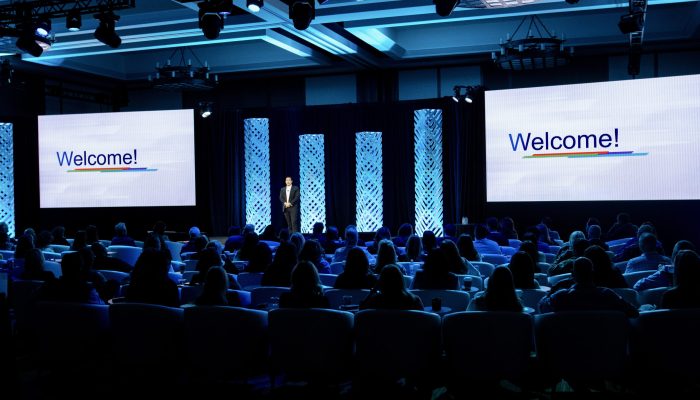
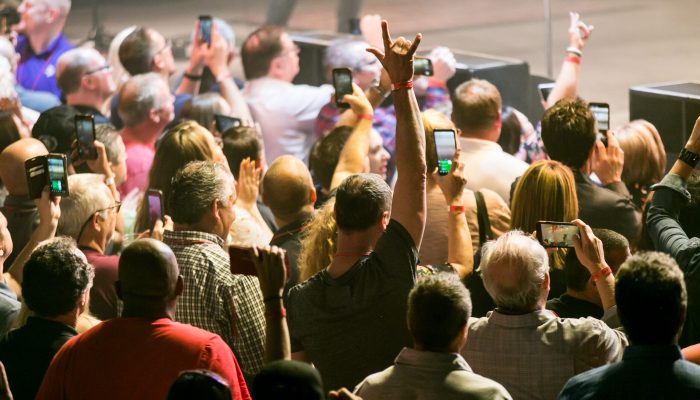
Projects such as Aflac Focus Fest show how hybrid design and engagement strategy can help distributed audiences participate in a shared experience with energy, clarity, and purpose.
Designing for Stronger Audience Engagement
Successful interactive leadership programs prioritize purposeful storytelling and real-time collaboration. Facilitators use technology not as a gimmick but as a tool to heighten presence and focus attention on key learning moments.
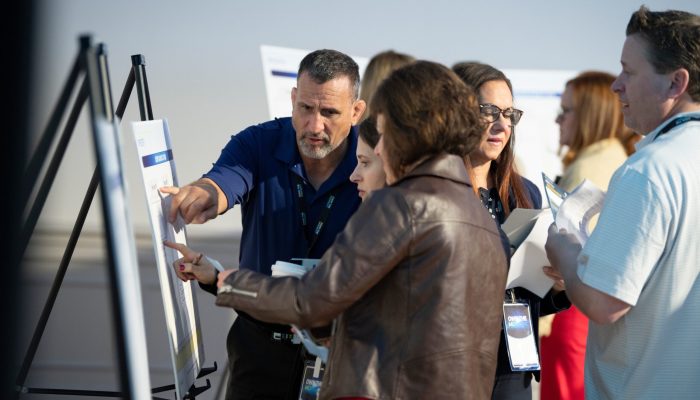
In practice, this might involve breakout simulations where small groups tackle leadership dilemmas, followed by full-group debriefs that highlight diverse perspectives. Such structures promote psychological safety while encouraging the vulnerability needed for genuine growth.
The strongest leadership experiences are designed around moments of active participation. Instead of asking leaders to absorb a fixed set of ideas, interactive programs invite them to test assumptions, make decisions, and reflect on the consequences. That structure helps participants connect learning to behavior.
Current experiential industry conversations, including the Experiential Marketing Summit 2026, continue to emphasize the value of strategic live experiences that connect audiences and create meaningful outcomes. For leadership development, this reinforces the importance of designing sessions that feel purposeful, participatory, and memorable.
Overcoming Implementation Challenges
Adopting interactive methods requires thoughtful planning around technology, facilitation skills, and measurement approaches. Organizations must ensure platforms are accessible and intuitive while training internal teams to guide rather than lecture.
Measurement extends beyond completion rates to include behavioral indicators and business impact. Follow-through mechanisms such as action planning sessions and peer accountability groups help translate insights into sustained application.
Leadership training programs that invest in quality experiential design can improve team cohesion, decision quality, and organizational agility. The key lies in aligning interactive elements with specific development objectives rather than implementing technology for its own sake.
Implementation also requires careful pacing. Too many tools can overwhelm participants, while too little interaction can make the experience feel passive. Effective programs strike a balance, using technology only where it supports the story, the learning objective, and the desired behavior change.
Strategic Considerations for Future Programs
As corporate leadership development continues evolving, forward-thinking organizations are integrating interactive methods more deeply into their talent strategies. This includes exploring advanced simulations, AI-supported feedback tools, and longitudinal learning journeys that reinforce skills over time.
Leaders responsible for these programs should evaluate current offerings against criteria such as participant engagement levels, skill transfer rates, and alignment with strategic business needs. Interactive approaches that combine live events with hybrid capabilities often deliver the strongest returns.
Practical next steps include piloting targeted experiential modules within existing leadership tracks, gathering participant feedback, and refining based on observed outcomes. Collaboration with experienced production partners can accelerate this process while ensuring seamless execution.
For HR leaders, learning and development managers, and executive education teams, the shift toward interactive methods represents an opportunity to elevate leadership training from routine obligation to transformative investment.
By embracing experiential and technology-enhanced formats, organizations can develop leaders who are not only knowledgeable but also adaptable, empathetic, and ready to drive meaningful results in complex business environments. The most effective programs treat leadership development as a continuous, engaging journey rather than isolated events.
Frequently Asked Questions
What are interactive methods in corporate leadership development programs?
Interactive methods in corporate leadership development include role-playing exercises, scenario-based simulations, gamified learning systems, live polling, and immersive workshops that replicate real workplace pressures. Unlike traditional lecture-style training, these approaches embed learning directly into dynamic, hands-on experiences. They help leaders build critical skills like decision-making, emotional intelligence, adaptability, and communication clarity through active participation rather than passive observation.
How does experiential learning improve leadership training outcomes?
Experiential learning improves leadership training outcomes by creating emotional engagement, which can support knowledge retention and long-term behavior change. When leaders actively solve problems in realistic scenarios, such as crisis communication exercises or cross-functional alignment challenges, they are more likely to internalize and apply those lessons on the job. Organizations can also gather useful performance data from these programs, enabling HR and learning teams to refine curricula and personalize development pathways.
How can hybrid event design support corporate leadership development?
Hybrid event design combines in-person immersion with seamless virtual participation, helping leaders receive consistent development opportunities regardless of how they join. This approach uses technology infrastructure and purposeful content flow to maintain engagement and interactive intensity across both formats. For organizations with distributed or remote teams, hybrid-first leadership programs can deliver more scalable, inclusive experiences that drive stronger alignment and measurable growth.
Disclaimer: The above helpful resources content contains general insights and perspectives for informational purposes only. The information provided is for general knowledge and does not constitute professional advice.
You may also be interested in: DEVLINHAIR CNS National Meeting 2024
When your most important meeting, launch, summit, or training experience needs to move people, every detail matters. Strategy guides the work. Creativity shapes the story. Precision brings it to life. DEVLINHAIR Production & Learning designs and produces action-driven meetings, live events, and training experiences that move audiences. From our New York City studio, DEVLINHAIR helps organizations bring complex ideas, leadership priorities, and learning moments to life with clarity, purpose, and production precision. Ready to create a hybrid experience your audience can follow, feel, and act on? Let’s talk.
Powered by flareAI.co