Quick Listen:
When corporate training managers and learning and development leaders bring teams together for skill-building workshops, leadership development, or compliance programs, the core challenge is ensuring every participant gains meaningful value. Distributed teams need training that accommodates different schedules, locations, and learning preferences without sacrificing engagement, clarity, or outcomes. This is where hybrid training programs, which thoughtfully blend virtual and in-person elements, can deliver real flexibility and stronger learning experiences.
The strongest hybrid programs are not simply live sessions with a video link added. They are intentionally designed experiences where virtual and in-person participants both have clear ways to listen, contribute, collaborate, and apply what they learn. For organizations investing in corporate learning, hybrid capabilities can help training programs become more accessible, scalable, and action-oriented.
When your most important meeting, launch, summit, or training experience needs to move people, every detail matters. Strategy guides the work. Creativity shapes the story. Precision brings it to life. DEVLINHAIR Production & Learning designs and produces action-driven meetings, live events, and training experiences that move audiences. From our New York City studio, DEVLINHAIR helps organizations bring complex ideas, leadership priorities, and learning moments to life with clarity, purpose, and production precision. Ready to create a hybrid experience your audience can follow, feel, and act on? Let’s talk.
Why Hybrid Training Capabilities Matter for Corporate Learning
Organizations are moving beyond purely virtual or fully in-person formats to create more adaptable training experiences. The shift reflects practical realities: employees may be spread across headquarters, regional offices, remote work environments, and different time zones. A one-size-fits-all approach can make it difficult for every participant to engage fully or apply new knowledge consistently.
Hybrid training programs allow companies to reach broader audiences while maintaining the interaction that drives retention and skill application. Employees can attend live sessions in person, join remotely, or access selected learning content on demand. This blended approach supports better accessibility and inclusivity, particularly for teams with varying travel needs, family responsibilities, work schedules, or individual learning styles.
Effective hybrid training requires intentional design. Both in-person and virtual participants need comparable opportunities to engage, ask questions, contribute to discussions, and connect with facilitators and peers. When done well, these programs strengthen message alignment and help employees connect training content directly to their daily responsibilities.
Addressing Common Challenges in Blended Learning Strategies
Many learning and development professionals face obstacles when implementing hybrid training programs. Technical glitches, uneven participation levels, and difficulty translating in-room energy for remote attendees often top the list. Addressing these challenges requires early planning around platform selection, agenda structure, production support, and facilitation techniques that keep both audiences actively involved.
Virtual participants benefit from features such as live captioning, interactive polls, moderated Q&A, and digital breakout rooms that mirror or complement in-person group activities. In-person attendees benefit when virtual contributions are brought into the room smoothly, so remote participants do not feel secondary. This balanced design supports stronger employee engagement in training and creates a more cohesive learning environment.
Accessibility should be built into the planning process from the start. Current event-planning conversations increasingly emphasize inclusive practices such as captioning, clear audience pathways, and thoughtful technology integration. A BizBash discussion on accessibility strategies for events reinforces the importance of designing experiences that help more participants engage fully, whether they are in the room or joining through digital channels.
Designing Flexible Corporate Training That Works
Successful hybrid training programs start with clear learning objectives and a strong understanding of the audience. Corporate training managers should identify which elements benefit most from in-person interaction, such as hands-on simulations, sensitive conversations, peer coaching, or collaborative problem-solving. Other elements, such as foundational knowledge, pre-work, reflection prompts, and follow-up resources, may work well through virtual or on-demand channels.
Content should be modular, allowing participants to engage with core material in the format that best supports the learning objective. Foundational modules can be delivered before the live session, while collaborative exercises can combine in-person facilitation with real-time virtual input. This structure gives participants multiple ways to absorb, discuss, and apply the material.
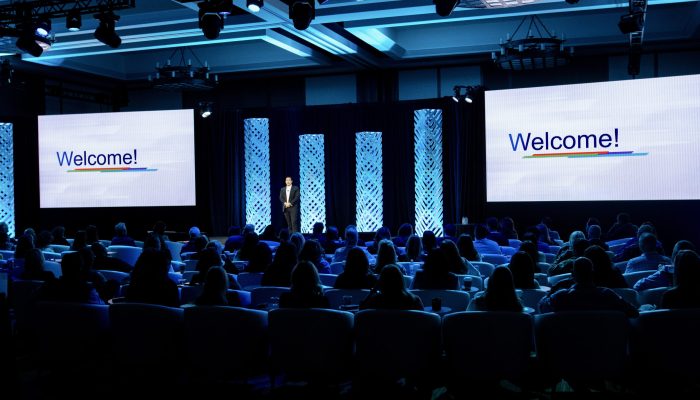
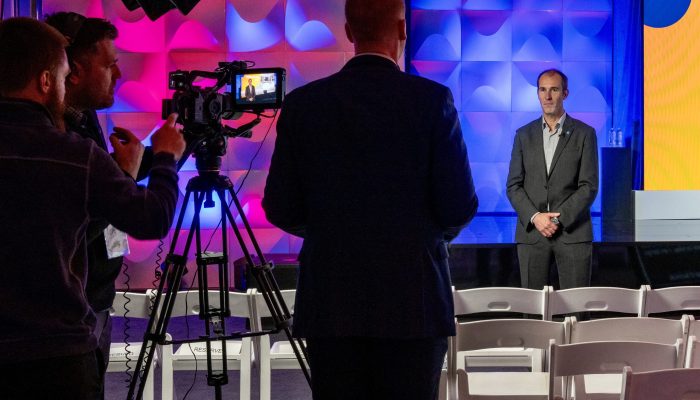
Production quality plays a critical role. Professional hybrid event production ensures that virtual attendees receive clear audio, crisp video, reliable streaming, and useful interactive tools rather than a passive view from the back of the room. Relevant work such as Aflac Focus Fest shows how hybrid design, audience engagement, and production planning can support participation at scale.
Inclusive Hybrid-first Planning for Training Programs
Hybrid-first planning means designing for both audiences from the beginning rather than treating remote participation as an add-on. This requires more than selecting a streaming platform. It involves agenda planning, facilitator preparation, content pacing, accessibility support, and clear communication before the event begins.
Training programs increasingly prioritize participation equity. Virtual participants should not be passive viewers; they should have structured opportunities to join discussions, ask questions, collaborate in groups, and contribute feedback. In-person participants should also experience remote contributions as part of the shared learning environment, not as a separate track happening elsewhere.
Accessibility is a central part of this work. Live captioning, replay access, clear instructions, and intuitive digital tools can help participants engage with fewer barriers. Designing for multiple participation styles also matters. Some learners contribute confidently in open discussions, while others engage more effectively through chat, polls, written prompts, or small-group activities.
Real-world Applications Making an Impact
Hybrid training programs can transform learning and development efforts when they are designed around business outcomes. Large-scale initiatives often combine in-person flagship sessions with virtual programming, allowing distributed teams to participate meaningfully without requiring extensive travel.
One useful approach involves segmented content tracks that let participants personalize their experience based on role, experience level, or learning goal. This modularity turns a single training program into a more flexible ecosystem of resources that supports ongoing development rather than a one-time event.
High-quality streaming and interactive features help replicate the immediacy of in-person training for remote participants. Live chat, polling, facilitated networking, and moderated breakout sessions create connection points that bridge the physical and digital divide. These tools support stronger employee engagement in training initiatives and help learners connect ideas to practice.
For complex corporate programs, hybrid design is increasingly viewed as a long-term capability rather than a temporary workaround. Companies investing in strong production infrastructure can extend content access, support continued learning, and maintain community interaction well after the primary training sessions conclude.
Hybrid Event Innovation and Audience Engagement at Scale
Large-scale hybrid experiences are defined by their ability to merge physical programming with digital distribution while maintaining a cohesive narrative and consistent audience engagement. For training programs, this means every format decision should support learning: how the content is introduced, how participants interact with it, how facilitators manage questions, and how follow-up reinforces application.
Strong hybrid production models rely on synchronized planning across the room, the platform, and the facilitation team. Keynote sessions, panels, breakout exercises, and recap moments all need to be designed so remote and in-person participants can follow the same story and contribute at meaningful points.
Projects such as IBM Hundred Percent Club show how immersive experience design can help audiences connect with content in a memorable and energizing way. For hybrid training, the same principle applies: production should support understanding, participation, and follow-through.
Corporate L&D Best Practices for Hybrid Success
Learning and development leaders should focus on several practical elements when building blended learning strategies. Start with clear communication about participation options, expectations, timing, and technical requirements. Provide support resources for facilitators and attendees so the experience feels organized and easy to navigate.
Facilitators need specific skills for managing hybrid dynamics. They must balance attention between in-room and virtual participants, use technology to amplify the learning experience, and create moments where both audiences feel seen. Regular check-ins and feedback mechanisms can help identify disparities in engagement early.
Post-training follow-up is equally important in hybrid formats. On-demand access to recordings, supplementary materials, reflection prompts, and virtual discussion forums can extend the learning experience and support stronger knowledge retention. This ongoing engagement reinforces key messages and helps teams measure whether training is leading to real behavior change.
Integration with learning management systems and internal communication platforms can also improve accessibility and tracking. The goal is a seamless experience that feels intentionally designed, not pieced together from disconnected tools.
Overcoming Barriers to Effective Remote Learning Integration
While hybrid training programs offer significant advantages, implementation challenges remain. Bandwidth issues, varying levels of digital comfort, and different participation styles require thoughtful planning. Organizations that succeed invest in user-friendly platforms and provide clear guidance for all participants.
Testing technology in advance, offering multiple connection options, and preparing backup plans for technical difficulties show a commitment to inclusive participation. Training teams should also consider how different learners prefer to engage, whether through live conversation, structured written input, digital collaboration, or post-session reflection.
Measurement frameworks should capture both quantitative completion data and qualitative feedback on engagement. The most useful indicators focus on learning outcomes, such as improved performance, demonstrated application of new skills, and stronger alignment around the training objective rather than attendance alone.
Training Program Flexibility as a Strategic Advantage
As work continues to evolve, the ability to deliver flexible corporate training will remain a meaningful advantage. Organizations that build strong hybrid capabilities can support learning across distributed teams while helping employees stay aligned with strategic goals.
DEVLINHAIR Production & Learning partners with clients to create purposeful experiences that combine strategy, creative storytelling, and precise production. The result is training that does more than inform. It helps audiences follow the message, feel connected to it, and act on it afterward.
Learning and development professionals ready to elevate their hybrid training programs can explore approaches that prioritize both flexibility and impact. The most effective solutions balance innovation with practicality, ensuring every participant, regardless of location, gains lasting value from the experience.
By focusing on thoughtful design, high-quality production, and continuous improvement, organizations can build training programs that meet the needs of today’s workforce while preparing teams for what comes next.
Frequently Asked Questions
What are hybrid training programs and how do they benefit corporate teams?
Hybrid training programs blend virtual and in-person elements to give employees flexible options for participating in corporate learning, whether they attend live, join remotely, or access selected content on demand. This approach accommodates diverse schedules, locations, and learning styles without sacrificing engagement or outcomes. When designed well, hybrid formats can improve access, support stronger participation, and help employees apply new skills more consistently.
What are the biggest challenges of implementing a hybrid corporate training program?
Common challenges include technical glitches, uneven participation between in-person and remote attendees, and difficulty translating in-room energy for virtual participants. Successful programs address these issues by selecting the right platforms early, structuring content for both audiences, and using facilitation techniques such as live polls, digital breakout rooms, moderated Q&A, and live captioning. Testing technology in advance and preparing backup plans also helps create a more inclusive and reliable experience.
How can L&D leaders measure the effectiveness of blended learning strategies?
Learning and development leaders should look beyond attendance numbers and use measurement frameworks that capture completion data, engagement feedback, and evidence of skill application. The most meaningful indicators include improved performance, stronger confidence, demonstrated behavior change, and the ability to apply new knowledge on the job. Integrating training programs with learning management systems can also improve tracking and support continuous improvement.
Disclaimer: The above helpful resources content contains general insights and perspectives for informational purposes only. The information provided is for general knowledge and does not constitute professional advice.
You may also be interested in: DEVLINHAIR Aflac Focus Fest
When your most important meeting, launch, summit, or training experience needs to move people, every detail matters. Strategy guides the work. Creativity shapes the story. Precision brings it to life. DEVLINHAIR Production & Learning designs and produces action-driven meetings, live events, and training experiences that move audiences. From our New York City studio, DEVLINHAIR helps organizations bring complex ideas, leadership priorities, and learning moments to life with clarity, purpose, and production precision. Ready to create a hybrid experience your audience can follow, feel, and act on? Let’s talk.
Powered by flareAI.co