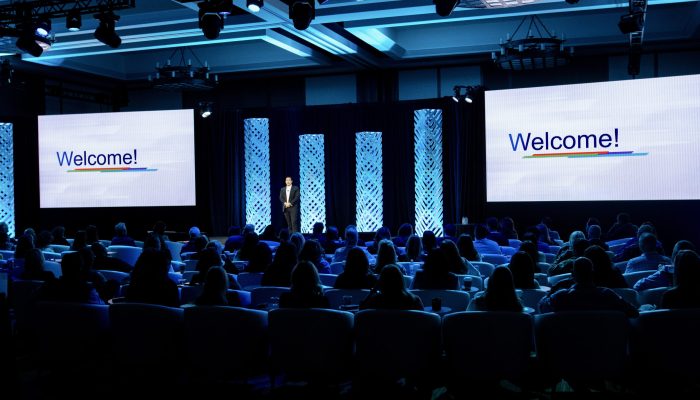
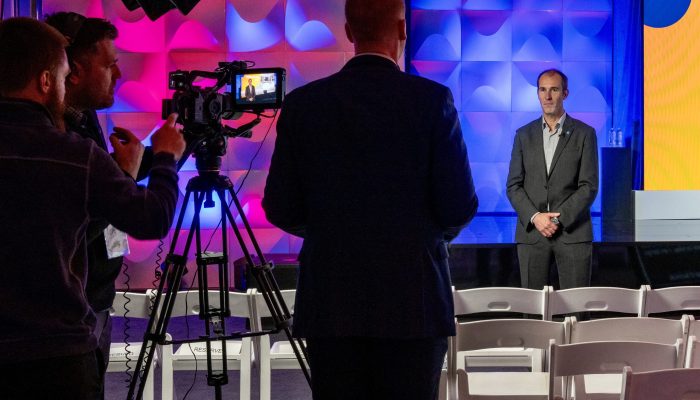
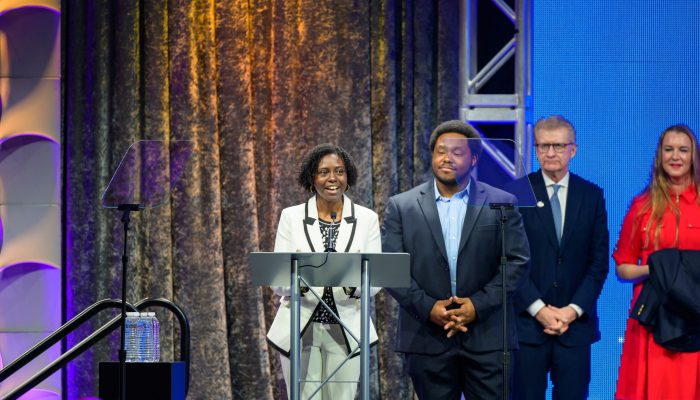
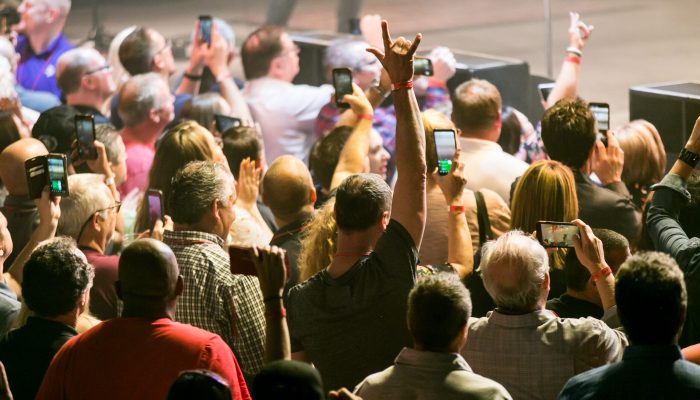
When organizations bring people together for leadership summits, training programs, or product launches, the challenge is rarely just delivering information. The real issue is whether participants actually understand the message, connect it to their role, and leave ready to act. Too often, traditional training formats fall short creating passive attendance, low retention, and limited real-world application once teams return to work.
For DEVLINHAIR Production & Learning, this gap is where production planning becomes essential. It reframes training not as a presentation problem, but as an experience design challenge one where environment, pacing, and sensory detail directly influence how people learn and retain information.
When your most important meeting, launch, summit, or training experience needs to move people, every detail matters. Strategy guides the work. Creativity shapes the story. Precision brings it to life. DEVLINHAIR Production & Learning designs and produces action-driven meetings, live events, and training experiences that move audiences. From our New York City studio, DEVLINHAIR helps organizations bring complex ideas, leadership priorities, and learning moments to life with clarity, purpose, and production precision. Ready to create a hybrid experience your audience can follow, feel, and act on? Let’s talk.
Why Production Planning Changes Training Outcomes
Production planning elevates corporate training experiences by treating the environment itself as part of the curriculum. Instead of relying on slides and lectures alone, it builds structured, multisensory conditions that support focus, interaction, and recall.
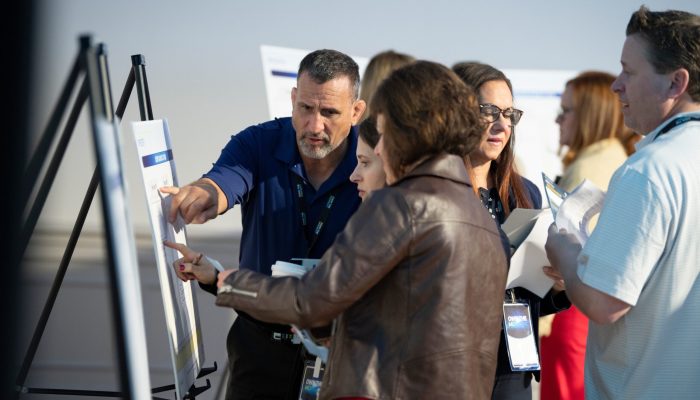
This shift matters because learning is not passive. When participants are placed in static, low-interaction settings, retention drops quickly. But when the environment reinforces the message through movement, sound, spatial design, and interaction, attendees begin to process content differently they engage with it rather than simply receive it.
At its core, effective production planning aligns content strategy and experience design from the start. Every decision, from pacing to physical layout, should reinforce instructional intent rather than compete with it.
The successful training environments begin by defining why the program exists and what success actually looks like before any logistics or visual design decisions are made. Content strategy is treated as a core pillar of the production plan rather than a late-stage addition. This ensures that pacing, sequencing, and spatial design all reinforce the learning objectives instead of competing for attention. The guidance emphasizes that when production teams align audience expectations with instructional intent early, they avoid the common pitfall of creating visually impressive environments that fail to support real comprehension or retention. Instead, experience design becomes a deliberate tool for shaping how participants absorb and apply information.
How Integrated Design Improves Learning
Consider large-scale immersive training programs such as Google Cloud Tech Immersion, which transformed multi-city sessions into guided experience journeys. Rather than presenting static content, the environment itself became part of the learning structure using spatial storytelling, timed transitions, and interactive visual systems to reinforce key concepts.
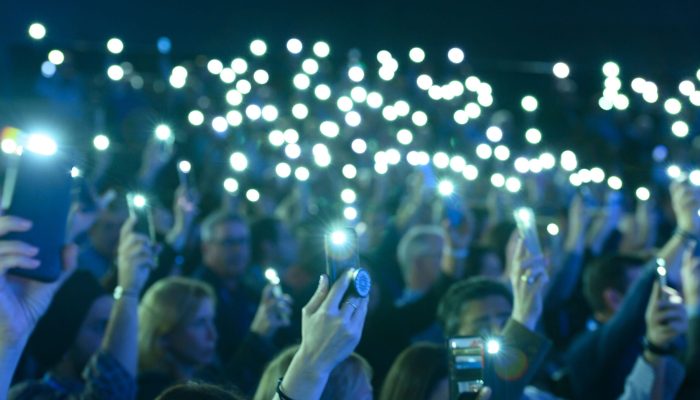
A detailed case example in Google Cloud’s immersive training event design shows how production planning can turn corporate training into a fully multisensory learning environment. The program featured layered installations, timed soundscapes, and interactive zones that positioned attendees as active participants rather than passive observers. A composer with immersive theatrical experience used music to guide pacing, helping participants transition between focused learning and collaborative moments without explicit instruction. AI-generated visuals and interactive systems further personalized the environment, reinforcing content through co-created experiences across multiple cities. This level of orchestration demonstrates how production decisions sound, space, timing, and technology work together to directly shape attention, engagement, and retention in ways traditional training formats cannot achieve.
In well-designed programs like this, participants are not just attendees; they become active participants in a guided learning environment. The result is stronger comprehension and improved ability to apply knowledge in real-world scenarios, especially across distributed teams or complex organizational structures.
Core Principles Behind Effective Production Planning
Strong production planning for training programs is built on a few foundational principles that directly impact retention and engagement.
Integrated content strategy ensures that learning objectives guide every production decision, from staging to timing. Nothing is added simply for visual effect unless it reinforces the message.
Multisensory design uses sound, lighting, and spatial flow to support cognitive pacing. These elements help guide attention, signal transitions, and reinforce key moments in the learning journey.
Attendee agency allows participants to explore and engage with content in non-linear ways, creating opportunities for peer learning and deeper retention through self-directed interaction.
The Role of Ai in Modern Training Production
AI is increasingly used in production environments, but its value depends on intentional application rather than novelty. In advanced training environments, AI-generated visuals or responsive systems can enhance engagement when carefully controlled within defined creative and instructional boundaries.
This requires structured parameters such as style constraints, tone alignment, and content filtering to ensure outputs remain relevant and inclusive. When managed properly, AI becomes a tool for reinforcing learning objectives rather than distracting from them.
Turning Production Strategy Into Measurable Learning Impact
The effectiveness of production planning is ultimately measured by outcomes, not aesthetics. Organizations that integrate experience design into training strategy see stronger retention, clearer message alignment, and faster application of new skills.
This is especially important for high-stakes training programs, where consistency and clarity across multiple locations or formats directly affect performance. When production and learning design are aligned early, the entire experience becomes more cohesive and easier to scale.
For companies focused on high-impact training and audience engagement, effective experience design starts with a clear strategic foundation. Strategy guides the work. Creativity shapes the story. Precision brings it to life. We design and produce action-driven meetings, live events, and training experiences that move audiences.
The Future of Production Planning in Training Experiences
As training programs continue to evolve, production planning will increasingly define the difference between information delivery and true learning transformation. Organizations are moving beyond presentation-based formats toward fully designed learning environments where every sensory and structural decision supports retention and application.
Frequently Asked Questions
What is production planning in corporate training and why does it matter?
Production planning in corporate training is the process of designing the environment, pacing, and sensory elements of a training experience alongside the content itself. It ensures that learning is not just delivered but actively experienced through structured engagement and intentional design. This approach improves corporate training experiences by aligning messaging, space, and interaction to support better understanding and retention. As a result, participants are more likely to connect training content to real-world application in their roles.
How does production design improve learning outcomes and retention in training experiences?
Production design improves learning outcomes by turning passive corporate training into active, multisensory experiences. When sound, lighting, spatial flow, and interaction are intentionally designed, they reinforce key messages and help participants retain information more effectively. This creates stronger audience engagement and reduces the drop-off in attention that often happens in traditional lecture-style formats. The result is training that is easier to remember and apply across teams and distributed organizations.
How is AI used in modern corporate training production and event experiences?
AI is used in modern corporate training production to enhance engagement through responsive content, visuals, and interactive systems. When carefully controlled, it supports learning objectives by personalizing elements of the experience while maintaining consistency and relevance. In advanced event production environments, AI can help shape immersive training experiences without distracting from core messaging. This makes it a valuable tool for improving both audience engagement and learning impact.
Disclaimer: The above helpful resources content contains general insights and perspectives for informational purposes only. The information provided is for general knowledge and does not constitute professional advice.
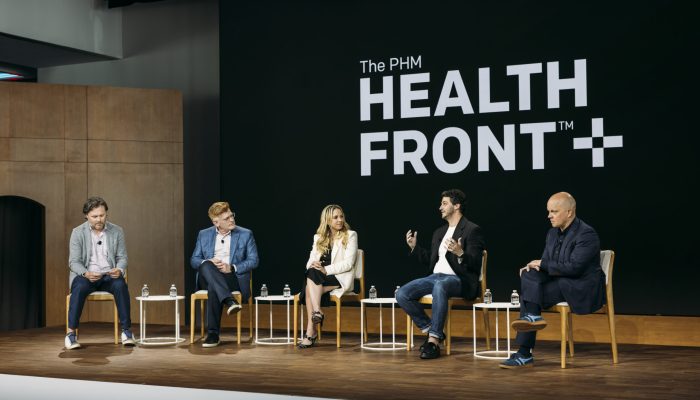
You may also be interested in: HealthFront 2022
When your most important meeting, launch, summit, or training experience needs to move people, every detail matters. Strategy guides the work. Creativity shapes the story. Precision brings it to life. DEVLINHAIR Production & Learning designs and produces action-driven meetings, live events, and training experiences that move audiences. From our New York City studio, DEVLINHAIR helps organizations bring complex ideas, leadership priorities, and learning moments to life with clarity, purpose, and production precision. Ready to create a hybrid experience your audience can follow, feel, and act on? Let’s talk.
Powered by flareAI.co