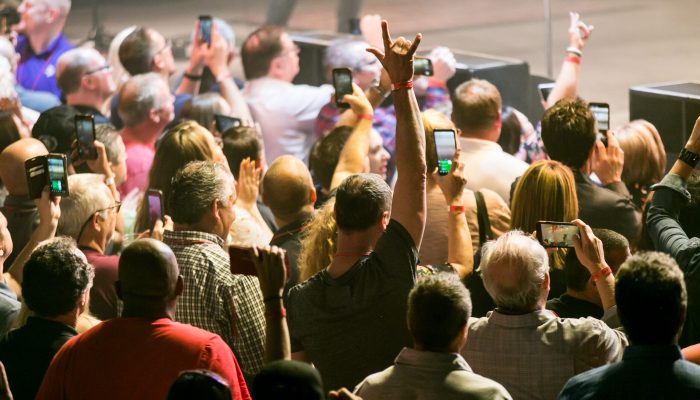
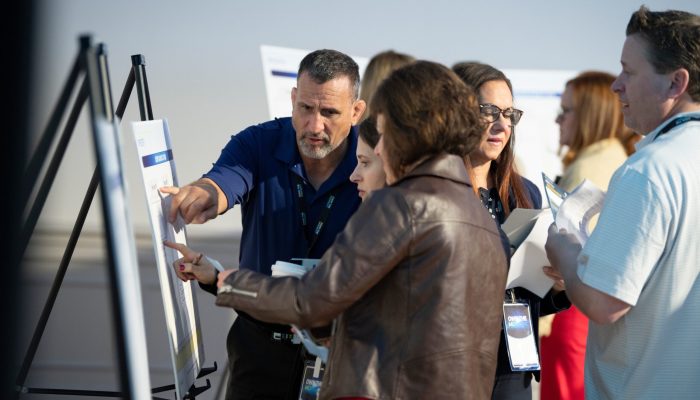
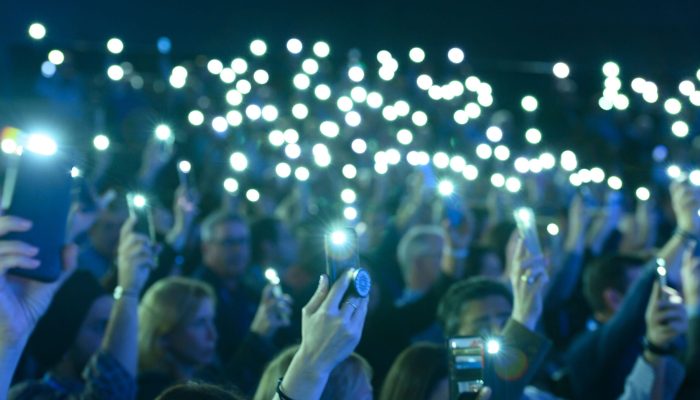
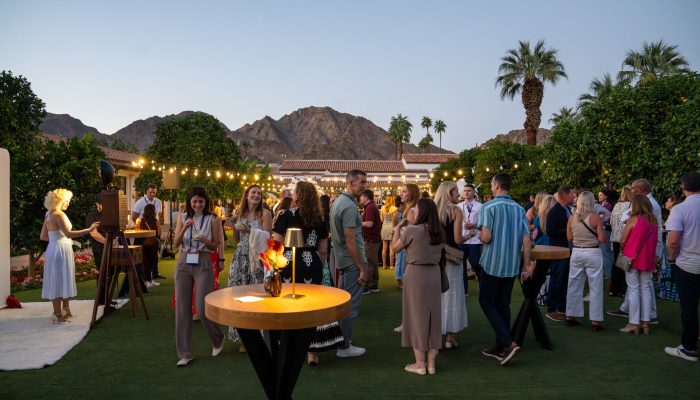
When organizations evaluate why some events feel memorable while others fade quickly, the conversation often drifts toward content, speakers, or production scale. But the most consistent differentiator sits earlier in the process: how the event itself is designed to shape attention, movement, and participation from the moment attendees arrive. Audience engagement is not something added at the end of planning it is embedded in the structure of the experience itself.
For teams responsible for corporate meetings, product launches, training environments, and hybrid programs, this shift reframes the entire approach. Engagement becomes less about isolated activations and more about how space, flow, interaction, and narrative work together to guide behavior and emotional response throughout the experience.
When your most important meeting, launch, summit, or training experience needs to move people, every detail matters. Strategy guides the work. Creativity shapes the story. Precision brings it to life. DEVLINHAIR Production & Learning designs and produces action-driven meetings, live events, and training experiences that move audiences. From our New York City studio, DEVLINHAIR helps organizations bring complex ideas, leadership priorities, and learning moments to life with clarity, purpose, and production precision. Ready to create a hybrid experience your audience can follow, feel, and act on? Let’s talk.
Engagement Starts Before Content Begins
One of the most persistent misconceptions in event strategy is that engagement is driven primarily by programming. In practice, the audience’s level of attention is shaped long before a keynote begins or a breakout session starts. It begins at the design stage, where decisions about layout, pacing, sensory cues, and transitions quietly determine how people will experience the event.
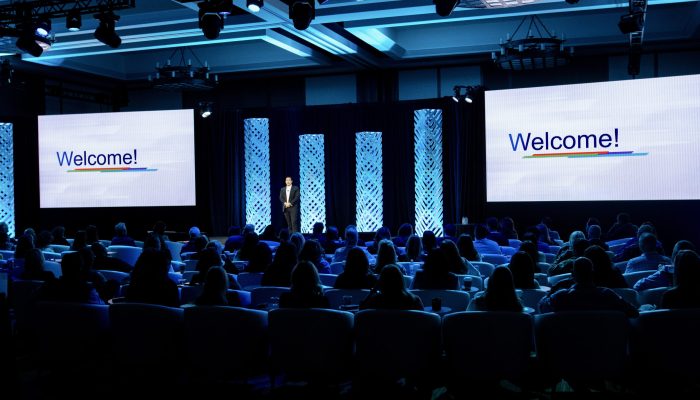
When event design is intentional, it sets expectations for participation rather than passive observation. Entry sequences, staging orientation, seating configuration, and environmental design all influence how comfortable attendees feel interacting with both content and each other. These early signals determine whether people lean in or disengage.
This is why modern event design for engagement has become a core focus for production teams. The goal is no longer simply to present information effectively, but to create conditions where interaction feels natural and continuous across the entire experience.
Spatial Design and Behavioral Flow as Engagement Drivers
Physical and digital environments guide behavior more than most planners realize. The way attendees move through a space where they pause, what they notice first, and how they transition between moments directly affects engagement levels.
Modern experiential strategy increasingly treats event environments as behavioral systems rather than static backdrops. Event design trends shaping audience engagement identified in industry analysis emphasize that engagement is shaped at the design phase through spatial storytelling, curated movement paths, and intentional interaction architecture. These elements help shift audiences from passive observers to active participants.
This means design choices like lighting transitions, material textures, and spatial segmentation are not simply aesthetic decisions. They are functional tools that influence dwell time, conversation patterns, and emotional resonance. When applied thoughtfully, they create a rhythm that guides attention without requiring constant facilitation from speakers or moderators.
For production teams working on complex meetings or training environments, this approach allows engagement to emerge naturally through design rather than being forced through isolated activities or entertainment moments.
From Aesthetic Staging to Interaction Systems
Traditional event design often focused heavily on visual impact large stage builds, immersive graphics, or high-production scenic elements. While these still matter, they are no longer sufficient on their own to sustain meaningful engagement.
The shift now is toward designing interaction systems. These systems consider how attendees connect with content, with each other, and with the physical or digital environment throughout the event journey. Every touchpoint becomes part of a larger engagement architecture.
In this context, experiential event engagement is less about isolated “wow moments” and more about continuous participation loops. For example, breakout zones are not just spaces for discussion; they are intentionally designed to encourage collaboration patterns. Networking areas are not incidental they are structured to reduce friction and increase conversation quality.
As organizations rethink their corporate event engagement strategies, the most effective approaches integrate interaction directly into the design blueprint rather than layering it on afterward.
Designing for Hybrid and Live Participation
The evolution of hybrid programs has added a new layer of complexity to engagement design. It is no longer enough to create strong in-room experiences; designers must also ensure that remote participants feel equally present and able to interact meaningfully with the content and audience.
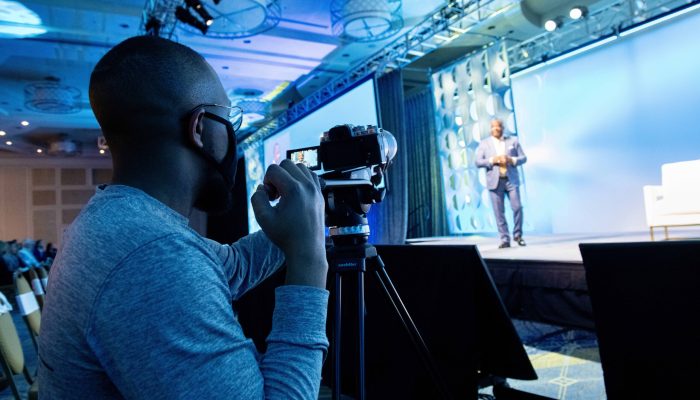
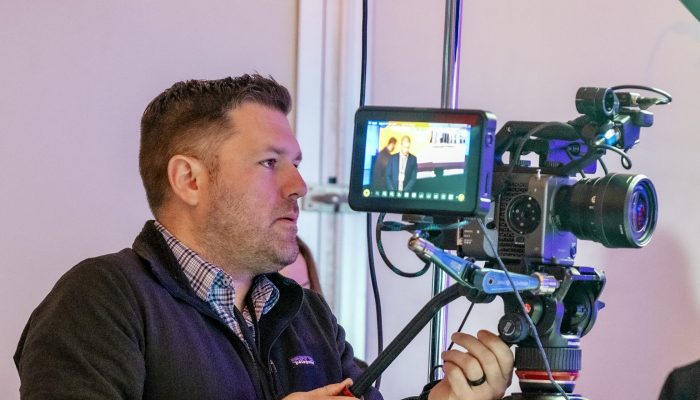
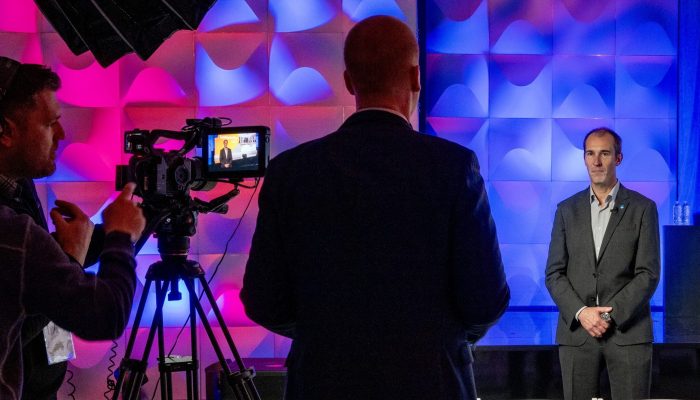
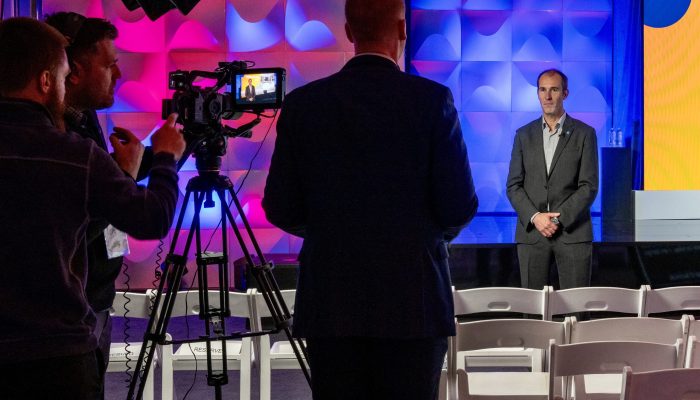
This requires a deliberate approach to hybrid event audience engagement, where camera placement, stage orientation, digital interaction tools, and real-time feedback systems are all aligned with the physical experience. Poorly integrated hybrid environments often create parallel experiences rather than a unified one, which weakens engagement across both audiences.
Effective hybrid design treats the digital and physical environments as interconnected systems. Rather than replicating the in-person experience online, it focuses on designing shared moments of attention and participation that translate across both formats.
This is also where production precision becomes critical. DEVLINHAIR Production & Learning approaches hybrid environments by aligning technical execution with narrative intent, ensuring that every design decision supports clarity, accessibility, and participation across audiences.
Principles That Strengthen Event Experience Design
Strong engagement outcomes are rarely the result of isolated tactics. They emerge from consistent principles applied across the entire event experience. One of the most important of these is intentionality ensuring that every design element has a purpose in shaping how attendees think, feel, or act.
For DEVLINHAIR Production & Learning, effective experience design starts with a clear strategic foundation. Strategy guides the work. Creativity shapes the story. Precision brings it to life. We design and produce action-driven meetings, live events, and training experiences that move audiences. This approach ensures that engagement is not treated as an outcome to measure at the end, but as a structural outcome built into the experience from the beginning.
Other core principles include clarity of journey, emotional pacing, and sensory alignment. When attendees understand where they are in the experience and why it matters, they are more likely to stay engaged. When emotional intensity is varied intentionally, attention is sustained over longer periods. When sensory cues are aligned with narrative intent, memory formation improves.
These principles are particularly important for training environments and leadership meetings, where the goal is not just attention, but retention and application. In these contexts, engagement directly impacts whether messages translate into behavior change after the event concludes.
Measuring Engagement Through Design Outcomes
While engagement is often discussed in terms of metrics like attendance or participation rates, design-led experiences encourage a different way of thinking about success. Instead of focusing solely on surface-level indicators, teams increasingly evaluate how effectively the event structure supported attention, interaction, and comprehension.
For example, did attendees naturally move between zones as intended? Did discussions continue beyond structured sessions? Did hybrid participants contribute at similar levels to in-person audiences? These behavioral signals often provide a clearer picture of engagement than traditional reporting metrics alone.
In this sense, event design becomes both the driver and the measurement framework. When environments are structured around curiosity, movement, and participation, engagement is not something that needs to be artificially extracted it becomes a natural outcome of how the experience is built.
As organizations continue refining their approach to corporate meetings, product launches, and training programs, the most effective strategies will be those that treat engagement as a design discipline rather than a post-production objective. Better design does not just support engagement it defines it.
Frequently Asked Questions
How does event design influence audience engagement in corporate meetings and hybrid events?
Event design directly shapes audience engagement by guiding attention, movement, and participation before any content begins. In corporate meetings, product launches, training experiences, and hybrid events, layout, transitions, and sensory cues determine how actively people engage. Strategic design ensures participation feels natural across both in-person and remote audiences.
Why is spatial design important for audience engagement in live events and training experiences?
Spatial design is important because it determines how attendees move, interact, and focus within an event environment. In live events and training experiences, well-designed spaces increase collaboration, dwell time, and meaningful conversation. For production teams like DEVLINHAIR Production & Learning, spatial planning supports engagement as a continuous system rather than isolated moments.
How do you measure audience engagement in event production beyond attendance metrics?
Engagement is measured beyond attendance by analyzing behavioral indicators such as participation flow, interaction between attendees, and movement across event zones. In corporate meetings, hybrid events, and training programs, sustained discussion and cross-format participation are stronger signals than headcounts.
Disclaimer: The above helpful resources content contains general insights and perspectives for informational purposes only. The information provided is for general knowledge and does not constitute professional advice.
You may also be interested in: CNS National Meeting 2024
When your most important meeting, launch, summit, or training experience needs to move people, every detail matters. Strategy guides the work. Creativity shapes the story. Precision brings it to life. DEVLINHAIR Production & Learning designs and produces action-driven meetings, live events, and training experiences that move audiences. From our New York City studio, DEVLINHAIR helps organizations bring complex ideas, leadership priorities, and learning moments to life with clarity, purpose, and production precision. Ready to create a hybrid experience your audience can follow, feel, and act on? Let’s talk.
Powered by flareAI.co