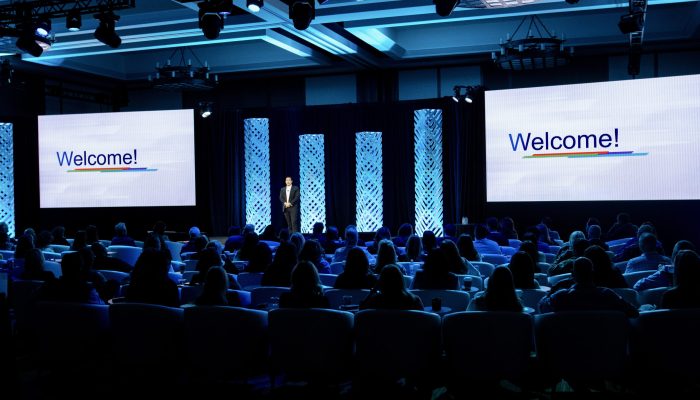
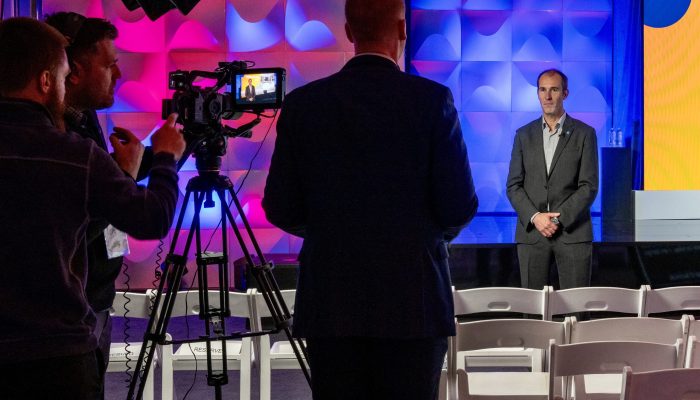
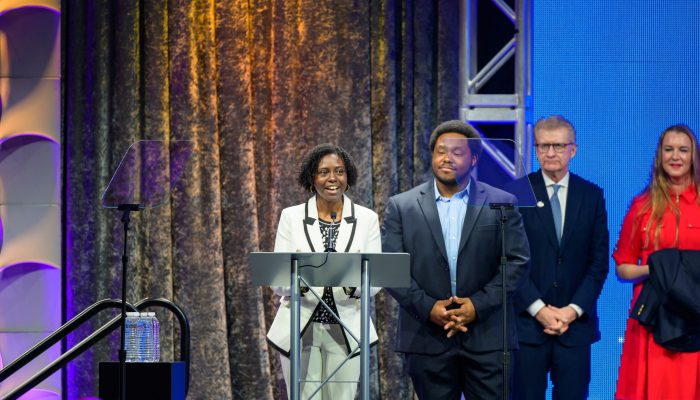
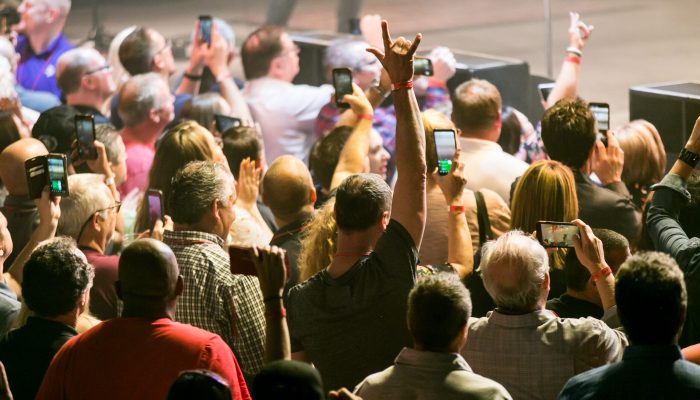
When a company brings people together for a leadership summit, training program, or product launch, the goal is rarely just to share information. The real challenge is helping people understand the message, connect it to their role, and leave ready to act. Technology decisions play a critical role in whether those moments succeed or fall short. Event production teams and technical directors evaluate platforms, AV systems, and digital tools with one question in mind: Does this directly support the event’s business outcomes? The best choices align technology with production goals from the first planning conversation, turning data into clear business impact rather than just another operational task.
Leading event programs consistently demonstrate that success is defined before design begins. Connecting event technology decisions to business outcomes from the start highlights how b-to-b event leaders embed KPIs, pipeline goals, and measurement frameworks into early planning conversations rather than treating them as afterthoughts. In this approach, technology such as registration platforms, event apps, lead capture tools, and analytics systems only earn their place in the production stack when they directly connect to a specific business outcome. This discipline ensures that venue selection, content strategy, and technology decisions are all aligned in service of measurable results. As outlined in the research, when success metrics are defined first, every production decision becomes accountable to those outcomes, shifting technology from a procurement task into a strategic driver of event performance.
When your most important meeting, launch, summit, or training experience needs to move people, every detail matters. Strategy guides the work. Creativity shapes the story. Precision brings it to life. DEVLINHAIR Production & Learning designs and produces action-driven meetings, live events, and training experiences that move audiences. From our New York City studio, DEVLINHAIR helps organizations bring complex ideas, leadership priorities, and learning moments to life with clarity, purpose, and production precision. Ready to create a hybrid experience your audience can follow, feel, and act on? Let’s talk.
Start with the Business Outcome Before You Select the Tool
Every technology choice should answer one question: How does this move the needle on success metrics that matter to leadership? For many teams, that means defining success metrics before defining deliverables. When you know what winning looks like pipeline generated, audience retention, sponsor ROI, or post-event behavior change venue selection, format, content strategy, and technology all get built in service of those outcomes.
This broader shift in measurement reflects a more rigorous approach to event production strategy. AI-powered event measurement and the shift toward quality engagement metrics shows how attendance and badge scans are no longer sufficient indicators of success. Instead, leading brands are prioritizing engagement quality, sentiment, and real-time behavioral data. AI-supported tools now capture audience attention during keynotes and sessions, revealing which moments resonate most strongly and which fail to hold focus. For production teams, this means technology choices must be directly aligned with clearly defined engagement goals, because data is only valuable when it is tied to intentional production design. The most effective systems integrate sentiment tracking, attention analytics, and predictive insights into the live event experience, ensuring that measurement informs decisions in real time rather than only after the event concludes.
This approach prevents technology from becoming an afterthought or an expensive procurement exercise. Instead, it turns the production stack into a strategic asset. Event producers who treat measurement as a non-negotiable element of every Request for Proposal(RFP) and plan report stronger alignment between creative vision and business results. Technology decisions that lack this anchor often create operational noise during the event itself. The strongest programs, however, embed KPIs and pipeline goals into the very first planning conversations, not as an afterthought at the end of the RFP response.
AI-powered Tools Are Changing How Teams Capture and Use Data in Real Time
Event measurement has entered a new era where attention, sentiment, and behavioral data matter more than raw attendance numbers. AI-supported video analysis now captures audience attention and sentiment at keynotes in real time, revealing which moments earned genuine focus and which moments lost the room.
Production teams that integrate these tools select technology only when it connects directly to event goals. Tools that track attention, analyze audience sentiment, and surface real-time behavioral data become as important to the production stack as lighting, staging, or A/V. The shift prioritizes quality engagement metrics that inform strategic decisions rather than simply reporting activity. AI also supports predictive analytics for attendance forecasting and hyper-personalization at scale. These capabilities help teams tailor experiences to different attendee groups without sacrificing the human connection that defines powerful corporate moments.
Why ROI-driven Technology Decisions Matter More Than Ever
Organizations that anchor technology recommendations to client goals avoid selecting tools that look impressive in a proposal but create operational noise during the event. The ROI-driven model demands that measurement strategy appear at the front of every plan, not in an appendix.
Event technology strategy should link every platform choice to specific business outcomes the event is designed to achieve. When production teams do this, technology choices become strategic decisions rather than procurement tasks, and every tool earns its place by serving the same goals as the event it supports.
This discipline separates events that simply execute well from those that prove their value. It ensures that registration platforms, lead-capture tools, data analytics systems, and AI-powered measurement platforms all contribute directly to the outcomes that matter most.
Evaluating Technology: Practical Questions Production Teams Should Ask
Event producers and technical directors can apply a clear evaluation framework when weighing platforms and systems. Ask these questions first:
- How does this tool connect directly to a defined business outcome?
- Does it provide real-time data that informs decisions during the event, not just after it?
- How does it support hybrid participation without compromising engagement quality?
- Is the measurement methodology built into the contract and report cadence?
- What examples exist of the data telling the team something they did not expect and how they responded?
These questions turn technology evaluation from a checklist exercise into a strategic conversation that protects against wasted resources and missed opportunities.
Putting Strategy Guides the Work Into Practice for Every Event Program
Technology decisions that support event production goals create events that feel intentional and deliver real results. When teams start with the business challenge, design technology around clear outcomes, and measure what matters, they transform corporate gatherings into moments that advance strategy.
This perspective turns every event from a one-time activity into a strategic asset. It keeps the focus on the human experience while ensuring every technological choice earns its place in the production stack.
The best events do not just happen. They are designed, produced, and measured with the same discipline that leaders bring to their core business objectives.
Frequently Asked Questions
Why should technology decisions support event production goals?
Technology decisions should support event production goals because every platform, tool, and system directly influences how well an event delivers its intended outcomes. When technology is aligned with production objectives from the start, it ensures clearer communication, stronger audience engagement, and measurable business impact. This approach prevents tools from becoming disconnected add-ons and instead makes them integral to delivering successful corporate meetings, training programs, and product launches.
How do event production teams evaluate the right technology for corporate events?
Event production teams evaluate technology by first defining the business outcomes the event is meant to achieve, such as audience retention, engagement quality, or pipeline impact. They then assess whether each tool provides real-time data, supports hybrid participation, and integrates into the overall production workflow. This ensures that platforms like registration systems, analytics tools, and engagement technologies are selected based on ROI and practical value rather than surface-level features.
What role does AI and data play in modern event production and engagement measurement?
AI and data play a central role in modern event production by enabling real-time insight into audience attention, sentiment, and engagement. These tools help production teams understand which moments resonate during live and hybrid events, rather than relying only on post-event reporting. By integrating predictive analytics and behavioral data, teams can refine experiences to improve outcomes across corporate meetings, training programs, and product launches.
Disclaimer: The above helpful resources content contains general insights and perspectives for informational purposes only. The information provided is for general knowledge and does not constitute professional advice.
You may also be interested in: Meeting Content Creation Emerges as Strategic Priority in Leadership Events
When your most important meeting, launch, summit, or training experience needs to move people, every detail matters. Strategy guides the work. Creativity shapes the story. Precision brings it to life. DEVLINHAIR Production & Learning designs and produces action-driven meetings, live events, and training experiences that move audiences. From our New York City studio, DEVLINHAIR helps organizations bring complex ideas, leadership priorities, and learning moments to life with clarity, purpose, and production precision. Ready to create a hybrid experience your audience can follow, feel, and act on? Let’s talk.
Powered by flareAI.co