Quick Listen:
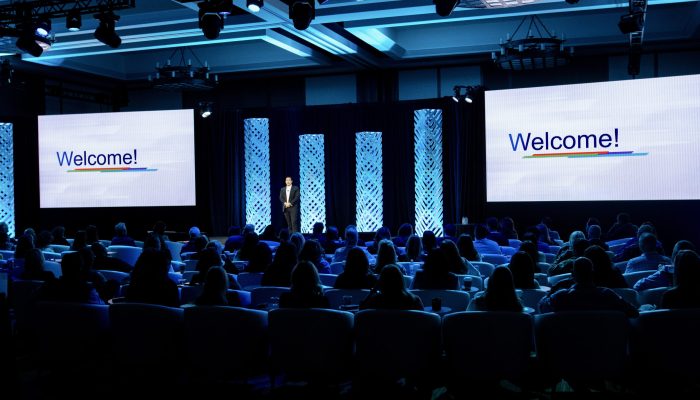
Audience experience is often treated as something that happens in the room once a meeting begins, but in practice it is shaped much earlier. It starts with how the agenda is structured, how people move through the space, how they are invited to participate, and how moments of attention are intentionally designed. Meeting design is not just an operational step in planning corporate events; it is the framework that determines whether information is simply delivered or meaningfully absorbed.
For organizations planning leadership summits, sales meetings, or training experiences, the challenge is not whether content is relevant, but whether the structure of the experience allows that content to land. That is where meeting design becomes central to audience experience.
When your most important meeting, launch, summit, or training experience needs to move people, every detail matters. Strategy guides the work. Creativity shapes the story. Precision brings it to life. DEVLINHAIR Production & Learning designs and produces action-driven meetings, live events, and training experiences that move audiences. From our New York City studio, DEVLINHAIR helps organizations bring complex ideas, leadership priorities, and learning moments to life with clarity, purpose, and production precision. Ready to create a hybrid experience your audience can follow, feel, and act on? Let’s talk.
Why Meeting Design Is the Foundation of Audience Experience
When attendees gather for a corporate event, they arrive with competing priorities, limited attention, and varied expectations. A well-designed meeting acknowledges this reality and structures the experience to guide focus rather than assume it. The pacing of sessions, the transitions between formats, and the opportunities for interaction all influence how participants process information.
In experiential environments, design decisions shape not only what people hear but what they remember. This is why meeting design for audience experience has become a strategic concern for event production and learning teams. It is no longer sufficient to build agendas around content delivery alone; the structure itself must support engagement and retention.
Effective corporate event planning increasingly treats the agenda as an experience architecture rather than a schedule. Each segment serves a purpose: to activate attention, sustain participation, or reinforce understanding. Without this intentional design, even strong content can lose impact.
From Passive Attendance to Participatory Experience
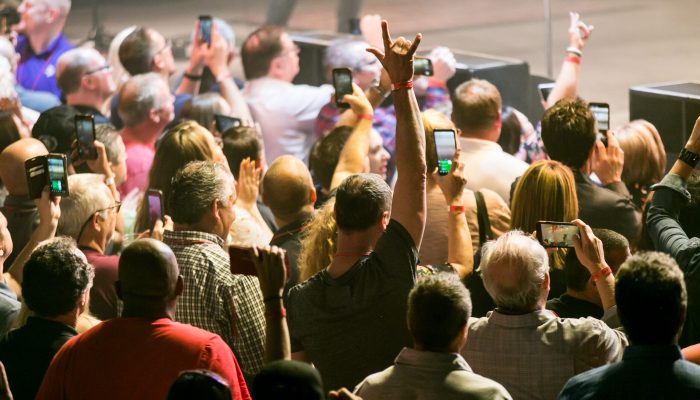
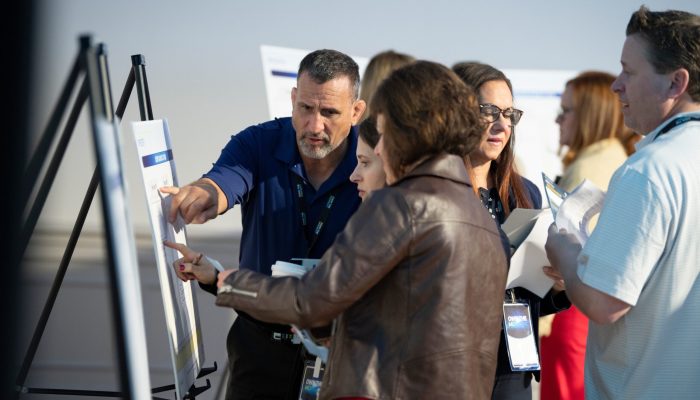
A key shift in modern event design is the move from passive observation to active participation. Attendees are no longer expected to sit through long presentations as their primary mode of engagement. Instead, experiences are designed to invite interaction, collaboration, and physical or cognitive involvement.
Insights from experiential event design highlight that participation can strengthen engagement by moving audiences beyond passive consumption. Strategies for designing more immersive, participatory event experiences include the use of interactive technology, multi-sensory elements, and hands-on involvement to create more memorable activations and encourage stronger audience connection.
This has direct implications for meeting design for audience experience. Instead of structuring sessions as linear information delivery, planners are introducing breakout activities, interactive prompts, and shared problem-solving exercises. These design choices change the role of the attendee from observer to participant.
For experiential marketing teams and training designers, this shift represents a more fundamental evolution in how engagement is created. It is not just about adding activities; it is about redesigning the flow of attention throughout the meeting itself.
Designing Engagement as a Measurable Outcome
Meeting design is also increasingly tied to how engagement is understood and evaluated. Rather than relying on a single metric, organizations are combining behavioral signals, sentiment, and post-event actions to understand whether an experience was effective.
Industry perspectives emphasize that engagement is not a single data point but a pattern of interactions that emerge throughout the experience. The closer an event organization can get to their company’s CRM system, the closer they are to aligning their event expenditures with real outcomes. Demand that the CRM tracks every person who walks through that door and maps how much pipeline your engagements and events influenced. “Data is most powerful when it tells a story, and stories are built from multiple metrics working together.”
This has important implications for how meeting design is approached. The physical layout of a room, the timing of interactive moments, and the structure of transitions all influence the signals that later become part of engagement analysis. In other words, design decisions directly shape what can be measured.
For corporate meeting planners and event production teams, this creates a feedback loop. Better-designed experiences generate clearer engagement signals, which in turn inform future design improvements. Meeting design becomes both a creative and analytical discipline.
The Role of Sensory and Physical Interaction in Retention
One of the most significant developments in experiential design is the renewed focus on physical and sensory interaction. In an environment where much communication is digital, tactile and embodied experiences stand out more strongly in memory.
When participants are invited to interact physically through collaborative exercises, hands-on materials, or movement-based activities their attention shifts from passive listening to active engagement. This change supports deeper cognitive processing and improves recall of key messages.
Meeting design that incorporates sensory elements is not about entertainment; it is about anchoring information in experience. A structured activity that requires collaboration, for example, can reinforce concepts introduced earlier in a session more effectively than repetition alone.
This approach is increasingly relevant in training environments, where retention and application matter as much as initial understanding. By integrating physical interaction into meeting design, organizations create conditions where learning is more likely to translate into action.
Hybrid Meeting Design and Distributed Attention
As meetings increasingly include both in-person and remote participants, meeting design for audience experience must account for distributed attention. Hybrid formats introduce complexity because engagement is no longer confined to a single physical environment.
Designing for hybrid settings requires intentional structuring of participation points so that both in-room and remote audiences can contribute meaningfully. Without this, one group risks becoming passive observers while the other drives interaction.
Hybrid meeting design therefore extends beyond technology setup. It involves rethinking how sessions are paced, how interaction is facilitated, and how engagement is balanced across audiences. When done well, hybrid formats can expand accessibility while maintaining a cohesive experience.
For production teams and learning designers, this means treating hybrid experiences as unified environments rather than parallel ones. The goal is not to replicate content across channels, but to design shared moments of participation that work across formats.
Practical Principles for Designing Effective Meetings
Strong meeting design is grounded in a set of practical principles that can be applied across corporate events, training programs, and leadership gatherings. These principles focus less on format and more on experience flow.
First, attention should be intentionally structured. Every meeting has peaks and lulls, and effective design ensures that high-value moments are placed where attention is strongest. Second, participation should be embedded, not optional. Engagement works best when it is built into the structure of the session rather than added at the end.
Third, transitions matter as much as sessions. The way participants move between activities influences how they process what came before. Finally, reflection should be built into the experience. Without space to process information, even well-designed meetings can become overloaded.
These principles reinforce the idea that meeting design is not simply logistical planning. It is a strategic discipline that shapes how audiences experience, interpret, and act on information.
Designing Experiences That Drive Understanding
Audience experience does not begin when a speaker takes the stage or when a presentation starts. It begins in the structure of the meeting itself. From pacing and participation to sensory interaction and hybrid integration, every design choice influences how effectively an audience engages with content.
For organizations focused on improving experiential marketing, training outcomes, or corporate communication, meeting design offers a direct path to stronger engagement and retention. By treating meetings as designed experiences rather than scheduled events, teams can create environments where audiences do more than attend they participate, connect, and remember.
Frequently Asked Questions
Why does meeting design matter for audience experience in corporate events?
Meeting design is the foundation of audience experience because it structures pacing, transitions, and participation to guide focus and help information land effectively. In corporate meetings, training experiences, and leadership summits, intentional design turns passive attendance into active engagement, improving retention and outcomes.
How can I improve audience experience through meeting design?
Improve audience experience by using hybrid formats with shared participation points, incorporating physical and sensory interactions, and embedding breakout activities. This approach supports distributed attention, strengthens memory through embodied learning, and creates measurable engagement signals for better training and learning strategy results.
What are the key principles for designing effective meetings?
Key principles include intentionally structuring attention with strong pacing, embedding participation into the session flow, ensuring smooth transitions between activities, and building in reflection time. These practices make corporate events and training experiences more cohesive, accessible, and focused on real outcomes.
Disclaimer: The above helpful resources content contains general insights and perspectives for informational purposes only. The information provided is for general knowledge and does not constitute professional advice.
You may also be interested in: Experiential Approaches Improve Outcomes in Corporate Training
When your most important meeting, launch, summit, or training experience needs to move people, every detail matters. Strategy guides the work. Creativity shapes the story. Precision brings it to life. DEVLINHAIR Production & Learning designs and produces action-driven meetings, live events, and training experiences that move audiences. From our New York City studio, DEVLINHAIR helps organizations bring complex ideas, leadership priorities, and learning moments to life with clarity, purpose, and production precision. Ready to create a hybrid experience your audience can follow, feel, and act on? Let’s talk.
Powered by flareAI.co