Quick Listen:
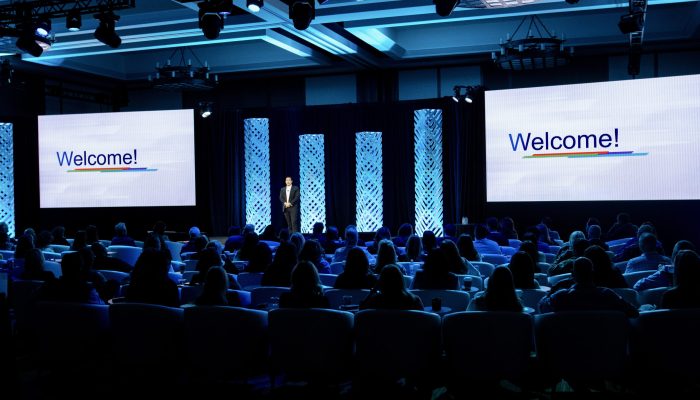
When a company brings people together for a leadership summit, training program, or product launch, the goal is rarely just to share information. The real challenge is helping people understand the message, connect it to their role, and leave ready to act.
That tension is exactly why so many organizations are pausing before they roll out new event technology. The tools promise efficiency, personalization, and better measurement, but teams quickly discover that poor choices can disrupt everything from on-site connectivity to audience trust. The right decision here directly shapes whether an event feels memorable or merely functional.
When your most important meeting, launch, summit, or training experience needs to move people, every detail matters. Strategy guides the work. Creativity shapes the story. Precision brings it to life. DEVLINHAIR Production & Learning designs and produces action-driven meetings, live events, and training experiences that move audiences. From our New York City studio, DEVLINHAIR helps organizations bring complex ideas, leadership priorities, and learning moments to life with clarity, purpose, and production precision. Ready to create a hybrid experience your audience can follow, feel, and act on? Let’s talk.
The Cost of Jumping in Without a Clear Evaluation Framework
Many organizations start by scanning the latest vendor announcements and demos. What they miss is how those same platforms behave when the venue is half-built, the network is spotty, and every minute counts. The difference between a demo in a quiet boardroom and live execution under pressure is often the deciding factor between success and frustration.
Event teams that treat technology selection as a production decision rather than a feature checklist consistently report smoother rollouts and fewer last-minute fixes. They prioritize tools that have been stress-tested in real-world conditions, not just feature lists.
Adopting new event technology requires a deliberate evaluation process that balances innovation with reliability. The following considerations help leaders make choices that support their specific events, audiences, and outcomes rather than chasing the next shiny object.
Operational Pressure and Real-world Performance
One of the most overlooked questions is how a platform holds up when things go wrong on the ground. Connectivity drops, build timelines compress, and shared hardware becomes the norm. Tools built with direct production experience tend to account for these realities better than platforms optimized only for controlled demos.
Before committing, request scenario-based pilots on similar-scale events and insist on references from teams that have faced the same constraints. This due diligence prevents the kind of failures that damage both the event and the technology’s reputation.
Production Readiness Versus Feature Promises
The gap between what vendors promise in sales conversations and what they deliver on site can be significant. Organizations that have not built evaluation criteria around real-world performance often discover those gaps at the worst possible time.
Custom solutions developed by teams with more than two decades of hands-on production experience understand the realities of tight deadlines, multi-team deployment, and high-stakes moments. They focus on reliability rather than just bells and whistles, which matters more when every second of downtime affects the audience experience.
Preserving the Human Element of Live Experiences
As AI and automation expand their role in event operations, the organizations seeing the strongest results are those that have been deliberate about which problems they want technology to solve and which aspects of their events they want to protect from automation.
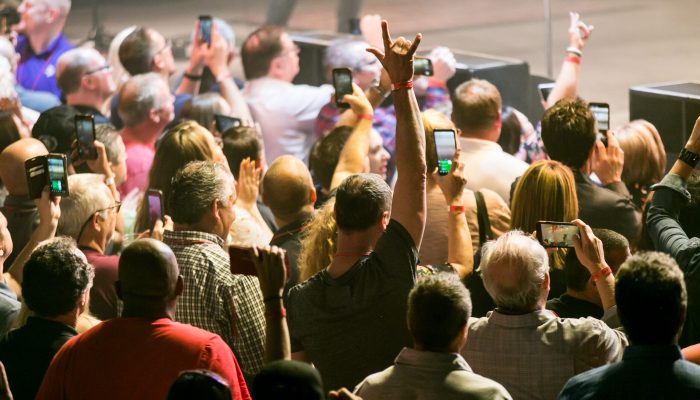
There is a growing recognition that public trust in digital content is shifting, and the demand for authentic, in-person experience is actually being reinforced by how pervasive AI has become in everyday life. Technology adoption should not be about replacing the human dimensions of events but about freeing up the people running them to focus more effectively on those dimensions.
Hybrid Capabilities and Flexible Engagement
After the rapid rise of hybrid events in 2022 and 2023, the question is no longer whether hybrid belongs in the corporate event mix. The question is how to design it well. Organizations that treat hybrid as a long-term meeting and learning format rather than an add-on consistently achieve stronger audience engagement and more inclusive participation.
Hybrid-first design requires tools that integrate seamlessly across physical and virtual spaces without forcing users to choose one or the other. The goal is to create experiences that feel intentional and purposeful no matter where people join from.
Integration, Accessibility, and Compliance
Event technology must work with existing systems and meet regulatory requirements. Platforms that force teams to build workarounds or sacrifice accessibility for convenience rarely deliver the promised ROI.
Look for solutions that support real-time translation and captions, ensure data privacy, and scale reliably across different venues. These practical considerations separate tools that enhance events from those that create new layers of complexity.
Evaluating Event Tech ROI Measurement
Once a platform is in place, the real work begins in defining what success looks like and how to measure it. Many organizations fall into the trap of collecting too many metrics without clear business purpose. The most effective approaches focus on outcomes that matter to the business: retention in training, alignment after a summit, or measurable changes in audience behavior.
Start by mapping the technology to specific goals, then design simple but meaningful tracking that does not add to attendee fatigue. The best tools help teams understand whether their investment is moving the needle on the outcomes that actually drive value.
How to Build a Responsible and Effective Adoption Strategy
Successful adoption starts with a cross-functional team that includes production leaders, communications strategists, and learning designers. Together they can translate technology options into clear requirements that reflect the realities of the event itself.
Begin with a small pilot on a single session or activation, gather feedback, and refine before scaling. This measured approach reduces risk and ensures the chosen tools fit the event’s purpose rather than the other way around.
Strategy guides the work. Creativity shapes the story. Precision brings it to life. DEVLINHAIR designs and produces action-driven meetings, live events, and training experiences that move audiences.
Next Steps for Leaders Planning Their Next High-stakes Experience
Before adopting any new event technology, take a step back and ask what problem the technology is actually meant to solve. The organizations that treat technology as a support for their core work, rather than the other way around, consistently deliver events that feel more personal, more purposeful, and more memorable.
The evaluation process may feel time-consuming, but it is the foundation for experiences that stand out in a crowded calendar. When leaders approach technology selection with intention and respect for the human elements that make events meaningful, the results speak for themselves.
Leading B-to-b event marketers are navigating AI and technology decisions in 2026 by recognizing that technology is most powerful when deployed with intention, and the human element of live experiences cannot be outsourced to any platform. As AI continues to expand its role in event operations streamlining logistics, personalizing attendee experiences, unlocking data insights, and supporting creative workflows the organizations seeing the strongest results are those that have been deliberate about which problems they want technology to solve, and which aspects of their events they want to protect from automation. There is also a growing recognition among senior event professionals that public trust in digital and AI-generated content is shifting, and that the demand for authentic, in-person experience is actually being reinforced by how pervasive AI has become in everyday life.
For organizations evaluating new event technology, this is a meaningful signal. The goal of technology adoption should not be to replace the human dimensions of events but to free up the people running them to focus on those dimensions more effectively. That framing changes how organizations should evaluate tools not just on feature sets and pricing, but on whether those tools make planners more capable, more data-informed, and more able to deliver experiences that feel genuinely personal and purposeful to the people who attend them.
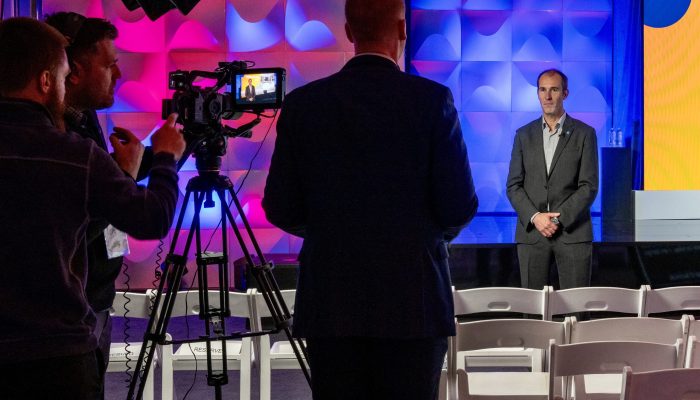
One of the most overlooked considerations when adopting new event technology is how that technology performs under pressure not in a controlled demo environment, but in the reality of live events where connectivity is unreliable, build schedules are compressed, and any failure can directly affect the audience experience and brand reputation. Organizations evaluating technology solutions should ask hard questions about how platforms are built and by whom. Tools developed by practitioners with direct production experience tend to account for the operational constraints that event teams face on the ground: tight deadlines, shared hardware, multi-team deployment, and high-stakes moments where there is little room for troubleshooting. This matters especially for event apps, interactive touchscreen installations, workflow automation platforms, and real-time communication tools that need to function seamlessly across the duration of an event.
The gap between what a platform promises in a sales conversation and what it delivers in production is often significant, and organizations that have not built evaluation criteria around real-world performance tend to discover those gaps at the worst possible time. Before adopting any new event technology, teams should insist on scenario-based pilots, request references from similar-scale events, and assess whether vendor support is available during live execution not just during onboarding. Building that due diligence into the procurement process is one of the most effective ways to reduce risk and ensure that new tools add value rather than create new complications.
Frequently Asked Questions
What should organizations consider before adopting new event technology for corporate events?
Organizations should prioritize real-world performance, integration, and reliability when adopting new event technology for corporate meetings and training events. The most effective tools are those that work seamlessly across hybrid events, accessibility requirements, and existing systems rather than just offering feature lists. DEVLINHAIR emphasizes production-ready solutions that support audience engagement and ensure events remain purposeful and actionable.
How do you evaluate event technology performance in real-world live events compared to vendor demos?
You evaluate event technology performance by testing it under real production conditions rather than controlled demo environments. This includes scenario-based pilots that simulate connectivity issues, tight timelines, and multi-venue execution challenges common in live corporate events. DEVLINHAIR recommends assessing how tools behave under pressure to ensure they support smooth event production and reliable audience experiences.
How can companies measure ROI from event technology in hybrid corporate meetings and training events?
Companies can measure ROI by focusing on outcomes such as audience engagement, knowledge retention, and post-event behavior change. Instead of tracking excessive metrics, organizations should align technology performance with specific business goals like training effectiveness or summit alignment. DEVLINHAIR highlights that clear ROI measurement helps ensure hybrid events deliver meaningful learning and business impact.
Disclaimer: The above helpful resources content contains general insights and perspectives for informational purposes only. The information provided is for general knowledge and does not constitute professional advice.
You may also be interested in: Lessons From Festival Activations Apply to Corporate Marketing
When your most important meeting, launch, summit, or training experience needs to move people, every detail matters. Strategy guides the work. Creativity shapes the story. Precision brings it to life. DEVLINHAIR Production & Learning designs and produces action-driven meetings, live events, and training experiences that move audiences. From our New York City studio, DEVLINHAIR helps organizations bring complex ideas, leadership priorities, and learning moments to life with clarity, purpose, and production precision. Ready to create a hybrid experience your audience can follow, feel, and act on? Let’s talk.
Powered by flareAI.co