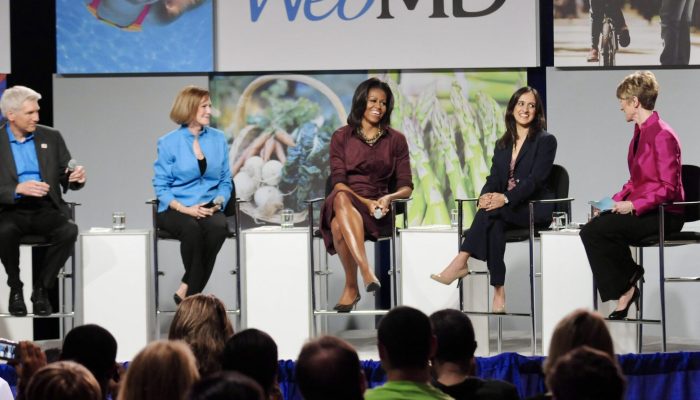
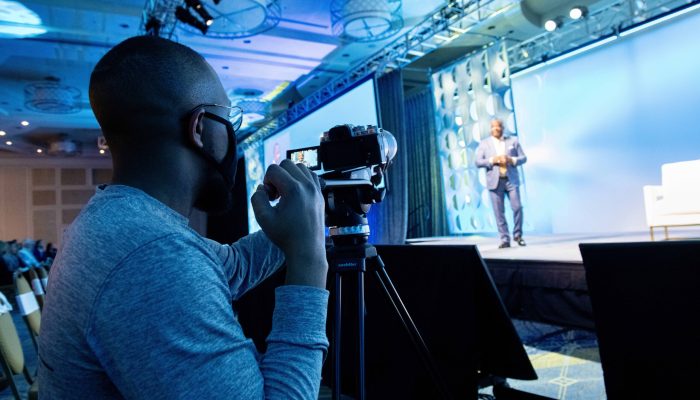
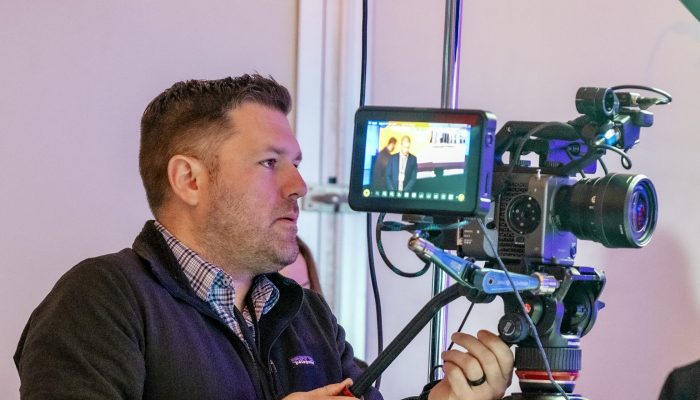
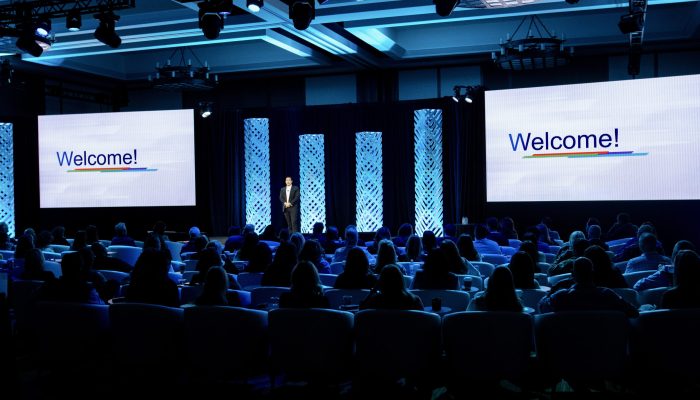
High-stakes global hybrid broadcasts succeed long before the audience joins. The operational challenge is aligning speakers, production teams, content assets, timing, and technical systems so every moment feels intentional across in-room and virtual audiences.
For corporate event producers, executive communications teams, broadcast managers, meeting planners, and marketing leaders, speaker readiness and run-of-show accuracy are connected parts of an event production workflow that begins well before show day. Early planning gives teams time to coordinate speakers, content, technical requirements, transitions, and contingency procedures before a leadership summit, product launch, training experience, or global meeting goes live.
When your most important meeting, launch, summit, or training experience needs to move people, every detail matters. Strategy guides the work. Creativity shapes the story. Precision brings it to life. DEVLINHAIR Production & Learning designs and produces action-driven meetings, live events, and training experiences that move audiences. From our New York City studio, DEVLINHAIR helps organizations bring complex ideas, leadership priorities, and learning moments to life with clarity, purpose, and production precision. Ready to create a hybrid experience your audience can follow, feel, and act on? Let’s talk.
Build Speaker Rehearsal Into the Complete Hybrid Event Production Workflow
A strong hybrid event speaker rehearsal workflow begins with preparation rather than the final technical check. Speakers need clarity on format, timing, audience expectations, transitions, presentation assets, and how they will interact with other presenters. A structured process helps virtual and in-person contributors understand their roles within one coordinated experience.
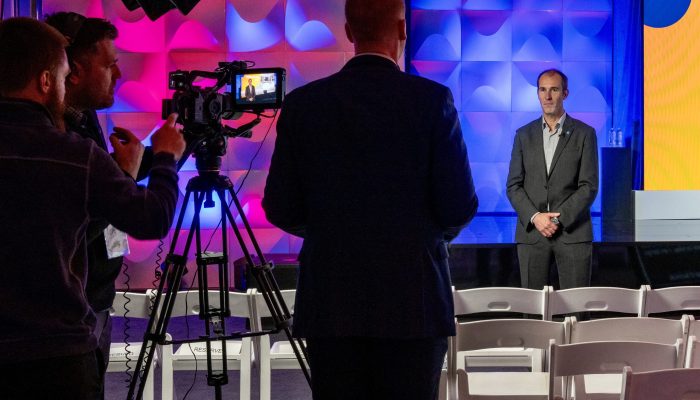
Speaker preparation should include technical checks that reflect each participant’s environment. Virtual speakers may need guidance on connection stability, lighting, camera framing, audio quality, presentation sharing, and remote audience interaction. In-person presenters need alignment on stage position, microphones, confidence monitors, slides, video playback, walk-on timing, and transitions.
Virtual and on-site speakers should be managed as part of the same production workflow. BizBash’s coverage of virtual and hybrid presenter production tools highlights capabilities such as controlled stage management, presenter status indicators, customizable presenter layouts, and one-click transitions. These types of controls can help production teams coordinate remote contributors while reducing avoidable uncertainty during live execution.
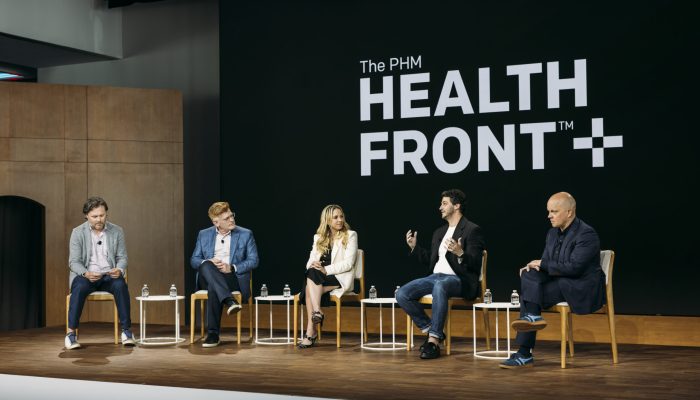
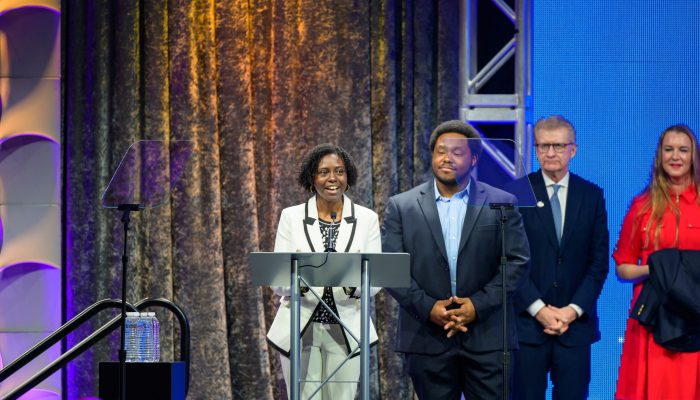
Rehearsals should also test more than individual presentations. Teams need to practice handoffs between speakers, moderator introductions, remote connections, video roll-ins, audience questions, panel transitions, and other moments where responsibility shifts from one person or system to another. These transitions are often where small production issues become visible to the audience.
Optimize the Run-of-show as a Production Control System
A corporate event run-of-show should do more than list session times. It should function as a shared operating document connecting speakers, producers, show callers, creative teams, graphics, video, lighting, audio, streaming systems, and technical cues.
The document should give each production role enough information to understand what happens next, who owns the action, which asset is required, and what the audience should be seeing or hearing. Clear cue numbering, asset organization, transition notes, communication channels, and backup procedures make it easier for teams to respond when conditions change.
Event Marketer’s coverage of production lessons from the Ryder Cup main stage ceremonies demonstrates the importance of technical rehearsals, adaptable rehearsal plans, backup systems, ongoing communication, and coordinated run-of-show changes during a large globally broadcast production.
For enterprise broadcasts, contingency information should be included in the workflow rather than maintained as a separate plan that teams have to locate during a problem. Backup video assets, alternate speaker connections, replacement presentation files, timing adjustments, and procedures for technical failures should be understood before the show begins.
| Workflow Area | Primary Focus | Production Benefit |
|---|---|---|
| Speaker Rehearsal | Technical readiness, timing, delivery, content, and transitions | Supports prepared presenters and smoother live execution |
| Run-of-show Planning | Cues, assets, responsibilities, timing, and transitions | Creates a shared operating framework across production teams |
| Broadcast Testing | Audio, video, graphics, virtual platforms, feeds, and remote connections | Identifies technical issues before audiences join |
| Speaker Handoffs | Introductions, walk-ons, remote connections, panels, and transitions | Reduces uncertainty between program segments |
| Contingency Planning | Backup assets, alternate connections, timing changes, and response procedures | Helps teams respond consistently when conditions change |
Use Production Strategy to Align Message, Technology, and Audience Experience
The strongest hybrid experiences connect production decisions with the purpose of the meeting. Before building technical workflows, teams need to understand what leaders need to communicate, what audiences need to understand or do, and which moments require the greatest production attention.
That strategic foundation affects rehearsal priorities. A leadership keynote may require extensive work on pacing, visuals, speaker confidence, and message transitions. A product launch may require tighter coordination among demonstrations, video assets, presenters, and technical systems. A training program may need additional rehearsal around facilitation, interaction, and transitions between instruction and participant activities.
Production teams can then determine how technology supports those priorities. Camera direction, graphics, presentation playback, audio, lighting, remote feeds, streaming platforms, and audience interaction tools should reinforce the experience rather than compete with the speaker or message.
Audience perspective matters as well. A technically correct show can still feel fragmented if remote attendees regularly lose context or speakers acknowledge only the people in the room. Rehearsals provide an opportunity to evaluate what both audiences will see and hear and adjust speaker direction, camera coverage, graphics, or transitions before the event.
Prepare the Production Team to Adapt During Live Execution
A detailed run-of-show creates structure, but high-stakes broadcasts also require teams to adapt without losing control of the experience. Speakers may finish early, remote connections may change, a video may need to be skipped, or an executive may request an adjustment immediately before going on stage.
Teams can prepare for these situations by defining decision authority and communication procedures during rehearsal. Producers, show callers, technical directors, stage managers, speaker managers, and content teams should understand who can approve a change and how that change will be communicated to everyone affected.
Rehearsal time can also be used to practice likely contingencies. Testing an alternate remote connection, confirming backup presentation files, identifying flexible program segments, and determining where time can be gained or reduced gives the production team more options when the unexpected occurs.
For global broadcasts, this preparation protects more than the technical show. It helps speakers remain focused, keeps the audience experience consistent, and allows production teams to respond to changes without allowing operational issues to overshadow the message.
Frequently Asked Questions
What Should a Hybrid Event Speaker Rehearsal Include?
A hybrid event speaker rehearsal should include presentation timing, technical checks, slide and video review, speaker transitions, audio and video validation, remote connections, camera expectations, and audience interaction. Teams should also rehearse handoffs and contingency procedures that may affect speakers during the live program.
Why Is a Run-of-show Important for Hybrid Event Production?
A run-of-show provides a shared operating framework for speakers, producers, show callers, creative teams, and technical crews by documenting timing, cues, assets, responsibilities, and transitions. It helps production teams coordinate complex live and virtual elements from one common plan.
How Can Teams Improve High-Stakes Global Broadcast Execution?
Teams can improve execution through early production planning, detailed speaker rehearsals, technical testing, a clear run-of-show, defined communication procedures, and contingency planning. Rehearsing both the planned program and likely changes gives production teams a stronger foundation for managing live execution.
Disclaimer: The above helpful resources content contains personal opinions and experiences. The information provided is for general knowledge and does not constitute professional advice.
You may also be interested in: Why Corporate Meetings Benefit From Production-driven Planning
When your most important meeting, launch, summit, or training experience needs to move people, every detail matters. Strategy guides the work. Creativity shapes the story. Precision brings it to life. DEVLINHAIR Production & Learning designs and produces action-driven meetings, live events, and training experiences that move audiences. From our New York City studio, DEVLINHAIR helps organizations bring complex ideas, leadership priorities, and learning moments to life with clarity, purpose, and production precision. Ready to create a hybrid experience your audience can follow, feel, and act on? Let’s talk.
Powered by flareAI.co