Quick Listen:
When a company brings people together for a leadership summit, training program, product launch, or internal meeting, the challenge is rarely just delivering information. The greater challenge is helping people understand the message, connect it to their responsibilities, and remember what they need to do next. Learning experiences improve knowledge retention because they move beyond information delivery and create opportunities for people to engage, apply, and reinforce new ideas.
When your most important meeting, launch, summit, or training experience needs to move people, every detail matters. Strategy guides the work. Creativity shapes the story. Precision brings it to life. DEVLINHAIR Production & Learning designs and produces action-driven meetings, live events, and training experiences that move audiences. From our New York City studio, DEVLINHAIR helps organizations bring complex ideas, leadership priorities, and learning moments to life with clarity, purpose, and production precision. Ready to create a hybrid experience your audience can follow, feel, and act on? Let’s talk.
Why Knowledge Retention Depends on More Than Information Delivery
Traditional training often focuses on sharing content efficiently. However, receiving information is only one part of learning. For knowledge to become useful, participants need opportunities to process ideas, connect concepts to real situations, and understand how those ideas apply to their work.
This is where learning experience design becomes important. A well-designed experience considers the full journey: how participants are introduced to a topic, how they interact with the material, how they practice new skills, and how they continue applying what they learned after the session ends.
For corporate teams, this approach is especially valuable when the information being shared supports important business moments. A leadership message, sales strategy, product story, or organizational change initiative needs more than attention during a session. It needs lasting understanding that influences decisions and behavior.
Engaging learning experiences help create that connection by combining clear communication with purposeful interaction. Instead of treating participants as passive recipients, experience-based learning encourages involvement, reflection, and application.
How Experiential Learning Supports Stronger Memory and Application
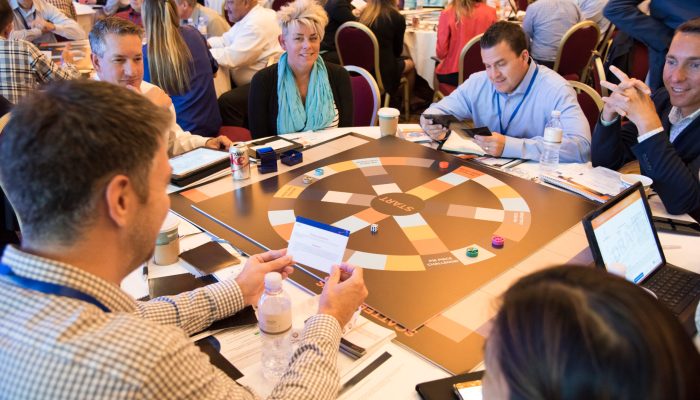
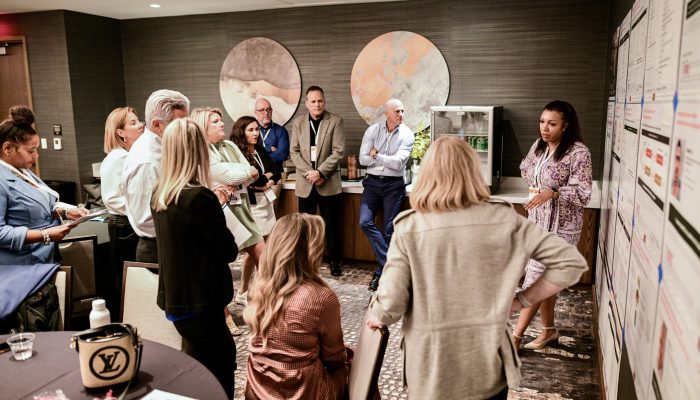
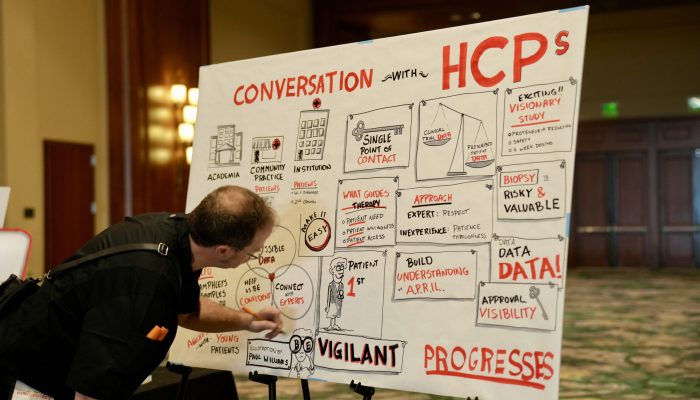
Experiential learning and knowledge retention are closely connected because people often remember ideas more effectively when they actively participate in the learning process. Activities, discussions, demonstrations, simulations, and practical examples can help transform abstract information into something more meaningful.
For organizations designing training experiences, the goal is not simply to make sessions more entertaining. The goal is to create conditions where people can understand information and recognize how it applies in real situations.
- Connect new information to existing knowledge: Familiar contexts make new concepts easier to understand and recall.
- Practice decisions and behaviors: Applying ideas during a learning experience can reinforce understanding.
- Create shared meaning: Group discussions and collaborative activities help teams align around important messages.
This approach is particularly relevant for organizations managing complex communication challenges. A product launch, sales meeting, or leadership summit often involves information that needs to be understood consistently across different audiences. A carefully designed experience can help turn key messages into memorable moments.
Learning Experience Design Creates More Engaging Training Outcomes
Learning experience design focuses on how people interact with information rather than only what information is presented. It considers audience needs, learning goals, content structure, technology, facilitation, and the environment where learning takes place.
A strong learning experience starts with a clear objective. Teams need to understand what participants should know, feel, or do after the experience. From there, every element of the program can support that outcome, from storytelling and visuals to interactive learning moments and follow-up activities.
Research and industry perspectives increasingly emphasize the shift toward more personalized and skills-focused learning approaches. AI-powered learning is being explored as a way to create more adaptive pathways, connect learning to performance, and move beyond static training models.
While technology can support learning, the effectiveness of a program still depends on thoughtful design. Tools and platforms are most valuable when they support meaningful interaction, relevant content, and clear connections between learning objectives and business priorities.
For corporate learning teams, this means evaluating training programs based on more than attendance or completion. The more important question is whether participants leave with knowledge they can use.
The Role of Audience Engagement in Knowledge Retention
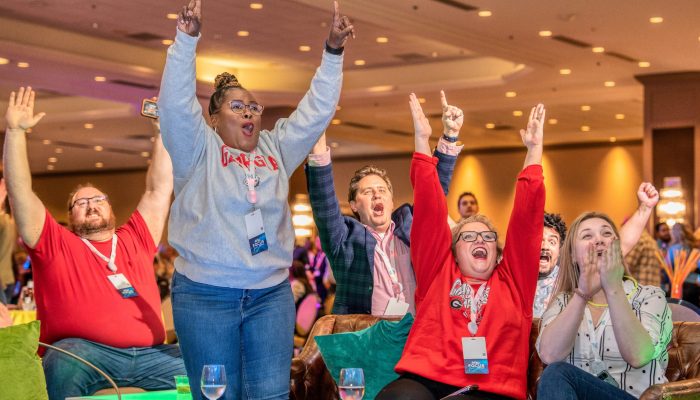
Audience engagement is a critical part of effective learning experiences because attention alone does not guarantee understanding. Participants need reasons to interact with ideas and connect them to their own experiences.
Engagement can take many forms. It may involve discussion-based learning, interactive demonstrations, collaborative problem-solving, live participation, or digital elements that support different learning preferences. The right approach depends on the audience, the message, and the desired outcome.
For meetings and events, engagement also helps organizations create alignment. When employees, partners, or customers participate in an experience together, they can develop a shared understanding of priorities and expectations.
This is especially important when organizations use events for communication and learning. A successful experience does not end when the session concludes. The strongest programs give participants a clear connection between the experience and the actions they need to take afterward.
Designing Corporate Learning Experiences Around Business Goals
Effective corporate learning strategies begin by connecting education with organizational objectives. Training should support real business needs, whether that means preparing teams for change, improving product knowledge, strengthening leadership communication, or building new capabilities.
Successful learning programs often focus on measurable outcomes and practical application rather than treating training as a separate activity. Successful learning programs commonly combine structured learning with opportunities for employees to apply new skills in real situations.
For event production and learning teams, this means designing experiences where every element has a purpose. Content, production choices, technology, and audience interaction should work together to support the intended message.
At DEVLINHAIR Production & Learning, effective experience design begins with a clear strategic foundation. We design and produce action-driven meetings, live events, and training experiences that move audiences.
This approach reflects the importance of aligning creative execution with learning goals. Whether an organization is planning a training experience, leadership meeting, or hybrid program, the focus should remain on helping audiences understand, engage, and retain what matters most.
Applying Learning Experience Principles to Meetings, Events, and Training
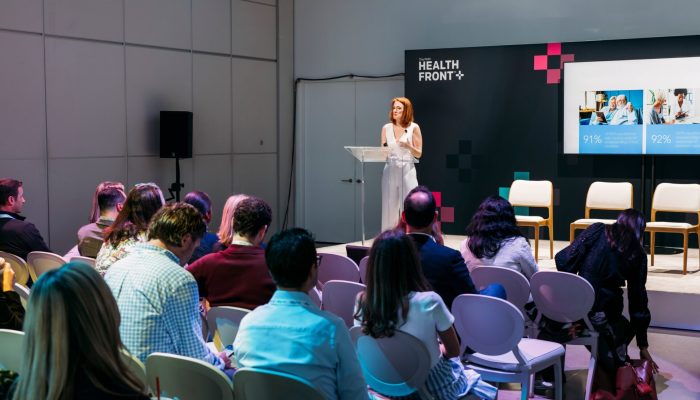
Learning does not happen only inside traditional classrooms. Corporate meetings, product launches, sales events, and leadership gatherings can all become opportunities for meaningful learning when they are intentionally designed.
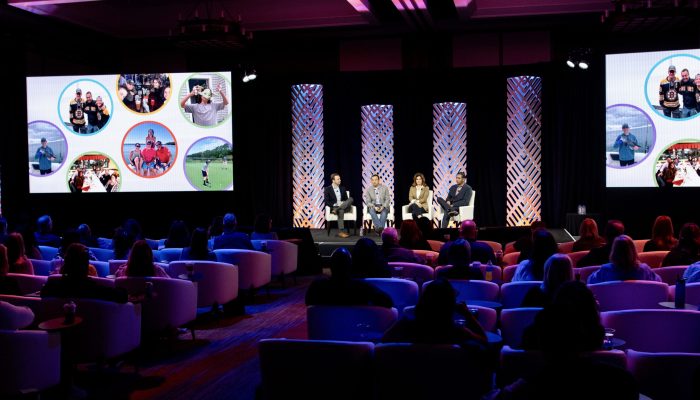
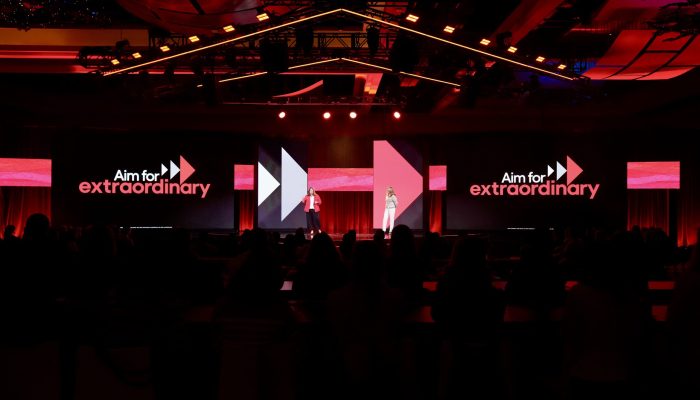
A product launch, for example, may require teams to understand a complex offering, communicate key messages, and confidently share information with customers. A leadership summit may need to align teams around priorities and encourage action after the event. A training program may need to build practical skills that employees can use immediately.
In each case, the experience itself influences how information is received and remembered. The combination of storytelling, production strategy, interaction, and audience engagement can help organizations create stronger connections between messages and outcomes.
Hybrid capabilities also provide additional opportunities for organizations that need to connect distributed audiences. However, successful hybrid experiences require more than adding a virtual component. They require intentional design that considers participation, communication, and engagement across different environments.
By treating events and training programs as learning experiences rather than simple information exchanges, organizations can create moments that support understanding long after the event ends.
Building More Memorable Learning Experiences
Improving knowledge retention starts with understanding the audience and designing around how people learn. The most effective programs combine relevant content, meaningful interaction, and clear business purpose.
For learning and development leaders, corporate trainers, and business teams, the opportunity is to create experiences that help people move from awareness to action. When participants understand why information matters and how it applies to their role, learning becomes more valuable and easier to retain.
As organizations continue to invest in meetings, training programs, and audience engagement, the focus should remain on purposeful experience design. The question is not only how much information can be shared, but how effectively that information can become knowledge that people remember and use.
Frequently Asked Questions
How do learning experiences improve knowledge retention?
Learning experiences improve knowledge retention by helping participants actively engage with information, connect concepts to real situations, and apply what they learn. For corporate meetings, training experiences, and live events, purposeful design can help audiences remember key messages and use new knowledge after the experience ends.
What role does learning experience design play in employee training knowledge retention?
Learning experience design improves employee training knowledge retention by creating structured experiences that consider learning goals, audience needs, interaction, and practical application. It helps organizations move beyond information delivery and create training programs that support understanding, engagement, and long-term behavior change.
How can interactive learning methods support corporate learning strategies?
Interactive learning methods support corporate learning strategies by encouraging participation through discussions, demonstrations, collaboration, and practical exercises. These approaches can strengthen audience engagement during training programs, leadership meetings, product launches, and other learning-focused experiences.
Disclaimer: The above helpful resources content contains general insights and perspectives for informational purposes only. The information provided is for general knowledge and does not constitute professional advice.
You may also be interested in: Why Event Production Planning Starts Long Before Show Day
When your most important meeting, launch, summit, or training experience needs to move people, every detail matters. Strategy guides the work. Creativity shapes the story. Precision brings it to life. DEVLINHAIR Production & Learning designs and produces action-driven meetings, live events, and training experiences that move audiences. From our New York City studio, DEVLINHAIR helps organizations bring complex ideas, leadership priorities, and learning moments to life with clarity, purpose, and production precision. Ready to create a hybrid experience your audience can follow, feel, and act on? Let’s talk.
Powered by flareAI.co