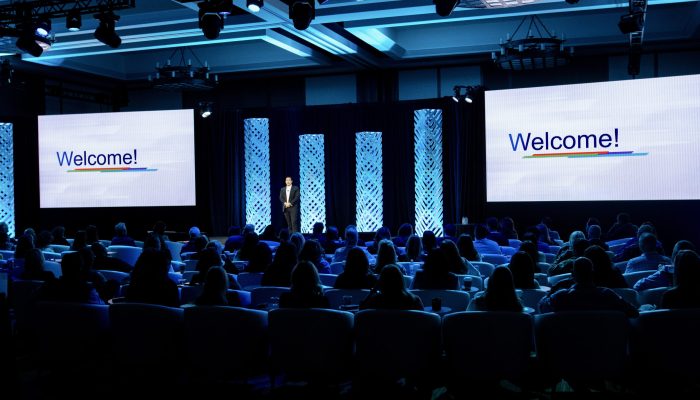
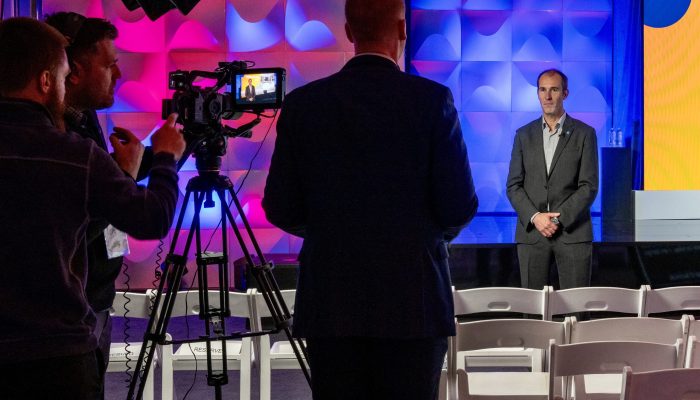
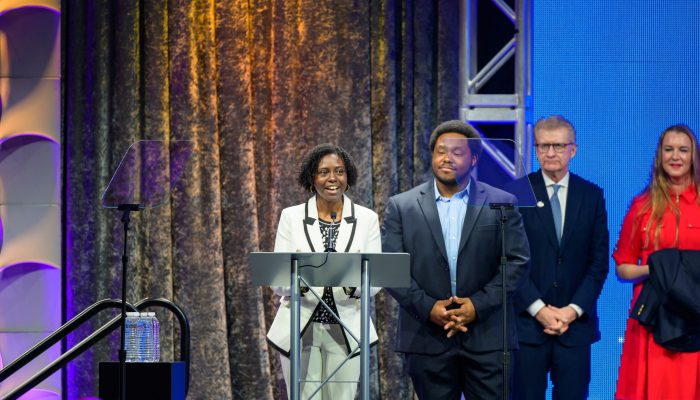
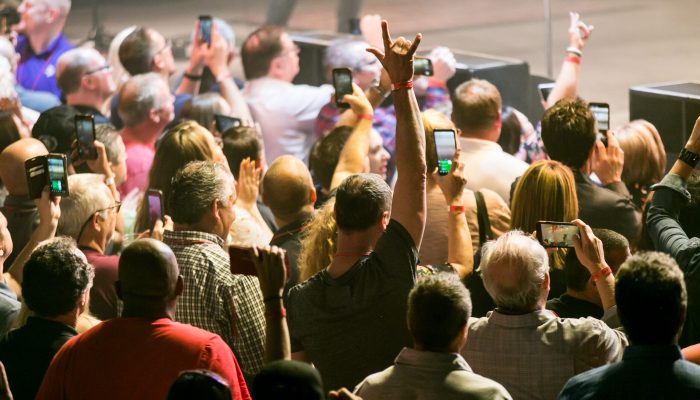
When a company invests in a leadership summit, product launch, or training program, the true measure of success goes far beyond attendance numbers or immediate feedback. The real challenge lies in understanding how these experiences drive lasting behavioral change, stronger alignment, and measurable business results. Data analytics have become essential tools for turning memorable moments into quantifiable outcomes, helping organizations refine their approach to experiential marketing campaigns.
When your most important meeting, launch, summit, or training experience needs to move people, every detail matters. Strategy guides the work. Creativity shapes the story. Precision brings it to life. DEVLINHAIR Production & Learning designs and produces action-driven meetings, live events, and training experiences that move audiences. From our New York City studio, DEVLINHAIR helps organizations bring complex ideas, leadership priorities, and learning moments to life with clarity, purpose, and production precision. Ready to create a hybrid experience your audience can follow, feel, and act on? Let’s talk.
Understanding the Measurement Challenge in Experiential Campaigns
Experiential marketing campaigns create powerful connections through live events, hybrid formats, and immersive brand activations. Yet many teams struggle to demonstrate their full impact to stakeholders. Traditional metrics like headcounts or social impressions fall short of revealing deeper engagement or long-term value.
For corporate communications and learning leaders, this gap creates real obstacles. Without clear evidence of effectiveness, securing budget for future meetings, events, and training experiences becomes harder. Data analytics address this by providing concrete ways to track audience interactions, message retention, and action taken after the experience ends.
DEVLINHAIR Production & Learning focuses on designing these purposeful experiences where strategy guides the work, creativity shapes the story, and precision brings it to life. This approach helps organizations produce action-driven meetings, live events, and training experiences that move audiences. Analytics ensure those designs deliver the intended results.
Setting Clear Objectives Before the Experience Begins
Successful measurement starts well before the first attendee arrives. Leading teams define specific goals tied to business priorities whether strengthening team alignment during a leadership summit, driving adoption during a product launch, or improving knowledge retention in corporate training.
Key performance indicators should reflect both immediate engagement and longer-term outcomes. This might include session participation patterns, interaction quality in hybrid environments, or post-event application of concepts learned. Establishing these benchmarks early creates a framework for meaningful evaluation rather than retroactive guesswork.
By aligning metrics with strategic objectives from the outset, event planners and learning designers can focus their efforts where they matter most. This proactive stance transforms data from a reporting burden into a strategic asset for refining future programs.
Leveraging Data for Real-time Adaptation
Modern experiential marketing analytics enable teams to monitor engagement as it happens. Heat maps of booth interactions, poll response rates during hybrid sessions, and real-time sentiment signals help producers make immediate adjustments to keep audiences connected.
In live and hybrid event settings, this capability proves particularly valuable. Organizers can identify which breakout topics generate the strongest participation or which elements of a brand activation resonate most deeply. These insights allow for on-the-fly enhancements that improve the overall experience for participants.
The result is more dynamic programming that responds to actual audience behavior rather than assumptions. For training experiences and leadership summits, this adaptability helps maintain momentum and ensures key messages land effectively across different formats and audience segments.
Segmenting Audiences to Uncover Deeper Insights
Not every attendee engages with an experience in the same way. Data analytics help marketing and learning teams segment audiences based on behavior, role, or engagement patterns. This reveals which groups connect most strongly with specific content or activities.
Understanding these differences allows for more targeted follow-up and personalized reinforcement of core messages. Sales enablement leaders, for instance, might discover that certain interactive elements drive higher post-event pipeline activity among field teams. Learning and development professionals can identify which training modules yield the strongest knowledge application.
This segmentation moves beyond surface-level demographics to behavioral insights that inform both current campaign optimization and future experience design. It helps ensure that corporate meetings and brand activations deliver value to every participant group.
Connecting Experiences to Tangible Business Results
The strongest experiential marketing analytics link event activities directly to organizational outcomes. By tracking post-event behaviors such as application of training concepts, follow-through on strategic initiatives, or changes in engagement metrics teams can demonstrate clear return on investment.
Proving the ROI of experiential marketing is increasingly dependent on the use of data to track meaningful audience interactions and conversion outcomes. By establishing clear objectives and key performance indicators before an event, marketers can monitor everything from social media engagement to product trial participation and post-event purchase behavior. Advanced analytics platforms provide real-time insights into attendee behavior, allowing teams to adapt activations on the fly and maximize impact. Data also enables segmentation of audience responses, showing which experiences resonate with different demographics and helping marketers refine targeting strategies. The insights gained go beyond mere metrics they inform creative decisions, support storytelling, and demonstrate the tangible value of experiential campaigns to senior leadership. Furthermore, comprehensive data analysis facilitates post-event reporting, illustrating how the campaign contributes to broader marketing and business goals. This approach ensures that investments in experiential marketing are measurable, repeatable, and optimized for future campaigns, highlighting the growing importance of analytics in modern brand experience design.
For hybrid events and immersive training programs, this means evaluating not just participation but actual outcomes: Are teams better aligned? Have product launch messages translated into stronger sales conversations? Are learning objectives leading to improved performance? These connections strengthen the case for continued investment in high-quality experience production.
Best Practices for Effective Event Data Strategy
Implementing a successful analytics approach requires thoughtful integration rather than bolting on tools after the fact. Teams should select platforms that capture relevant data across live, hybrid, and digital touchpoints without creating friction for participants.
Combining quantitative metrics with qualitative feedback provides the fullest picture. While data reveals patterns in engagement, attendee comments and observations add essential context for understanding why certain elements succeeded or needed refinement.
Regular review cycles help organizations build institutional knowledge over time. What worked in one leadership summit can inform the next product launch or training series. This iterative process elevates experiential marketing from isolated events to a strategic capability.
Applying Insights to Future Programs
The true power of experiential marketing analytics emerges when insights inform subsequent designs. Teams that systematically review data can refine hybrid capabilities, enhance audience engagement tactics, and strengthen overall production strategy.
Leveraging data effectively allows brands to quantify the true impact of experiential marketing campaigns beyond traditional metrics like attendance or impressions. By integrating analytics tools, marketers can track engagement across multiple touchpoints, monitor social media interactions, and measure the conversion of participants into loyal customers. This approach enables precise audience segmentation, helping teams understand which demographics or behaviors respond best to different types of experiences. Additionally, data-driven insights inform iterative improvements, ensuring that each activation becomes more efficient and impactful. For marketing teams, this means campaigns can be optimized in real time, from adjusting on-site engagement strategies to tailoring post-event follow-up content. Importantly, data also supports ROI reporting to stakeholders, translating creative experiential moments into tangible business results. By combining qualitative feedback with quantitative analytics, brands gain a holistic view of audience response, guiding future strategy and helping justify budget allocations for experiential initiatives.
For organizations planning regular corporate meetings, sales kickoffs, or learning programs, this data-driven evolution leads to increasingly effective experiences that better serve their audiences and business goals.
Data analytics have fundamentally changed how organizations evaluate and improve their experiential marketing campaigns. By moving beyond vanity metrics to meaningful insights about engagement, alignment, and impact, teams can make stronger cases for these investments while continuously enhancing the quality of their live events, hybrid experiences, and training programs. For leaders seeking to maximize the return on their most important audience moments, embracing thoughtful measurement strategies represents a critical competitive advantage.
Frequently Asked Questions
How can data analytics measure the ROI of experiential marketing campaigns?
Data analytics measure experiential marketing ROI by tracking meaningful audience interactions and conversion outcomes beyond basic attendance numbers. Teams establish clear KPIs before the event such as post-event purchase behavior, social media engagement, and product trial participation then use analytics platforms to connect those activities to tangible business results. This approach translates creative experiential moments into quantifiable outcomes that can be reported to senior leadership and used to justify future budget allocations.
What metrics should event planners track to evaluate the success of a live or hybrid event?
Effective event measurement goes beyond headcounts and social impressions to include session participation patterns, real-time sentiment signals, poll response rates, and post-event application of key concepts. For hybrid events specifically, heat maps of booth interactions and breakout topic engagement help identify which elements resonated most with different audience segments. Combining these quantitative metrics with qualitative attendee feedback provides the fullest picture of overall event effectiveness.
How do experiential marketing analytics improve future corporate events and training programs?
By systematically reviewing data from each event, organizations build institutional knowledge that directly informs the design of future programs refining hybrid capabilities, enhancing audience engagement tactics, and strengthening production strategy. Audience segmentation insights reveal which content or interactive elements drive the strongest response among specific groups, enabling more targeted follow-up and personalized reinforcement. This iterative, data-driven process transforms isolated events into a continuous strategic capability that grows more effective over time.
Disclaimer: The above helpful resources content contains general insights and perspectives for informational purposes only. The information provided is for general knowledge and does not constitute professional advice.
You may also be interested in: THE POSSIBILITIES ARE LIMITLESS
When your most important meeting, launch, summit, or training experience needs to move people, every detail matters. Strategy guides the work. Creativity shapes the story. Precision brings it to life. DEVLINHAIR Production & Learning designs and produces action-driven meetings, live events, and training experiences that move audiences. From our New York City studio, DEVLINHAIR helps organizations bring complex ideas, leadership priorities, and learning moments to life with clarity, purpose, and production precision. Ready to create a hybrid experience your audience can follow, feel, and act on? Let’s talk.
Powered by flareAI.co