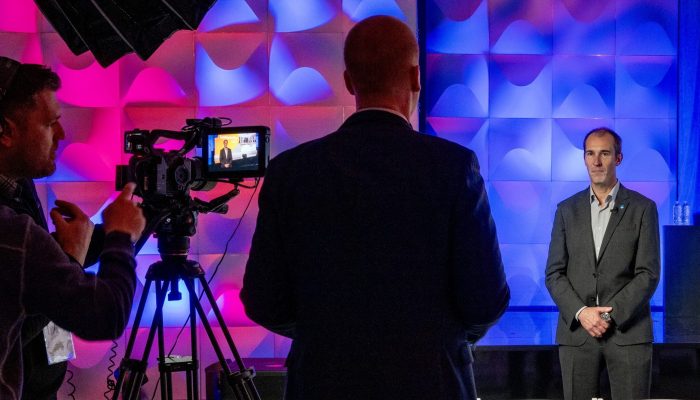
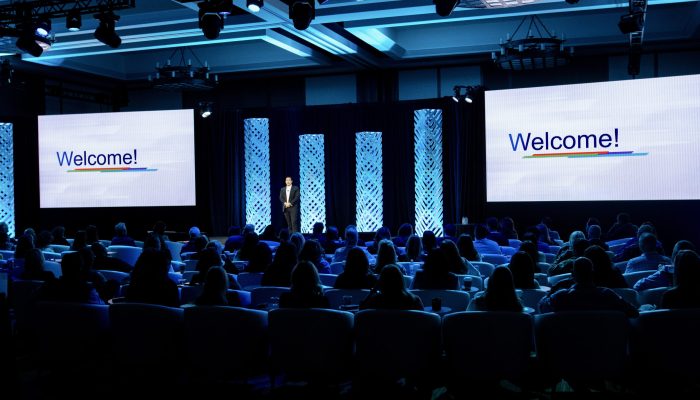
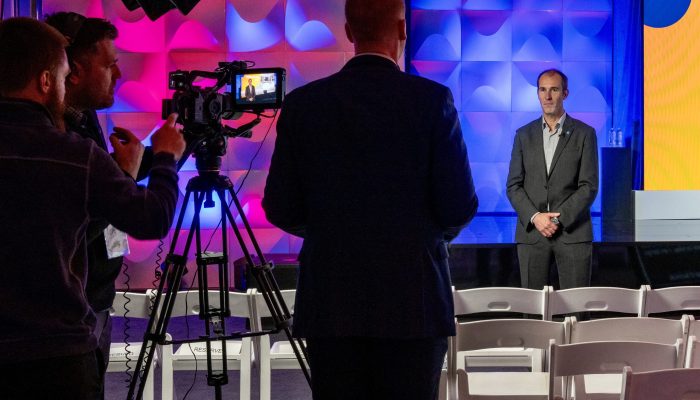
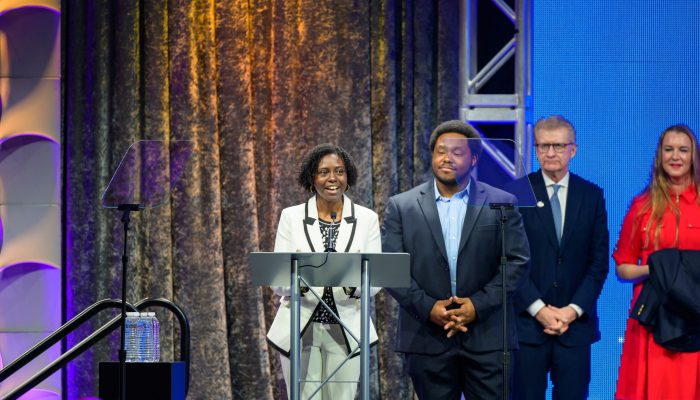
When a brand brings audiences together whether for a product launch, leadership summit, or customer experience program the goal extends far beyond delivering information. The real challenge lies in creating moments that foster genuine connection, reinforce key messages, and drive measurable alignment with broader business objectives. Experiential marketing is evolving to meet this need by shifting from standalone activations to a more integrated role within the overall brand strategy.
When your most important meeting, launch, summit, or training experience needs to move people, every detail matters. Strategy guides the work. Creativity shapes the story. Precision brings it to life. DEVLINHAIR Production & Learning designs and produces action-driven meetings, live events, and training experiences that move audiences. From our New York City studio, DEVLINHAIR helps organizations bring complex ideas, leadership priorities, and learning moments to life with clarity, purpose, and production precision. Ready to create a hybrid experience your audience can follow, feel, and act on? Let’s talk.
Why Experiential Marketing Is Becoming More Strategic
Brands today face increasing pressure to demonstrate clear returns on their marketing investments. Rather than treating experiential initiatives as isolated tactics for awareness, forward-thinking organizations are embedding them deeply into their brand playbooks. This strategic shift allows experiences to support customer retention, lead generation, and long-term loyalty while reinforcing core messaging across channels.
The change reflects a broader recognition that memorable interactions can influence perceptions and behaviors more effectively than traditional advertising alone. By aligning live and hybrid experiences with specific business goals, marketing teams can create touchpoints that feel purposeful rather than promotional. This approach helps bridge the gap between what a brand says and how audiences experience it.
Experiential marketing is increasingly being integrated into broader brand strategies, moving beyond stand-alone activations to become a core component of marketing plans. Brands are now designing experiences that align tightly with business objectives, such as customer retention, lead generation, and brand loyalty, rather than focusing solely on awareness. Data-driven insights are being used to shape activations, from understanding audience preferences to measuring engagement and post-event behavior. This strategic approach allows marketers to tailor experiences that resonate with specific segments and deliver measurable ROI. For companies looking to strengthen their brand impact, strategic approaches to experiential marketing now require careful planning, alignment with brand messaging, and thoughtful integration across digital, social, and in-person touchpoints. The trend underscores the need for marketers to move past generic or purely entertaining events and instead create experiences that influence perceptions, deepen relationships, and contribute to long-term business goals.
Aligning Experiences With Business Objectives
Effective experiential marketing starts with strategy. Organizations are moving away from generic activations toward designs that directly support priorities like team alignment, product adoption, or customer engagement. For corporate meetings and leadership programs, this means crafting environments where participants not only absorb information but also internalize it through interactive elements and purposeful storytelling.
In product launches and training experiences, strategic experiential design helps make complex ideas tangible. Attendees leave with clearer understanding of their role in larger initiatives and greater confidence to act on new information. This alignment transforms events from nice-to-have occasions into essential business tools.
DEVLINHAIR Production & Learning exemplifies this integrated mindset. For DEVLINHAIR Production & Learning, effective experience design starts with a clear strategic foundation. Strategy guides the work. Creativity shapes the story. Precision brings it to life. That approach helps organizations design and produce action-driven meetings, live events, and training experiences that move audiences.
The Growing Importance of Hybrid Capabilities
Hybrid event formats have become essential for reaching both in-person and remote participants without compromising quality. Rather than viewing hybrid as an add-on, leading brands treat it as a core design principle that expands access while maintaining engagement.
Strong hybrid capabilities allow organizations to deliver consistent experiences across locations and time zones. This flexibility proves particularly valuable for global teams or distributed workforces, enabling meaningful participation regardless of physical presence. Production teams focus on seamless technology integration, thoughtful content layering, and interaction opportunities that work equally well for all attendees.
When executed well, hybrid experiences strengthen message alignment and support broader learning and development goals. They help ensure that key stakeholders whether in the room or joining virtually feel equally connected to the content and each other.
Creating Deeper Audience Engagement
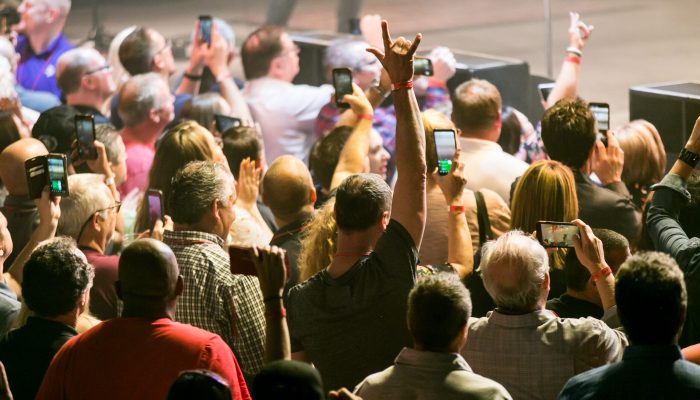
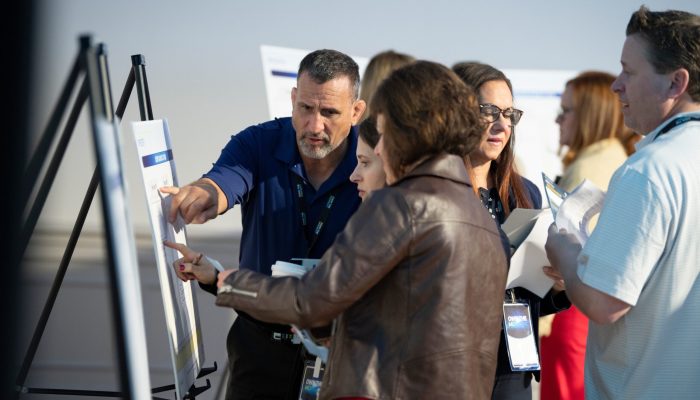
Modern audiences expect more than passive observation. Strategic experiential marketing incorporates interactive elements that encourage participation and personal connection. This might include hands-on demonstrations, facilitated discussions, or technology-enabled networking that extends the experience beyond the event itself.
By designing for engagement, brands can gather valuable insights into audience preferences and behaviors. This data-driven approach informs future initiatives and helps refine messaging for greater resonance. The result is experiences that feel tailored rather than templated, fostering stronger emotional connections and brand affinity.
Experiential activations are shifting toward a more strategic, brand-driven approach, emphasizing alignment between live experiences and broader marketing objectives. Brands are increasingly seeking to create meaningful interactions that evoke emotional engagement and build long-term loyalty rather than simply capturing attention in the moment. Successful activations leverage immersive design, storytelling, and interactive elements that invite participation and personal connection. Integrating these experiences with digital channels amplifies reach and allows for data capture, helping brands refine future campaigns and measure impact more accurately. This strategy is particularly valuable for product launches, seasonal campaigns, and loyalty programs, where the goal is not only immediate engagement but also reinforcing brand identity and trust. By connecting experiential events to measurable outcomes, marketing teams can justify investments, optimize budgets, and strengthen the overall brand ecosystem. Brand-driven experiential activations succeed when they prioritize emotional engagement and long-term relationship building over momentary attention.
Real-World Applications in Corporate Settings
Many organizations now use experiential strategies for high-stakes moments such as sales kickoffs, customer summits, and internal training programs. These events serve dual purposes: delivering critical information while creating shared memories that reinforce culture and commitment.
For instance, immersive brand experiences can help sales teams better understand and articulate new product benefits. Similarly, leadership summits designed with strategic experiential elements often yield higher levels of alignment and follow-through on strategic initiatives. The key is ensuring every element supports the desired outcomes rather than serving as decoration.
Practical Considerations for Implementation
Brands looking to elevate their experiential marketing should begin with clear objectives. What specific business outcomes should the experience support? How will success be measured? Answering these questions early guides every subsequent decision about format, content, and production.
Collaboration between strategy, creative, and production teams is essential. Early integration prevents common pitfalls such as technology issues or misaligned messaging. Testing concepts with small groups can also help refine ideas before full-scale execution.
Finally, planning for post-event follow-through ensures the momentum continues. Strategic experiential marketing extends beyond the live moment through targeted communications, resources, and measurement that track lasting impact.
The Future of Strategic Experiences
As competition for audience attention intensifies, experiential marketing will likely play an even more central role in brand strategies. Organizations that master the integration of live, hybrid, and digital elements will be better positioned to create meaningful connections that drive results.
The most successful approaches will continue to prioritize strategy, creativity, and precision qualities that transform good events into powerful business assets. For teams responsible for corporate communications, learning programs, or brand experiences, investing in strategic experiential design represents an opportunity to deliver greater value to their organizations.
By treating experiential marketing as a core strategic pillar rather than a tactical execution, brands can create more impactful moments that resonate long after the event concludes. This evolution positions organizations to build stronger relationships, improve alignment, and achieve measurable business outcomes through thoughtfully designed experiences.
Frequently Asked Questions
Disclaimer: The above helpful resources content contains general insights and perspectives for informational purposes only. The information provided is for general knowledge and does not constitute professional advice.
You may also be interested in: DEVLINHAIR Production & Learning
When your most important meeting, launch, summit, or training experience needs to move people, every detail matters. Strategy guides the work. Creativity shapes the story. Precision brings it to life. DEVLINHAIR Production & Learning designs and produces action-driven meetings, live events, and training experiences that move audiences. From our New York City studio, DEVLINHAIR helps organizations bring complex ideas, leadership priorities, and learning moments to life with clarity, purpose, and production precision. Ready to create a hybrid experience your audience can follow, feel, and act on? Let’s talk.
Powered by flareAI.co