When a marketing team needs people to understand a complex message, remember it, and do something with it, the choice of channel matters. Traditional marketing can build awareness efficiently through paid media, email, print, broadcast, and other one-way formats. Experiential marketing takes a different approach: it gives audiences an opportunity to participate in a message through a live, immersive, virtual, or hybrid experience. That distinction matters for organizations planning product launches, leadership meetings, sales meetings, training programs, and other high-stakes moments where attention alone is not enough. The real question is not whether one approach should replace the other, but where each is most effective and how experience-led engagement can strengthen the broader communications strategy.
When your most important meeting, launch, summit, or training experience needs to move people, every detail matters. Strategy guides the work. Creativity shapes the story. Precision brings it to life. DEVLINHAIR Production & Learning designs and produces action-driven meetings, live events, and training experiences that move audiences. From our New York City studio, DEVLINHAIR helps organizations bring complex ideas, leadership priorities, and learning moments to life with clarity, purpose, and production precision. Ready to create a hybrid experience your audience can follow, feel, and act on? Let’s talk.
What Is the Difference Between Experiential Marketing and Traditional Marketing?
The simplest distinction is participation versus exposure. Traditional marketing generally delivers a message to an audience through an established channel. A television commercial, digital advertisement, direct-mail piece, or email campaign can communicate a proposition without requiring the audience to interact with the brand in a meaningful way.
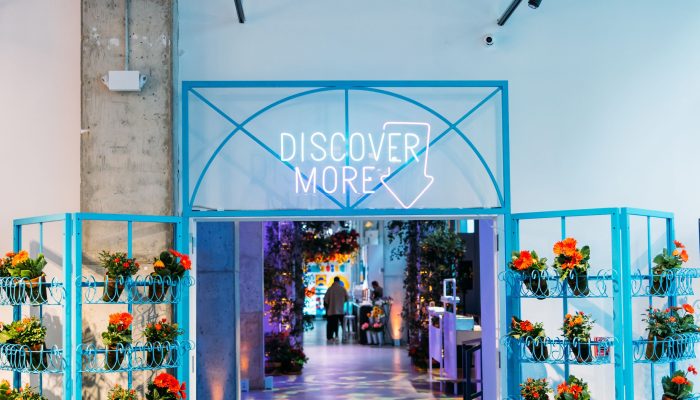
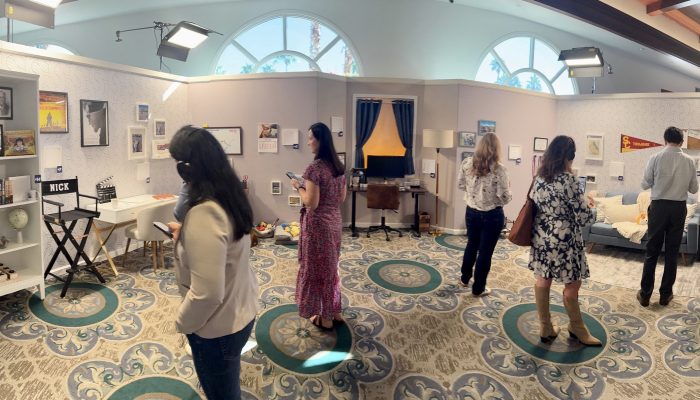
Experiential marketing is designed around the audience’s involvement. Instead of simply seeing or hearing a message, participants may interact with a product, enter an environment, take part in an activity, hear a story, collaborate with colleagues, or experience content through a combination of physical and digital elements. The experience becomes part of the communication.
That difference also changes how the work is designed. Traditional marketing often asks, “How do we reach the right people with the right message?” Experience-led work adds another question: “What do we want people to understand, feel, remember, or do after they participate?”
This makes experiential marketing particularly relevant when communication needs to move beyond awareness. A product launch may need to make a new offering tangible. A leadership summit may need to align employees around a strategic priority. A training experience may need to help participants apply information rather than simply receive it. In each case, the format is part of the message.
How Traditional Marketing and Experiential Marketing Engage Audiences
Traditional marketing remains valuable because it is well suited to consistent message delivery and broad awareness. Organizations can use established channels to reinforce positioning, introduce an idea, support a campaign, or maintain communication over time. Repetition can help establish familiarity, while targeted distribution can put a message in front of defined audiences.
Experiential marketing approaches engagement differently. The audience is not simply a recipient of communication; participation becomes an important part of the experience. That can create opportunities for questions, discussion, demonstration, collaboration, and immediate feedback.
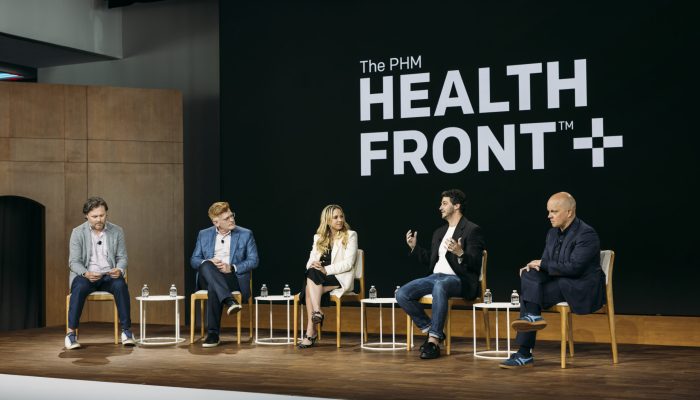
This distinction is especially useful in corporate environments. Consider a leadership meeting built around a major organizational change. A presentation can explain the strategy. An experience can give leaders a structured opportunity to work through the implications, discuss scenarios, and connect the strategy to their own responsibilities. The communication becomes more active because participants have a role in it.
Research cited by EventTrack 2026 data also points to the educational role of events, with B2B attendees reporting that participation can leave them more educated. That is an important distinction for organizations using experiences for communication and learning: engagement does not have to be separate from information transfer.
Experiential Marketing Benefits Go Beyond Attention
One of the common misconceptions about experiential marketing is that its primary purpose is to create something visually impressive. Strong experience design can certainly capture attention, but attention is only the starting point. The more important question is what happens after the audience has engaged.
A well-designed experience can help make an abstract message concrete. A complex product story can be demonstrated rather than described. A new strategic direction can be explored through facilitated interaction. A training concept can move from presentation into practice. A sales meeting can create shared energy around a common objective while still giving participants useful information.
This is where experiential marketing and brand engagement intersect. Engagement is more meaningful when the experience has a clear purpose. Every environment, activity, piece of content, speaker moment, and technology choice should contribute to what the audience needs to understand or accomplish.
Current industry research also suggests that experience-led marketing is being evaluated for outcomes beyond impressions. Experience-led commerce research describes how brands are connecting experiential touchpoints with digital data and broader marketing activity. The lesson for corporate teams is straightforward: an experience does not have to sit outside the performance conversation. It can be designed as part of a measurable communications journey.
When Traditional Marketing Strategies Make More Sense
Understanding the strengths of traditional marketing is just as important as understanding the value of experiential approaches. Not every communication challenge requires a live or interactive experience.
Traditional channels can be particularly useful when an organization needs to deliver a straightforward message consistently to a defined or broad audience. They can support campaign awareness, reinforce a launch message, provide reminders, or maintain communication before and after an event or experience.
They can also provide the surrounding structure for an experiential initiative. An organization might use email and digital advertising to build awareness before a launch, an in-person or hybrid experience to deepen engagement, and follow-up communications to reinforce the message afterward. In that model, traditional and experiential approaches are not competing systems. They perform different jobs within the same communications strategy.
The strongest decision therefore starts with the objective rather than the format. If the goal is primarily awareness, a conventional channel may be sufficient. If the goal involves demonstration, alignment, behavior change, collaboration, or deeper understanding, an interactive experience may add value.
Where Experiential Marketing Fits Corporate Meetings and Training
For corporate audiences, the distinction becomes particularly clear in meetings and learning environments. A meeting can deliver information, but its design can also influence whether people connect that information to their roles and remember the key message afterward.
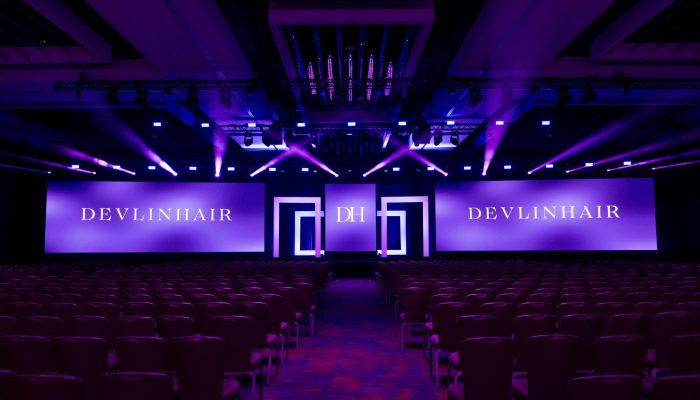
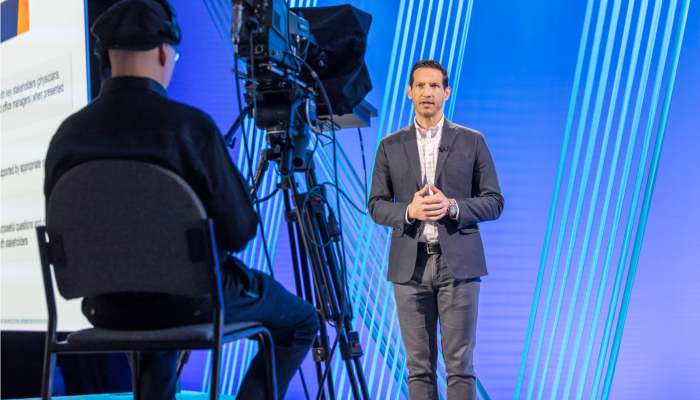
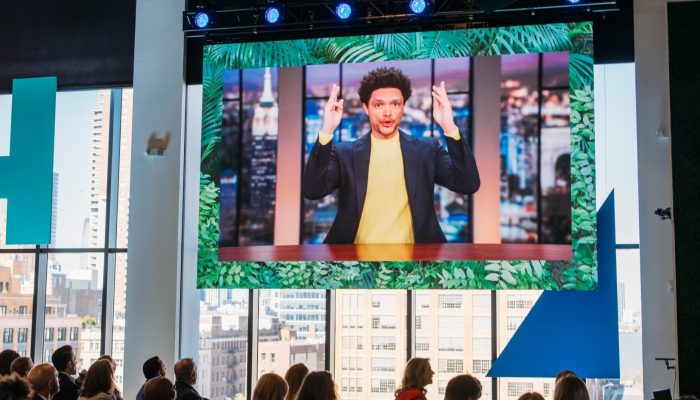
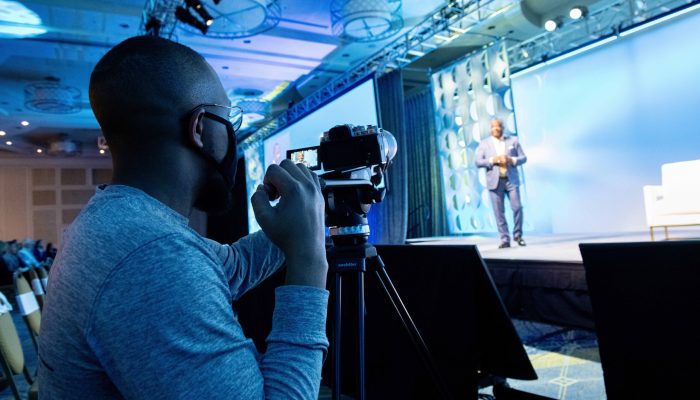
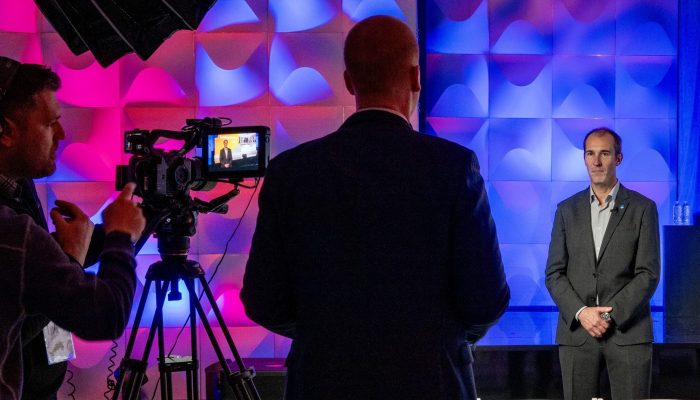
That makes experience design relevant to leadership summits, sales meetings, product launches, training programs, and hybrid events. In each setting, the audience may have different needs, but the underlying challenge is similar: move people from receiving information to engaging with it. Hybrid experiences add another layer of consideration. The remote audience cannot simply be treated as a camera feed watching an in-person room. Hybrid production requires its own approach to participation, pacing, content delivery, interaction, and technical execution. The goal is to make the experience coherent for everyone rather than creating a primary audience and an afterthought.
This is also where production strategy becomes important. Technology should support the intended experience, not become the experience itself. A sophisticated production can still fail if participants do not understand why they are there, what they are expected to do, or how the content connects to the larger objective.
How to Choose Between Experiential and Traditional Approaches
The most useful way to evaluate the two approaches is to begin with the desired audience outcome. Rather than asking which marketing method is better, teams can ask what the audience needs to experience for the communication to succeed.
- Choose traditional channels when reach and consistent message delivery are the priority. Conventional formats can efficiently introduce, reinforce, and distribute information.
- Consider experiential marketing when participation matters. If people need to explore, demonstrate, collaborate, practice, or interact, an experience may be better suited to the objective.
- Use both when the communication journey has multiple stages. Traditional channels can create awareness and continuity, while experiences can provide deeper engagement at important moments.
- Design around the audience outcome. Define what people should understand, remember, feel, or do before selecting the format, technology, or production approach.
- Plan beyond the event itself. Pre-event communication, the live or virtual experience, and follow-up content can work together to reinforce the message and extend its usefulness.
This approach also helps teams avoid treating experiential marketing as a decorative layer added to an existing campaign. When the experience is connected to a clear business or learning objective from the beginning, creative and production decisions become easier to evaluate.
Experiential Marketing vs Traditional Advertising: a Strategic Choice
The difference between experiential marketing and traditional advertising is ultimately less about choosing a winner and more about choosing the right mechanism for the job. Traditional advertising is effective at delivering messages through established channels. Experiential marketing creates opportunities for audiences to engage with those messages through participation and experience.
For organizations responsible for important meetings, launches, training experiences, and leadership communications, that distinction can shape the entire approach to an audience moment. A presentation may explain an idea. A well-designed experience can give people a reason to explore it, discuss it, and connect it to what comes next.
That is why the most effective strategy may not be experiential versus traditional marketing at all. It may be a deliberate combination in which each channel does what it does best. Traditional communications can establish context and continuity, while live, virtual, or hybrid experiences create the deeper moments where understanding and engagement need to happen.
The key is purposeful design. When teams start with the audience, define the desired outcome, and select the format accordingly, experiential marketing becomes more than a way to attract attention. It becomes a strategic tool for bringing important messages to life.
Frequently Asked Questions
What is the difference between experiential marketing and traditional marketing?
Traditional marketing primarily delivers messages through established channels, while experiential marketing focuses on audience participation and interaction. Experiential marketing can be especially useful for corporate meetings, product launches, training experiences, and other situations where deeper understanding and engagement matter.
What are the benefits of experiential marketing for audience engagement?
Experiential marketing can turn audiences from passive recipients into active participants through demonstration, discussion, collaboration, and interaction. When designed around a clear objective, it can help make complex messages more tangible and support stronger engagement in live, virtual, and hybrid experiences.
When should a company use experiential marketing instead of traditional marketing strategies?
Experiential marketing is a strong option when people need to explore, practice, collaborate, demonstrate, or interact with a message rather than simply receive it. Traditional marketing strategies may be more appropriate when the priority is broad awareness or consistent message delivery, while combining both approaches can support a complete communications journey.
Disclaimer: The above helpful resources content contains general insights and perspectives for informational purposes only. The information provided is for general knowledge and does not constitute professional advice.
You may also be interested in: Why Audience Experience Begins With Meeting Design
When your most important meeting, launch, summit, or training experience needs to move people, every detail matters. Strategy guides the work. Creativity shapes the story. Precision brings it to life. DEVLINHAIR Production & Learning designs and produces action-driven meetings, live events, and training experiences that move audiences. From our New York City studio, DEVLINHAIR helps organizations bring complex ideas, leadership priorities, and learning moments to life with clarity, purpose, and production precision. Ready to create a hybrid experience your audience can follow, feel, and act on? Let’s talk.
Powered by flareAI.co