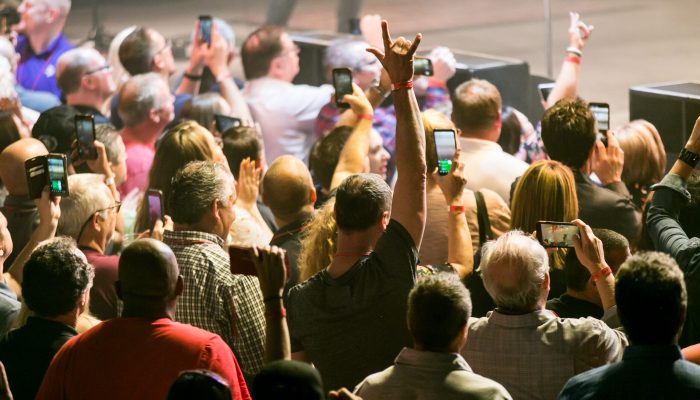
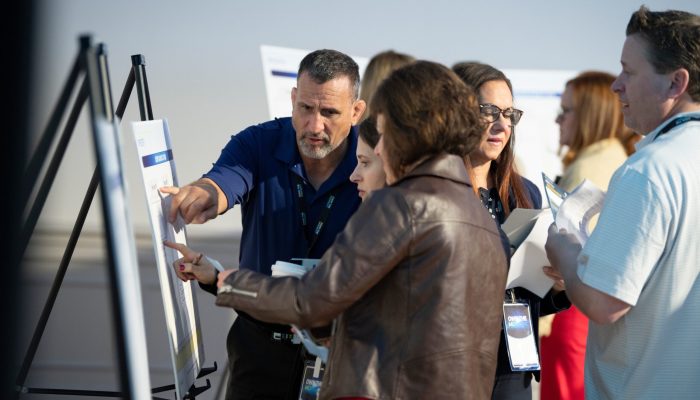
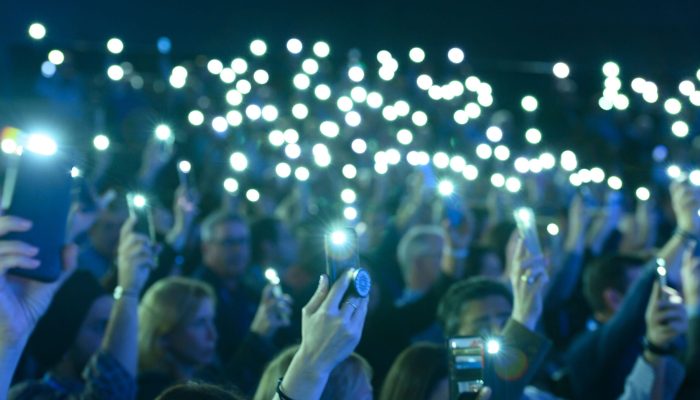
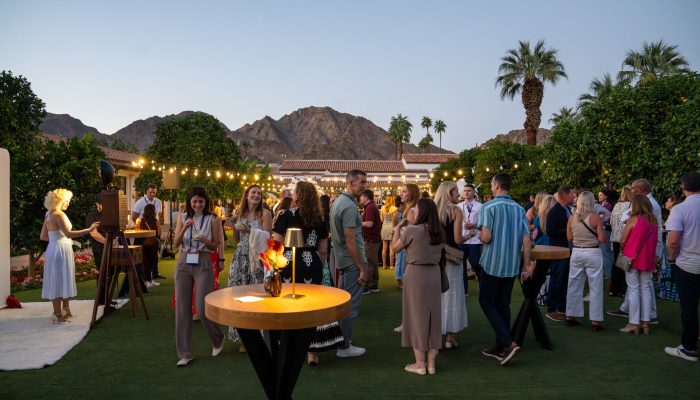
When a company brings people together for a leadership summit, training program, or product launch, the goal is rarely just to share information. The real challenge is helping people understand the message, connect it to their role, and leave ready to act. Production choices everything from staging and lighting to interactive systems and flow management directly shape whether that connection happens. In corporate events, training experiences, and hybrid formats, the venue and its design become the first filter for audience participation. What feels passive or distant can quickly turn into disengagement, while intentional production choices turn attendees into active contributors to the message. Business leaders who understand this link report stronger alignment, better knowledge retention, and more memorable outcomes. The difference comes down to how production decisions anticipate behavior rather than assuming it.
When your most important meeting, launch, summit, or training experience needs to move people, every detail matters. Strategy guides the work. Creativity shapes the story. Precision brings it to life. DEVLINHAIR Production & Learning designs and produces action-driven meetings, live events, and training experiences that move audiences. From our New York City studio, DEVLINHAIR helps organizations bring complex ideas, leadership priorities, and learning moments to life with clarity, purpose, and production precision. Ready to create a hybrid experience your audience can follow, feel, and act on? Let’s talk.
The Role of Immersive Design in Shaping How Audiences Engage
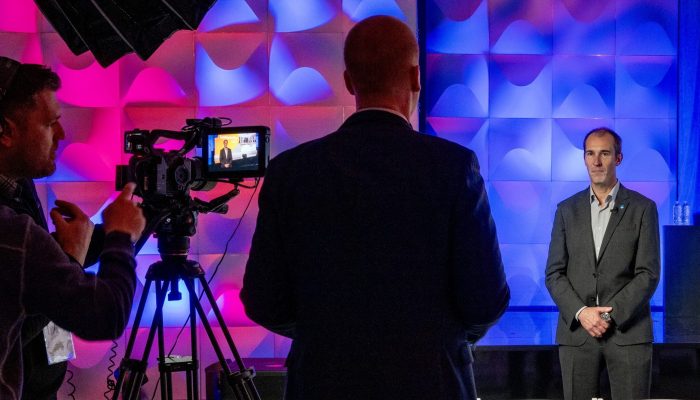
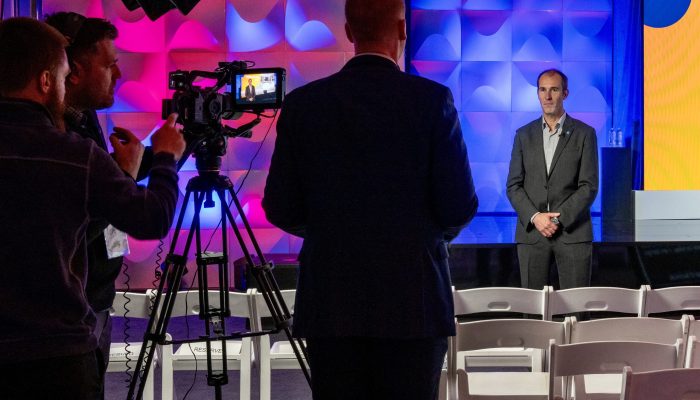
Modern event production moves beyond traditional staging to create environments that actively guide participation. Immersive design transforms physical venues into interactive settings where attendees move, interact, and respond naturally to content. Modular walls, branded installations, and dynamic lighting establish an immediate sense that participation is expected and supported.
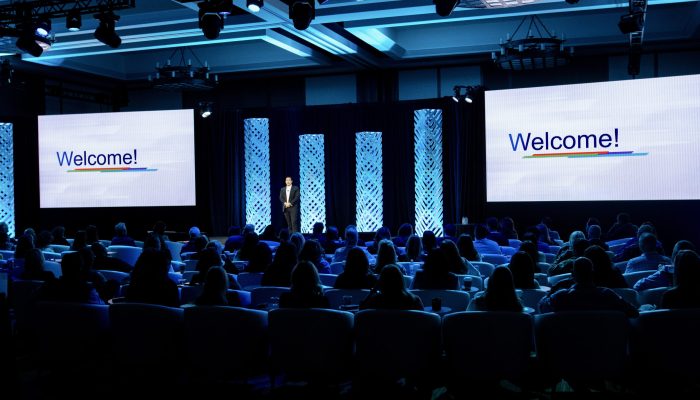
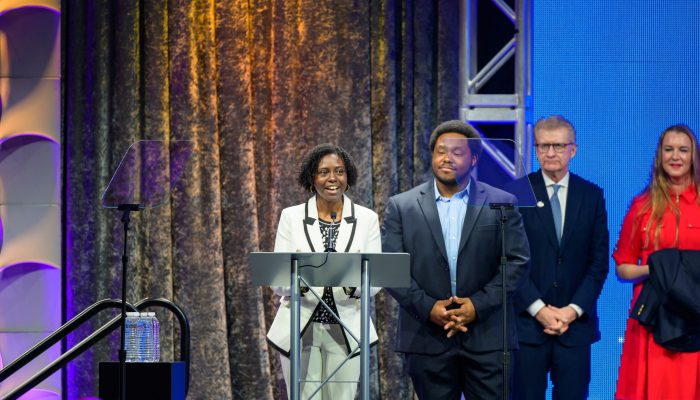
These elements influence gathering patterns and social interaction. High-impact visuals and projection set a polished tone, while interactive staging keeps energy high across sessions. The result is an experience where attendees feel part of the narrative rather than observers of it.
Production teams that treat spaces as designed journeys rather than fixed rooms help maintain focus and encourage follow-through on key messages. This approach aligns with the way organizations need to bring complex ideas to life in ways that feel personal and purposeful.
Key Elements That Drive Engagement Through Design
Four foundational choices consistently elevate participation :
- Customizable and scalable solutions that adapt to venue size, audience scale, and brand identity, ensuring the environment fits the event’s purpose without feeling forced.
- Seamless execution and logistics that remove friction, allowing attention to stay on content and connection rather than setup or movement challenges.
- High-impact visual elements such as modular backdrops and lighting that deliver a strong first impression and reinforce branding.
- Built-in social media-friendly moments that extend the experience beyond the venue and encourage attendees to share their participation.
These choices work together to create environments that support the kind of active involvement organizations seek in corporate meetings and training programs.
How Production Choices Directly Shape Audience Participation
Production decisions go far beyond aesthetics. They influence every stage of the experience from initial arrival to post-event action. Lighting, sound design, and spatial layout all contribute to the emotional rhythm of the program. When chosen thoughtfully, they help attendees stay present and responsive throughout.
Real-time systems that adjust based on movement or input turn static presentations into participatory moments. Smaller, circular layouts in general sessions, for example, foster eye contact and conversation in ways that traditional theater-style setups rarely achieve. Motion graphics synced with audio and lighting bring static rooms to life, deepening the mood and reinforcing key themes without requiring additional presenters.
These technical choices matter because they address the core challenge of distributed or hybrid teams: keeping people connected to both the content and each other. Production that anticipates behavior rather than reacting after the fact reduces distraction and increases the likelihood that messages land with clarity and impact.
Production Choices That Support Stronger Audience Engagement
Effective experience design starts with a clear strategic foundation. Strategy guides the work. Creativity shapes the story. Precision brings it to life. We design and produce action-driven meetings, live events, and training experiences that move audiences.
Production that follows this framework delivers environments where participation feels natural and the outcomes feel purposeful. Corporate event leaders and training teams who apply these principles consistently see higher engagement, clearer message alignment, and experiences that leave lasting impressions on both in-person and remote participants.
Practical Considerations for Strengthening Participation Through Production
Organizations planning their next high-stakes experience should evaluate three areas: flow management, sensory design, and real-time responsiveness. Clear sightlines, flexible seating, and intuitive wayfinding reduce barriers to movement. Layered lighting and audio that shift with the program keep energy aligned with key moments. Responsive systems that adjust based on attendee input allow for immediate adjustments that keep the experience dynamic.
These considerations apply whether the event is a corporate meeting, leadership summit, or training program. Production choices that prioritize participant behavior over rigid layouts consistently yield stronger connection and better results. The takeaway is straightforward: production is not an afterthought but the foundation that determines how deeply audiences engage. By focusing on design that supports interaction, organizations create experiences that do more than inform they inspire action.
Building Experiences That Encourage Long-term Participation
The most successful production strategies leave attendees not only informed but ready to apply what they learned. When production choices support exploration, connection, and follow-through, the impact extends well beyond the event date. This long-term value comes from environments that feel welcoming and effective from the first moment through the final interaction.
Corporate event leaders and training teams who treat production as a strategic asset consistently achieve higher participation rates and stronger outcomes. The difference lies in moving beyond basic setup to creating spaces that anticipate and support the full spectrum of audience needs.
Immersive design plays a central role in shaping how audiences participate in live experiences by transforming physical venues into interactive environments that encourage engagement, movement, and connection. Rather than relying solely on traditional staging or presentation formats, modern event production incorporates customizable design elements such as modular environments, branded installations, and interactive staging that guide attendees through a curated journey. These environments are intentionally structured to encourage exploration and social interaction, with spatial design choices influencing how people gather, network, and respond to content. High-impact visual design elements, including dynamic lighting, projection, and branded scenic structures, help establish a strong first impression that immediately signals participation is expected rather than optional.
Additionally, immersive design increasingly integrates social media-friendly touchpoints, creating visually compelling moments that motivate attendees to capture and share their experience, effectively extending participation beyond the venue. Seamless execution and thoughtful flow management ensure that engagement is not disrupted by logistical friction, allowing attendees to remain focused on content and interaction. Overall, immersive production strategies demonstrate that audience participation is not accidental but engineered through intentional environmental design that blends aesthetics, functionality, and behavioral psychology.
Modern corporate event production is increasingly defined by the integration of immersive technology, cinematic storytelling, and real-time audience responsiveness, all of which directly influence how attendees engage with content and with each other. One of the most significant shifts is the move toward designing events as dynamic environments rather than static presentations, where lighting, audio, and digital elements are orchestrated to guide emotional pacing and participation. Digital twins, for example, allow planners to simulate full event environments in advance, testing how lighting, sound, and audience flow will interact before the physical build begins. This leads to more intentional production choices that anticipate attendee behavior and optimize engagement touchpoints.
Another major development is the use of interactive AV systems that respond to audience movement or input, transforming passive viewing into participatory experiences. Cinematic production techniques are also being applied, treating events like film sets where lighting, motion graphics, and soundscapes work together to create narrative arcs that keep audiences emotionally invested. Real-time feedback systems further enhance participation by allowing organizers to gather attendee sentiment during sessions rather than after the event ends, enabling immediate adjustments and more responsive programming. Collectively, these production strategies show how technical design choices directly shape whether audiences remain passive observers or become active participants in the experience.
Frequently Asked Questions
Why is audience engagement important for corporate learning?
Audience engagement is essential in corporate learning because it drives higher retention rates, deeper knowledge absorption, and stronger application of skills in real-world professional environments. When employees actively participate through interactive sessions, discussions, and hands-on activities, they achieve better learning outcomes and improved performance on the job. This approach is particularly valuable for corporate meetings, training experiences, and product launches where active involvement leads to more effective knowledge transfer and enhanced business results.
Why does audience engagement matter in corporate learning?
Audience engagement matters in corporate learning because it fosters a more dynamic and memorable experience that aligns with the needs of corporate meetings, live and hybrid events, and training sessions. Engaged participants retain information longer and apply it effectively to their roles, leading to better overall performance and innovation. By incorporating strategies like polls, group exercises, and real-time feedback, companies can create immersive learning environments that boost satisfaction and drive measurable improvements in skills and productivity.
How can I improve audience engagement in my corporate training programs?
To improve audience engagement in corporate training programs, focus on creating interactive and participatory sessions that include polls, breakout discussions, and real-time feedback tools tailored for corporate meetings and hybrid events. These methods keep participants actively involved, enhancing knowledge retention and practical application in learning strategy and audience engagement initiatives. Implementing such techniques not only elevates the training experience but also supports stronger learning outcomes for your teams during product launches and ongoing development efforts.
Disclaimer: The above helpful resources content contains general insights and perspectives for informational purposes only. The information provided is for general knowledge and does not constitute professional advice.
You may also be interested in: Novartis RLT
When your most important meeting, launch, summit, or training experience needs to move people, every detail matters. Strategy guides the work. Creativity shapes the story. Precision brings it to life. DEVLINHAIR Production & Learning designs and produces action-driven meetings, live events, and training experiences that move audiences. From our New York City studio, DEVLINHAIR helps organizations bring complex ideas, leadership priorities, and learning moments to life with clarity, purpose, and production precision. Ready to create a hybrid experience your audience can follow, feel, and act on? Let’s talk.
Powered by flareAI.co