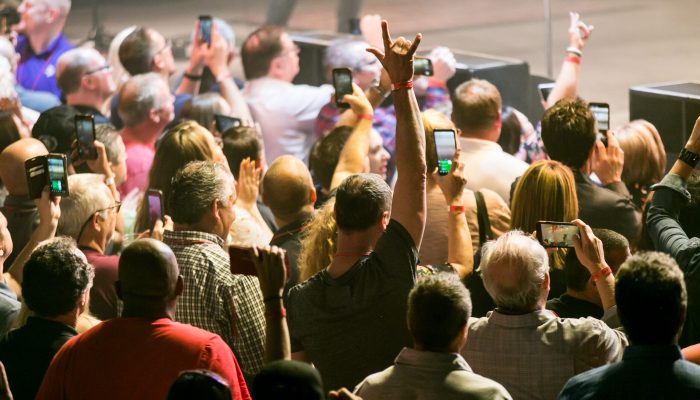
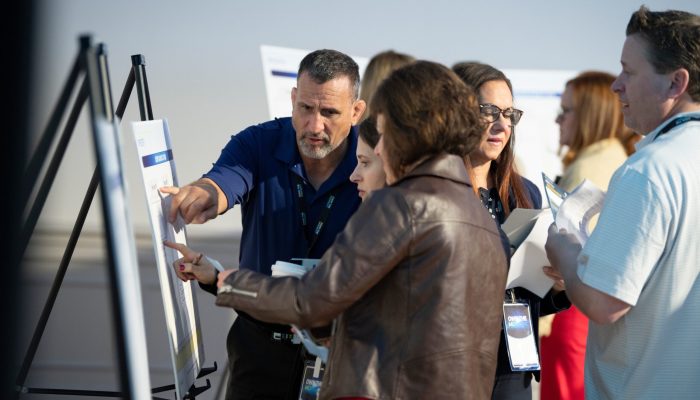
Corporate communications leaders, internal event planners, and brand teams know the pressure all too well. A keynote that should inspire action falls flat because the room feels disconnected. A hybrid town hall that should unite distributed teams instead leaves some participants unclear on what they are supposed to do next. The gap is rarely in the words themselves. It is in how those words are structured, delivered, and reinforced in real time.
This is where production teams step in. They do not stand outside the conversation. They become the mechanism that turns strategic intent into clear, memorable communication. For executives, the difference shows up in how confidently their teams can act on the message and how consistently the organization remembers it long after the event ends.
When your most important meeting, launch, summit, or training experience needs to move people, every detail matters. Strategy guides the work. Creativity shapes the story. Precision brings it to life. DEVLINHAIR Production & Learning designs and produces action-driven meetings, live events, and training experiences that move audiences. From our New York City studio, DEVLINHAIR helps organizations bring complex ideas, leadership priorities, and learning moments to life with clarity, purpose, and production precision. Ready to create a hybrid experience your audience can follow, feel, and act on? Let’s talk.
The Central Role of the Event Producer in Shaping Leadership Communication
The producer sits at the center of every high-stakes gathering. They align vision, budget, timeline, and stakeholder expectations so the entire team moves toward the same outcome. In practice, this means translating a leadership message into a sequence that respects both the audience’s attention span and the technical demands of the venue or platform.
Without that alignment, even the strongest content can be undermined by logistics. A presentation that runs late because the venue shift was not anticipated forces the speaker to rush or stall. A hybrid setup that loses signal quality mid-session leaves half the audience watching a frozen image. The producer’s job is to prevent those interruptions from diluting the message.
In a leadership summit or product launch, the producer’s clearest contribution is turning the vision into an executable roadmap. They identify where creative choices will strengthen the message and where technical choices will protect it. The result is a production framework that supports rather than competes with the speaker’s authority.
Effective event production depends on clearly defined team structure and coordinated roles that work toward a unified communication goal. According to industry analysis of production teams, success relies on how producers, coordinators, technical directors, creative directors, and communication teams align their responsibilities to ensure message clarity and execution consistency. Each role contributes to reducing friction between vision and delivery, ensuring that leadership intent is translated into a cohesive audience experience. This approach is reflected in best practices outlined in key roles inside a modern event production team, where structured collaboration is shown to improve both technical execution and message retention across live and hybrid environments.
Why Alignment Matters More Than Ever in Distributed Environments
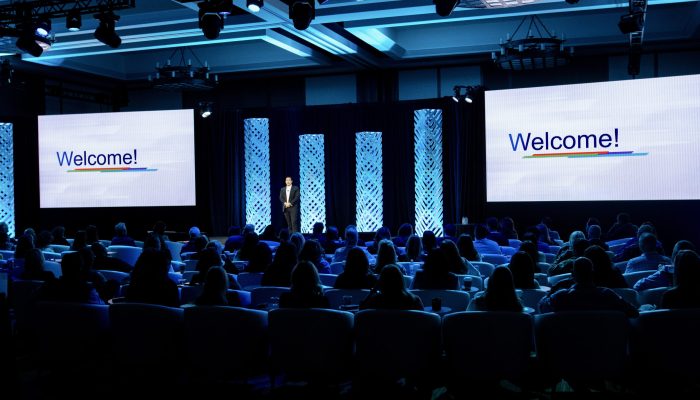
Modern corporate meetings increasingly span live stages, remote offices, and hybrid rooms. Leaders who once delivered a single in-person message now face the added layer of making the same content resonate across multiple locations without losing its urgency. Production teams help by mapping every participant’s perspective into the design from the start.
This mapping prevents the common pitfall where the speaker addresses only the people in the room while the remote participants feel sidelined. Clear cues, consistent visuals, and pre-tested handoffs keep the message unified regardless of location.
How Technical Direction Protects Message Integrity Across Environments
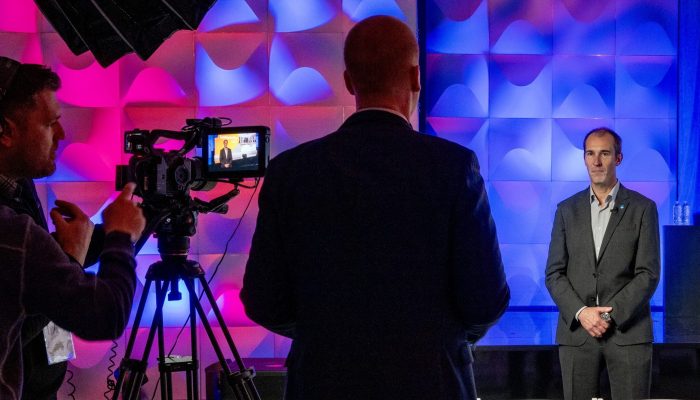
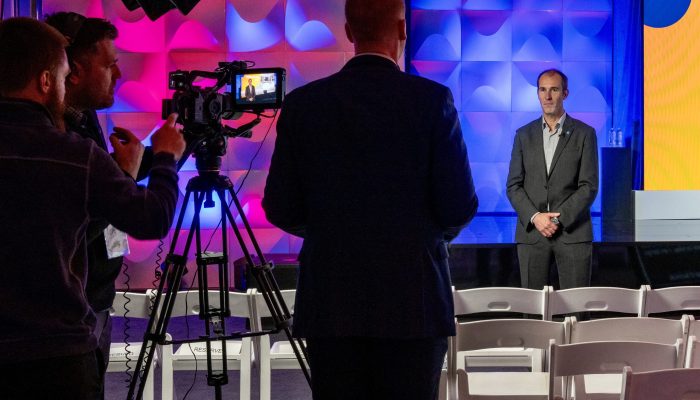
Audio, lighting, staging, and streaming are not background elements. They are the tools that determine whether the audience hears and sees the message clearly or is distracted by technical glitches. The technical director owns this layer and ensures every element serves the communication goal.
In a live corporate event, this means designing a flow where sound reaches every seat without echo or dropouts. In hybrid settings, it means maintaining visual consistency so that a remote participant sees the same speaker and slides the in-room audience sees. The technical director also prepares contingency plans for common failure points, such as a dropped feed or a lighting preset that fails.
Production teams that include a dedicated technical leader report smoother execution in high-pressure moments. They can call a safe scene or reorder segments mid-program without the main event stopping. This capability directly translates to clearer executive messaging because the audience never loses track of what is being said.
Consider a keynote presentation. If the speaker’s voice is masked by background noise or if the slides flash too quickly, the core message suffers. A skilled technical director adjusts levels, timing, and projections to keep the focus on the content, not the equipment.
Real-time Adjustments That Keep the Message Strong
Live conditions rarely stay exactly as planned. A microphone fails. A projector malfunctions. A participant asks an off-script question. Great production teams anticipate these moments and have protocols in place so the speaker can continue without visible disruption. The audience barely registers the change, but the message lands intact.
Leadership communication effectiveness depends heavily on how quickly and clearly production leaders respond to shifting conditions. In high-pressure environments, decisive communication from event leaders ensures that teams can adjust without disrupting the audience experience or diluting the intended message. Research into event leadership highlights that strong operational direction minimizes confusion and prevents small issues from escalating into visible breakdowns that could undermine executive messaging. These principles are reflected in discussions on how leadership communication impacts event execution clarity, where proactive decision-making and real-time adjustments are shown to be essential for maintaining flow, consistency, and message integrity throughout live and hybrid productions.
The Creative Director’s Role in Turning Strategy Into Story
Behind every clear message is a story that the audience can follow. The creative director translates the leader’s intent into visuals, pacing, and emotional tone that make the ideas stick. Graphics, transitions, color choices, and scenic elements all support rather than distract from the communication objective.
In training experiences or internal communications events, this storytelling layer is especially powerful. A simple slide deck can feel dry. A well-designed sequence that builds on one idea to reinforce the next creates a lasting impression. The creative director ensures the aesthetic reinforces the brand while keeping the focus on the leadership message.
This approach matters in both live and hybrid formats. Remote participants must feel the same connection to the message as those in the room. Consistent design across platforms prevents the hybrid experience from feeling fragmented.
Communication and Guest Experience Teams That Make the Message Actionable
Marketing and communications roles extend the event beyond the event itself. They create the pre-event awareness that drives attendance, manage the flow once people are inside, and capture feedback that informs future sessions. Guest experience leads handle registration, wayfinding, and accessibility so participants can focus on the message rather than logistics.
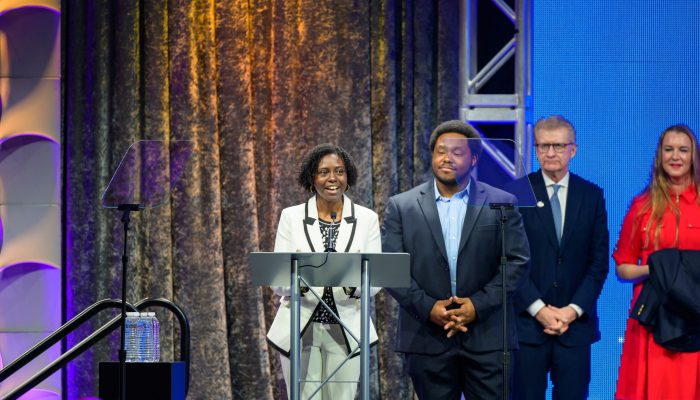
In a leadership town hall, the guest experience lead might adjust seating or provide closed-captioning options to ensure every voice feels included. In a product launch, the communications team might prepare follow-up resources that reinforce the key takeaways. Together these functions turn a one-time gathering into a moment that strengthens organizational alignment.
Measurement, Follow-through, and Long-term Value
After the event, the production team gathers data on attendance, engagement, and message recall. They analyze surveys and dashboards, then translate insights into concrete improvements. This feedback loop strengthens every future production and helps leaders refine their communication strategy over time.
Effective experience design starts with a clear strategic foundation. Strategy guides the work. Creativity shapes the story. Precision brings it to life. That approach helps organizations design and produce action-driven meetings, live events, and training experiences that move audiences.
Putting Production Teams to Work for Clearer Executive Messaging
Organizations that invest in structured production teams see measurable gains in how confidently their leaders deliver messages. Teams align faster, messages land with less noise, and audiences leave better equipped to act. The investment pays off in stronger internal alignment, smoother launches, and more effective training outcomes.
For corporate communications leaders and internal event planners, the next step is simple: evaluate whether the production support in place matches the stakes of the communication. When it does, the message stops being something delivered to an audience and starts becoming something the entire organization can stand behind.
Frequently Asked Questions
How do production teams help leaders deliver clearer messages during corporate events?
Production teams help leaders deliver clearer messages by turning strategic intent into a structured, distraction-free event experience. They coordinate logistics, timing, visuals, and technical execution so the speaker’s message stays the focus. In corporate meetings and hybrid events, this alignment ensures audiences understand and retain key takeaways without confusion or interruption.
What is the role of a technical director in hybrid events and corporate meetings?
A technical director ensures the message is delivered clearly across all environments by managing audio, lighting, video, and streaming quality. They protect message integrity by preventing technical issues from disrupting the flow of communication. In hybrid events and live corporate meetings, their real-time adjustments keep both in-room and remote audiences equally engaged and informed.
Why is alignment between production, creative, and communications teams important for audience engagement in hybrid events and training?
Alignment between production, creative, and communications teams ensures that every element of an event supports a single, unified message. When these teams work together, visuals, storytelling, and delivery all reinforce audience understanding and engagement. In training experiences and hybrid corporate events, this coordination improves clarity, retention, and overall impact of the message.
Disclaimer: The above helpful resources content contains general insights and perspectives for informational purposes only. The information provided is for general knowledge and does not constitute professional advice.
You may also be interested in: Hybrid Events Are Evolving From Pandemic Workaround to Intentional Engagement Strategy
When your most important meeting, launch, summit, or training experience needs to move people, every detail matters. Strategy guides the work. Creativity shapes the story. Precision brings it to life. DEVLINHAIR Production & Learning designs and produces action-driven meetings, live events, and training experiences that move audiences. From our New York City studio, DEVLINHAIR helps organizations bring complex ideas, leadership priorities, and learning moments to life with clarity, purpose, and production precision. Ready to create a hybrid experience your audience can follow, feel, and act on? Let’s talk.
Powered by flareAI.co