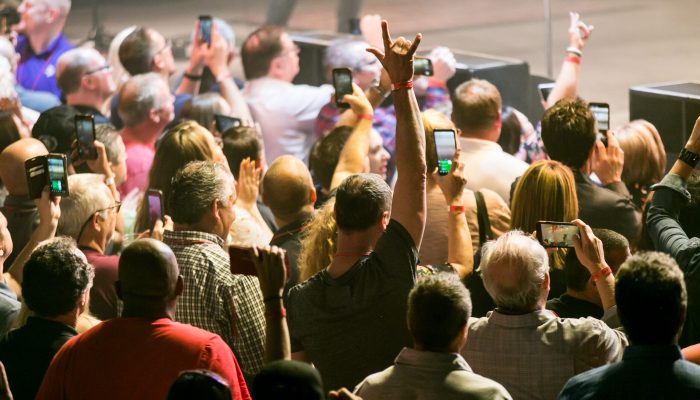
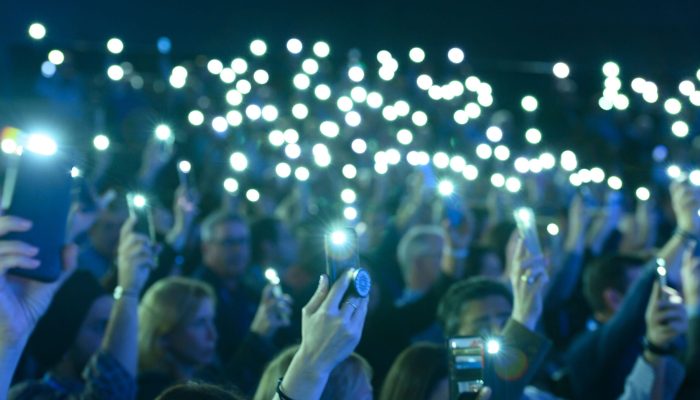
When corporate leaders bring teams together for a leadership summit, product launch, or intensive training program, the real goal extends far beyond information delivery. The challenge lies in creating genuine participation moments where attendees actively engage with content, contribute ideas, connect with peers, and leave equipped to apply what they have experienced. New audience participation tools are helping organizations bridge this gap in both live and virtual environments by making interaction more intuitive, inclusive, and impactful.
For corporate communications leaders, learning teams, and event planners, the opportunity is not simply to add more technology. The opportunity is to design experiences where technology supports dialogue, collaboration, and action. When participation tools are selected with a clear strategy, they can help audiences move from passive observation to meaningful involvement.
When your most important meeting, launch, summit, or training experience needs to move people, every detail matters. Strategy guides the work. Creativity shapes the story. Precision brings it to life. DEVLINHAIR Production & Learning designs and produces action-driven meetings, live events, and training experiences that move audiences. From our New York City studio, DEVLINHAIR helps organizations bring complex ideas, leadership priorities, and learning moments to life with clarity, purpose, and production precision. Ready to create a hybrid experience your audience can follow, feel, and act on? Let’s talk.
The Persistent Challenge of Audience Engagement
Corporate event planners and learning leaders frequently encounter the same core issue: audiences that observe rather than participate. In high-stakes meetings and training sessions, passive attendance limits knowledge retention, reduces alignment around strategic priorities, and weakens the overall return on investment. This challenge becomes even more pronounced in hybrid formats, where in-person energy must connect meaningfully with remote participants who might otherwise feel like spectators.
Traditional presentations and one-way lectures no longer meet the expectations of many professional audiences. Attendees want to ask questions in real time, share perspectives, collaborate on ideas, and see their contributions shape the conversation. Without the right structure and tools, even well-designed events can fall short on participation.
This is where purposeful event design makes the difference. By focusing on hybrid capabilities that support seamless interaction across locations and formats, organizations can transform standard corporate gatherings into dynamic platforms for connection and action. The emphasis shifts from broadcasting information to facilitating meaningful dialogue and shared discovery.
Interactive Tools Transforming Live and Virtual Participation
Hybrid events are redefining the way audiences participate by blending in-person energy with virtual accessibility. Organizers are increasingly relying on interactive technologies such as live polling, moderated Q&A, virtual lounges, collaborative workspaces, and immersive content delivery to ensure every attendee has a way to contribute. These tools can maintain attention across formats while creating meaningful touchpoints for dialogue, feedback, and collaboration.
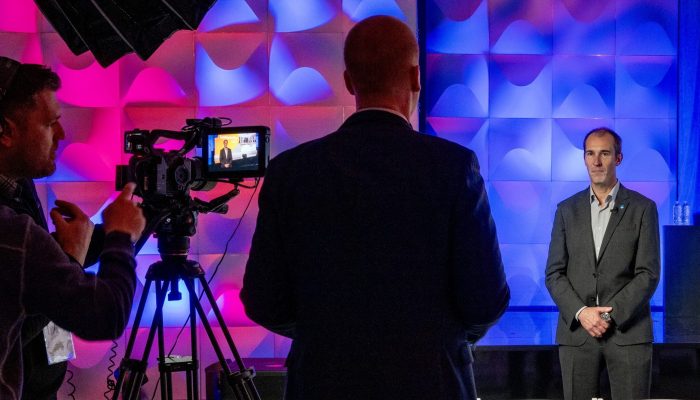
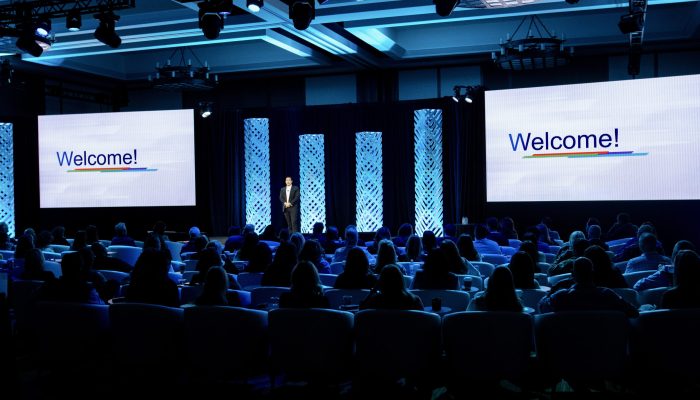
Successful hybrid programming requires more than broadcasting content. It demands carefully designed interactions that mirror the spontaneity and connection of live gatherings. Relevant projects such as Aflac Focus Fest show how hybrid design, audience engagement, and production strategy can work together to support participation at scale. Technologies that support experiential events that connect can help make participation feel more natural, whether attendees are in the room or joining remotely.
Modern live events are also integrating technology to create richer, more participatory experiences. Interactive polls, live Q&A sessions, gamification elements, and real-time feedback platforms allow audiences to actively contribute rather than passively observe. These approaches not only increase engagement during the event but also provide organizers with insight into attendee preferences, questions, and behavior.
These tools go beyond basic Q&A functions. Gamification elements, real-time collaboration spaces, and AI-driven personalization allow participants to navigate sessions according to their interests and roles. The result is higher engagement levels and richer data for organizers to understand what resonates. For corporate meetings and training experiences, this means moving from passive content consumption to active skill-building and strategic alignment.
For DEVLINHAIR Production & Learning, effective experience design starts with a clear strategic foundation. Strategy guides the work. Creativity shapes the story. Precision brings it to life. That approach helps organizations design and produce action-driven meetings, live events, and training experiences that move audiences.
Practical Applications in Corporate Environments
In practice, these tools deliver tangible benefits across different event types. During product launches, interactive platforms enable sales teams to explore features hands-on, ask targeted questions, and immediately see how innovations apply to their roles or markets. Leadership summits benefit from structured breakout discussions and real-time polling that surface diverse perspectives while maintaining strategic focus.
Training programs can see especially strong results when participation is built into the experience from the start. Virtual event participation tools allow learners to engage with complex material through simulations, scenario-based exercises, and peer collaboration features. This active approach improves retention and helps participants connect training content directly to their daily responsibilities. Hybrid event audience engagement strategies help both in-person and remote learners receive more equitable experiences.
Thoughtful integration of these technologies can create memorable moments across a wide range of corporate programs, from large-scale incentive events to intimate executive workshops. The focus remains on designing interactions that support clear business outcomes: stronger team alignment, better message internalization, and accelerated adoption of new initiatives.
Key Considerations for Hybrid-first Design
Successful implementation requires more than selecting the latest platform. Hybrid-first design treats virtual and in-person participation as equally important from the outset. This means choosing tools that maintain consistent experiences across formats, with intuitive interfaces that minimize technical friction for all users.
Production teams must also consider accessibility, data privacy, and seamless integration with existing corporate systems. Tools should enhance rather than complicate the event flow, supporting the overall narrative rather than becoming the center of attention. When done well, technology fades into the background, allowing human connection and strategic messages to take center stage.
This balance is especially important for leadership events, launches, and training programs where trust and clarity matter. Participants should feel that the technology helps them contribute, not that it adds another layer of complexity. The best participation tools make the experience feel easier, more inclusive, and more connected.
Strategies for Maximizing Audience Interaction
Event producers and learning designers can apply several proven approaches to elevate participation. Start by defining clear interaction goals tied to business objectives. What specific outcomes matter most: idea generation, skill practice, consensus building, or feedback collection? This clarity guides technology selection and session design.
Build interaction into the event architecture rather than treating it as an add-on. Schedule dedicated collaborative segments, incorporate live polling at strategic decision points, and create virtual networking opportunities that mirror the spontaneity of in-person conversations. Real-time audience engagement technology works best when it supports the natural rhythm of the gathering.
Provide multiple participation pathways to accommodate different preferences and comfort levels. Some attendees thrive in open discussion formats, while others contribute more readily through digital channels. Inclusive design ensures broader involvement and richer collective insight.
Finally, prepare facilitators and technical teams thoroughly. Smooth execution depends on people who understand both the strategic purpose and the practical operation of participation tools. Rehearsals and contingency planning help maintain momentum even when unexpected questions or technical issues arise.
Measuring Impact Beyond Basic Metrics
Effective evaluation of audience participation tools looks beyond simple attendance numbers or satisfaction scores. Organizations benefit from examining how increased interaction influences knowledge retention, behavior change, and business results. Did participants demonstrate stronger alignment with strategic goals? Are teams applying new approaches more confidently?
Many platforms now offer sophisticated analytics that reveal engagement patterns without compromising individual privacy. This data helps refine future experiences and demonstrates the value of investment in quality event production. For internal communications and learning teams, these insights support continued evolution of their programs.
Industry research also points toward more sophisticated event measurement, with marketers combining multiple metrics to better understand audience attention, engagement, and business impact. A resource such as EventTrack 2026 can help reinforce why engagement measurement matters beyond surface-level participation counts.
The most successful organizations treat each event as an opportunity to learn and improve. They analyze what types of interactions generated the strongest responses and adjust their approach accordingly. This iterative mindset aligns with the demands of modern corporate meetings and training experiences.
The Future of Participatory Events
As audience expectations continue to evolve, the organizations that thrive will be those that embrace interactive event technology as a core element of their experience strategy. The focus will remain on tools and approaches that enhance human connection rather than replace it.
DEVLINHAIR continues to partner with clients to explore and implement these capabilities in ways that serve specific business objectives. Whether designing a major product launch, leadership summit, or comprehensive training initiative, the emphasis stays on creating environments where audiences do not just attend. They actively participate, contribute, and carry meaningful outcomes back to their roles.
Relevant work such as IBM Hundred Percent Club shows how immersive experience design can help audiences connect with content in a more memorable and energizing way. The most effective events combine strategic clarity, creative storytelling, and precise execution with thoughtfully selected participation tools.
Corporate leaders and event professionals seeking to elevate their live, virtual, and hybrid experiences have more options than ever before. By focusing on tools and strategies that genuinely enhance audience participation, they can create events that deliver lasting business value while making every attendee’s contribution count.
Frequently Asked Questions
What tools can improve audience participation in hybrid corporate events?
Interactive technologies like live polling, real-time Q&A, virtual lounges, gamification elements, and AI-driven personalization are among the most effective tools for boosting audience participation in hybrid events. These platforms allow both in-person and remote attendees to contribute ideas, ask questions, and collaborate in real time. When integrated thoughtfully, they transform passive presentations into dynamic, two-way experiences that drive stronger engagement and business outcomes.
How does interactive event technology improve training and learning outcomes?
Interactive event technology enhances corporate training by enabling learners to engage with content through simulations, scenario-based exercises, and peer collaboration features rather than passive listening. This active approach can improve knowledge retention and help participants connect training material directly to their day-to-day responsibilities. By incorporating real-time feedback and virtual participation tools, organizations can deliver more equitable learning experiences for both in-person and remote attendees.
What should organizations consider when designing a hybrid-first event strategy?
A successful hybrid-first event strategy requires treating virtual and in-person participation as equally important from the start, selecting tools with intuitive interfaces that minimize technical friction for all users. Organizations should also account for accessibility, data privacy, and seamless integration with existing corporate systems. Most importantly, interaction goals should be tied to clear business objectives such as consensus building, skill practice, or feedback collection so that technology supports the event narrative rather than overshadowing it.
Disclaimer: The above helpful resources content contains general insights and perspectives for informational purposes only. The information provided is for general knowledge and does not constitute professional advice.
You may also be interested in: DEVLINHAIR Transforming Recognition Into Reverence
When your most important meeting, launch, summit, or training experience needs to move people, every detail matters. Strategy guides the work. Creativity shapes the story. Precision brings it to life. DEVLINHAIR Production & Learning designs and produces action-driven meetings, live events, and training experiences that move audiences. From our New York City studio, DEVLINHAIR helps organizations bring complex ideas, leadership priorities, and learning moments to life with clarity, purpose, and production precision. Ready to create a hybrid experience your audience can follow, feel, and act on? Let’s talk.
Powered by flareAI.co