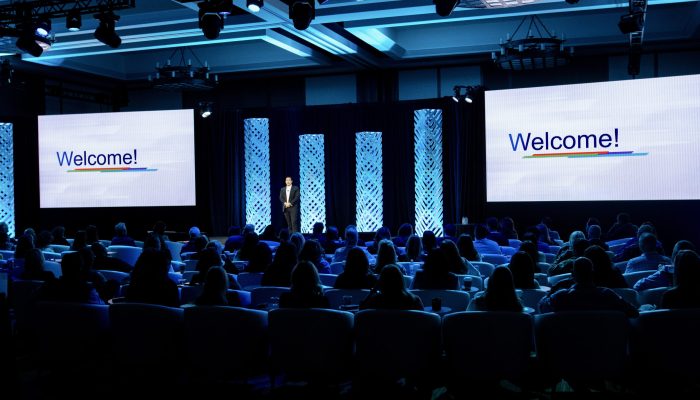
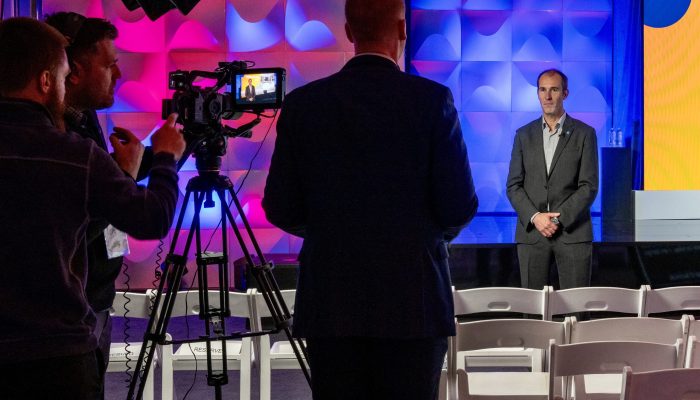
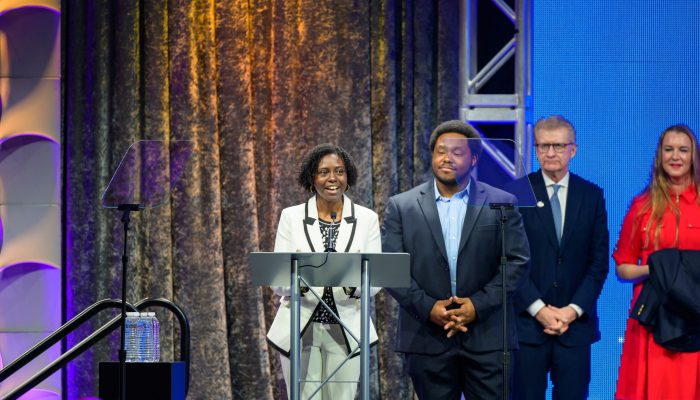
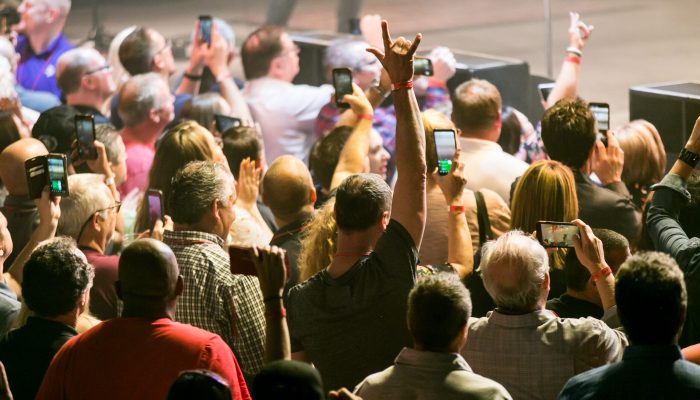
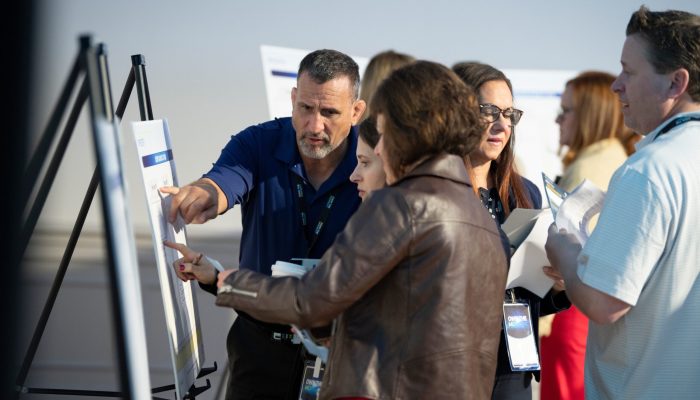
When a company brings people together for a leadership summit, training program, or product launch, the goal is rarely just to share information. The real challenge is helping people understand the message, connect it to their role, and leave ready to act. Corporate meetings and training experiences face mounting pressure to deliver more than checklists. Leaders need programs that spark alignment, generate tangible follow-through, and tie directly to business results. Production-driven planning addresses this by embedding measurement into every stage, from the initial brief to the final wrap-up. This approach turns events from occasional gatherings into strategic levers for performance.
Forward-thinking organizations are shifting away from last-minute evaluation. Instead, they define what success looks like before the venue is chosen or the agenda is built. This production philosophy prioritizes outcomes such as engaged pipeline, audience retention, and measurable ROI, ensuring every element of the experience serves a clear purpose.
When your most important meeting, launch, summit, or training experience needs to move people, every detail matters. Strategy guides the work. Creativity shapes the story. Precision brings it to life. DEVLINHAIR Production & Learning designs and produces action-driven meetings, live events, and training experiences that move audiences. From our New York City studio, DEVLINHAIR helps organizations bring complex ideas, leadership priorities, and learning moments to life with clarity, purpose, and production precision. Ready to create a hybrid experience your audience can follow, feel, and act on? Let’s talk.
The Business Challenge in Corporate Meetings and Training
Corporate meetings and training experiences often struggle to connect directly to daily work. Teams attend, absorb information, and then return to isolated roles. Without deliberate production choices, messages remain abstract, and action plans stay theoretical. This disconnect reduces the effectiveness of even the best-conceived programs.
Leaders report that traditional approaches leave too much room for interpretation. Participants may remember the moment but struggle to translate it into immediate follow-through. The result is missed opportunities for alignment and stalled progress on key initiatives. Production-driven planning closes this gap by making outcomes explicit from the start.
Why Production-driven Planning Delivers Results
Production-driven planning starts by defining success metrics before any logistical decisions are made. This method ensures the venue, format, and content all support the intended business goals rather than competing with them. Organizations that adopt this mindset report clearer pathways from event to action.
Consider a sales kickoff or leadership summit. When production teams embed tracking from day one, they can capture real-time insights on engagement and retention. This data informs adjustments and supports follow-up efforts long after the event ends. The experience becomes a catalyst for sustained performance.
One of the most important shifts in modern corporate event strategy is the move toward defining success before any logistical decisions begin. As outlined in ROI-driven event RFP strategy for corporate meetings, leading organizations are increasingly treating success metrics such as pipeline influence, audience retention, and ROI as foundational inputs rather than post-event evaluations. This approach reframes production planning so that every decision, from venue selection to agenda design, is evaluated against clearly defined business outcomes. In practice, this means production partners are no longer judged solely on creative execution, but on their ability to connect experiences to measurable impact from the earliest stages of planning.
Key Benefits of Embedding Measurement
Embedding measurement transforms corporate meetings and training experiences into accountable investments. Teams gain visibility into participation quality, not just attendance numbers. This insight helps identify what drives meaningful interaction and what does not.
One of the most consistent differentiators between events that deliver results and those that simply check a box is whether business outcomes are defined before a single logistical decision is made. Leading event strategists and production partners increasingly argue that success metrics must be established before deliverables. When you define what winning looks like first, the venue, content format, and experience design all get built in service of those outcomes.
One of the most consistent differentiators between corporate meetings that deliver results and those that simply check a box is whether business outcomes are defined before a single logistical decision is made. Leading event strategists and production partners increasingly argue that success metrics must be established before deliverables before the venue is selected, before the agenda is built, before the first speaker is booked. When you define what winning looks like first whether that is pipeline generated, audience retention, or stakeholder ROI then the venue, content format, and experience design all get built in service of those outcomes rather than in spite of them.
This is the philosophy behind what is now being called the ROI-driven RFP process, where production partners are evaluated not just on creative execution but on their ability to articulate how the meeting will connect to specific business goals. When a production partner can clearly define success, craft a compelling data story, and tie the experience to measurable business objectives from the discovery phase onward, organizations can trust that their investment will produce trackable results. For companies planning corporate meetings with real stakes sales kickoffs, leadership summits, client appreciation events, or large-scale training programs this kind of pre-production strategic alignment is not optional. It is the difference between an event that generates momentum and one that generates receipts.
Insights from how leading B2B brands engineer measurable outcomes from corporate events further reinforce this shift toward continuous measurement and structured follow-through. The 2026 B-to-b Dream Team highlights how organizations like Atlassian and CrowdStrike are embedding measurement infrastructure before events even begin, rather than retroactively assessing success. Atlassian’s approach focuses on consistent benchmarks such as engaged pipeline, pipeline creation, and cost-per-attendee to enable meaningful comparisons across programs. CrowdStrike, meanwhile, emphasizes that true event value often emerges post-event through disciplined sales follow-up, pre-event “Rep Prep” alignment, and structured enablement tools that extend impact beyond the live experience. Together, these practices demonstrate how production-driven planning transforms corporate meetings into scalable systems for sustained business performance.
Practical Steps for Implementing Production-driven Planning
Organizations can implement production-driven planning through a structured process that begins with goal alignment. Start by articulating specific outcomes, such as pipeline influenced or training retention rates. Then map these to the experience design, ensuring every decision serves the stated objectives.
- Include measurement frameworks in RFPs and contracts from the outset.
- Require partners to propose data capture methods alongside creative concepts.
- Build post-event tools that support sales follow-up and customer enablement.
- Track both quantity and quality of engagement to refine future programs.
This step-by-step approach minimizes guesswork and maximizes accountability. Production partners who understand the need for pre-defined metrics can deliver experiences that align perfectly with business priorities.
Real-world Applications in Corporate Meetings and Training
Real-world examples demonstrate how production-driven planning translates into measurable impact. At one technology company’s headquarters, a major product launch incorporated real-time tracking during networking sessions. Sales teams received curated follow-up briefs within 48 hours, resulting in accelerated pipeline conversion.
In another case, a global training initiative used connected technology to document critical conversations and feed insights directly into learning systems. Participants later reported higher confidence in applying new skills, with post-training surveys showing improved retention of key concepts.
These applications prove that production-driven planning is not a theoretical ideal but a practical framework for stronger corporate meetings and training experiences.
Looking Ahead to Stronger Event Outcomes
As organizations continue to refine their approaches, production-driven planning will remain central to delivering events that move audiences. The companies that lead in this area will see clearer results, stronger alignment, and more confident participants ready to take action.
The path forward involves ongoing collaboration between leaders, production partners, and data specialists. By prioritizing outcomes early and often, corporate meetings and training experiences can evolve from one-time events into reliable drivers of long-term performance.
Frequently Asked Questions
What is production-driven planning for corporate meetings and training?
Production-driven planning embeds measurement into every stage of corporate meetings and training experiences, starting with clear success metrics before any venue or agenda is chosen. This approach ensures the experience directly supports business goals such as pipeline influence, audience retention, and ROI rather than remaining an abstract gathering. At DEVLINHAIR Production & Learning, we design and produce action-driven meetings, live events, and training experiences that move audiences by combining strategy, creativity, and precision.
Why do companies need production-driven planning for corporate meetings instead of traditional approaches?
Traditional corporate meetings often fail to connect messages to daily work, leaving participants unable to translate information into immediate action. Production-driven planning closes this gap by defining business outcomes upfront, enabling real-time insights, post-event follow-up, and sustained performance improvements. Leading organizations like Atlassian and CrowdStrike use this method to generate compounding value through disciplined data capture and structured enablement.
How can production-driven planning help improve ROI for corporate events and training programs?
By defining success metrics before the event begins, production-driven planning turns corporate meetings and training experiences into accountable investments with trackable results. It includes measurement frameworks in RFPs, real-time engagement tracking, and post-event tools that support sales follow-up and customer enablement, ensuring measurable impact on business objectives like pipeline creation. This ROI-driven approach is the difference between events that generate receipts and those that create lasting momentum.
Disclaimer: The above helpful resources content contains general insights and perspectives for informational purposes only. The information provided is for general knowledge and does not constitute professional advice.
You may also be interested in: Hybrid Events Are Evolving From Pandemic Workaround to Intentional Engagement Strategy
When your most important meeting, launch, summit, or training experience needs to move people, every detail matters. Strategy guides the work. Creativity shapes the story. Precision brings it to life. DEVLINHAIR Production & Learning designs and produces action-driven meetings, live events, and training experiences that move audiences. From our New York City studio, DEVLINHAIR helps organizations bring complex ideas, leadership priorities, and learning moments to life with clarity, purpose, and production precision. Ready to create a hybrid experience your audience can follow, feel, and act on? Let’s talk.
Powered by flareAI.co