Quick Listen:
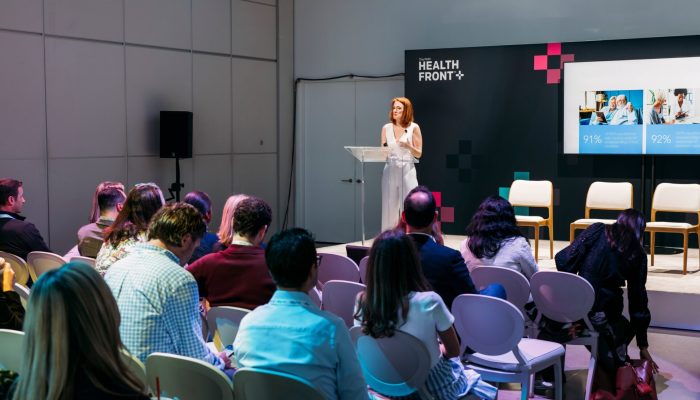
When a leadership team gathers for a corporate summit or when a sales organization launches a new product line, the goal is rarely just to share information. The real challenge is helping people understand the message, connect it to their role, and leave ready to act. Traditional advertising has long delivered messages through billboards, social posts, and television spots, but in today’s crowded landscape, that approach often falls short of creating the emotional connection or behavioral change organizations actually need.
When your most important meeting, launch, summit, or training experience needs to move people, every detail matters. Strategy guides the work. Creativity shapes the story. Precision brings it to life. DEVLINHAIR Production & Learning designs and produces action-driven meetings, live events, and training experiences that move audiences. From our New York City studio, DEVLINHAIR helps organizations bring complex ideas, leadership priorities, and learning moments to life with clarity, purpose, and production precision. Ready to create a hybrid experience your audience can follow, feel, and act on? Let’s talk.
Why Traditional Advertising Struggles to Cut Through the Noise
Advertising saturation has become a growing challenge across both traditional and digital platforms. Consumers encounter promotional messages throughout their daily lives, making it increasingly difficult for individual advertisements to capture and maintain attention. This constant exposure can contribute to advertising fatigue, causing people to overlook or actively avoid conventional ad formats such as banner advertisements. The widespread use of ad-blocking tools further highlights the challenge brands face in reaching audiences through traditional digital advertising. As a result, businesses are increasingly turning toward more engaging and authentic approaches that encourage meaningful consumer interaction rather than relying solely on repeated promotional messages.
The problem goes deeper. Overexposure leads to ad fatigue, where audiences tune out even the most creative campaigns. Younger demographics, especially millennials and Gen Z, increasingly distrust overly targeted ads and seek experiences that feel authentic rather than forced. In this environment, passive consumption simply does not deliver the engagement or memorability required for meaningful business outcomes.
Experiential Marketing Creates Real-time, Hands-on Connections
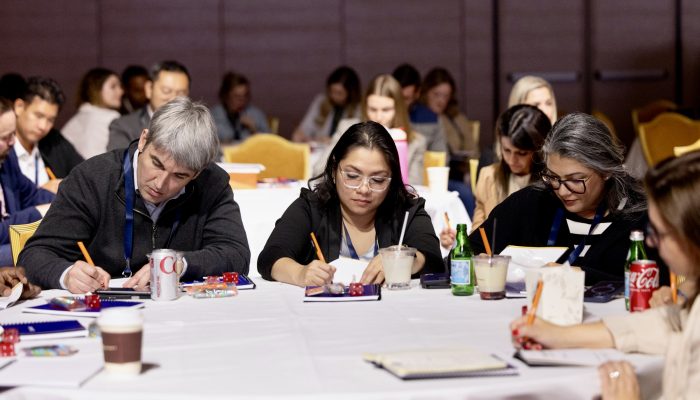
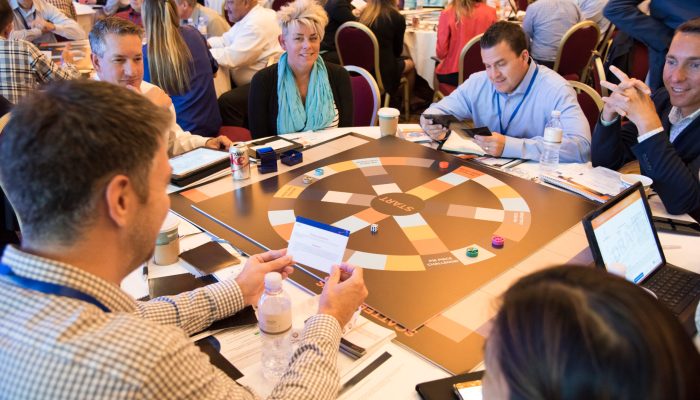
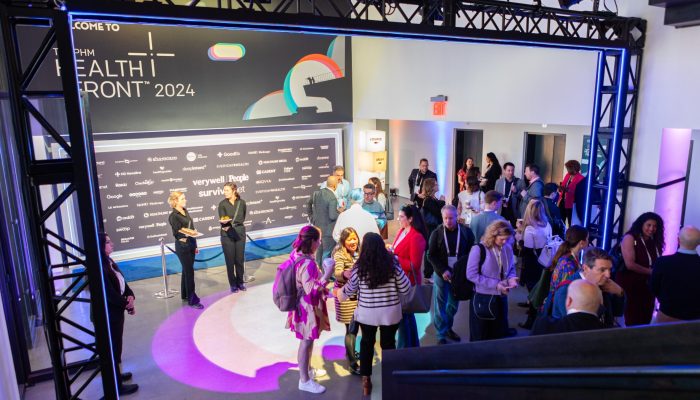
Experiential marketing stands apart by turning communication into participation. Instead of asking audiences to imagine a brand’s world, it invites them to live inside it. Brands design pop-up installations, interactive displays, live demonstrations, and immersive activations that let people touch, try, and explore in ways static ads never could.
Brand experiences can create a stronger and more lasting impression than traditional advertising because they invite consumers to actively engage with a brand. Meaningful experiences can encourage people to share their interactions, create authentic content, strengthen emotional connections, and build lasting brand loyalty. They can also generate valuable word-of-mouth advocacy that traditional advertising may struggle to achieve. The key difference is the shift from passive exposure to active participation, allowing consumers to become part of the brand story rather than simply receiving its message.
Emerging Technologies Are Redefining How Brands Engage
Virtual reality, augmented reality, and holography are now standard tools in experiential marketing. Virtual shopping lets customers explore stores and inspect products in detail before making a purchase. Holographic customer service representatives offer real-time support in physical or digital spaces. Hyper-reality experiences that blend AR and VR reduce decision time by up to 30% and increase engagement by 50% in high-stakes categories such as automotive, luxury goods, and real estate.
These technologies do more than add novelty. They solve real problems: shorter decision cycles, lower return rates, and stronger emotional connections. For corporate events and training experiences, the same tools can make complex messages tangible and help distributed teams align around strategy in ways that video calls and presentations cannot match.
Experiential Marketing Drives Deeper Business Outcomes
The measurable results of experiential approaches go well beyond awareness. Organizations report higher purchase intent after participation, stronger brand favorability, and greater repeat business. In training contexts, these experiences improve retention because people learn by doing rather than by listening. In product launches, they create lasting brand impressions that translate into advocacy and faster adoption.
Unlike advertising, which often stops at the point of exposure, experiential marketing builds relationships that last. It turns one-time viewers into engaged participants and participants into brand ambassadors. That shift in behavior is what separates campaigns that reach the bottom of the scroll from campaigns that shape decisions.
Practical Steps for Implementing Experiential Strategies
Developing a successful experiential approach starts with clear objectives. Ask: What specific outcome do we want—brand awareness, product trial, team alignment, or customer loyalty? Align those goals with broader business priorities and audience insights. For example, if the target is younger employees or customers who value authenticity, design interactive, shareable experiences that feel personal rather than promotional.
Next, define how success will be measured. Track both qualitative feedback (surveys and interviews) and quantitative results such as engagement levels, social mentions, or sales lift. Involve cross-functional teams early so everyone understands the vision and resources required. Presenting case studies and ROI-focused data helps secure stakeholder buy-in and ensures the campaign delivers strategic value.
The final step is execution with precision. Design experiences that feel authentic, invest in the right technology for the intended outcome, and plan for follow-through that converts participation into lasting action. When done well, experiential marketing becomes a strategic tool for moving audiences from awareness to alignment and from awareness to action.
Bringing These Principles Into Practice
Organizations that recognize the limitations of traditional advertising are increasingly turning to experiential tactics for corporate meetings, leadership summits, product launches, and training programs. The approach works because it respects how people actually consume information today by doing, feeling, and sharing rather than by scrolling past static messages. The result is stronger message retention, deeper emotional connections, and more measurable business impact.
In today’s fragmented media landscape, traditional advertising can struggle to capture attention amid the constant flow of digital content. Consumers are increasingly surrounded by promotional messages across websites, social media, streaming platforms, and other channels, making it harder for conventional advertising to create a lasting impression. Experiential marketing offers a more engaging approach by transforming audiences from passive viewers into active participants. Through pop-up installations, interactive displays, live demonstrations, immersive events, and brand activations, businesses can create memorable experiences that encourage genuine interaction and emotional connection. This shift from one-way communication to active participation allows brands to build stronger relationships, increase engagement, and create meaningful experiences that stand out in an increasingly crowded marketplace.
Brands can benefit from experiential marketing because memorable experiences can generate authentic content, expand organic reach, and encourage long-term customer loyalty rather than creating only short-term awareness. Immersive experiences such as virtual shopping, augmented reality try-ons, interactive demonstrations, and live brand activations can make customer interactions more engaging and memorable. For corporate events and professional development programs, this means designing experiences that combine entertainment with meaningful content, allowing attendees to actively participate and feel connected to the brand or organization. These experiences can contribute to stronger brand favorability, customer relationships, repeat business, and lasting engagement. By moving beyond advertising interruptions and inviting audiences to participate, organizations can build deeper connections that support sustainable growth in an increasingly competitive digital landscape.
Frequently Asked Questions
What makes experiential marketing different from traditional advertising?
Experiential marketing is different from traditional advertising because it creates interactive brand experiences instead of relying on passive messages through ads, social posts, or commercials. It helps organizations build stronger audience engagement through live events, product launches, corporate meetings, and hands-on experiences that encourage participation and connection.
How does experiential marketing improve audience engagement for corporate events and training experiences?
Experiential marketing improves audience engagement by allowing participants to learn, interact, and connect through immersive experiences rather than simply receiving information. For corporate meetings, training programs, and hybrid events, these strategies can increase message retention, encourage collaboration, and help audiences move from awareness to action.
Why do brands use experiential marketing for product launches instead of traditional advertising?
Brands use experiential marketing for product launches because interactive experiences create memorable moments that can increase brand favorability and purchase intent. Through tools such as live demonstrations, interactive displays, and emerging technologies, companies can create deeper audience connections and generate advocacy beyond a single advertisement.
Disclaimer: The above helpful resources content contains general insights and perspectives for informational purposes only. The information provided is for general knowledge and does not constitute professional advice.
You may also be interested in: Personalized Journeys Become Priority in Event Marketing
When your most important meeting, launch, summit, or training experience needs to move people, every detail matters. Strategy guides the work. Creativity shapes the story. Precision brings it to life. DEVLINHAIR Production & Learning designs and produces action-driven meetings, live events, and training experiences that move audiences. From our New York City studio, DEVLINHAIR helps organizations bring complex ideas, leadership priorities, and learning moments to life with clarity, purpose, and production precision. Ready to create a hybrid experience your audience can follow, feel, and act on? Let’s talk.
Powered by flareAI.co