Quick Listen:
When a global brand brings people together for a leadership summit, product launch, sales meeting, or training experience, the challenge is rarely just delivering information. The real challenge is creating an experience that helps audiences understand the message, connect it to their role, and remember what matters after the event ends. Creative event production plays a critical role in turning business objectives into meaningful moments by combining strategy, storytelling, technology, and precise execution.
When your most important meeting, launch, summit, or training experience needs to move people, every detail matters. Strategy guides the work. Creativity shapes the story. Precision brings it to life. DEVLINHAIR Production & Learning designs and produces action-driven meetings, live events, and training experiences that move audiences. From our New York City studio, DEVLINHAIR helps organizations bring complex ideas, leadership priorities, and learning moments to life with clarity, purpose, and production precision. Ready to create a hybrid experience your audience can follow, feel, and act on? Let’s talk.
Creative Event Production Starts with Purpose, Not Production
Successful experiences begin by defining what an audience needs to understand, feel, and do. Without that foundation, even a well-organized event can become a collection of presentations, visuals, and activities that fail to create lasting impact.
For global brands, event production is not simply about managing schedules, staging, or technical requirements. It is about translating a company’s priorities into an experience that feels intentional. A product launch may need to build confidence in a new offering. A leadership summit may need to align teams around a strategic direction. A training experience may need to improve understanding and encourage action.
This is where brand experience production becomes a strategic discipline. The strongest experiences connect creative decisions to business goals, ensuring that every element—from content flow and environment design to audience interaction and production choices—supports the intended outcome.
Rather than treating events as isolated moments, organizations increasingly view them as opportunities to strengthen communication, reinforce culture, and create shared understanding among important audiences.
Why Global Brands Need More Than Event Logistics
Complex corporate experiences require more than operational coordination. They require a clear understanding of how audiences engage with information, how messages are delivered, and how different event elements work together.
A successful experience considers the full audience journey. Before an event begins, attendees need context and a reason to engage. During the experience, content needs to be clear, relevant, and memorable. Afterward, participants should understand how the message connects to their work or next steps.
This approach changes the role of production teams. Instead of focusing only on execution, creative event production partners help shape the experience architecture behind meetings, launches, and training programs.
Industry recognition of this shift can be seen in how experiential agencies are expanding their capabilities. According to experiential agency trends highlighted by Event Marketer, leading partners are investing in deeper creative capabilities, specialized teams, and stronger client collaboration as brands place greater importance on experiential work.
For organizations evaluating production partners, this signals an important change: the value of an event partner is not only measured by whether an event runs smoothly, but by whether the experience helps achieve a larger communication goal.
Storytelling Turns Events Into Brand Experiences
Every corporate event communicates a story. The question is whether that story is intentionally designed or simply delivered through a series of disconnected messages.
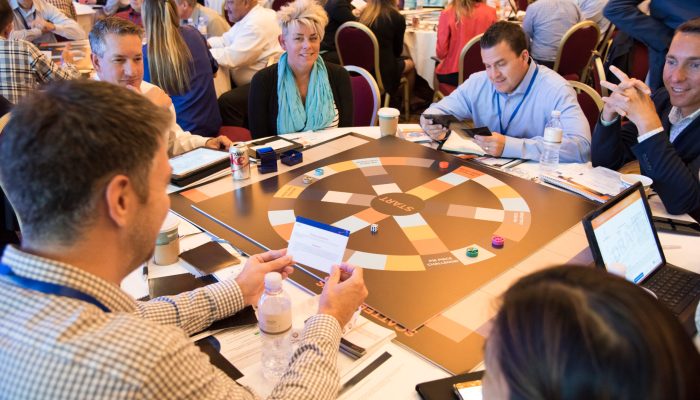
Event storytelling helps organizations create stronger connections by giving audiences a clear narrative to follow. A product launch can move from explaining features to demonstrating why an innovation matters. A company meeting can move from sharing updates to creating alignment around shared priorities. A training program can move from presenting information to helping participants apply what they have learned.
Creative corporate events are built around this principle. They use content, visuals, technology, and audience participation to support a central message rather than adding creative elements simply for appearance.
For global brands working with diverse audiences, storytelling also helps create consistency. A well-designed experience can communicate a shared brand message while allowing flexibility for different teams, locations, and audience needs.
DH approaches experience design with this connection between strategy and execution in mind. We design and produce action-driven meetings, live events, and training experiences that move audiences.
Hybrid Capabilities Expand How Brands Connect with Audiences
Hybrid experiences have become an important part of corporate communication, but the focus has shifted from simply offering a virtual option to designing meaningful participation across formats.
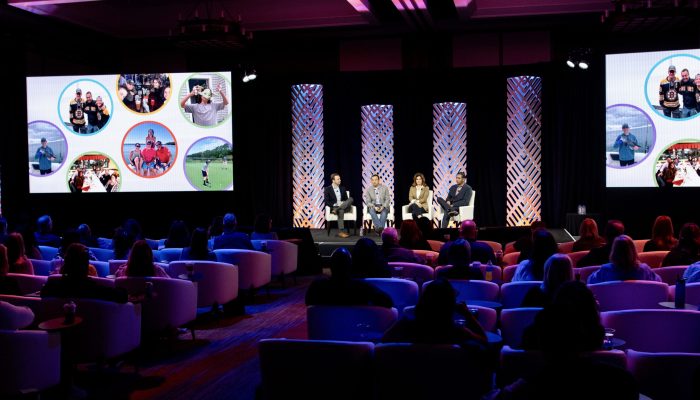
After the rapid rise of hybrid events in 2022 and 2023, organizations are now focused on improving how in-person and remote audiences experience the same message. Strong hybrid production requires more than adding a livestream. It requires thoughtful planning around content delivery, audience interaction, technical execution, and participant engagement.
Hybrid capabilities allow organizations to create flexible experiences that support distributed teams, extend access to important moments, and maintain connection between audiences who may not share the same physical location.
The difference between a basic broadcast and an effective hybrid experience often comes down to design choices. Remote audiences need intentional opportunities to participate. Presenters need formats that work for both in-room and virtual viewers. Production teams need to coordinate technology, timing, and content so the experience feels unified.
When hybrid design is approached strategically, it becomes an extension of the overall event experience rather than an additional requirement added at the end of planning.
Production Precision Supports More Memorable Experiences
Creative ideas only become effective when they are supported by precise execution. Large-scale meetings, launches, and brand experiences involve many interconnected elements, from content development and technical production to timing, transitions, and audience interaction.
Production precision creates confidence for both organizers and audiences. When the technical details work together seamlessly, participants can focus on the message rather than noticing the mechanics behind it.
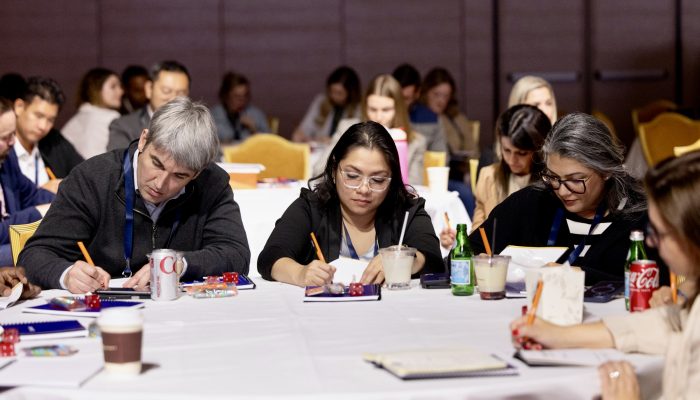
This is especially important for experiences where the stakes are high. A leadership meeting may influence how teams approach a major initiative. A product launch may shape how customers and employees understand a new direction. A training experience may determine whether information is retained and applied.
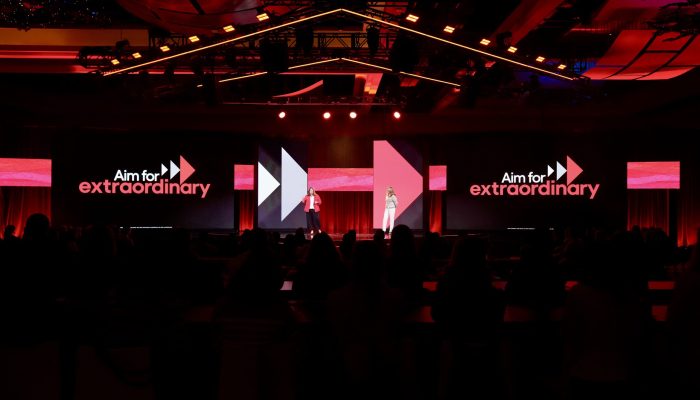
Recent industry events demonstrate the growing importance of creative execution. At the 2025 Experiential Marketing Summit, industry recognition highlighted projects where brands and production partners combined ambitious creative concepts with operational expertise. Event Marketer’s coverage of experiential industry awards showed how successful activations are evaluated not only for visual impact but also for the complexity and quality of execution behind them.
The lesson for organizations is clear: creativity and production discipline are not separate priorities. They work together to create experiences that audiences can understand, engage with, and remember.
Building Stronger Audience Engagement Through Experience Design
Audience engagement is not created through attention-grabbing moments alone. It comes from designing experiences that respect what audiences need from the interaction.
For corporate audiences, engagement often means helping people connect information to action. Employees may need clarity around a new strategy. Sales teams may need confidence when introducing a product. Leaders may need alignment before moving an organization forward.
This requires a thoughtful approach to experience design. The most effective events consider audience expectations, communication goals, learning needs, and the environment where the experience takes place.
Learning design principles can also strengthen business events by helping organizations move beyond information delivery. When content is structured around participation, relevance, and application, audiences are more likely to understand and retain key messages.
For global brands, this approach creates experiences that do more than gather people together. It creates opportunities for connection, alignment, and meaningful communication.
Creative Event Production as a Strategic Business Tool
Organizations investing in meetings, launches, and training experiences are increasingly looking beyond logistics. They are seeking ways to create moments that support business priorities and help audiences engage with important messages.
Creative event production provides a framework for bringing those goals together. It connects strategy, storytelling, production, and audience engagement into one coordinated experience.
For marketing executives, brand leaders, and experience teams, the key consideration is not simply how an event will look. It is what the experience needs to accomplish and how every production decision supports that outcome.
When creative thinking is combined with disciplined execution, events become more than scheduled gatherings. They become opportunities to communicate clearly, build understanding, and create stronger connections between brands and the people they serve.
Creative event production matters because important business moments deserve more than effective logistics. They require thoughtful design, purposeful storytelling, and production expertise that helps audiences connect with the message. For global brands, the strongest experiences are the ones that transform communication into action.
Frequently Asked Questions
What makes successful product launch events stand out?
Successful product launch events stand out by combining clear objectives, strategic storytelling, engaging experiences, and precise production execution. They help audiences understand the product’s value through meaningful interactions rather than relying only on presentations or announcements.
How do you plan a product launch event that creates audience engagement?
To plan a product launch event that creates audience engagement, teams should start with the audience’s needs, key messages, and desired outcomes. Effective event production strategies use demonstrations, interactive elements, and thoughtful environments to help attendees connect with the product story.
What role does event production play in creating memorable product launch experiences?
Event production plays a critical role in turning creative ideas into a seamless product launch experience. Strong production planning ensures that technology, presentations, attendee flow, and storytelling work together to support the launch goals and create lasting audience impact.
Disclaimer: The above helpful resources content contains general insights and perspectives for informational purposes only. The information provided is for general knowledge and does not constitute professional advice.
You may also be interested in: How Meeting Production Improves Executive Presentations
When your most important meeting, launch, summit, or training experience needs to move people, every detail matters. Strategy guides the work. Creativity shapes the story. Precision brings it to life. DEVLINHAIR Production & Learning designs and produces action-driven meetings, live events, and training experiences that move audiences. From our New York City studio, DEVLINHAIR helps organizations bring complex ideas, leadership priorities, and learning moments to life with clarity, purpose, and production precision. Ready to create a hybrid experience your audience can follow, feel, and act on? Let’s talk.
Powered by flareAI.co