Quick Listen:
When organizations bring people together for a leadership summit, product launch, sales meeting, or training experience, the challenge is no longer only delivering information. The real challenge is helping audiences connect with the message, participate in the experience, and leave with a clear understanding of what happens next. Event technology is changing how teams approach that challenge by creating more interactive, personalized, and measurable experiences. The most effective technology choices are not about adding digital features for their own sake. They are about supporting stronger storytelling, improving audience engagement, and helping every element of an experience serve a clear business purpose.
When your most important meeting, launch, summit, or training experience needs to move people, every detail matters. Strategy guides the work. Creativity shapes the story. Precision brings it to life. DEVLINHAIR Production & Learning designs and produces action-driven meetings, live events, and training experiences that move audiences. From our New York City studio, DEVLINHAIR helps organizations bring complex ideas, leadership priorities, and learning moments to life with clarity, purpose, and production precision. Ready to create a hybrid experience your audience can follow, feel, and act on? Let’s talk.
Event Technology Is Shifting Experiences From Presentations to Participation
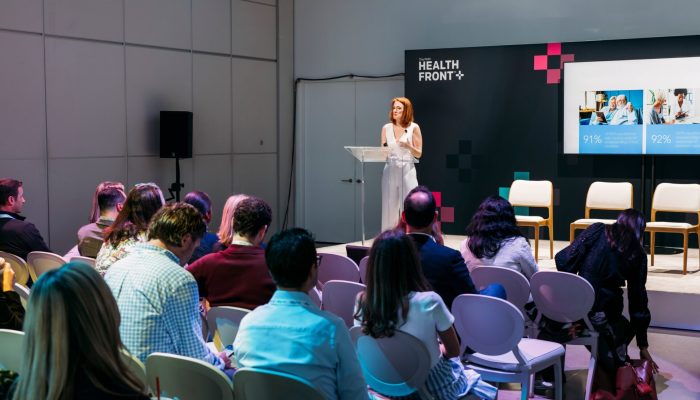
Traditional corporate events often relied on a straightforward model: speakers shared information, attendees listened, and success was measured through attendance or immediate feedback. While strong content and production remain essential, technology has expanded what an audience experience can become.
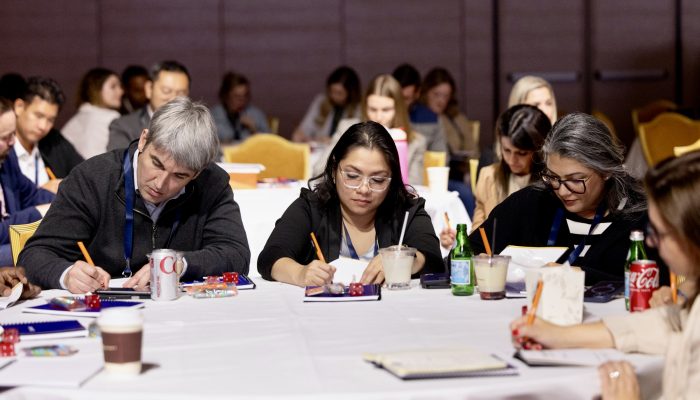
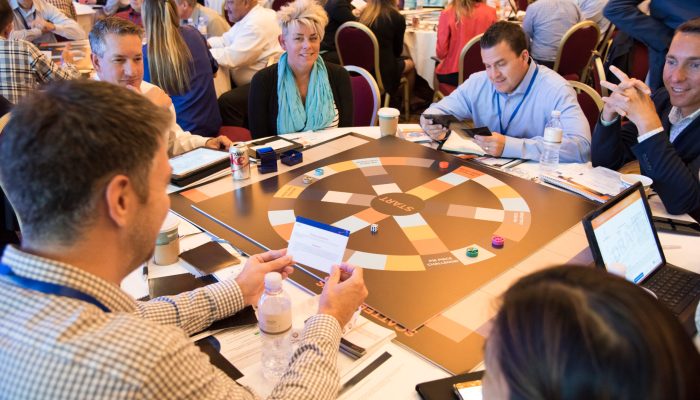
Today’s event technology trends are focused on participation. Digital platforms, interactive environments, audience response tools, personalized content journeys, and connected event experiences allow attendees to engage with information instead of simply receiving it. This shift is especially valuable for organizations using meetings and events to communicate strategy, introduce products, align teams, or support learning objectives.
The most successful interactive event experiences are designed around a clear purpose. Technology can help attendees explore ideas, contribute feedback, connect with other participants, and continue engagement after an event ends. The goal is not to make an event feel more complicated. The goal is to make the audience feel more connected to the experience.
For corporate event leaders, this creates a different approach to planning. Technology becomes part of the experience strategy from the beginning rather than an additional feature added during production. When creative direction, messaging, and technical execution work together, digital tools can strengthen the impact of live and hybrid experiences.
Personalization Is Becoming a Core Part of Audience Engagement
Audiences increasingly expect experiences that recognize their interests, responsibilities, and reasons for attending. A sales team attending a company meeting may need different information than executives, partners, or customers. Event technology helps organizations design experiences that better reflect these different perspectives.
Digital tools for event experiences can support personalized agendas, targeted content delivery, interactive sessions, and audience feedback opportunities. These capabilities allow teams to understand what participants need at different moments and adjust the experience accordingly.
Personalization is particularly important for learning-driven experiences. A training session, leadership meeting, or internal communication event is more effective when attendees can connect new information to their own roles. Technology can support that connection by helping participants engage with content in ways that feel relevant and actionable.
However, personalization should always support the message rather than distract from it. A successful experience begins with understanding the audience, defining the desired outcome, and selecting technology that helps achieve those goals. The strongest event strategies use technology as a tool for clarity, not as a replacement for thoughtful experience design.
Hybrid Capabilities Require Thoughtful Design, Not Just Digital Access
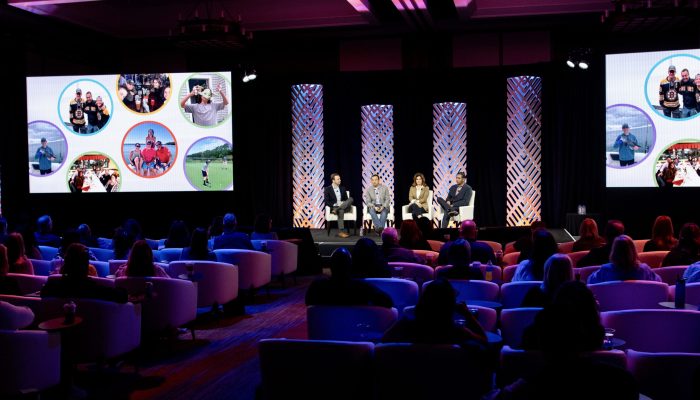
Hybrid events have become an important part of how organizations communicate with distributed audiences. However, creating a meaningful hybrid experience requires more than adding a virtual viewing option to an in-person event. The audience experience must be considered across every participation format.
Hybrid event technology solutions can help connect in-person and remote attendees through live interaction, digital content, audience participation features, and coordinated production elements. But technology alone does not create engagement. The experience must be designed so every participant understands their role and feels included.
For organizations planning corporate meetings, leadership summits, and training programs, hybrid production requires careful attention to content flow, speaker preparation, technical execution, and audience interaction. Remote attendees should not feel like observers watching a separate event. They should feel connected to the same purpose and conversation as those in the room.
DEVLINHAIR Production & Learning approaches experience design with this connection in mind. We design and produce action-driven meetings, live events, and training experiences that move audiences.
This approach reflects an important principle in modern event production: technology is most valuable when it supports a well-designed experience. Whether an event is fully live, virtual, or hybrid, the audience journey should remain the central focus.
AI and Data Are Helping Teams Understand Event Impact
One of the most important developments in event technology is the ability to better understand audience behavior. Instead of relying only on attendance numbers or basic surveys, organizations can use technology to gain deeper insight into how audiences interact with content and experiences.
AI-powered event measurement insights are helping teams evaluate engagement patterns, identify which content resonates, and improve future event decisions. AI-powered event measurement can support more informed planning by connecting audience interactions with broader experience goals.
This shift changes how organizations think about measurement. Event success is not only about how many people attended. It is also about whether the experience helped people understand a message, build stronger connections, participate meaningfully, or take a desired next step.
For production and learning teams, these insights create opportunities for continuous improvement. Feedback collected during and after an experience can influence future programming, content decisions, and engagement strategies. Technology becomes part of a larger process for creating better experiences over time.
Immersive Experiences Are Redefining How Audiences Connect with Ideas
Many organizations are exploring immersive experiences because complex ideas are often easier to understand when audiences can interact with them. A product story, organizational strategy, or learning concept can become more memorable when participants experience it through multiple touchpoints.
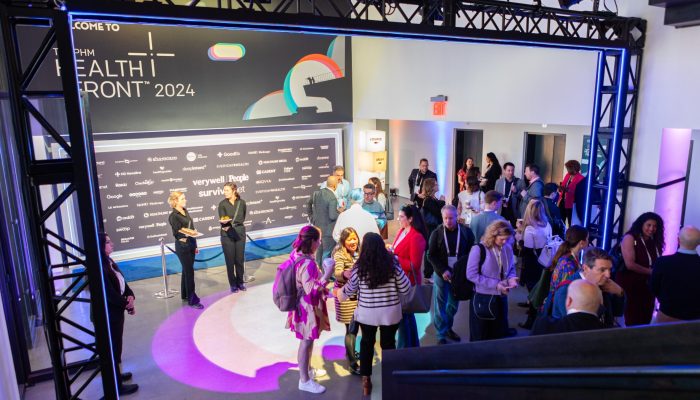
Immersive environments, interactive installations, digital engagement tools, and personalized experiences can help transform events into participatory journeys. Rather than moving attendees through a sequence of presentations, organizations can create moments where people explore, respond, and engage with the message.
Recent event examples demonstrate how technology can support deeper audience involvement. Coverage of immersive AI-powered event experiences highlights how interactive environments, AI, and digital engagement tools are being used to create more participatory corporate gatherings. Immersive AI-powered event approaches show how technology can strengthen connections when it is paired with intentional storytelling.
For brand experiences, product launches, and executive meetings, immersion should always have a purpose. The strongest experiences do not use technology simply because it is available. They use it to help audiences understand, remember, and engage with important ideas.
Choosing the Right Technology Starts with Experience Goals
With many technology options available, organizations can sometimes focus too heavily on selecting platforms, tools, or features before defining what the audience needs. A more effective approach begins with the experience objective.
- What should the audience understand? The experience should support clear communication and message alignment.
- How should attendees participate? Technology choices should reflect whether the goal is discussion, collaboration, learning, networking, or interaction.
- How will success be evaluated? Measurement tools should connect to meaningful outcomes rather than only basic activity tracking.
- How does the technology support the overall production? Digital tools should integrate smoothly with creative direction, content, and technical execution.
This approach helps organizations avoid technology decisions that create complexity without improving the experience. The strongest event strategies balance innovation with practical execution.
For corporate communications leaders, learning teams, and event production professionals, the opportunity is not simply to use more technology. It is to use technology with greater intention. When audience needs, storytelling, and production strategy are aligned, digital tools can help create experiences that are more engaging, useful, and memorable.
The Next Evolution of Event Experiences Is Built Around Connection
Event technology is transforming audience experiences by changing how organizations communicate, engage, and measure impact. From interactive environments to hybrid event technology solutions and AI-supported insights, digital tools are expanding the possibilities for meetings, launches, and training experiences.
The most effective organizations will not view technology as the centerpiece of an event. Instead, they will use it as part of a broader experience strategy designed around audience needs, meaningful interaction, and clear business outcomes. When technology supports purposeful storytelling and thoughtful production, events become more than moments of information sharing. They become opportunities for connection, alignment, and action.
Frequently Asked Questions
How does event technology improve audience engagement during corporate events?
Event technology improves audience engagement by creating more interactive experiences through digital tools, personalized content, audience participation features, and connected event environments. These technologies help attendees participate in the experience rather than simply receive information, making corporate meetings, launches, and training experiences more meaningful.
What role does event technology play in hybrid events and corporate training experiences?
Event technology supports hybrid events by connecting in-person and remote audiences through coordinated production, digital interaction, and shared content experiences. Effective hybrid event technology solutions help organizations create inclusive experiences where all participants can engage with the same message and learning goals.
How can organizations choose the right technology for event experiences?
Organizations should choose event technology based on their audience goals, communication needs, and desired outcomes rather than selecting tools based only on features. The right digital tools for event experiences should support storytelling, audience engagement, measurement, and the overall event production strategy.
Disclaimer: The above helpful resources content contains general insights and perspectives for informational purposes only. The information provided is for general knowledge and does not constitute professional advice.
You may also be interested in: How Hybrid Event Production Improves Audience Engagement
When your most important meeting, launch, summit, or training experience needs to move people, every detail matters. Strategy guides the work. Creativity shapes the story. Precision brings it to life. DEVLINHAIR Production & Learning designs and produces action-driven meetings, live events, and training experiences that move audiences. From our New York City studio, DEVLINHAIR helps organizations bring complex ideas, leadership priorities, and learning moments to life with clarity, purpose, and production precision. Ready to create a hybrid experience your audience can follow, feel, and act on? Let’s talk.
Powered by flareAI.co